
Key Takeaways
- IV glutathione carries serious risks including anaphylaxis, liver dysfunction, and kidney problems, with adverse events reported in 32% of patients in one study—use only in licensed medical settings with emergency protocols.
- Oral glutathione supplements are generally well-tolerated with only mild side effects like bloating and loose stools, making them safer than injectable forms, though long-term safety data remains limited.
- Injectable glutathione for skin lightening has been linked to severe organ toxicity and life-threatening skin reactions like Stevens-Johnson syndrome, prompting regulatory warnings from the Philippine FDA.
- Contamination risks from poorly compounded injectable glutathione are real—a 2019 FDA warning documented seven adverse events including hospitalization from endotoxin-contaminated products, emphasizing the importance of verifying product sourcing.
- People with asthma, respiratory disease, liver/kidney disease, pregnancy, or complex medication regimens should consult a doctor before using glutathione, as these groups face elevated risk of serious reactions.
- Seek immediate medical attention for warning signs including trouble breathing, facial swelling, widespread rash, jaundice, blistering skin, or persistent vomiting after glutathione use, as these may indicate anaphylaxis or organ injury.
Glutathione has become one of the most requested wellness treatments in clinics across Tampa and Riverview. Patients ask about it for skin brightening, energy, and general antioxidant support. But before you try oral supplements, injections, or IV drips, you need to understand the real risks involved. Glutathione side effects vary a lot depending on how the product enters your body, and that distinction matters more than most people realize.
This guide breaks down what current research actually shows about glutathione safety. We will cover mild reactions from oral supplements, more serious concerns tied to injectable forms, and the warning signs that mean you should stop use and call a doctor. Whether you are a busy parent looking into wellness options, a young professional exploring IV therapy, or someone managing a chronic condition, this information can help you make a safer decision. At InCare, our team believes informed patients get better outcomes, and that starts with honest, evidence-based guidance.

What Is Glutathione and Why Do People Use It?
Glutathione is a natural antioxidant made by your body. It helps protect cells from damage and supports liver function. Many people take it as a supplement or receive it through injections at wellness clinics, hoping to boost energy, brighten skin, or slow aging.
The problem is that glutathione products vary widely in quality and dose. Some are oral capsules you swallow. Others are injected under the skin or given through an IV. Each method carries a different risk profile, and understanding these differences is the first step toward safer use.
How Administration Route Changes the Risk
Oral glutathione passes through your digestive system before it reaches your bloodstream. This process limits absorption but also limits how much can go wrong. IV and injectable forms skip digestion entirely, delivering the substance directly into your blood. This bypass increases both potential benefits and potential dangers.
- Oral supplements are generally well tolerated in short-term studies
- IV glutathione carries higher risk of allergic reactions and organ stress
- Injectable products depend heavily on sterile compounding practices
- Skin-lightening injections carry documented safety warnings from regulators
- Inhaled forms may worsen breathing problems in people with asthma
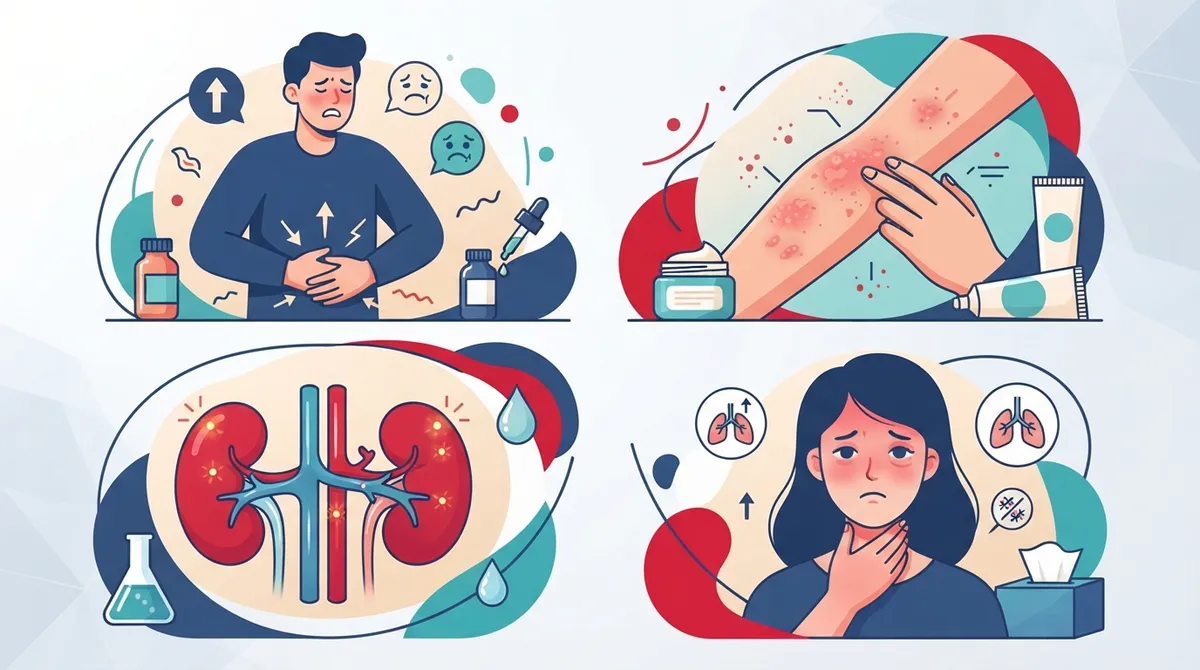
4 Glutathione Side Effects Backed by Research/2>4 Glutathione Side Effects Backed by Research
Understanding these four categories of side effects can help you and your primary care doctor decide if glutathione is right for you. Each one reflects findings from clinical studies, regulatory warnings, or documented patient cases.
1. Mild Digestive Symptoms From Oral Supplements
The most common complaints from oral glutathione are gastrointestinal. These include bloating, gas, nausea, and loose stools. A 2011 study published in the European Journal of Nutrition followed 54 healthy adults taking oral glutathione for four weeks. Researchers found no serious adverse effects and no meaningful changes in liver, kidney, or blood test results.
Minor effects reported in that study included increased flatulence and loose stools in five participants, flushing in two participants, and weight gain in one participant. These symptoms were mild and did not require stopping treatment. Still, this was a small, short-term trial, so long-term safety data remains limited.
2. Serious Reactions Linked to IV Glutathione
IV glutathione carries a different and more concerning risk profile. A 2025 safety review cited a study where patients received 1,200 mg twice weekly for six weeks. Adverse events occurred in 32 percent of participants, including liver dysfunction. One participant experienced anaphylaxis, a severe and potentially life-threatening allergic reaction.
Other reported IV-related effects include low blood pressure, breathing difficulty, kidney problems, chills, and lightheadedness during or after infusion. These reactions highlight why injectable glutathione should only be administered under medical supervision with emergency response capability on hand.
3. Contamination Risks From Poor-Quality Compounding
In 2019, the U.S. Food and Drug Administration issued a warning to compounding pharmacies about a specific glutathione powder distributed by Letco Medical. The concern involved possible endotoxin contamination in sterile injectable products. Seven patients experienced adverse events after receiving a compounded 200 mg/mL IV glutathione injection, ranging from nausea and vomiting to difficulty breathing. One patient required immediate hospitalization.
This case shows why product sourcing and sterile preparation matter enormously for injectable wellness treatments. Not every clinic follows the same quality standards, and patients should always ask where and how a product was compounded before agreeing to an injection.
4. Skin Reactions and Organ Concerns From Cosmetic Injections
Injectable glutathione is sometimes marketed for skin lightening, a use that has drawn specific regulatory attention. The Philippine Food and Drug Administration issued an advisory warning about toxic effects on the liver, kidneys, and nervous system linked to this practice. The advisory also flagged the risk of severe skin reactions, including Stevens-Johnson syndrome and toxic epidermal necrolysis, both of which are medical emergencies.
Unsafe injection conditions can also introduce infection risks. This is another reason cosmetic glutathione injections should never be performed outside a licensed, properly equipped medical setting.
Comparing Glutathione Delivery Methods
The table below summarizes how side effect risks differ by administration route, based on current research and regulatory findings.
|
Delivery Method |
Common Side Effects |
Serious Risks |
Evidence Quality |
|---|---|---|---|
|
Oral supplements |
Bloating, gas, nausea, loose stools |
Rare; no major organ damage reported in short trials |
Small, short-term studies |
|
IV infusion |
Chills, nausea, lightheadedness |
Allergic reaction, anaphylaxis, liver dysfunction |
Limited, some small studies show high adverse rates |
|
Compounded injectables |
Injection site irritation |
Contamination, hospitalization, breathing difficulty |
FDA warning based on real patient cases |
|
Cosmetic skin-lightening injections |
Skin discoloration changes |
Liver/kidney toxicity, severe skin reactions |
Regulatory advisory from Philippine FDA |
Who Should Be Cautious About Glutathione?
Certain individuals face higher risk when considering glutathione, especially in injectable or inhaled forms. A conversation with a qualified clinician is essential before starting any regimen.
- People with asthma or chronic respiratory disease, since inhaled glutathione may worsen bronchospasm
- Individuals with existing liver or kidney disease
- Pregnant women, due to limited safety data
- Patients on complex medication regimens who may face interactions
- Anyone considering IV vitamin C combined with glutathione infusions
If you fall into one of these groups, scheduling a visit with a primary care provider before starting glutathione is a smart first step. A thorough health history and basic lab work can identify risks before they become problems.
Warning Signs That Require Immediate Medical Attention
Knowing when to seek urgent help can prevent a mild reaction from becoming a medical emergency. Contact a doctor or seek urgent care right away if you experience any of the following after using glutathione.
- Trouble breathing or wheezing
- Swelling of the face, lips, or throat
- Widespread hives or rash
- Fainting or severe dizziness
- Blistering or peeling skin
- Jaundice, or yellowing of the skin and eyes
- Dark urine
- Persistent vomiting
These symptoms can signal anaphylaxis, liver injury, or a severe skin reaction. Do not wait to see if they improve on their own. Visiting urgent care promptly can make a real difference in outcome.
How InCare Approaches Glutathione and Wellness Safety
At InCare, we believe wellness treatments should be backed by careful evaluation, not just trends. Our providers ask detailed questions about product form, dose, source, and your overall health before recommending any therapy. This includes reviewing whether you are combining glutathione with other infusions, such as our IV hydration and vitamin drips, since combined ingredients can change your risk profile.
Our Tampa and Riverview locations offer supervised wellness services with trained staff and emergency protocols in place. We also provide DNA gene testing and body composition analysis to help build a complete picture of your health before recommending any wellness therapy. This kind of comprehensive, whole-body approach is part of what makes preventive care effective.
Steps to Take Before Starting Glutathione
If you are considering glutathione for any reason, follow these steps to protect your health.
- Schedule a consultation with a primary care provider to review your medical history
- Ask detailed questions about the product's source and manufacturing standards
- Discuss your current medications and supplements to check for interactions
- Choose oral supplements over injections unless there is a clear medical reason for IV use
- Confirm the clinic has emergency response protocols if you choose an injectable option
- Monitor yourself for any new symptoms and report them right away
Many patients also research providers through online reviews and social platforms. You can follow wellness updates and patient stories on our Facebook page or see behind-the-scenes content on Instagram. We also share quick wellness tips on Tik Tok for patients who prefer bite-sized health information.
Why Evidence-Based Guidance Matters
Wellness trends move fast, and glutathione is a good example. Marketing claims often outpace the actual research. According to available studies, oral supplementation generally has a mild safety profile, but evidence for long-term use, high-dose IV administration, and cosmetic applications remains limited. Reported adverse-event rates depend heavily on dose, route, product quality, and clinical monitoring.
This is why working with a licensed clinic matters. A qualified provider can review current research, assess your personal risk factors, and monitor you for reactions. Skipping this step and buying products online or receiving injections at unlicensed spas increases your risk substantially.
Take the Next Step Toward Safer Wellness Care
Glutathione may offer benefits for some patients, but side effects range from mild digestive discomfort to serious allergic and organ-related reactions depending on how it is used. Understanding these risks before you start any regimen protects your health and helps you make informed choices. Our team at InCare specializes in personalized, evidence-based wellness care across Tampa and Riverview, and we are ready to help you evaluate whether glutathione fits safely into your health plan.
Ready to discuss your wellness goals with a trusted provider? Book your appointment today and get personalized guidance from our experienced medical team. You can also see what current patients say about their experience when you visit us on Google — InCare. If you have questions before scheduling, feel free to reach out to our team directly.
FAQs
Q: What are the most common side effects of oral glutathione?
A: Oral glutathione is generally well tolerated. The most frequently reported effects include bloating, gas, mild nausea, and loose stools. These symptoms are usually temporary and resolve without stopping treatment.
Q: Are glutathione injections or IV infusions safe?
A: IV and injectable glutathione carry more serious risks than oral forms, including allergic reactions, anaphylaxis, and liver dysfunction. These products should only be administered in a licensed medical setting with proper monitoring and emergency protocols.
Q: Can glutathione cause liver or kidney damage?
A: Oral glutathione has not shown significant liver or kidney changes in short-term studies. However, IV use, especially at high doses or with compounded products, has been linked to liver dysfunction and kidney problems in some reported cases.
Q: Is glutathione safe for people with asthma or chronic health conditions?
A: Inhaled glutathione may worsen bronchospasm in people with asthma or chronic respiratory disease. Anyone with asthma, liver or kidney disease, or a complex medication regimen should consult a qualified clinician before starting glutathione.
Q: What should I do if I develop side effects after taking glutathione?
A: Seek immediate medical care if you experience trouble breathing, facial swelling, widespread hives, fainting, blistering skin, jaundice, or persistent vomiting. For milder digestive symptoms, contact your primary care provider to discuss whether to continue or adjust your regimen.