Key Takeaways
- Children receiving regular pediatric primary care are 40% less likely to be hospitalized for preventable illnesses, making consistent care more effective and affordable than treating problems after they develop.
- Schedule well-child visits annually, review immunization records for gaps, and discuss age-appropriate developmental and metabolic screenings with your provider to detect issues early.
- Choose a board-certified pediatric provider offering comprehensive services in one location, modern technology like electronic health records and telemedicine, and a family-centered approach to care.
- Pediatric primary care includes preventive wellness visits, immunizations, developmental screenings, chronic condition management, and acute illness treatment coordinated through a medical home model.
- Mental health screening is now routine in pediatric primary care; early identification and intervention for anxiety, depression, and behavioral challenges leads to significantly better long-term outcomes.
- Whole-family primary care clinics reduce appointment gaps and improve communication by allowing children and parents to share a care team, with providers offering anticipatory guidance on nutrition, safety, and development between visits.
Every parent wants their child to grow up healthy and strong. But in the rush of daily life, routine medical visits can fall to the bottom of the priority list. That's a mistake that can have real consequences. Pediatric primary care is one of the most powerful investments you can make in your child's future. It's not just about treating illness — it's about building a foundation of lifelong wellness. From birth through young adulthood, regular care with a trusted provider helps detect problems early, keep vaccinations on track, and support healthy development at every stage. Families in Tampa and Riverview are increasingly turning to modern, technology-driven clinics that offer comprehensive family healthcare under one roof. This article breaks down what pediatric primary care includes, why it matters, and how to make the most of it for your growing family.

What Is Pediatric Primary Care?
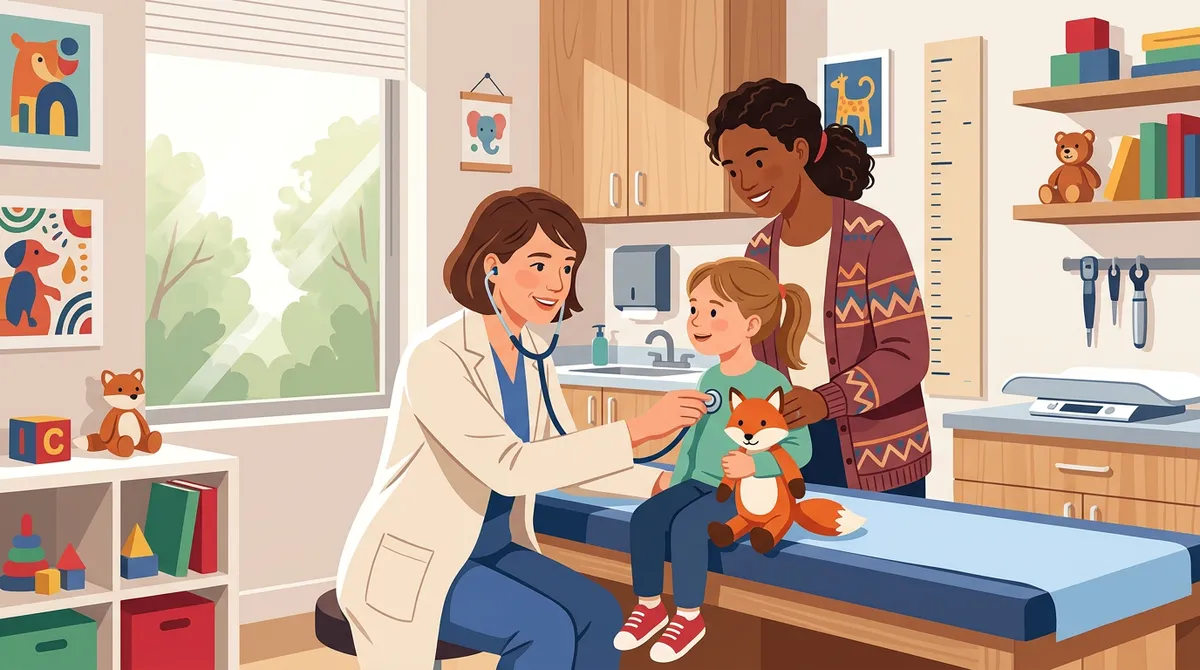
Pediatric primary care is specialized medical care designed specifically for children. It covers the health needs of kids from newborns all the way through young adults. A pediatric primary care provider serves as the first point of contact for any health concern your child has. Think of them as your child's medical home base.
This type of care goes far beyond sick visits. It includes preventive services, developmental screenings, immunizations, behavioral support, and guidance on nutrition and safety. The goal is to monitor your child's health continuously — not just when something goes wrong. Learn more about how primary doctors help manage chronic illnesses in patients of all ages.

Key Services Included in Pediatric Primary Care
A strong pediatric primary care program covers a wide range of services. These are designed to address the unique physical, emotional, and developmental needs of children at each age and stage.
Preventive Care and Wellness Visits
Wellness visits are scheduled at regular intervals throughout childhood. They allow providers to track growth, check development, and address any concerns before they become bigger problems. These visits are the cornerstone of pediatric primary care.
Immunizations and Vaccines
Vaccines protect children from serious diseases. Staying on a recommended immunization schedule is one of the most important things parents can do. Children with access to regular pediatric care are more likely to receive timely vaccinations, leading to significantly improved health outcomes.
Developmental and Behavioral Screenings
Pediatric primary care includes age-appropriate screenings for developmental milestones. These check for delays in speech, motor skills, and social development. Early identification allows for faster intervention and better outcomes.
Chronic Condition Management
Approximately 1 in 5 children has an identified special health care need or chronic illness. Pediatric primary care providers coordinate and manage these complex conditions. This includes asthma, diabetes, ADHD, and many other ongoing health issues.
Acute Illness Treatment
When your child gets sick, having a trusted primary care provider means faster diagnosis and treatment. Whether it's an ear infection, fever, or respiratory illness, prompt and accurate care makes all the difference. For immediate needs, urgent care services can also be a fast, effective option.
Service Type Purpose Frequency Well-Child Visits Monitor growth and development Annually or per schedule Immunizations Prevent serious diseases Per recommended schedule Developmental Screenings Detect delays early At key milestones Chronic Condition Management Coordinate complex care Ongoing Acute Illness Treatment Address sudden illness As needed

Why Pediatric Primary Care Matters for Your Child's Long-Term Health
The data is clear: children who receive regular pediatric primary care are 40% less likely to be hospitalized for preventable illnesses. That's a powerful statistic that shows just how much consistent care matters. Prevention is always more effective — and more affordable — than treatment after the fact.
A strong primary care relationship means your child's provider knows their full health history. They can spot patterns, track trends, and make smarter decisions. This continuity of care is one of the most valuable things in pediatric medicine.
The Role of the Medical Home
Pediatric primary care is ideally delivered through what's called a patient- and family-centered medical home. This means care is comprehensive, continuous, coordinated, compassionate, and culturally responsive. It's not just one doctor — it's an entire system built around your child's needs.
In a medical home model, all aspects of your child's care are connected. Referrals, specialist visits, lab results, and follow-ups are all managed and communicated through one central provider. This reduces errors and improves outcomes significantly.

Pediatric vs. Adult Primary Care: Key Differences
While both serve as the foundation of healthcare, pediatric and adult primary care have important distinctions. Understanding these differences helps parents make better decisions for their children's health.
Factor Pediatric Primary Care Adult Primary Care Age Range Birth to young adulthood 18 and older Focus Growth, development, prevention Chronic disease management, prevention Screenings Developmental, behavioral milestones Cardiovascular, cancer, metabolic health Family Involvement High — parents are central to care Patient-centered, individual focus Vaccine Schedule Intensive childhood immunization plan Booster-based maintenance plan
How to Choose the Right Pediatric Primary Care Provider
Choosing the right provider for your child is one of the most important healthcare decisions you'll make. Here are the most critical factors to consider.
- Board certification and credentials: Look for a board-certified pediatrician or a family medicine provider with documented experience in pediatric care. Credentials matter when it comes to your child's health.
- Comprehensive services: The best practices offer a wide range of services in one location — from routine visits to developmental screenings and chronic condition management. Fewer referrals mean fewer gaps in care.
- Technology and communication: Choose a provider that uses modern tools like electronic health records, patient portals, and telemedicine. These make it easier to access care and stay informed.
- Accessibility: Consider location, office hours, and same-day appointment availability. A provider that's hard to reach won't be used consistently — and consistency is the key to results.
- Family-centered approach: Look for a practice that values parent involvement and communicates clearly. You should feel like a partner in your child's care — not just an observer.
The team at InCare includes experienced providers like Dr. Pramjeet Ahluwalia, Dr. Naveen Paddu, and Dr. Teshy John, who are dedicated to providing whole-family care using state-of-the-art technology. With locations in Tampa and Riverview, they offer flexible, family-friendly healthcare options for busy parents and growing children.
Preventive Screenings That Support Child Wellness
Prevention is at the heart of pediatric primary care. Beyond standard well-child visits, today's most forward-thinking practices offer advanced screenings that help detect issues before symptoms appear. This is especially valuable for families with a history of certain conditions.
- Vision and hearing screenings at key developmental stages
- Blood pressure monitoring starting in early childhood
- Cholesterol and glucose screenings for at-risk children
- Iron and lead level testing in young children
- Behavioral health screenings for anxiety, ADHD, and depression
- Oral health assessments and fluoride guidance
Families interested in going beyond the basics may also benefit from advanced wellness tools like DNA gene testing and body composition analysis, which can provide personalized health insights for the entire family. Follow InCare on Facebook to stay updated on their latest wellness services and family health resources.
Supporting Child Health Between Visits
Pediatric primary care doesn't stop when you leave the clinic. What happens between visits has a huge impact on your child's health. Providers offer anticipatory guidance — practical advice on what to expect at the next stage of development and how to support it at home.
Nutrition and Physical Activity
Good nutrition and regular movement are foundational to child health. Your child's primary care provider can offer tailored guidance on diet, healthy habits, and appropriate activity levels for their age. For families managing weight concerns, personalized weight loss programs are also available for older teens and adults.
Mental and Emotional Health
Mental health is a growing concern for children and teens in 2026. Pediatric primary care now routinely includes screening and support for anxiety, depression, and behavioral challenges. Early intervention leads to significantly better long-term outcomes.
Injury Prevention and Safety
Providers educate families on age-appropriate safety measures — from car seat guidelines for infants to helmet safety for older kids. These conversations are a routine part of well-child visits and can prevent serious accidents.
Age Range Key Focus Areas Recommended Screenings Newborn – 2 Years Growth, feeding, early milestones Hearing, lead, developmental 3 – 5 Years Language, social skills, school readiness Vision, dental, behavioral 6 – 12 Years Academic performance, physical activity Blood pressure, cholesterol (if at-risk) 13 – 18 Years Mental health, puberty, lifestyle choices Depression, STI (if applicable), BMI
The Value of Whole-Family Primary Care
One of the biggest advantages of choosing a comprehensive primary care practice is that the whole family can receive care in one place. This is especially helpful for busy parents juggling multiple appointments. When your children and adults in the household share a care team, communication is more consistent and complete.
Modern practices also offer services that benefit the entire family unit. From advanced cancer screenings for parents to IV hydration and vitamin drips for energy and recovery, a whole-family clinic delivers more value with every visit. Check out patient experiences and reviews by visiting InCare on Google — the clinic holds a 4.8 out of 5 rating based on hundreds of real patient reviews.
Telemedicine as a Modern Solution
For busy families, telemedicine is a game-changer. Virtual visits allow parents to address minor concerns, follow up on test results, and consult with providers without leaving home. This is especially useful for managing ongoing conditions or getting quick answers between in-person appointments.
InCare offers virtual appointments alongside in-person care in Tampa and Riverview, making pediatric primary care more accessible than ever. You can also follow their health tips and updates on Instagram for practical family wellness advice.
What Families Should Do Right Now
Taking action on your child's health doesn't have to be complicated. Here are three steps to get started today.
- Schedule a well-child visit: If your child hasn't had a checkup in the past year, book one now. Annual visits are the foundation of preventive pediatric care and help catch issues before they escalate.
- Review your child's immunization records: Check whether all recommended vaccines are up to date. Your primary care provider can review the schedule and fill any gaps at the next visit.
- Talk to your provider about screenings: Ask whether your child needs any developmental, behavioral, or metabolic screenings based on their age and family history. Early detection is always the better path.
For parents who want to explore advanced wellness for the whole family, InCare also provides services like metabolic breath analysis and comprehensive primary care in Riverview that goes far beyond the basics. Families in the area looking for a trusted partner in wellness can also learn about the team at InCare's provider page. And for those who enjoy keeping their home environment healthy and stress-free, partnering with a reliable local service like All Trusted Lawn Care can free up more time for what matters most — your family's health.
You can also explore health tips and behind-the-scenes content by following InCare on TikTok for short, informative videos on family wellness topics.
Conclusion
Pediatric primary care is not optional — it is essential. From the first well-baby visit to the teenage years, consistent, comprehensive medical care shapes your child's health for decades to come. The evidence is undeniable: children who receive regular care are healthier, more protected, and better prepared for life. The right provider doesn't just treat illness. They partner with your family to build lasting wellness from the ground up.
InCare is committed to delivering exactly that kind of care — personalized, technology-driven, and family-centered. With experienced providers, advanced diagnostic tools, and services spanning primary care, urgent care, and whole-body wellness, InCare is the right choice for families across Tampa and Riverview. Don't wait for a problem to arise before taking action on your child's health. Schedule your child's appointment with InCare today and take the first step toward a healthier future — for your child and your entire family.
FAQs
Q: What is the difference between pediatric primary care and adult primary care?
A: Pediatric primary care focuses specifically on the physical, emotional, and developmental needs of children from birth through young adulthood, while adult primary care addresses chronic disease management, cardiovascular health, and age-related conditions in patients 18 and older. The scope of screenings, immunization schedules, and family involvement also differ significantly between the two specialties.
Q: How often should my child visit a pediatric primary care provider?
A: Well-child visits are recommended at regular intervals throughout childhood — frequently in the early years and annually as children grow older. Your provider will establish a schedule based on your child's age, development, and specific health needs to ensure consistent monitoring and preventive care.
Q: What developmental screenings are part of pediatric primary care?
A: Pediatric primary care includes age-appropriate screenings for language development, motor skills, social behavior, vision, hearing, and behavioral health. These assessments are conducted at key milestones to detect any delays or concerns as early as possible, allowing for timely intervention and better outcomes.
Q: Can a primary care clinic in Tampa provide pediatric primary care for my whole family?
A: Yes. Many modern primary care clinics, including InCare in Tampa and Riverview, offer comprehensive family-centered care that covers children and adults under one roof. This approach streamlines appointments, improves communication between providers, and makes preventive care more accessible for busy families.
Q: Why is pediatric primary care important for preventing childhood illness?
A: Regular pediatric primary care ensures children receive timely vaccinations, preventive screenings, and early treatment for developing conditions. Research shows that children with consistent access to primary care are 40% less likely to be hospitalized for preventable illnesses, making routine care one of the most effective health investments a family can make.