
Key Takeaways
- NAC's only well-established medical use is emergency acetaminophen overdose treatment (nearly 100% effective within 8 hours); broader wellness claims like detox, immunity, and anti-aging lack strong scientific support and often exceed the evidence.
- NAC can help thin mucus in specific respiratory conditions like COPD and bronchiectasis at 600-3,000 mg daily, but dosing must be personalized by a clinician familiar with your respiratory health.
- Oral NAC causes gastrointestinal side effects in up to 23% of users and may dangerously interact with nitroglycerin, blood thinners, antiplatelet drugs, and blood pressure medications—always consult your healthcare provider before use.
- Lifestyle factors like eating sulfur-rich foods, adequate sleep, stress management, and exercise provide more consistent antioxidant support than supplements and offer broader health benefits.
If you've spent time researching antioxidants or liver support online, you've probably come across N-acetylcysteine glutathione discussions. Wellness forums often promise this pairing can detox your body, boost immunity, or reverse aging. But what does the science actually say? At InCare, our providers believe patients deserve clear, honest answers grounded in evidence, not marketing hype. This guide breaks down the real relationship between N-acetylcysteine (NAC) and glutathione, where NAC has proven medical value, and where wellness claims outpace the research.
Understanding this topic matters whether you're a busy parent managing your family's health, a young professional optimizing wellness, or someone considering supplements you saw on social media. We'll walk through the facts so you can make informed decisions with your primary care provider, not a supplement label.
What Is the Connection Between NAC and Glutathione?
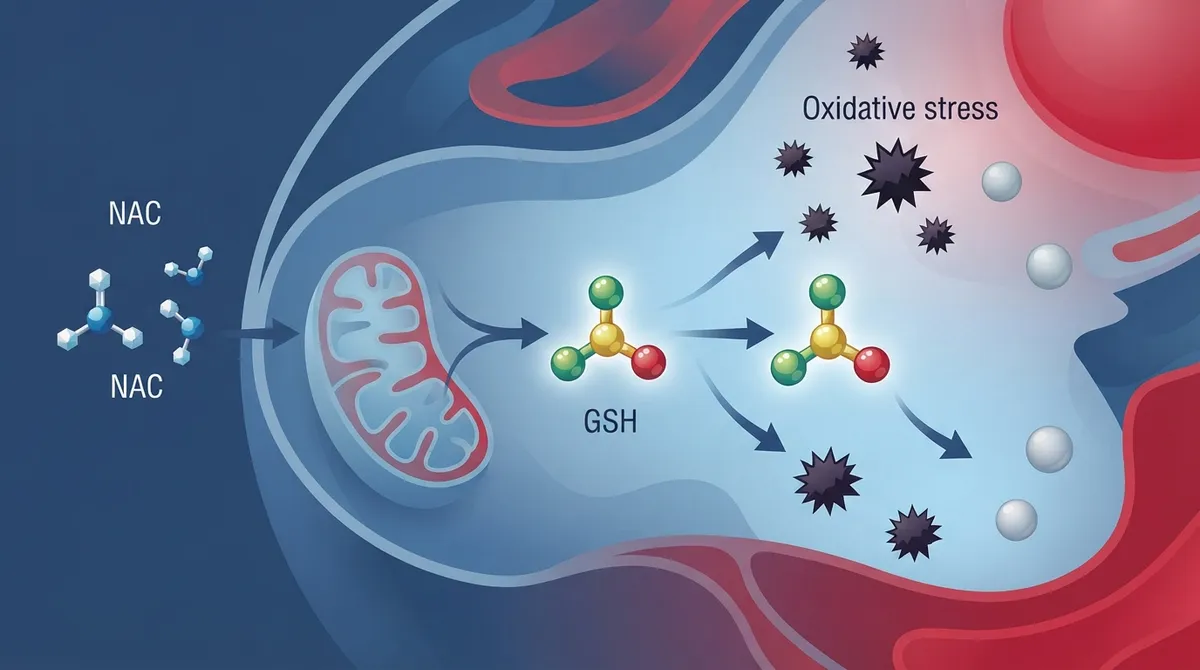
N-acetylcysteine is a modified version of the amino acid cysteine. Your body uses cysteine, along with glutamate and glycine, to build glutathione. Glutathione is one of your body's most important antioxidants. It helps protect cells from oxidative stress and supports your body's natural detoxification processes.
Here's the key point: NAC provides raw material for glutathione production. It does not directly replace glutathione or guarantee higher levels in every person. How much benefit you get depends on your health status, the dose used, how it's taken, and individual body chemistry.
Why Glutathione Matters for Your Body
Glutathione is often called the body's master antioxidant. It plays several important roles:
- Neutralizing harmful free radicals that damage cells
- Supporting liver function during detoxification
- Helping regulate immune cell activity
- Protecting tissues from oxidative damage
- Assisting in the metabolism of certain toxins and medications
However, glutathione is not a magic cure-all. It's a normal part of your body's chemistry, not a special substance you need to chase through expensive supplements without medical guidance.
Proven Medical Uses of N-Acetylcysteine
Before discussing wellness trends, it's important to understand where NAC has strong, established medical support. These uses are backed by decades of clinical evidence.
1. Emergency Treatment for Acetaminophen Overdose
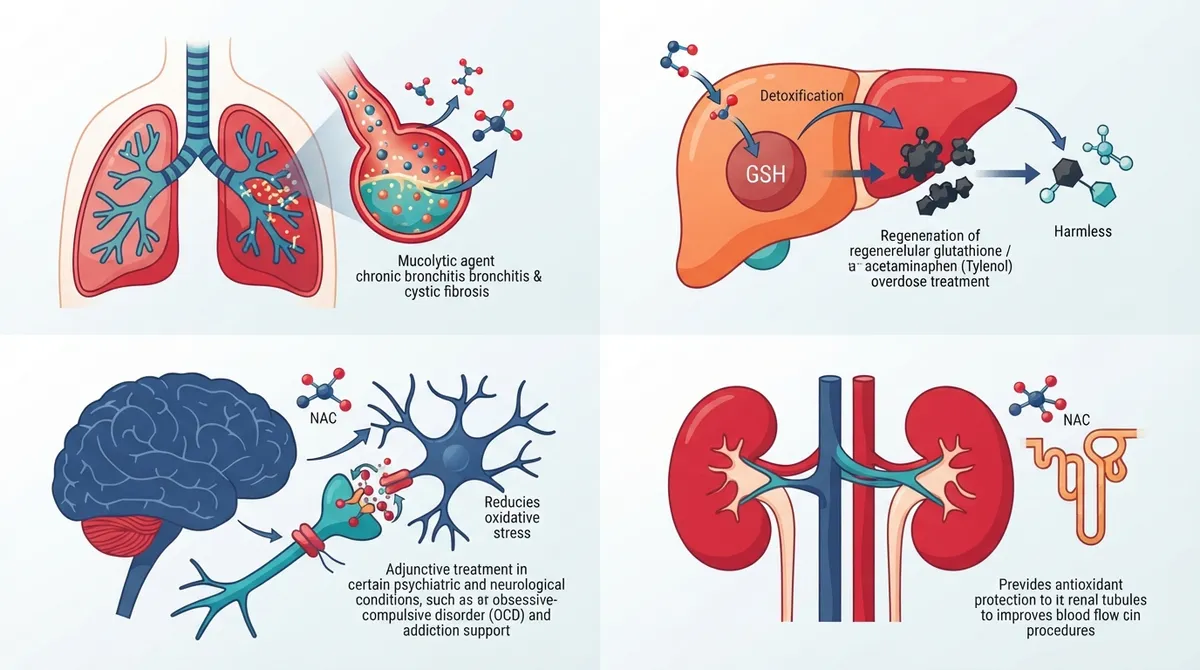
This is the most well-documented use of NAC. When someone takes too much acetaminophen, their liver's glutathione stores become depleted. NAC restores those stores and helps break down the toxic metabolite responsible for liver damage.
According to research published on NCBI Bookshelf, NAC is nearly 100% effective at preventing severe liver injury when given within about 8 hours of ingestion. It still provides benefit even when treatment starts later. This is a hospital-based, time-sensitive treatment. It should never be attempted with an over-the-counter supplement.
2. Mucus-Thinning Therapy for Respiratory Conditions
NAC can help break down thick mucus in certain lung diseases. It works by breaking disulfide bonds that make mucus sticky. This use is supported for specific patients, particularly those with chronic bronchitis-type COPD and some bronchiectasis cases.
Clinical studies have looked at oral doses ranging from about 600 mg to 3,000 mg daily. Commonly studied regimens use 600 mg once or twice a day. However, dosing should always be personalized by a clinician familiar with your COPD treatment options and overall respiratory health.
Where the Evidence Gets Weaker
Supplement marketing often stretches NAC's proven benefits into much bigger claims. Here's where the science is still catching up.
Detox Claims
Many products advertise NAC or glutathione as a "liver detox" solution. Your liver already detoxifies your body every day without help from supplements. While NAC does support glutathione synthesis, there's no strong evidence that boosting glutathione through supplements provides a meaningful detox benefit for healthy people.
Immunity and Anti-Aging Claims
Some marketing suggests NAC can prevent infections, slow aging, or protect against cancer. According to the National Institutes of Health Office of Dietary Supplements, evidence supporting supplements for immune function remains limited. Changes in oxidative stress markers don't always translate into real health improvements.
Mental Health and Substance Use Support
NAC has been studied as an add-on treatment for several conditions, though results are mixed:
- A 2024 systematic review in Frontiers in Psychiatry examined NAC for obsessive-compulsive disorder. It included 6 randomized trials with 195 participants. Benefits appeared mainly after 5 to 8 weeks of treatment.
- A 2025 trial in the Brazilian Journal of Psychiatry studied NAC for alcohol use disorder. With 53 inpatients over 9 weeks, NAC showed no meaningful advantage over placebo for relapse prevention.
- Research on NAC and exercise performance, reviewed in a 2023 Nutrients publication covering 16 controlled trials, found improvements in antioxidant markers but inconsistent results for muscle function or inflammation.
These findings show why NAC should be viewed as a possible adjunct therapy, not a standalone treatment, for these conditions.
Comparing NAC Formulations
Not all NAC products work the same way. Understanding the differences helps you have a more informed conversation with your doctor.
|
Formulation |
Common Use |
Setting Required |
Key Risk |
|---|---|---|---|
|
Oral NAC |
Respiratory support, wellness supplements |
Home use, with medical guidance |
Nausea, stomach upset, diarrhea |
|
Inhaled NAC |
Mucus thinning in respiratory disease |
Prescribed, monitored use |
Bronchospasm in sensitive patients |
|
IV NAC |
Acetaminophen overdose treatment |
Hospital or monitored clinical setting |
Anaphylactoid or hypersensitivity reactions |
Common Side Effects and Safety Concerns
Oral NAC is generally considered safe for most healthy adults when used appropriately, but it's not free of side effects. A clinical review found gastrointestinal issues occur in up to 23% of patients taking oral NAC.
Most Common Side Effects
- Nausea and vomiting
- Abdominal discomfort
- Diarrhea
- Indigestion
- Heartburn
Who Should Talk to a Doctor Before Trying NAC
Certain people need extra caution or should avoid NAC supplements entirely without medical supervision:
- Anyone taking nitroglycerin, since NAC may increase its blood pressure-lowering effects
- Patients on blood thinners or antiplatelet medications, due to potential bleeding risk
- Individuals with asthma or a history of bronchospasm
- Pregnant or breastfeeding women
- People taking blood pressure medications
This is exactly why a conversation with your healthcare provider matters before starting any new supplement, especially one being marketed for broad wellness benefits.
How InCare Approaches NAC and Glutathione Questions
At our Tampa and Riverview locations, our team takes a personalized approach to wellness questions like this one. Rather than pushing trendy supplements, we start with your health history, current medications, and actual goals.
Steps We Take During a Wellness Consultation
- Review your current medications and diagnoses for potential interactions
- Discuss your specific health goal, whether it's respiratory support, general wellness, or another concern
- Evaluate whether NAC or glutathione support fits your situation, or whether another approach makes more sense
- Recommend appropriate testing, such as liver function panels, if relevant
- Set realistic expectations based on current evidence, not marketing claims
This is the same evidence-based philosophy we bring to services like IV hydration and vitamin drips, DNA gene testing, and body composition analysis. We combine advanced technology with real medical expertise, so you're never guessing about what's actually good for your body.
Glutathione and Antioxidant Support: What Actually Helps
If your goal is supporting your body's natural antioxidant system, there are several evidence-informed strategies worth discussing with your provider.
Lifestyle Factors That Support Glutathione Production
- Eating sulfur-rich foods like broccoli, garlic, and onions
- Getting adequate sleep, since poor sleep is linked to increased oxidative stress
- Managing chronic stress, which can deplete antioxidant reserves
- Limiting excessive alcohol intake, which taxes liver glutathione stores
- Regular physical activity, in moderation appropriate for your fitness level
These foundational habits often provide more consistent benefit than supplements alone, and they support your overall health beyond just antioxidant levels.
Questions to Ask Before Starting NAC or Glutathione Supplements
Before adding any supplement to your routine, bring these questions to your next appointment:
- Does this interact with any medications I currently take?
- Is there a specific health condition this might help, based on my history?
- What dose and duration would be appropriate for me?
- Are there safer, more established options for my specific goal?
- How will we track whether it's actually working?
Asking these questions helps separate genuine medical guidance from generic marketing advice that isn't tailored to your body.
Why Personalized Primary Care Matters for Supplement Decisions
Wellness trends move fast, but your health decisions shouldn't be based on trends alone. A knowledgeable primary care team can help you sort fact from fiction, especially with substances like NAC that have both legitimate medical uses and overstated wellness claims.
At InCare, our providers in Tampa and Riverview take time to explain the "why" behind every recommendation. Whether you're interested in preventive screenings, weight loss programs, or general wellness optimization, our approach always starts with what the evidence actually supports for your unique situation.
Many patients also follow our updates and educational content on Facebook, Instagram, and TikTok, where we share practical health tips grounded in real medical research rather than fleeting wellness fads.
Take the Next Step Toward Informed Wellness Decisions
N-acetylcysteine and glutathione both play real roles in human health, but the details matter. NAC's strongest evidence supports emergency acetaminophen treatment and select respiratory conditions. Broader wellness claims deserve a more skeptical, informed approach.
If you're curious whether NAC, glutathione support, or other wellness services fit your health goals, our team is ready to help you sort through the noise. You can reach out to our care team with questions, or go ahead and schedule your appointment today at one of our Tampa or Riverview locations. Many patients also check out what real patients are saying when they visit us on Google — InCare before booking their first visit. Your health deserves guidance built on evidence, not hype.
FAQs
Q: What is the difference between N-acetylcysteine and glutathione?
A: N-acetylcysteine (NAC) is a precursor that provides cysteine, one of three amino acids needed to build glutathione. Glutathione itself is the finished antioxidant molecule your cells use directly. Taking NAC does not guarantee the same effect as having naturally higher glutathione levels, since production depends on multiple factors.
Q: Does NAC actually increase glutathione levels?
A: Research shows NAC can support glutathione synthesis by supplying cysteine, an essential building block. However, the extent of this increase varies by dose, health status, and individual factors. It is not a guaranteed or uniform effect across all people.
Q: Is NAC safe to take every day as a supplement?
A: For many healthy adults, oral NAC has an acceptable safety profile at studied doses, though gastrointestinal side effects like nausea and diarrhea occur in a notable percentage of users. Daily use should still be discussed with a clinician, especially if you take other medications or have underlying health conditions.
Q: Can NAC be taken with blood thinners or blood pressure medicine?
A: NAC may interact with anticoagulants, antiplatelet drugs, nitroglycerin, and blood pressure medications. These combinations can increase bleeding risk or amplify blood pressure effects. Always review your full medication list with a healthcare provider before starting NAC.
Q: Can NAC or glutathione supplements prevent infections or treat COVID-19?
A: Current evidence does not support broad claims that NAC or glutathione supplements prevent infections or treat COVID-19. While NAC may influence oxidative stress markers, this has not been shown to translate into reliable clinical protection against infectious disease.