Key Takeaways
- Medical weight loss combines clinician supervision, lab testing, and FDA-approved medications—not just willpower—treating obesity as a medical condition rather than a lifestyle choice.
- Tirzepatide (Zepbound) shows significantly higher average weight loss (20.2%) compared to semaglutide (13.7%) in clinical trials, though a clinician must evaluate which option fits your health profile and budget.
- Verify clinics have licensed providers, conduct thorough health assessments before prescribing, offer transparent pricing, and coordinate with your primary care doctor to ensure safe, effective treatment.
- Common side effects like nausea and constipation require medical supervision for dose adjustment, and unverified products sold outside licensed settings pose safety risks you should avoid.
Typing "medical weight loss near me" into a search bar is often the first step toward real, lasting change. Unlike fad diets or generic apps, clinician-supervised weight care combines health assessment, prescription support, and ongoing monitoring. For residents of Tampa and Riverview, this search connects you to licensed providers who treat weight as a medical issue, not just a willpower problem.
Obesity now affects 40.3% of U.S. adults, according to the CDC's National Center for Health Statistics, with severe obesity impacting 9.4% of the population. In Florida, as in most states, this trend shows no signs of slowing. The good news? Local, physician-led programs now offer more effective tools than ever, including FDA-approved medications, metabolic testing, and personalized coaching.

What Does Medical Weight Loss Actually Include?
Medical weight loss is not a one-size-fits-all diet plan. It is a structured program led by trained clinicians who look at your whole health picture. This approach differs sharply from over-the-counter supplements or trendy cleanses.
A typical program includes several core components:
- An initial health assessment, including blood pressure and lab testing
- A review of your medical history and current medications
- Nutrition counseling tailored to your lifestyle
- Behavioral support to build sustainable habits
- Prescription treatment, when medically appropriate
- Regular follow-up visits to track progress and adjust your plan
At InCare, this process starts with a conversation. Providers like those featured on the Providers page take time to understand your goals before recommending any treatment. This is very different from searching online for pills with no medical guidance.
How Do You Find a Reputable Clinic Near You?
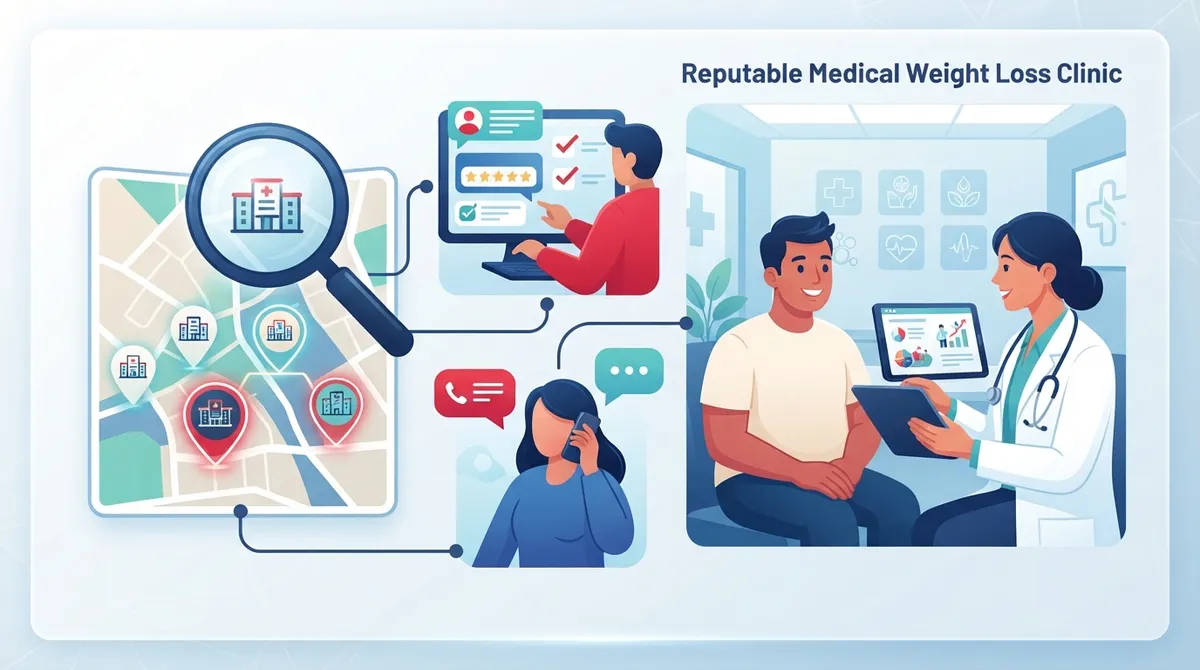
Not all weight loss clinics offer the same quality of care. Some focus only on selling supplements. Others skip the medical evaluation step entirely. Here is how to spot a program built on real medical standards.
- Check for licensed clinicians. Your provider should be a doctor, nurse practitioner, or physician assistant with training in weight management.
- Ask about the initial evaluation. A trustworthy clinic will review your labs, blood pressure, and health history before suggesting treatment.
- Look for transparent pricing. You should know upfront what visits, medications, and follow-ups cost.
- Confirm ongoing monitoring. Weight loss medication requires regular check-ins to manage side effects and adjust doses.
- Verify coordination with your primary doctor. The best programs share records and communicate with your existing care team.
InCare's Weight Loss program follows each of these standards. Patients in Tampa and Riverview can also explore Primary Care services at the same clinic, making it easier to manage your full health picture in one place.
Who Qualifies for Prescription Weight Loss Medication?
Not everyone needs medication to lose weight, but for many patients, it makes a real difference. The FDA has set clear guidelines for who may benefit from these treatments.
According to the FDA's approval documentation for Zepbound (tirzepatide), eligible adults generally have:
- A BMI of 30 or higher, or
- A BMI of 27 or higher with at least one weight-related health condition, such as high blood pressure or type 2 diabetes
These medications are meant to be used alongside reduced-calorie eating and increased physical activity, not as a replacement for lifestyle changes. A clinician will also review your personal and family medical history to check for contraindications before prescribing anything.
Semaglutide vs. Tirzepatide: What's the Difference?
Two of the most talked-about weight loss medications today are semaglutide (sold as Wegovy) and tirzepatide (sold as Zepbound). Both belong to a class of drugs called GLP-1 receptor agonists, though tirzepatide also targets a second hormone receptor.
|
Factor |
Semaglutide (Wegovy) |
Tirzepatide (Zepbound) |
|---|---|---|
|
Mechanism |
GLP-1 receptor agonist |
GLP-1 and GIP receptor agonist |
|
Average weight loss (72-week trial) |
13.7% |
20.2% |
|
Dosing frequency |
Weekly injection |
Weekly injection |
|
FDA labeled use |
Chronic weight management |
Chronic weight management |
These figures come from the SURMOUNT-5 trial, an open-label study reported by Eli Lilly in 2025. Keep in mind that individual results vary widely. A prescriber will help you understand which option fits your health profile, budget, and goals. You can read more about how these treatments work in our guide on what makes medical weight loss different from dieting.
What Happens During Your First Appointment?
Walking into your first medical weight loss visit can feel intimidating if you don't know what to expect. Here is a general breakdown of what most patients experience.
- A detailed conversation about your weight history, goals, and past attempts
- A physical exam, including blood pressure and weight measurement
- Lab work to check blood sugar, cholesterol, thyroid function, and other markers
- A review of your current medications and any existing health conditions
- A discussion of treatment options, including lifestyle changes and possible medication
- A plan for follow-up visits to track your progress
Some clinics also offer advanced tools like Metabolic Breath Analysis or Body Composition testing to get a clearer picture of your metabolism. These tools help providers create a plan built around your unique body, not a generic template.
Are Weight Loss Injections Safe?
Weight loss injections have helped many people reach their health goals, but they are not risk-free. Like any medication, they come with potential side effects that patients should understand before starting treatment.
Common side effects can include nausea, constipation, and mild stomach discomfort, especially when starting treatment. More serious risks, though rare, may include pancreatitis or gallbladder problems. This is why medical supervision matters so much. A clinician can monitor your response, adjust your dose, and address side effects quickly.
It's also important to avoid unverified or compounded products sold outside of licensed medical settings. These products may not contain what they claim, and their safety cannot be guaranteed. Always discuss your full health history, including pregnancy plans and family history, with your prescriber before beginning any weight loss medication.
How Much Does Medical Weight Loss Cost?
Cost is one of the biggest questions patients have when researching medical weight loss near me. Prices vary depending on the clinic, the medication prescribed, and your insurance coverage.
Here are the main cost factors to consider:
- Initial consultation and lab work fees
- Monthly medication costs, which can vary widely based on brand and dosage
- Follow-up visit fees, often required monthly or quarterly
- Insurance coverage, which differs by plan and diagnosis
- Additional services like body composition scans or nutrition coaching
Ask any clinic for a clear breakdown of costs before you commit. Transparent pricing is a hallmark of a trustworthy practice. If you want to learn more about how weight loss connects to other health conditions, check out our article on how medical weight loss supports diabetics in managing health.
Why Choose a Local Primary Care and Wellness Clinic?
Choosing a nearby clinic for medical weight loss offers real advantages. You get face-to-face access to your care team, easier follow-up scheduling, and a provider who understands your local lifestyle and healthcare needs.
InCare serves patients across Tampa and Riverview with a whole-body approach to wellness. Beyond weight loss, the clinic offers Cancer Screening, DNA Gene Testing, and IV Hydration Vitamin Drips, giving you access to comprehensive care in one place. Many patients also appreciate the option for same-day visits through Urgent Care when unexpected health issues arise.
Real patients continue to share positive experiences with InCare's team. You can visit us on Google — InCare to read reviews from people who have gone through the same weight loss journey you're considering. The clinic also stays connected with patients through Facebook, Instagram, and TikTok, sharing helpful health tips and updates.
Making Weight Management a Long-Term Success
Weight management is rarely a quick fix. It works best as an ongoing partnership between you and your care team. This means regular follow-ups, honest conversations about side effects, and adjustments to your plan as your body changes.
A good local program will explain exactly who provides your care, how often you'll be seen, and what happens if a treatment isn't working. It should also coordinate with your primary care doctor so nothing falls through the cracks. This kind of connected care is what separates lasting results from short-term fixes.
If you're ready to explore a program built around your health, not a generic template, our team is here to help. Reach out to our team today to ask questions, or go ahead and schedule your first visit online to start your personalized weight loss journey with a clinic that puts your whole health first.
FAQs
Q: What does medical weight loss include?
A: Medical weight loss typically includes a health assessment, lab testing, nutrition and behavioral counseling, and prescription treatment when appropriate. Clinicians also provide regular follow-up visits to monitor progress and adjust your plan as needed.
Q: Can my primary care doctor prescribe weight-loss medication?
A: Yes, many primary care doctors can evaluate your eligibility and prescribe FDA-approved weight-loss medications. They will review your BMI, medical history, and any weight-related health conditions before recommending treatment.
Q: Who qualifies for prescription weight-loss medication?
A: Adults with a BMI of 30 or higher, or a BMI of 27 or higher with a weight-related condition like high blood pressure, generally qualify under FDA labeling. A clinician will confirm eligibility based on your full medical history.
Q: How much does medical weight loss cost, and does insurance cover it?
A: Costs vary based on the clinic, medication, and required visits. Insurance coverage depends on your specific plan and diagnosis, so it's best to ask your provider for a clear cost breakdown before starting treatment.
Q: Are weight-loss injections safe, and what side effects should I know about?
A: Weight-loss injections are generally safe under medical supervision, though common side effects include nausea and digestive discomfort. Serious risks are rare but possible, which is why regular monitoring by a licensed clinician is essential.