
Key Takeaways
- A full body wellness exam is not one standard test; it is a preventive visit tailored to your age, health history, and risk factors, so know what to expect before booking.
- Bring a list of all medications and supplements with doses, past surgeries and major illnesses, family health conditions, and written questions to make the history review more useful.
- Blood pressure checks often catch high blood pressure, which usually has no symptoms, so routine measurement is one of the most valuable parts of the visit.
- Lab work should be chosen based on your risk rather than a fixed panel, since more testing is not always better and can lead to false alarms and added costs.
- Cancer screening needs depend on age, sex, family history, and personal risk, with guidance from groups like the USPSTF that can change over time.
- Medicare's Annual Wellness Visit is a prevention-planning visit, not a head-to-toe physical, and routine labs are not automatically included, so confirm coverage and what is included before your appointment.
A full body wellness exam in Tampa sounds simple. You walk in, get checked from head to toe, and walk out knowing everything about your health. In reality, it works a little differently. "Full body wellness exam" is a popular phrase, not a single standard test. In primary care, it usually means a preventive visit or annual physical built around your age, health history, and risk factors.
That is good news. A visit planned around you is more useful than a one-size-fits-all test list. It also means you should know what to expect before you book. Whether you are a busy parent, a young professional, or someone who wants to get ahead of health problems, a well-run exam can catch issues early and give you a clear plan.
This guide walks through eight parts of a strong wellness exam. You will learn what happens, why it matters, and how to prepare. You will also see how a Tampa clinic like InCare can build the visit around your needs.

1. A Detailed Health History Review
Every good exam starts with a conversation. Your clinician asks about your medical history, family history, current medications, and supplements. This step shapes everything that follows.
Your family history matters more than many people think. A parent with early heart disease or a sibling with a cancer diagnosis can change which screenings you need and when. Be ready to share what you know.
You should also mention any new or ongoing symptoms. A wellness exam is not a replacement for a symptom visit. If you have chest pain, unusual fatigue, or a lump, tell your clinician right away. Those concerns may need extra testing, which can also change how the visit is billed.
To get the most from this step, bring:
- A list of all medications and supplements, with doses
- Dates of past surgeries, hospital stays, and major illnesses
- Notes on family health conditions
- Your questions, written down before you arrive
2. Basic Measurements and Vital Signs
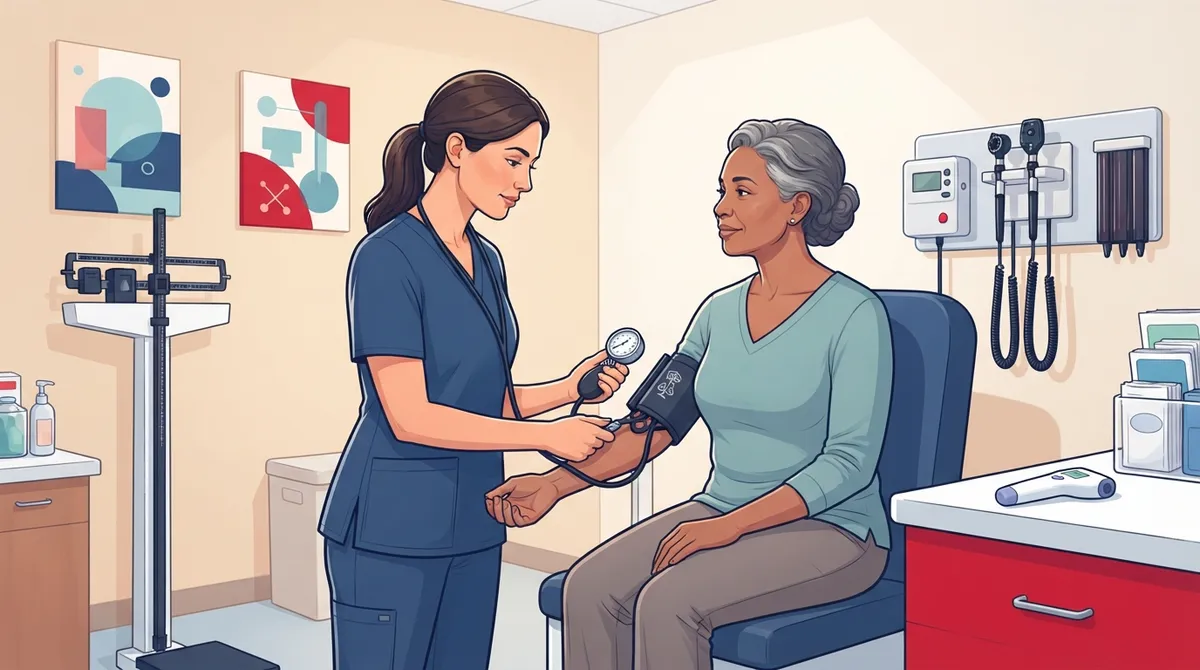
Next comes the hands-on part. Most preventive visits include blood pressure, heart rate, height, weight, and body mass index (BMI). These numbers are quick to collect, but they tell a lot.
Blood pressure is a good example. High blood pressure often has no symptoms. A routine check is often the only way to catch it. Early action can lower the risk of heart disease and stroke over time.
Exact steps vary by clinician and visit type. Some clinics add tools that go beyond the basics. At InCare, patients can explore body composition analysis, which uses 3D imaging and AI-powered tracking. It shows more than a scale can, such as how much of your weight is muscle and how much is fat.
3. A Physical Exam Tailored to You
Many people picture a head-to-toe check. In practice, your clinician decides which parts of the physical exam make sense for you. That may include listening to your heart and lungs, checking your abdomen, looking at your skin, and reviewing your reflexes or joints.
This approach follows a simple idea. Tests and exams should be chosen based on evidence and your risk, not ordered automatically for everyone. A healthy 24-year-old and a 55-year-old with a family history of heart disease need different things.
If you want more detail on what a standard visit looks like, our guide on what happens during an annual physical exam breaks it down step by step.
4. Lab Work and Screening Tests Based on Risk
Blood work is often the part people care about most. It is also the part that varies most. There is no fixed number of tests in a "full body" panel. No universal lab list exists for every adult.
Your clinician may discuss tests such as:
- Cholesterol and lipid screening
- Blood sugar or A1C testing for diabetes risk
- Kidney and liver function checks
- Thyroid testing when symptoms or history suggest it
- Vitamin D or other nutrient levels when appropriate
The goal is to pick tests that answer real questions about your health. More testing is not always better. Extra tests can lead to false alarms and added costs.
If you want to build a smarter plan, read about which screenings adults should get every year.
5. Age- and Risk-Based Cancer Screening
Cancer screening is one of the biggest reasons to book a preventive visit. Which screenings you need depends on your age, sex, family history, and personal risk. Guidance from groups like the U.S. Preventive Services Task Force (USPSTF) helps clinicians decide, and those recommendations can change over time.
Common examples include screening for breast, cervical, colorectal, lung, and prostate cancers, when they apply to you. Finding cancer early often means more treatment options and better outcomes.
InCare offers cancer screening services with advanced early detection tools. Men may also want to read about key things to know about prostate exams. Women can learn what to avoid in our piece on well woman exam mistakes.
6. Vaccines, Counseling, and Lifestyle Review
A wellness exam is not only about tests. It is also a chance to talk about daily habits. Your clinician may ask about tobacco, alcohol, sleep, stress, mood, sexual health, nutrition, and physical activity.
These talks are not about judgment. They are about finding small changes that make a big difference. For many busy adults, even one adjustment to sleep or food choices can improve energy and long-term health.
Vaccines are part of this step too. Your clinician can review whether you are up to date on flu, tetanus, and other shots based on your age and health.
For deeper insight into your habits and risks, a health risk assessment can help organize your priorities. And if weight is on your mind, InCare's medical weight loss programs are built around your body and your goals.
7. Advanced Wellness Add-Ons for Proactive Patients
Some people want to go beyond the basics. If you are a data-minded professional or a wellness seeker who likes to optimize, you may want extra tools. These are add-ons, not a required part of a standard exam.
Options a modern primary care clinic may offer include:
- DNA gene testing for personalized insights on health predispositions
- Metabolic breath analysis to assess how your body uses energy
- IV hydration and vitamin drips for targeted wellness support
These services work best when paired with a trusted primary care relationship. A clinician who knows your history can tell you which add-ons are worth your time and which are not.
8. A Clear Plan for Next Steps
The best part of a wellness exam is what happens at the end. Your clinician should review findings, explain what they mean, and set up a plan. That plan may include follow-up labs, referrals, lifestyle goals, or a date for your next visit.
If something looks off, you should leave knowing what happens next. If everything looks good, you should know how to keep it that way. A strong plan turns one visit into ongoing care.
Medicare patients should know about a related benefit. The Medicare Annual Wellness Visit is a prevention-planning visit, not a routine head-to-toe physical. It includes a health risk assessment and a personalized prevention plan. Routine lab tests are not automatically part of it. Our guide on what happens during an annual wellness visit explains the difference.
Wellness Exam vs. Medicare Annual Wellness Visit
Many Tampa patients mix up these two visit types. This table shows how they differ.
|
Feature |
Preventive Wellness Exam / Annual Physical |
Medicare Annual Wellness Visit |
|---|---|---|
|
Main purpose |
Review health, screen for risks, address concerns |
Create a personalized prevention plan |
|
Head-to-toe physical exam |
Often included, tailored to you |
Not a routine physical exam |
|
Health risk assessment |
Varies by clinician |
Included |
|
Routine lab tests |
Ordered based on age and risk |
Not automatically included |
|
Coverage |
Depends on your insurance plan |
Part B generally covers one per 12 months with no cost-sharing when rules are met |
Extra services or tests added during either visit may carry separate costs. Always ask the office what is included before your appointment.
How to Prepare for Your Visit
A little prep makes your visit smoother and more useful. Follow these steps:
- Confirm the scope. Ask the clinic what the visit includes and whether any labs or add-ons may cost extra.
- Check fasting rules. Some blood tests need fasting. Ask ahead so you do not have to reschedule.
- Verify insurance. Call your plan to confirm coverage for preventive visits and any planned tests.
- Gather records. Bring your medication list, past test results, and vaccine records. If needed, follow the steps for a medical records request.
- Write down your questions. List symptoms, worries, and goals so nothing gets missed.
How Often Should You Get One?
Many adults benefit from a preventive visit about once a year. Your clinician may suggest a different schedule based on your age, health, and risk. Younger, healthy adults may not need every test each year, while people with chronic conditions may need more frequent check-ins.
If you manage a condition like high blood pressure or diabetes, regular visits matter even more. Learn how primary doctors support long-term health in our article on managing chronic illnesses.
Why Choose InCare for Your Wellness Exam in Tampa
InCare is a personalized primary care and wellness clinic with locations in Tampa and Riverview, Florida. The team combines state-of-the-art technology with medical expertise to deliver whole-body care focused on prevention. Patients can see a provider in person or use virtual visits, which suits busy families and tech-savvy professionals.
With a 4.8 out of 5 Google rating from 359 reviews, InCare has earned the trust of local patients. You can see what people say by visiting our InCare Tampa location on Google. Meet the physicians on our providers page, or explore primary care services to see how a wellness exam fits into ongoing care.
Stay connected with the clinic on Instagram, Facebook, and TikTok for health tips and updates.
Conclusion
A full body wellness exam in Tampa is not one test. It is a smart, personal visit that reviews your history, checks key measurements, selects the right screenings, and ends with a clear plan. When it is done well, it helps you catch problems early and stay on track with your health goals.
Ready to take the next step? Book your wellness exam with InCare today, or contact our team with any questions about what your visit should include.
FAQs
Q: What does a full body wellness exam include in Tampa?
A: It usually includes a health history review, basic measurements like blood pressure and BMI, a tailored physical exam, and screenings or labs chosen for your age and risk. There is no single standard panel, so the exact steps vary by clinician. A clinic like InCare plans the visit around your needs.
Q: Is a Medicare Annual Wellness Visit the same as a physical exam?
A: No. The Medicare Annual Wellness Visit is a prevention-planning visit that includes a health risk assessment and a personalized prevention plan. It is not a routine head-to-toe physical, and routine lab tests are not automatically included. Part B generally covers one every 12 months with no cost-sharing when coverage rules are met.
Q: Do I need to fast before a wellness exam?
A: It depends on which blood tests your clinician orders. Some tests, such as certain cholesterol or glucose checks, may require fasting, while many do not. Call the office ahead of time to confirm so you can plan your visit.
Q: Can I discuss symptoms during my wellness exam?
A: Yes, you should always share new or ongoing symptoms. A wellness exam is not a substitute for a symptom evaluation, and addressing concerns may require extra testing. This can also affect how the visit is billed, so ask the office about it in advance.
Q: How often should I get a preventive wellness exam?
A: Many adults benefit from a visit about once a year, though your clinician may suggest a different schedule based on your age, health, and risk factors. People with chronic conditions may need more frequent follow-ups. Your provider can help you set a plan that fits.