Key Takeaways
- Kisspeptin is a brain chemical that acts as a 'switch' activating GnRH neurons to trigger the release of sex hormones and start puberty through the hypothalamic-pituitary-gonadal axis.
- Kisspeptin blood tests cannot yet reliably predict puberty timing due to wide natural variation (9.9-201.6 pg/mL) based on age, sex, pubertal stage, and body weight.
- The kisspeptin stimulation test is still investigational and not standard clinical care; doctors continue using established tools like growth charts, Tanner staging, bone age X-rays, and GnRH stimulation tests.
- Reduced kisspeptin signaling may link to delayed puberty, while excessive early signaling may cause precocious puberty, but abnormal timing can result from multiple factors requiring full medical evaluation.
- Schedule a pediatric endocrinology referral if your child shows breast development before age 8 (girls), testicular enlargement before age 9 (boys), rapid unexplained growth, or no pubertal signs by expected ages.
- Treatment for puberty disorders uses established therapies like GnRH agonists for precocious puberty or observation for constitutional delay; kisspeptin itself is not yet an approved pediatric treatment.
Watching a child grow up brings many questions for parents. One of the biggest concerns is whether puberty is happening too early, too late, or right on schedule. Behind the scenes, a small brain chemical called kisspeptin plays a major role in starting this process. Understanding kisspeptin can help parents know what questions to ask their child's doctor and when to seek expert care.
At InCare, our primary care team in Tampa and Riverview helps families understand growth and development concerns using current medical evidence. While kisspeptin testing is still an emerging area of research, knowing the basics can help you feel more confident during your child's checkups. This guide breaks down what kisspeptin does, what the latest studies show, and when to ask about a referral to a specialist.
What Is Kisspeptin and Why Does It Matter?
Kisspeptin is a natural chemical made in the brain. It acts like a switch that turns on the body's reproductive system. Scientists first identified its role in puberty just over two decades ago, and research has grown quickly since then.
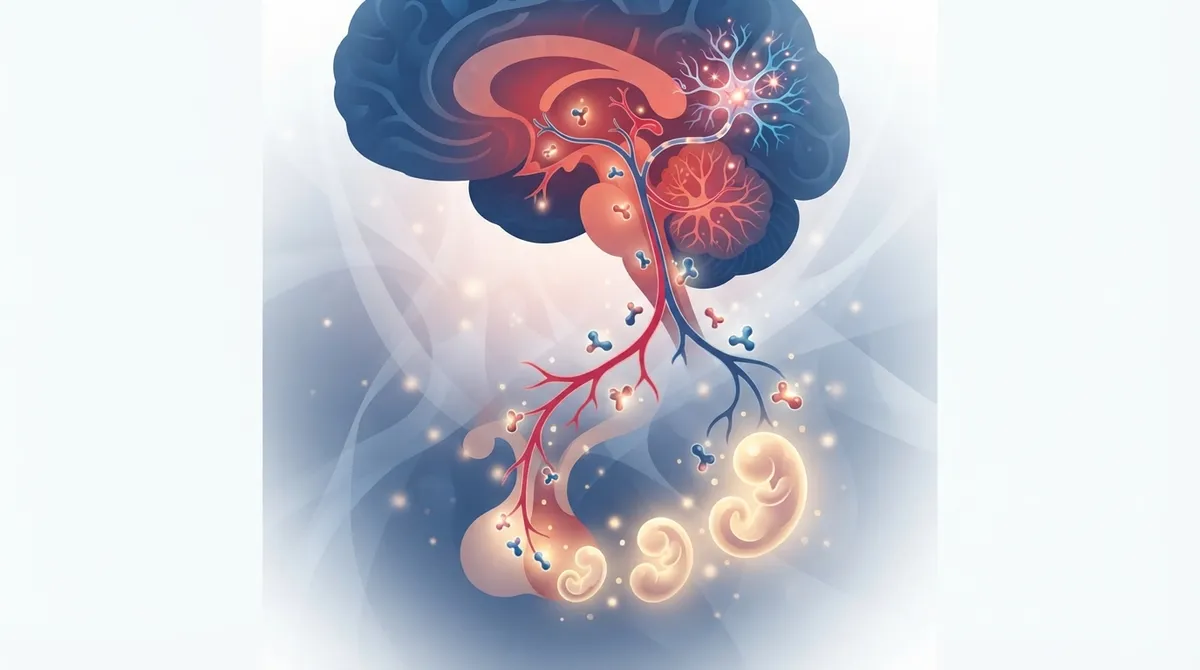
Kisspeptin works by binding to a receptor called KISS1R, also known as GPR54. This receptor sits on special brain cells called GnRH neurons. Once kisspeptin activates these cells, a chain reaction begins that leads to the release of sex hormones. This process is often called the hypothalamic-pituitary-gonadal axis, or HPG axis for short.
How Kisspeptin Triggers the Start of Puberty
Think of kisspeptin as a key that unlocks a door. Once the door opens, the brain sends signals to the pituitary gland. The pituitary gland then tells the ovaries or testes to start making hormones like estrogen and testosterone. This is the biological start of puberty.
Without enough kisspeptin activity, this chain of events may not happen on time. Too much or too early activity may cause puberty to start sooner than expected. This is why researchers are so interested in this pathway.

Kisspeptin and Abnormal Puberty Timing
Puberty timing problems generally fall into two categories. One is puberty that starts too early, called precocious puberty. The other is puberty that starts too late or does not happen at all, called delayed puberty. Kisspeptin signaling may play a role in both conditions.
- Excessive or early kisspeptin signaling may contribute to central precocious puberty
- Reduced kisspeptin signaling may be linked to hypogonadotropic hypogonadism
- Genetic changes in kisspeptin pathways can affect how and when puberty begins
- Body weight, nutrition, and overall health may influence kisspeptin activity
- Environmental and stress factors are also being studied for their effect on this pathway
It is important to know that having abnormal puberty timing does not always mean there is a problem with kisspeptin. Many other factors, including thyroid issues, genetics, and general health, can also affect puberty timing. This is why a full evaluation by a doctor is so important.
Can Kisspeptin Blood Tests Predict Puberty?
This is one of the most common questions parents ask. Right now, the honest answer is not yet, at least not for routine use. Kisspeptin blood levels vary a lot between children. Age, sex, pubertal stage, and even body weight can all affect the results.
A 2025 pilot study looked at kisspeptin levels in girls being evaluated for early puberty. Researchers found levels ranging from 9.9 to 201.6 pg/mL. That is a huge range, which shows how much natural variation exists. This variation makes it hard to use a single blood test to make a diagnosis today.
Why Simple Blood Levels Are Not Enough
Lab testing methods for kisspeptin are still being refined. Different labs may get different results for the same sample. This makes it difficult to set a clear, universal normal range that works for every child.
Because of this, doctors do not rely on a single kisspeptin blood test as a routine part of care. Instead, they use a combination of physical exams, growth charts, and other tests. This gives a much clearer picture of what is happening in a child's body.
The Kisspeptin Stimulation Test: An Emerging Research Tool
Beyond simple blood tests, researchers have been studying something called a kisspeptin stimulation test. This test checks how the brain responds when it is given a dose of kisspeptin. It is still considered investigational, meaning it is not yet part of standard medical care.
The idea behind this test is promising. If a child's brain responds strongly to kisspeptin, it may mean puberty is likely to progress on its own. If the response is weak, it may point to a condition that needs specialist treatment. However, this test is not ready for widespread clinical use.
What the Research Shows So Far
A key study published in the Journal of Clinical Endocrinology & Metabolism in 2020 followed 16 adolescents with delayed or stalled puberty. The group included three girls and 13 boys, ages 13.9 to 17.5 years old.
- Researchers gave each participant a kisspeptin-10 dose based on body weight
- They measured how much the hormone LH increased after the dose
- Participants with an LH increase of at least 0.8 mIU/mL later went through puberty on their own
- Participants with an LH increase of 0.4 mIU/mL or lower had not developed physical signs of puberty by age 18
- The test showed 100% sensitivity and 100% specificity in this small group
These results are exciting, but the study only included 16 people. That is far too small a group to set official medical guidelines. Larger studies are needed before this test could become a standard tool in any clinic, including ours.
Kisspeptin Stimulation Test vs. GnRH Stimulation Test
Parents sometimes ask how a kisspeptin test compares to tests already used in medical practice. The table below breaks down the key differences.
|
Feature |
Kisspeptin Stimulation Test |
GnRH/GnRH-Agonist Test |
|---|---|---|
|
Current Status |
Investigational, research only |
Established clinical test |
|
Availability |
Not widely available |
Available at specialist centers |
|
What It Measures |
LH response to kisspeptin dose |
LH and FSH response to GnRH |
|
Evidence Base |
Small studies, limited sample size |
Decades of clinical use |
|
Use in Primary Care |
Not used in routine visits |
Ordered through specialist referral |
As the table shows, the GnRH stimulation test remains the standard tool for evaluating puberty problems. Kisspeptin testing is a promising area of research, but it has not replaced established methods yet.
Signs of Puberty Timing Problems Parents Should Know
Knowing what to watch for can help you bring up concerns early with your child's doctor. Here are common signs linked to early or delayed puberty.
Signs of Early Puberty (Precocious Puberty)
- Breast development before age 8 in girls
- Testicular enlargement before age 9 in boys
- Rapid height growth at a young age
- Body odor, acne, or pubic hair appearing very early
- Early menstrual periods in girls
Signs of Delayed Puberty
- No breast development by age 13 in girls
- No testicular growth by age 14 in boys
- Absent periods by age 15 or 16 in girls
- Slower than expected growth compared to peers
- Lack of secondary sexual characteristics at expected ages
If your child shows any of these signs, scheduling a visit with a family medicine provider is a good first step. Early evaluation often leads to better outcomes and less anxiety for the whole family.
How Doctors Currently Evaluate Puberty Concerns
Even without routine kisspeptin testing, doctors have reliable tools to check on a child's development. A thorough evaluation usually follows these steps.
- Review of growth charts and growth velocity over time
- Physical exam using Tanner staging to assess development
- Bone age X-ray to compare skeletal age with actual age
- Basal ultrasensitive LH and other hormone blood tests
- Referral to a pediatric endocrinologist if results are unclear
- GnRH or GnRH-agonist stimulation testing at a specialist center if needed
This step-by-step approach helps doctors figure out whether a child's puberty timing is a normal variation or a sign of an underlying condition. Our team can walk families through the first stages of this process and coordinate referrals to trusted specialists when needed.
Treatment Options Based on Diagnosis
Treatment depends entirely on what is causing the puberty timing issue. Kisspeptin itself is not an approved treatment for children with abnormal puberty. Instead, doctors use therapies that have years of safety data behind them.
|
Condition |
Common Treatment Approach |
|---|---|
|
Central Precocious Puberty (progressive) |
Long-acting GnRH agonist therapy |
|
Constitutional Delay of Growth and Puberty |
Observation and monitoring over time |
|
Hypogonadotropic Hypogonadism |
Short courses of sex steroids or gonadotropin therapy |
|
Unclear or Mixed Presentation |
Referral to pediatric endocrinology for further testing |
These treatments are managed by specialists, but your primary care team plays a key role in spotting early warning signs and coordinating care.
Safety Considerations for Kisspeptin Research
Parents naturally want to know if kisspeptin-related treatments are safe. Reviews of human kisspeptin research have not found more side effects compared to placebo groups. No serious kisspeptin-related adverse events have been reported in trials so far.
That said, pediatric safety data and long-term treatment information remain limited. Dosing protocols used in research, such as kisspeptin-10 at about 0.313 micrograms per kilogram, are meant for controlled studies only. These should never be used outside of approved research settings.
Why Whole-Body Wellness Matters During Puberty
Puberty is about more than just hormones. It is a time when nutrition, sleep, physical activity, and mental health all come together to support healthy growth. Our clinics take a whole-body approach to helping families through this stage.
- Regular wellness visits to track growth and development
- Nutrition guidance to support healthy hormone balance
- Screening for related conditions like thyroid problems
- Family-centered annual wellness visits to catch concerns early
- Coordinated referrals when specialist care is needed
Body weight and metabolic health can also influence puberty timing. Our body composition analysis services use advanced imaging to give families a clearer picture of a child's growth pattern over time, which can support conversations with your child's doctor.
When to Seek Specialist Care
Not every puberty question needs a specialist. But some signs mean it is time to ask for a referral right away.
- Breast or testicular development starting well before typical ages
- Rapid, unexplained height growth in a young child
- No signs of puberty by the expected age range for your child's sex
- Family history of early or delayed puberty conditions
- Signs of other hormone problems, such as extreme fatigue or weight changes
If you notice any of these signs, do not wait. A conversation with your primary care physician can start the evaluation process and, if needed, connect your family with pediatric endocrinology specialists in the Tampa Bay area.
How InCare Supports Families Through Growth and Development Concerns
Families in Tampa and Riverview trust InCare for compassionate, evidence-based care at every life stage. Our clinic locations offer same-day scheduling, so you never have to wait long when you have concerns about your child's health.
We combine modern technology with a personal touch. From routine physicals to advanced cancer screenings and DNA gene testing, our providers focus on prevention and long-term wellness for the whole family. Many local families share their experiences and can be found through our patient community on Facebook and Instagram, where we also post helpful health tips and clinic updates.
You can also see what real patients say about their visits by checking out reviews from InCare patients on Google. With a 4.8 out of 5 rating from hundreds of reviews, our Tampa and Riverview teams are known for friendly, attentive care.
Staying Informed as Kisspeptin Research Continues
The science behind kisspeptin and puberty is moving quickly. What seems investigational today may become part of standard care in the coming years. Staying connected with a trusted primary care provider ensures your family gets the most current, evidence-based guidance as new research emerges.
Following credible health sources, such as updates shared on our Tik Tok page, can also help parents stay up to date on wellness topics in a simple, easy-to-understand way.
Taking the Next Step for Your Child's Health
Understanding kisspeptin's role in puberty can help you feel more prepared during doctor visits. While blood tests and stimulation studies are still developing, established tools like growth tracking, physical exams, and specialist referrals remain the gold standard for care today.
If you have questions about your child's growth and development, our team is ready to help. You can reach out to our care team to discuss your concerns, or you can go ahead and schedule an appointment online at our Tampa or Riverview location today.
FAQs
Q: What is kisspeptin and how does it trigger puberty?
A: Kisspeptin is a natural brain chemical that activates GnRH neurons through a receptor called KISS1R. This activation starts a chain reaction that leads the body to produce reproductive hormones, marking the biological beginning of puberty.
Q: Can kisspeptin levels predict when a child will start puberty?
A: Not reliably at this time. Kisspeptin blood levels vary widely based on age, sex, pubertal stage, and body weight, making it difficult to use as a routine predictive tool in current medical practice.
Q: Is kisspeptin testing available for children with delayed puberty?
A: Kisspeptin stimulation testing remains investigational and is not yet part of standard clinical care. Established tests like the GnRH stimulation test are still used by pediatric endocrinologists to evaluate delayed puberty.
Q: What is the difference between kisspeptin testing and a GnRH stimulation test?
A: A kisspeptin stimulation test measures the LH response to a kisspeptin dose and is still research-based. A GnRH stimulation test is an established clinical tool used by specialists to evaluate puberty disorders.
Q: When should a child with early puberty be referred to a pediatric endocrinologist?
A: A referral is typically recommended if breast development occurs before age 8 in girls, testicular enlargement before age 9 in boys, or if growth velocity and bone age suggest progressive early puberty.