Parents often wonder why one child starts puberty at age 10 while another waits until 14. The answer lies in a small but powerful brain molecule called kisspeptin. This hormone acts like a switch, turning on the body's reproductive system at just the right time. Understanding kisspeptin puberty development helps parents and adults recognize normal growth patterns and know when to seek medical advice.
At InCare, our primary care teams in Tampa and Riverview help families understand growth and development concerns. While kisspeptin itself is not a treatment offered in routine primary care, knowing how it works can ease worry and guide better conversations with your doctor. This article breaks down the science in simple terms and explains what steps to take if puberty seems delayed or too early.
What Is Kisspeptin and Why Does It Matter?
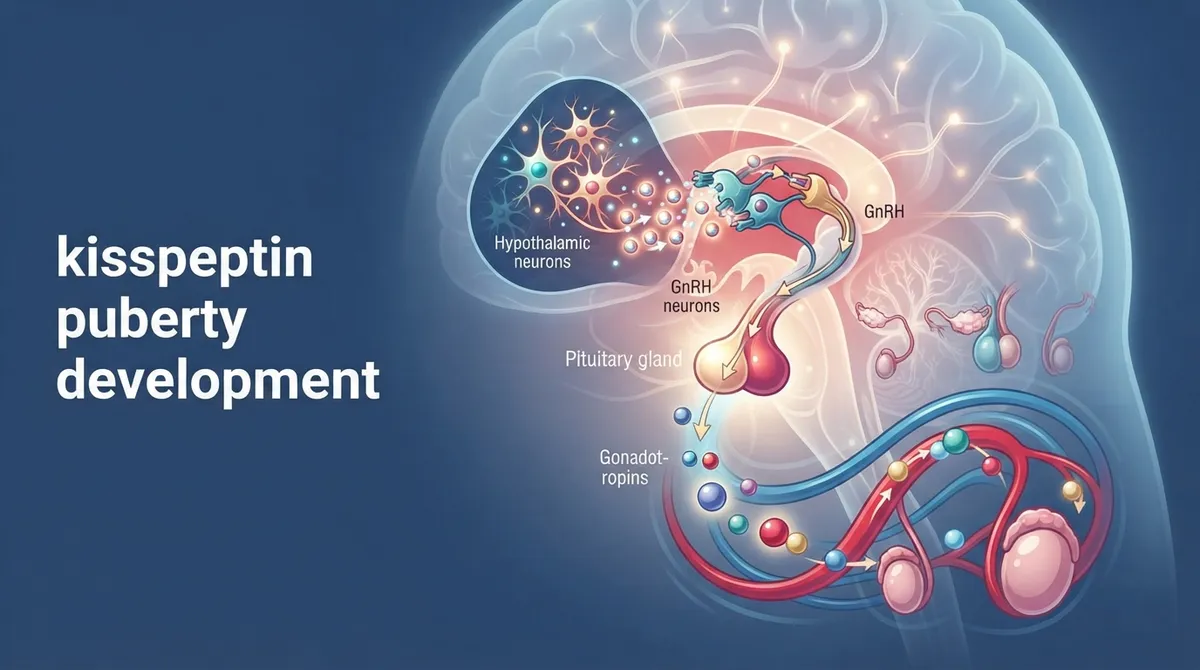
Kisspeptin is a group of proteins made by a gene called KISS1. These proteins send signals to special brain cells that control reproductive hormones. Think of kisspeptin as a key that unlocks the next stage of growth and development in children and teens.
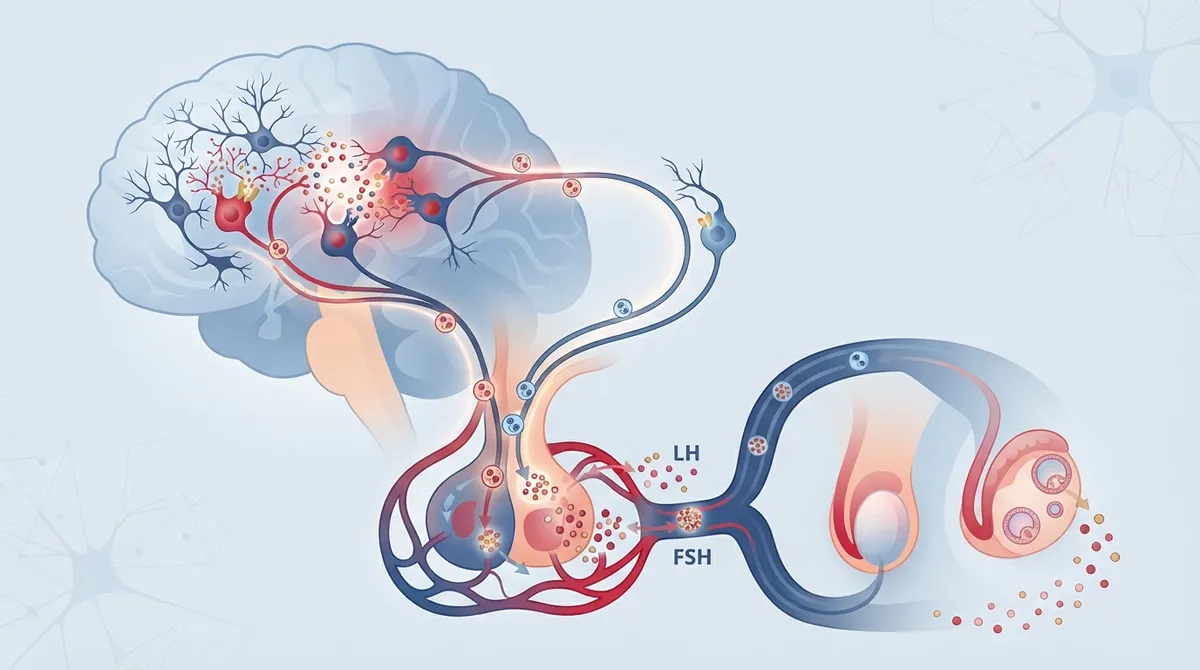
This hormone works by activating a receptor called KISS1R, also known as GPR54. This receptor sits on brain cells that release another hormone called GnRH. Once GnRH is released, it tells the pituitary gland to make two more hormones: LH and FSH. These hormones then signal the ovaries or testes to start producing sex hormones like estrogen and testosterone.
The Simple Chain of Events
Here is how the process unfolds, step by step:
- Kisspeptin signals brain cells to wake up and become active
- These brain cells release GnRH in a pulsing pattern
- GnRH travels to the pituitary gland and triggers LH and FSH release
- LH and FSH reach the ovaries or testes
- The ovaries or testes respond by making estrogen or testosterone
- These sex hormones drive the physical changes of puberty
This entire process is called the hypothalamic-pituitary-gonadal axis. Kisspeptin sits at the very top of this chain, making it one of the most important triggers for puberty.
How Kisspeptin Triggers Normal Puberty Timing
Before puberty begins, kisspeptin signaling stays low. As a child approaches puberty age, the brain increases kisspeptin activity. This boost wakes up the GnRH neurons that had been quiet since infancy.
Research published in a 2025 review in Physiological Reviews describes kisspeptin as one of the most potent known activators of GnRH neurons in the body. This means it plays a central role in starting the entire puberty process, not just a minor supporting part.
Several factors influence when this kisspeptin surge happens, including:
- Genetics passed down from parents
- Body weight and fat stores
- Overall nutrition and diet quality
- Chronic health conditions
- Stress levels and sleep patterns
- Signals from other hormones like leptin
Because so many factors are involved, kisspeptin should be viewed as one piece of a larger puzzle rather than a standalone puberty hormone.
Genetic Conditions Linked to Kisspeptin Problems
Scientists have learned a lot about kisspeptin by studying rare genetic conditions. When the KISS1 or KISS1R genes do not work properly, puberty timing can be seriously affected.
Loss-of-Function Changes
Some children inherit gene changes that reduce kisspeptin activity. These changes are linked to delayed puberty or a complete absence of puberty. Without enough kisspeptin signaling, the GnRH neurons never fully wake up, and the reproductive system stays inactive.
Gain-of-Function Changes
Other gene changes cause kisspeptin signaling to become too active too soon. These changes have been connected to central precocious puberty, where children begin puberty much earlier than expected. This human genetic evidence confirms that kisspeptin plays a direct and measurable role in puberty timing.
|
Genetic Change Type |
Effect on Kisspeptin Signaling |
Possible Outcome |
|---|---|---|
|
Loss-of-function variant |
Reduced activity |
Delayed or absent puberty |
|
Gain-of-function variant |
Increased activity |
Central precocious puberty |
|
Normal gene function |
Typical activity |
Puberty at expected age |
Can Kisspeptin Testing Predict Puberty Outcomes?
One of the more promising areas of research involves using kisspeptin to help predict whether delayed puberty will resolve on its own. This is called constitutional delay of growth and puberty, and it is different from a more serious condition called persistent hypogonadotropic hypogonadism.
A study reported in the Journal of the Endocrine Society followed 16 young people with delayed or stalled puberty. Researchers gave them a kisspeptin stimulation test and measured how much their LH levels rose in response.
Key Findings from the Research
The results were striking, though based on a small sample:
- Eight participants with an LH rise of at least 0.8 mIU/mL went on to progress through puberty normally
- All eight participants with an LH response of 0.4 mIU/mL or lower did not show physical pubertal development during follow-up
- The test showed 100 percent sensitivity and specificity in this small group
- The 95 percent confidence interval ranged from 74 percent to 100 percent
The study included only 3 girls and 13 boys, which highlights how limited this research still is. Larger studies are needed before this test becomes standard practice. For now, the kisspeptin stimulation test remains investigational and is not something offered in routine primary care visits.
Is Kisspeptin an Approved Puberty Treatment?
Many parents ask whether kisspeptin can be given as a treatment to start puberty. The honest answer is no. Kisspeptin administration has mainly been studied in research settings to evaluate hormone responses and diagnose delayed puberty.
It is not an approved or established treatment for inducing normal puberty in children or teens. Clinical trials involving kisspeptin have focused on adolescents around 12 to 17 years old, but these studies remain diagnostic tools rather than proven therapies.
This distinction matters a great deal. Families should be cautious of any product or clinic claiming to offer kisspeptin as a puberty booster or wellness supplement. No such treatment has been approved for general use, and self-treatment carries real risks.
How Primary Care Evaluates Puberty Concerns
When a child shows signs of delayed or early puberty, primary care doctors follow a careful, step-by-step evaluation process. This approach helps identify the cause and decide whether specialist care is needed.
Standard Evaluation Steps
- Review growth charts and height patterns over time
- Perform Tanner staging to assess physical development
- Take a full medical and family history
- Check nutritional status and body weight trends
- Screen for chronic illnesses that may affect hormones
- Order appropriate blood tests to check hormone levels
- Refer to pediatric endocrinology if results suggest a deeper issue
This process reflects the kind of comprehensive primary care that families need when facing growth and development questions. A thorough workup catches problems early and avoids unnecessary worry when growth patterns are simply within a normal range.
Factors That Influence Kisspeptin and Puberty Timing
Kisspeptin does not work alone. Many lifestyle and health factors shape how and when this hormone becomes active. Recognizing these factors can help families support healthy development.
|
Factor |
Effect on Kisspeptin Signaling |
|---|---|
|
Body weight and fat stores |
Very low or very high body fat can delay puberty onset |
|
Chronic illness |
Ongoing health conditions can suppress hormone signaling |
|
Nutrition quality |
Poor nutrition may slow the normal kisspeptin surge |
|
Stress levels |
High stress can disrupt hormone pulses |
|
Leptin signaling |
Works alongside kisspeptin to link body fat and puberty timing |
|
Neurokinin B |
Another brain signal that works with kisspeptin neurons |
Because these factors overlap, a child with delayed puberty may need DNA gene testing or nutritional evaluation as part of a full workup. Understanding the whole picture, not just one hormone, leads to better answers for families.
When Should You See a Pediatric Endocrinologist?
Not every child with unusual puberty timing needs to see a specialist right away. However, certain warning signs call for a referral to pediatric endocrinology rather than a wait-and-see approach.
Signs That Warrant Specialist Referral
- No signs of puberty by age 13 in girls or age 14 in boys
- Puberty signs appearing before age 8 in girls or age 9 in boys
- Puberty that starts but then stalls or stops progressing
- Height growth that does not match expected patterns
- Family history of reproductive hormone disorders
- Signs of an underlying chronic illness affecting growth
Primary care providers play a key role in catching these signs early. Regular wellness visits and open communication with your family doctor make it easier to spot problems before they become bigger concerns. If you are unsure whether your child's development falls within a normal range, our team can help guide the next steps.
Why Choose InCare for Family Health Concerns
Growth and development questions deserve careful, personalized attention. At InCare, our providers, including Pramjeet Ahluwalia, MD, and Teshy John, MD, bring years of experience to every family visit. We combine modern technology with a caring, patient-first approach at both our Tampa and Riverview locations.
Whether you need a routine check on your child's growth or want to discuss family primary care options, our clinics are equipped to help. We also offer services like body composition analysis that can support a fuller picture of a child's or teen's overall health during growth years. Many families in our community have shared their experiences, and you can read InCare reviews on Google to see what other patients say about our care.
Our team stays connected with patients beyond the exam room too. Follow along and see health tips on Facebook, check out wellness content on Instagram, or catch quick health facts on TikTok. These channels give families another way to stay informed about primary care and wellness topics between visits.
Moving Forward with Confidence
Kisspeptin puberty development is a fascinating area of medical science that continues to grow each year. While kisspeptin testing and treatment remain research tools rather than everyday clinical options, understanding this hormone helps families feel more informed and less anxious about normal variations in growth.
If you have concerns about your child's puberty timing or want a thorough health evaluation, our providers are ready to listen and guide you through the next steps. You can also see what our InCare patients say about their visits by checking out our InCare location on Google. Do not wait to get answers about your family's health concerns. Reach out to our team today to schedule a visit and get the personalized care your family deserves.
FAQs
Q: What is kisspeptin and how does it trigger puberty?
A: Kisspeptin is a hormone made by the KISS1 gene that activates brain cells controlling reproductive hormones. It wakes up GnRH neurons, which then trigger LH and FSH release, starting the physical changes of puberty.
Q: Can kisspeptin testing predict whether delayed puberty will resolve naturally?
A: Small studies suggest kisspeptin stimulation testing may help distinguish self-limited delay from more persistent hormone problems. However, this test remains investigational and is not yet used in routine primary care.
Q: Is kisspeptin approved as a treatment for delayed puberty?
A: No, kisspeptin is not an approved treatment for inducing puberty. It has mainly been studied in research settings to evaluate hormone responses, and self-treatment with kisspeptin products is not recommended.
Q: When should a child with early or delayed puberty be referred to a pediatric endocrinologist?
A: Referral is often needed if there are no puberty signs by age 13 in girls or 14 in boys, or if signs appear before age 8 in girls or 9 in boys. Stalled puberty progression or unusual growth patterns also warrant specialist evaluation.
Q: Can nutrition, body weight, or stress affect kisspeptin signaling and puberty timing?
A: Yes, factors like body fat levels, chronic illness, poor nutrition, and high stress can all influence when kisspeptin signaling increases. These factors work alongside genetics to shape the timing of puberty.