Key Takeaways
- Most oral glutathione supplements fail to reach your bloodstream effectively because digestive enzymes break down the molecule before absorption, with some studies showing even 3,000 mg doses produce no meaningful increase in blood glutathione levels.
- Liposomal and micellar formulations show promise for better absorption than standard capsules in small studies, but larger independent trials are needed before firm conclusions can be drawn about their effectiveness.
- Raising measurable glutathione levels in blood does not guarantee health benefits; current evidence does not strongly support claims that glutathione supplementation prevents aging, treats chronic disease, or provides reliable detoxification.
- IV glutathione bypasses digestive breakdown but carries real risks including allergic reactions, potential liver injury, and infection, making medical supervision essential and cosmetic IV use without oversight potentially dangerous.
- Your body naturally produces glutathione from cysteine, glutamate, and glycine; cysteine availability is often the limiting factor, so diet quality, sleep, and stress management significantly influence natural glutathione production.
- N-acetylcysteine (NAC) sidesteps absorption problems by providing cysteine as a building block for your body's own glutathione synthesis, making it a potentially more effective approach than direct supplementation.
Glutathione has become one of the most talked-about supplements in wellness circles. Patients ask about it during check-ups. Social media claims it can clear skin, slow aging, and boost energy. But here's the catch: not all glutathione products actually reach your bloodstream in a useful form. This gap between what you take and what your body actually absorbs is called glutathione bioavailability, and it's the single biggest factor separating hype from real results.
If you're considering glutathione supplements, IV therapy, or just want to understand your body's natural antioxidant defenses better, this guide breaks down what the science actually shows. We'll cover oral pills, liposomal formulas, sublingual drops, and IV options, along with the honest limitations of each. At InCare, our providers in Tampa and Riverview help patients separate wellness trends from evidence-based care, so you can make informed decisions about your health.
What Is Glutathione Bioavailability?
Glutathione (GSH) is a small molecule your body makes naturally. It's built from three amino acids: glutamate, cysteine, and glycine. This tripeptide plays a major role in cellular defense, helping neutralize harmful compounds and support your immune system.
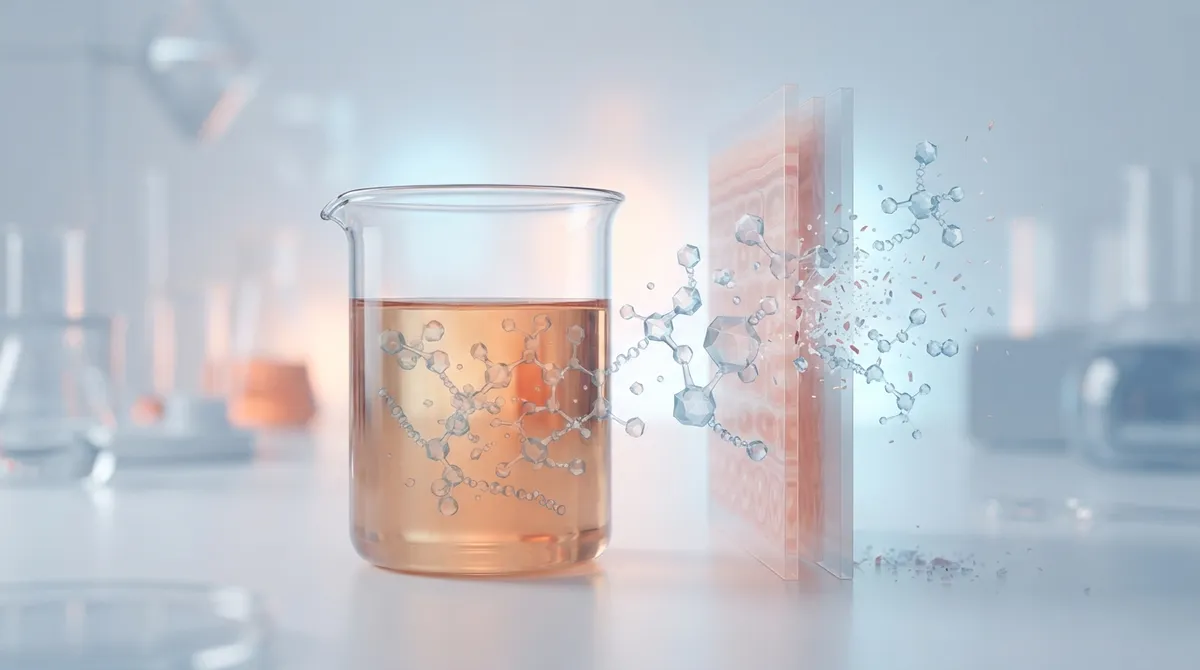
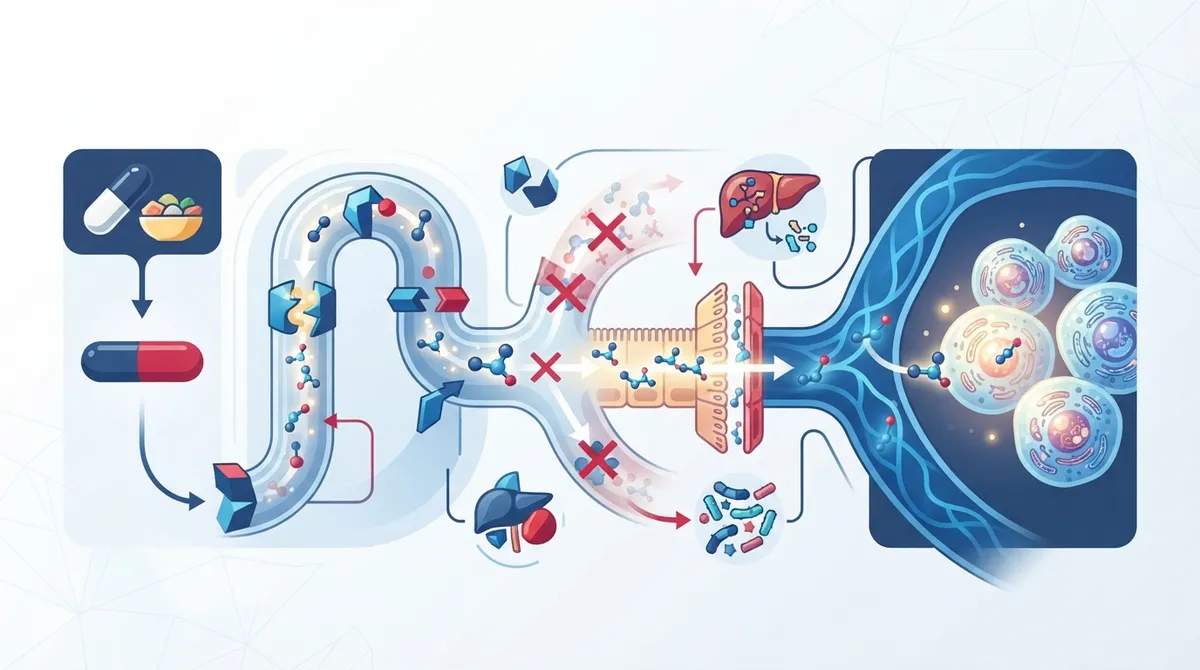
Bioavailability simply means how much of a supplement actually makes it into your bloodstream and tissues in an active, usable form. You can swallow a large dose of glutathione, but if your digestive system breaks it down before it's absorbed, most of that dose never does anything useful.
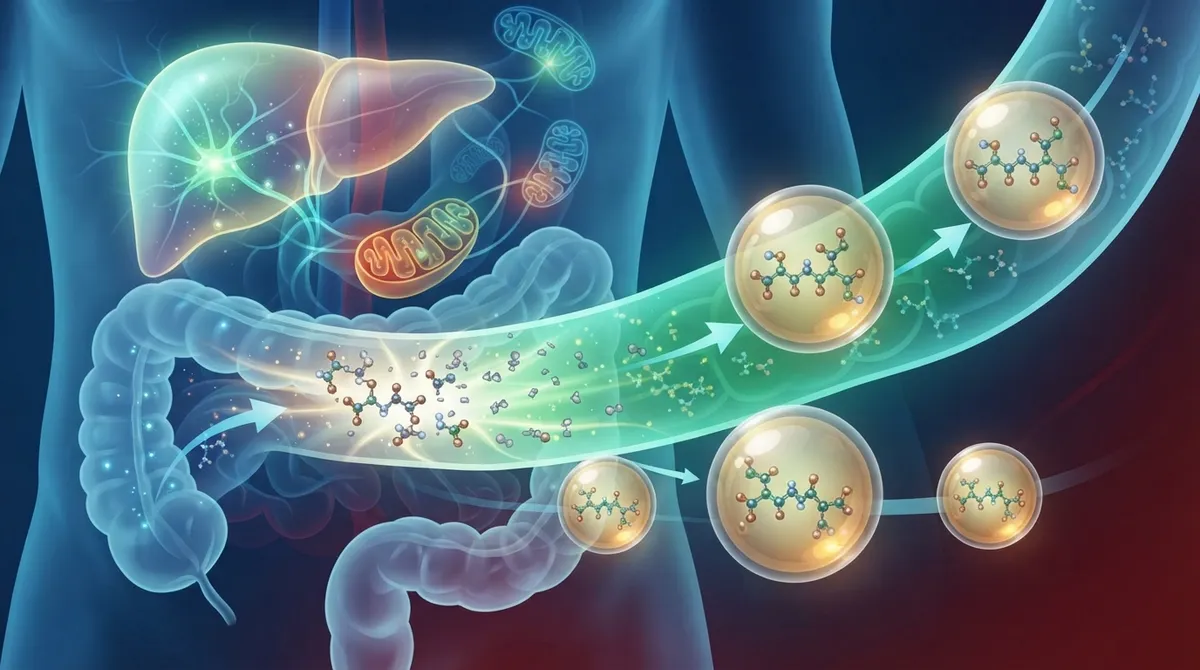
This is where things get tricky. The gut is full of enzymes that break glutathione apart before it can enter circulation. That means oral supplements face a steep uphill battle compared to other methods of delivery.
Why the Body Struggles to Absorb Oral Glutathione
Several barriers block glutathione from being absorbed efficiently:
- Stomach acid and digestive enzymes break down the tripeptide structure before absorption
- Enzymes in the gut lining, especially gamma-glutamyl transpeptidase, degrade glutathione rapidly
- The liver metabolizes and clears glutathione quickly once it enters the bloodstream
- Oxidation can occur during storage or digestion, reducing the active form available
- Individual differences in gut health and enzyme activity affect absorption rates
A 2022 review highlighted just how poor oral absorption can be, noting that even a single 3,000 mg dose failed to produce a meaningful rise in blood glutathione levels for some patients. This doesn't mean oral glutathione is useless, but it does mean dosing and formulation matter enormously.

Does the Body Make Its Own Glutathione?
Yes, and this is important context. Your body synthesizes glutathione internally using cysteine, glutamate, and glycine. Cysteine availability is often the limiting factor in how much glutathione your cells can produce.
This means your blood glutathione levels aren't determined only by what you eat or supplement with. Diet, sleep, stress, and overall metabolic health all influence your body's natural production. Some patients interested in whole-body optimization ask about DNA gene testing to understand their unique genetic factors that may affect antioxidant pathways and detoxification capacity.
Comparing Glutathione Delivery Methods
Not all glutathione products are created equal. Here's how common formulations compare based on current research.
|
Delivery Method |
Absorption Notes |
Evidence Level |
|---|---|---|
|
Standard Oral Capsules |
Poor absorption; broken down in gut before reaching bloodstream |
Mixed; some trials show modest increases, others show none |
|
Liposomal Oral |
Fat-based coating may protect molecule through digestion |
Small pilot studies show promise; needs larger trials |
|
Micellar Formulation |
Reported higher systemic exposure in small human study |
Preliminary; formulation-specific results |
|
Sublingual Drops |
Bypasses some digestive breakdown via oral mucosa |
Limited independent clinical data |
|
Intravenous (IV) |
Bypasses digestion entirely, direct bloodstream delivery |
Not a routine wellness treatment; requires medical supervision |
It's worth noting there is no single, universally accepted bioavailability percentage that applies to all products. Claims like "80% absorption" or "90% bioavailable" are not supported by the broader research base and often depend heavily on the specific formulation tested.
What the Research Actually Shows
Clinical evidence on glutathione supplementation is mixed, and understanding the details matters more than headline claims.
- A six-month randomized, double-blind, placebo-controlled trial involving 54 nonsmoking adults tested oral glutathione at 250 mg and 1,000 mg per day. Both doses increased glutathione stores across several blood-cell and plasma compartments over the study period.
- An earlier short-term clinical trial from 2011 found no significant improvement in glutathione status or oxidative-stress markers after supplementation, showing how results can vary based on study design and duration.
- A 2017 pilot study on liposomal glutathione reported increased body glutathione stores in as little as one week at doses of 500 mg and 1,000 mg daily. However, this was a small study not designed to prove disease-specific benefits.
- A 2025 formulation study found native glutathione had roughly 0.7% oral bioavailability in an experimental model, while a chemically modified version reached about 11.3%. These figures came from lab conditions and shouldn't be applied directly to commercial supplements or general human use.
- A recent small trial on a micellar glutathione product found roughly 2.49-fold greater systemic exposure compared to a standard preparation, with no significant changes in liver or kidney markers after 30 days of use.
These findings show that formulation truly matters, but they also highlight how preliminary much of this research remains. Larger, independent studies are still needed before firm conclusions can be drawn about long-term health benefits.
Higher Blood Levels Don't Always Mean Better Health
This is one of the most important points for patients to understand. Some studies show that certain formulations raise measurable glutathione levels in blood or tissue. That's a real, measurable outcome. But raising a lab value is not the same as proving a health benefit.
Right now, there isn't strong evidence that glutathione supplementation prevents aging, treats chronic disease, or provides reliable whole-body detoxification. Marketing claims often outpace what clinical trials have actually demonstrated. This distinction matters when you're deciding whether a product is worth the cost.
Is IV Glutathione Safe for Wellness or Skin Lightening?
IV glutathione bypasses the digestive system entirely, which does solve the absorption problem. However, this doesn't mean it's automatically safe or appropriate for casual wellness use.
Cosmetic or unsupervised IV glutathione, particularly for skin lightening purposes, carries real risks that patients should understand:
- Allergic reactions during or after infusion
- Potential liver injury with repeated or high-dose use
- Infusion-related complications like infection at the injection site
- Contamination risks from poorly regulated or unlicensed products
- Lack of long-term safety data for cosmetic applications specifically
At InCare, our IV hydration and vitamin drip services are administered under medical supervision, with providers who can evaluate whether a treatment fits your health profile. This is very different from unregulated IV bars offering glutathione for cosmetic purposes without proper medical oversight.
Who Should Be Cautious About Glutathione Supplementation?
Certain groups should always consult a physician before starting any glutathione regimen, whether oral or IV.
- Pregnant or breastfeeding individuals, since safety data in these populations is limited
- Patients currently receiving chemotherapy, due to potential interactions with treatment
- Anyone managing liver or kidney disease, since these organs process and clear glutathione
- Patients on multiple medications who haven't discussed supplement interactions with their doctor
- Individuals considering high-dose IV therapy without medical supervision
Disclosing all supplements, especially IV treatments, to your primary care provider is essential. This allows your doctor to monitor for interactions and ensure any treatment plan fits your overall health picture.
How to Approach Glutathione Supplementation Wisely
If you're curious about glutathione, here's a practical, step-by-step approach grounded in what the evidence actually supports.
- Start with a conversation with your primary care provider about your health goals and current medications
- Ask about baseline lab work to understand your liver function and overall metabolic health
- Research the specific formulation you're considering, since oral, liposomal, and IV products behave very differently
- Set realistic expectations based on small-study evidence rather than marketing claims
- Monitor how you feel and request follow-up labs if you pursue supplementation long-term
- Prioritize whole-body nutrition and lifestyle factors that support your body's natural glutathione production
Foods rich in sulfur-containing amino acids, like cruciferous vegetables, may support your body's own cysteine availability. Combined with good sleep and stress management, this natural approach often works alongside any supplementation strategy your provider recommends.
The Role of NAC and Other Precursors
N-acetylcysteine (NAC) is sometimes discussed as a way to support the body's own glutathione production, since cysteine is often the rate-limiting ingredient. Rather than supplying glutathione directly, NAC provides a building block your cells can use.
This approach sidesteps the absorption problem entirely, since your body handles the final assembly. However, like all supplements, NAC should be discussed with a healthcare provider, particularly if you're managing existing health conditions or taking other medications.
Why Personalized Guidance Matters
Glutathione bioavailability isn't a one-size-fits-all topic. Your gut health, liver function, genetics, and overall metabolic state all influence how your body handles any supplement, glutathione included. This is exactly why a personalized approach through primary care makes more sense than following generic wellness trends found online.
InCare providers, including our experienced physicians at Naveen Paddu MD and Pramjeet Ahluwalia MD, take time to review your full health history before recommending any wellness intervention. This means fewer wasted dollars on products that won't work for your body and safer decisions overall.
Our clinics in Tampa and Riverview also offer body composition analysis and metabolic breath analysis, giving patients a clearer picture of their overall metabolic health before deciding whether antioxidant support supplements make sense for their goals.
Frequently Discussed Concerns About Glutathione Products
Patients often want to know how long it takes to see results, whether cheaper products work as well as premium ones, and how to spot quality supplements. The honest answer is that product quality varies significantly, and glutathione itself is prone to oxidation if stored or handled poorly. This is why lab measurements can be sensitive to how a sample was collected and stored, adding another layer of complexity to interpreting any at-home test results.
Many patients also follow wellness clinics and health educators on social platforms like Instagram and TikTok for quick tips, but these should never replace a one-on-one conversation with a licensed provider who knows your medical history.
Take the Next Step Toward Informed Wellness
Glutathione bioavailability is a genuinely complex topic, and the science is still evolving. What's clear is that formulation, dosing, and individual health factors all play a role in whether a product actually delivers measurable benefits. Rather than guessing based on marketing claims, the smartest approach is working with a provider who can evaluate your specific situation.
InCare's team in Tampa and Riverview combines advanced diagnostic tools with genuine medical expertise to help you make informed choices about wellness treatments, including glutathione, IV therapy, and other antioxidant support options. Our patients consistently praise the personalized attention they receive, and you can follow our Facebook page for ongoing health tips and clinic updates, or visit us on Google — InCare to read what our patients are saying.
Ready to talk with a provider about whether glutathione supplementation or IV therapy fits your health goals? Book Now to schedule your consultation, or reach out to our team with any questions about our wellness and primary care services.
FAQs
Q: What is glutathione bioavailability?
A: Glutathione bioavailability refers to how much of a supplemental dose actually reaches your bloodstream and tissues in an active, usable form. Standard oral glutathione faces significant breakdown in the digestive system, meaning much of the dose never becomes biologically active.
Q: Is oral glutathione absorbed effectively?
A: Conventional oral glutathione has limited absorption due to gastrointestinal breakdown and rapid liver metabolism. Some studies show modest increases in blood glutathione stores with consistent daily dosing, while other trials found no significant change, highlighting how inconsistent the evidence remains.
Q: Are liposomal glutathione supplements more bioavailable than capsules?
A: Small pilot studies suggest liposomal formulations may achieve better systemic uptake than standard capsules, with one study showing increased glutathione stores after just one week. However, these findings come from limited research and require larger, independent trials to confirm.
Q: Is intravenous glutathione safe for wellness or skin lightening?
A: IV glutathione bypasses digestive absorption, but it is not a routine primary care treatment and carries real risks, including allergic reactions and potential liver injury. Cosmetic or unsupervised IV use should always be discussed with a licensed medical provider before starting.
Q: Can foods or supplements like NAC increase the body's glutathione levels?
A: Yes, N-acetylcysteine (NAC) provides cysteine, which is often the rate-limiting building block for your body's natural glutathione production. This approach supports your body's own synthesis process rather than relying on absorption of glutathione directly.