
Key Takeaways
- Topical signal peptides in serums show moderate evidence for reducing wrinkle depth and improving skin hydration, with serums outperforming creams; however, results vary by formulation and independent replication is still needed.
- Oral collagen peptides have the strongest practical evidence among peptide products for modest improvements in skin hydration, elasticity, and wrinkle appearance, though quality varies widely between brands.
- Injectable peptides like BPC-157, epitalon, and CJC-1295 lack FDA approval and sufficient human safety data; unregulated versions carry serious risks including sterility issues, contamination, and unknown long-term hormonal effects.
- Proven anti-aging fundamentals—daily sunscreen, quality sleep, exercise, balanced diet, smoking cessation, and retinoids—remain more effective than most peptide products and should form the foundation of any skin aging strategy.
Search "best peptides for anti aging" and you will find thousands of products promising smoother skin and a younger face. Some claims are backed by real science. Many are not. If you are trying to sort fact from marketing hype, you are not alone.
At InCare, our providers see this question often, whether patients are asking about a skincare serum or an injectable peptide they found online. This guide breaks down what the research actually shows, so you can make an informed choice with your primary care team instead of guessing based on social media trends.
What Does "Anti-Aging Peptide" Actually Mean?
The phrase covers three very different categories. Each one has its own level of evidence, safety data, and regulatory status. Mixing them up leads to confusion and, sometimes, wasted money or health risks.
- Topical cosmetic peptides. These go into creams and serums applied to the skin. They are meant to support collagen signaling and reduce the look of fine lines.
- Oral collagen peptides. These are supplements you swallow, usually as powders or capsules, aimed at improving skin hydration and elasticity from the inside.
- Injectable or systemic peptides. These include compounds like epitalon, BPC-157, and CJC-1295, often marketed online as longevity treatments. This category is investigational and lacks strong human safety data.
Understanding which category a product falls into is the first step toward making a smart, safe decision about your skin and overall health.

Topical Signal Peptides: The Most Studied Category
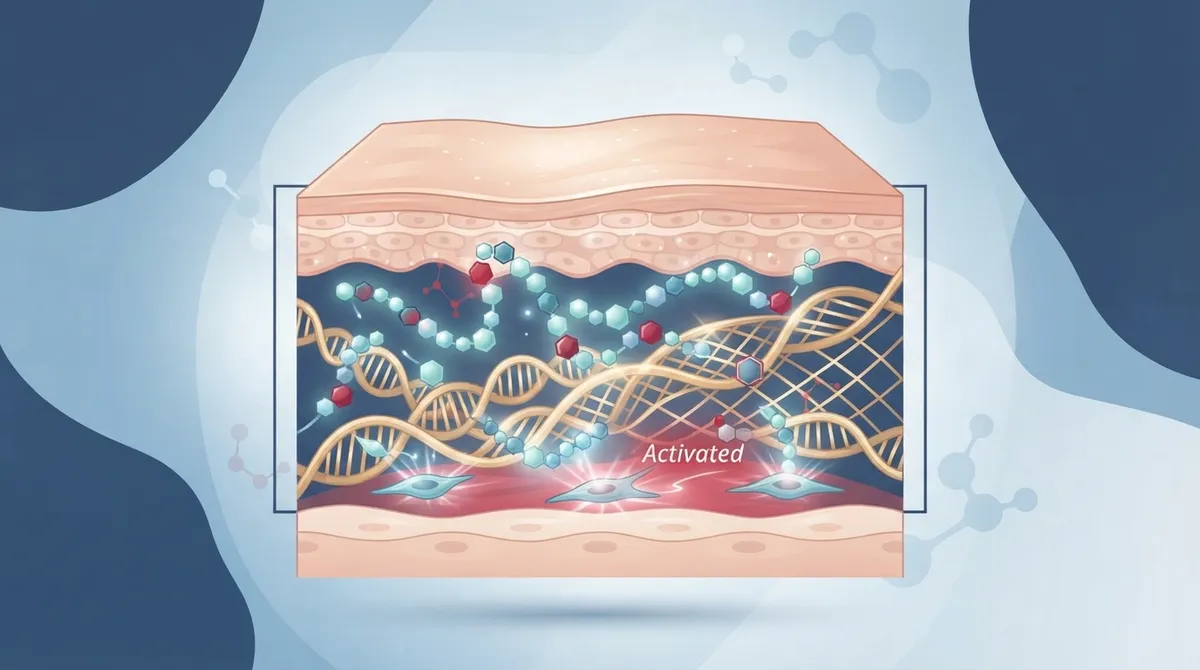
Signal peptides, including palmitoyl pentapeptide-4 and related matrikines, are designed to send messages to skin cells. The goal is to support the extracellular matrix, the scaffolding that keeps skin firm and hydrated.
A 2024 dermatology conference meta-analysis reviewed 16 randomized controlled trials from 1995 to 2023. It found real improvements in skin hydration and wrinkle depth. Signal peptides showed the strongest result for wrinkle depth, with minimal adverse effects reported.
That said, the same analysis combined many different peptides, formulations, and study designs. This makes it hard to say every product on the shelf will work the same way. Independent replication and longer trials are still needed before firm conclusions can be made.
Serums vs. Creams: Does Formulation Matter?
Interestingly, the vehicle carrying the peptide seems to matter. The 2024 meta-analysis found that serums produced a bigger hydration boost than creams, lotions, or gels. This does not mean serums reverse biological aging. It simply means the formulation affects how well the peptide penetrates and performs on the surface of the skin.
|
Peptide Category |
Evidence Strength |
Typical Use |
FDA-Approved for Anti-Aging? |
|---|---|---|---|
|
Topical signal peptides |
Moderate, limited trials |
Serums, creams |
No |
|
Copper peptide (GHK-Cu) |
Preclinical and cosmetic use data |
Topical serums |
No |
|
Neurocosmetic peptides (AHP-8) |
Modest, short-term effects |
Wrinkle-relaxing creams |
No |
|
Oral collagen peptides |
Strongest practical evidence |
Powders, capsules |
No (dietary supplement) |
|
Injectable peptides (BPC-157, epitalon, etc.) |
Preclinical, insufficient human data |
Injections |
No |
Copper Peptide (GHK-Cu): Promise Without Proof of Injectable Use
Copper tripeptide, known as GHK-Cu, shows up in many skincare lines. Laboratory studies suggest it may influence collagen-related pathways and support wound repair. Some cosmetic-use studies back modest skin remodeling benefits.
However, this evidence applies mainly to topical use. Injected or systemic GHK-Cu marketed as a longevity treatment does not have enough human evidence to support those claims. It is not an FDA-approved anti-aging therapy, and patients should treat those claims with caution.
Neurocosmetic Peptides: The "Botox-Like" Marketing Claim
Acetyl hexapeptide-8, often sold under the name Argireline, and pentapeptide-18 are marketed as noninvasive alternatives to botulinum toxin injections. The idea is that these peptides relax facial muscles to soften expression lines.
In reality, any wrinkle reduction from these ingredients tends to be modest and temporary. It does not match the results seen with prescription botulinum toxin. If you are comparing options, it helps to evaluate the full product formulation rather than relying on the peptide name alone.
Oral Collagen Peptides: The Strongest Practical Evidence
Among all peptide-based wellness products, oral hydrolyzed collagen peptides have the best track record for measurable, if modest, benefits. Multiple studies point to improvements in:
- Skin hydration and moisture retention
- Skin elasticity over several weeks of use
- The visible appearance of fine wrinkles
- Overall skin texture in some study groups
These products are supplements, not FDA-approved drugs. Quality varies widely between brands. Dose, source of collagen, and allergy considerations all matter. If you have food allergies or sensitivities, talk with your primary care provider before starting a new supplement routine.
Injectable Peptides: Why Primary Care Providers Urge Caution
Peptides like epitalon, BPC-157, TB-500, CJC-1295, and ipamorelin get a lot of attention online for supposed anti-aging and longevity benefits. The reality is less exciting from a safety standpoint.
These compounds lack adequate high-quality human trials for routine anti-aging use. None are FDA-approved for these indications. Unregulated compounded or research-use products can carry serious risks, including:
- Sterility problems that raise infection risk
- Inconsistent potency between batches
- Contamination from poor manufacturing practices
- Mislabeled ingredients or dosages
- Unknown long-term effects on organs and hormones
If you are curious about peptide therapy for reasons beyond cosmetic skin concerns, it is worth learning more about how peptide therapy works under medical supervision before considering any unregulated source.
How Should You Evaluate an Anti-Aging Peptide Product or Program?
Whether you are looking at a serum, a supplement, or something more invasive, a few steps can protect your health and your wallet.
- Check the evidence category. Is it a topical cosmetic, an oral supplement, or an injectable? Each has different safety and evidence standards.
- Look for placebo-controlled studies. A systematic review of peptide cosmetics found only 6 of 15 studies used a placebo control, and only 5 used double-blinding. Sparse evidence should temper big promises.
- Ask about FDA status. A 2024 review confirmed that neither topical peptides nor topical exosomes had FDA approval as therapeutic skin-rejuvenation products.
- Review your medications and health history. Some supplements and peptides can interact with prescriptions or underlying conditions.
- Talk to a licensed provider. A qualified healthcare provider can help you set realistic expectations and screen for contraindications.
What Causes Premature Skin Aging Besides Lack of Peptides?
Peptides do not replace diagnosis or treatment of medical causes behind early skin aging. Several underlying issues can accelerate visible aging and deserve a proper medical evaluation:
- Nutritional deficiencies affecting skin repair
- Endocrine or thyroid disease
- Side effects from certain medications
- Chronic inflammation linked to other health conditions
- Long-term, unprotected ultraviolet exposure
A thorough annual wellness visit can help identify these root causes. Addressing them often does more for your skin and overall health than any peptide serum alone.
Building a Realistic Anti-Aging Plan With Your Primary Care Team
A trustworthy approach to skin aging starts with proven basics, not trendy shortcuts. Consider these foundational steps before adding any peptide product to your routine:
- Daily broad-spectrum sunscreen use, rain or shine
- Smoking cessation, since smoking accelerates collagen breakdown
- Consistent, quality sleep to support skin repair
- Regular exercise to support circulation and metabolic health
- A balanced diet rich in protein, vitamins, and antioxidants
- Evidence-based topical retinoids when appropriate for your skin type
- Management of chronic conditions like diabetes or thyroid disease
These measures are backed by decades of research, unlike many peptide products still in early study phases. Our team at InCare can help you build a plan that fits your lifestyle and health history, whether you are exploring body composition analysis or DNA gene testing to better understand your unique aging factors.
Why a Medical Evaluation Matters Before Trying Peptides
Peptide marketing often skips over one key detail: your body is unique. A serum or supplement that works well for one person may do little for another. An honest evaluation from a licensed provider helps set realistic expectations and catch any red flags early.
At our Tampa and Riverview locations, InCare providers take time to review your full health picture, not just your skin concerns. This includes checking for underlying conditions that could be driving visible aging, reviewing current medications, and discussing which categories of peptides, if any, make sense for your goals. We also offer complementary wellness services like IV hydration and vitamin drips that support skin health from the inside out.
Many patients appreciate seeing real feedback from others in the community. You can visit us on Google — InCare to read reviews from patients across Tampa and Riverview who have worked with our team on wellness and preventive care goals.
Staying Informed Beyond the Clinic Visit
Peptide research changes quickly, and separating solid science from social media hype takes ongoing effort. Following trusted health organizations and clinical sources can help you stay current. You can also follow InCare on Facebook, Instagram, and TikTok for wellness tips and updates on services relevant to skin health and preventive care.
Final Thoughts on Choosing Anti-Aging Peptides Wisely
Topical signal peptides and oral collagen peptides offer the most reasonable, evidence-supported options for anyone interested in the cosmetic side of anti-aging care. Injectable peptides marketed for longevity remain investigational and carry real safety concerns when purchased outside a regulated medical setting.
The strongest anti-aging strategy still combines proven basics, like sunscreen and healthy habits, with guidance from a provider who knows your full health history. If you want to talk through your options with a team that puts your safety first, reach out to our care team or schedule your visit today at InCare in Tampa or Riverview.
FAQs
Q: What are the best peptides for wrinkles and skin aging?
A: Topical signal peptides, such as palmitoyl pentapeptide-4, currently have the strongest research support for reducing the look of fine lines and wrinkles. Oral collagen peptides also show modest, consistent benefits for skin hydration and elasticity. Injectable longevity peptides lack sufficient evidence and are not recommended for cosmetic anti-aging use.
Q: Are copper peptides effective and safe for anti-aging?
A: Topical copper peptide, known as GHK-Cu, has laboratory and cosmetic-use evidence suggesting benefits for skin remodeling and wound repair. However, injected or systemic GHK-Cu for anti-aging is not backed by sufficient human evidence and is not FDA-approved for that purpose.
Q: Do collagen peptides really improve skin elasticity and wrinkles?
A: Oral hydrolyzed collagen peptides have the strongest practical evidence among peptide wellness products for modest improvements in hydration, elasticity, and wrinkle appearance. Results vary based on product quality, dosage, and individual factors, so consistency and realistic expectations matter.
Q: Are injectable peptides such as BPC-157, epitalon, or CJC-1295 FDA approved for anti-aging?
A: No. These peptides are not FDA-approved for anti-aging or longevity use. Available research is mostly preclinical or based on small human studies, and long-term safety data remains limited.
Q: What are the risks of buying peptides online or from a compounding clinic?
A: Unregulated peptide products can suffer from sterility issues, inconsistent potency, contamination, and mislabeling. Long-term effects on hormones and organ function are often unknown, which is why medical supervision is strongly recommended before considering injectable peptides.