Key Takeaways
- Kisspeptin is produced primarily in the hypothalamus's infundibular nucleus, where neurons release this peptide to activate GnRH neurons and trigger the entire reproductive hormone cascade controlling puberty, ovulation, and fertility.
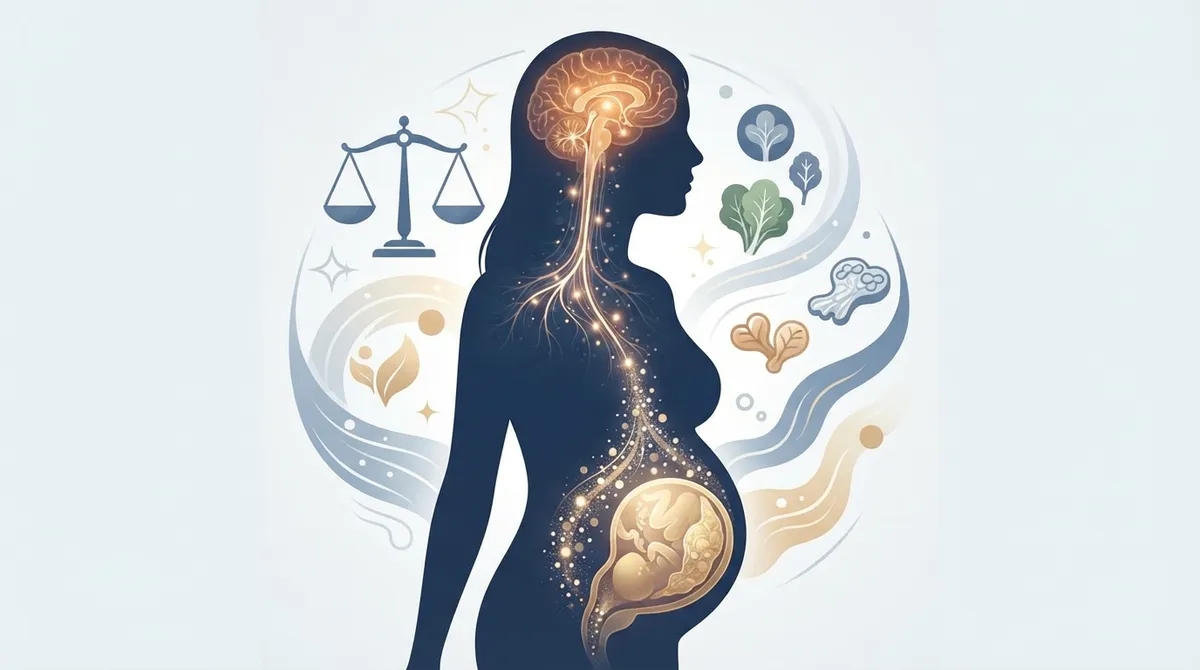
- The placenta produces large amounts of kisspeptin during pregnancy in syncytiotrophoblast cells, with maternal blood levels rising sharply as pregnancy progresses, suggesting critical roles in placental function and fetal development.
- Kisspeptin acts as a metabolic checkpoint linking nutrition to reproduction—extreme weight loss, poor nutrition, or low body fat can disrupt kisspeptin signaling and delay puberty or menstrual cycles.
- Direct kisspeptin testing is not available in routine primary care; instead, doctors evaluate downstream hormones like LH, FSH, estrogen, and testosterone to assess kisspeptin pathway function when fertility or hormone issues arise.
If you have ever wondered why puberty starts when it does, or why fertility problems sometimes trace back to the brain instead of the reproductive organs, the answer often involves a small but powerful molecule called kisspeptin. Understanding where kisspeptin is produced helps explain how your body controls reproduction, hormone balance, and even some aspects of metabolic health. For patients exploring fertility concerns, hormone testing, or whole-body wellness, this topic connects directly to the kind of preventive, science-based care offered through primary care services at InCare in Tampa and Riverview.
This guide breaks down exactly where kisspeptin comes from, how it works, and why it matters for your health. We will keep things simple and practical, so you leave with a clear picture of this important hormone pathway.
What Is Kisspeptin and Why Does It Matter
Kisspeptin is a small protein called a neuropeptide. Your body makes it using instructions from a gene called KISS1. This peptide plays a major role in controlling your reproductive system.
Kisspeptin acts like a messenger. It tells other brain cells to release hormones that control puberty, menstrual cycles, and fertility. Without kisspeptin, this entire signaling chain would not work properly.
Where Is Kisspeptin Produced in the Body
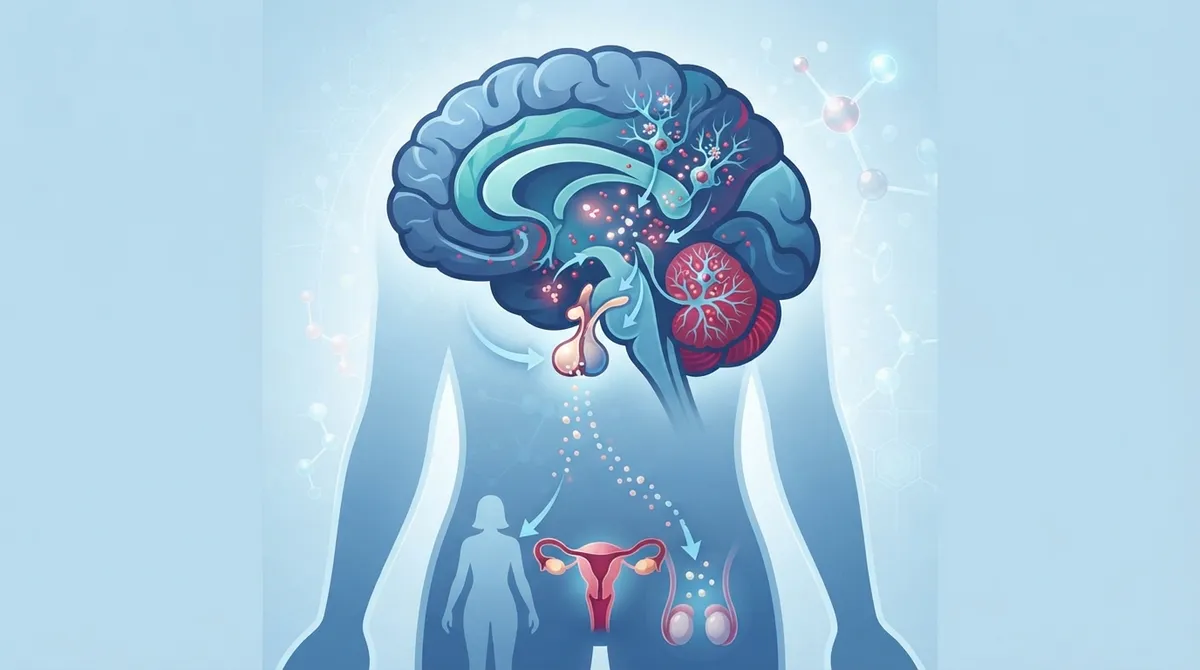
The main site of kisspeptin production is your brain. Specifically, it comes from a region called the hypothalamus. This is a small but important part of the brain that controls many body functions, including hunger, temperature, and hormone release.
The Hypothalamus: The Primary Source
Inside the hypothalamus, special nerve cells called kisspeptin neurons make and release this peptide. In humans, most of these neurons sit in an area called the infundibular nucleus. This region is the human version of what scientists call the arcuate nucleus in animal studies.
Researchers have also found kisspeptin neurons in two other brain areas:
- The rostral hypothalamus
- The preoptic area
These neuron groups work together to manage reproductive hormone signals throughout your life, from childhood through adulthood.
How Hypothalamic Kisspeptin Controls Reproduction
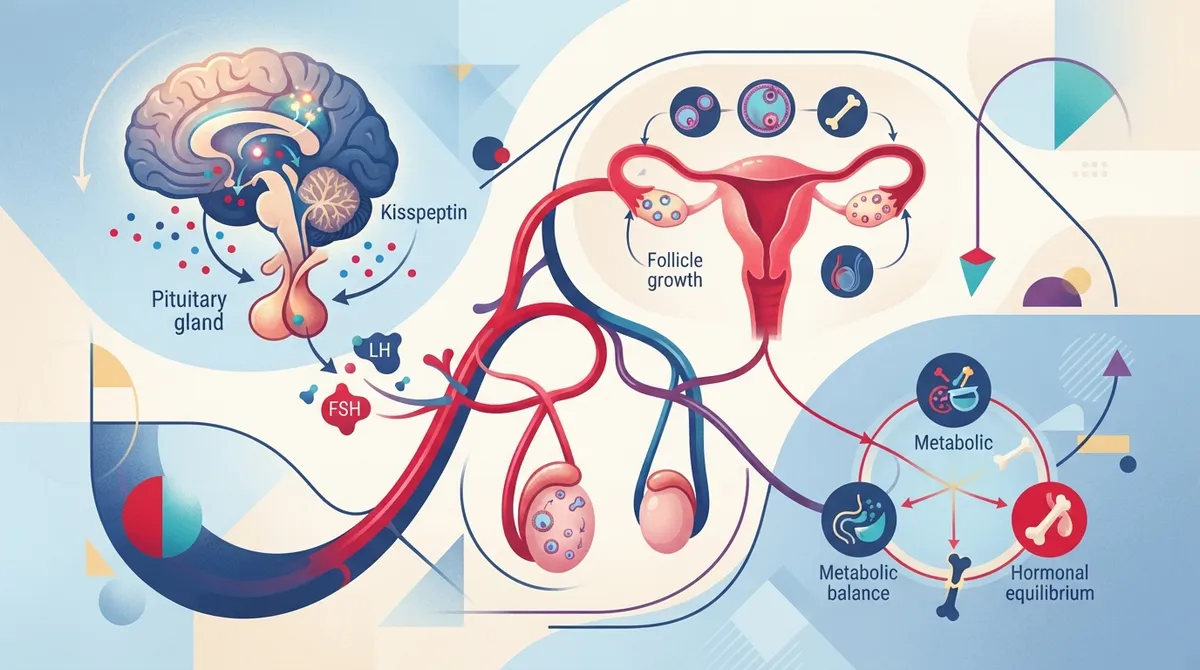
Kisspeptin neurons connect directly to another set of brain cells called GnRH neurons. GnRH stands for gonadotropin-releasing hormone. When kisspeptin activates these neurons, GnRH gets released.
GnRH then travels to your pituitary gland. This tiny gland sits at the base of your brain. Once GnRH arrives, the pituitary releases two more hormones:
- Luteinizing hormone (LH)
- Follicle-stimulating hormone (FSH)
LH and FSH then travel through your blood to your ovaries or testes. They trigger processes like ovulation, sperm production, and the release of sex hormones such as estrogen and testosterone.
In women, kisspeptin signaling helps create the LH surge that triggers ovulation each month. In men, kisspeptin supports steady hormone release needed for healthy testosterone levels and sperm production.
Kisspeptin Production Outside the Brain
While the brain is the main source, kisspeptin is also made in other parts of the body. Scientists call these peripheral sources. This means kisspeptin production is not limited to just one location.
The Placenta: A Major Peripheral Source
The placenta produces large amounts of kisspeptin during pregnancy. In fact, kisspeptin was first discovered in human placental tissue. Special cells called syncytiotrophoblast cells make most of this placental kisspeptin.
As pregnancy progresses, kisspeptin levels in the mother's blood rise sharply. Researchers are still studying the exact role kisspeptin plays during pregnancy, but its dramatic increase suggests it supports healthy placental function and possibly fetal development.
Other Tissues That Produce Kisspeptin
Beyond the brain and placenta, smaller amounts of kisspeptin have been found in these tissues:
|
Tissue |
Role in Kisspeptin Production |
|---|---|
|
Ovary |
Local signaling related to egg development |
|
Testis |
Possible support for sperm production |
|
Uterus |
Linked to reproductive tissue function |
|
Pancreas |
Under study for links to insulin regulation |
|
Adipose (fat) tissue |
Connected to metabolic and energy signals |
Scientists are still working to understand exactly how much these peripheral sources matter for overall health. The hypothalamic pathway remains the most clearly understood and clinically important source.
Kisspeptin and Hormonal Balance Throughout Life
Kisspeptin production changes based on several factors. Your body adjusts kisspeptin activity depending on age, nutrition, and hormone levels.
Sex Hormone Feedback
Estrogen and testosterone both influence how much kisspeptin your brain makes. This creates a feedback loop. When sex hormone levels change, kisspeptin production adjusts in response. This helps keep your reproductive system balanced.
Nutrition and Metabolic Signals
Your body also uses kisspeptin to link nutrition with reproduction. This is why extreme weight loss, poor nutrition, or very low body fat can delay puberty or disrupt menstrual cycles. Kisspeptin neurons act like a checkpoint, making sure your body has enough energy reserves before fully activating reproductive hormones.
This connection is one reason why weight loss programs and metabolic health support matter so much for overall hormone function, not just body composition goals.
Kisspeptin vs. Its Receptor: A Common Point of Confusion
Many people confuse kisspeptin with its receptor. These are two different things.
- Kisspeptin is the signaling molecule.
- KISS1R, also called GPR54, is the receptor that receives the signal.
Think of kisspeptin as a key and KISS1R as the lock. The key must fit into the lock on GnRH neurons for the entire hormone chain to work. If either the key or the lock has a genetic problem, the whole reproductive signaling system can break down. This can lead to a condition called hypogonadotropic hypogonadism, where the body does not produce enough sex hormones due to a signaling failure at the top of the chain.
Why Kisspeptin Matters for Primary Care and Wellness
Kisspeptin itself is not part of routine blood work. Most primary care visits will not include a direct kisspeptin test. Instead, doctors look at the hormones further down the pathway, since these tests are more established and easier to interpret.
Common Tests Used to Evaluate This Hormone System
- LH and FSH blood tests
- Estrogen or testosterone levels
- Thyroid function tests
- Prolactin levels
- Pregnancy testing, when relevant
If you are dealing with delayed puberty, irregular periods, low libido, or fertility concerns, these tests help your provider understand what might be happening within this hormone pathway. A thorough annual wellness visit is often the starting point for catching these issues early.
Signs That May Point to a Kisspeptin Pathway Issue
While kisspeptin problems are rare, certain symptoms may suggest a disruption somewhere in this signaling chain. Consider talking with a provider if you notice:
- Puberty that has not started by the expected age
- Irregular or missing menstrual cycles
- Unexplained fertility struggles
- Low testosterone symptoms in men
- Sudden changes in libido without a clear cause
These symptoms have many possible causes, so proper testing and evaluation are essential. A knowledgeable primary care team can help sort through the possibilities and guide you toward the right specialists if needed.
How InCare Supports Hormone and Reproductive Health
At InCare, patients in Tampa and Riverview have access to comprehensive testing options that help evaluate hormone health from multiple angles. This includes DNA gene testing for personalized insights, body composition analysis to track metabolic health, and detailed lab work to assess reproductive hormones.
Because kisspeptin sits at the intersection of metabolism, reproduction, and overall wellness, InCare's whole-body approach is well suited to catching related issues early. Whether you are managing fertility concerns, weight changes, or general hormone health, working with a provider who understands these connections can make a real difference. You can learn more about the practice and its providers on the About Us page or explore the full providers directory to find the right fit for your needs.
Patients often share their experiences with InCare's Tampa and Riverview teams online. You can visit us on Google — InCare to read reviews and see what current patients say about their care. You can also follow updates and wellness tips through Facebook, Instagram, and Tik Tok.
Key Takeaways About Kisspeptin Production
Understanding where kisspeptin comes from helps clarify how your body manages reproduction and hormone balance. Here is a quick summary:
- The hypothalamus, particularly the infundibular nucleus, is the main production site.
- Kisspeptin neurons directly trigger GnRH release, which controls LH and FSH.
- The placenta becomes a major kisspeptin source during pregnancy.
- Smaller amounts come from the ovary, testis, uterus, pancreas, and fat tissue.
- Kisspeptin is different from its receptor, KISS1R.
- Genetic issues in this pathway can cause delayed puberty or infertility.
This hormone system shows just how connected your brain, reproductive organs, and metabolism truly are. For a deeper dive into related topics, you can also explore how primary doctors help manage chronic illnesses that intersect with hormone health.
Take Charge of Your Hormone Health Today
If you have questions about fertility, puberty, or hormone balance, you do not have to figure it out alone. A knowledgeable primary care team can help you understand your symptoms, order the right tests, and create a personalized plan. Ready to get answers? Book an appointment with InCare today and take the next step toward better hormone health.
FAQs
Q: Where is kisspeptin produced in the human body?
A: Kisspeptin is produced mainly in the hypothalamus, a region in the brain that regulates hormones. The infundibular nucleus contains the largest group of kisspeptin-producing neurons. Smaller amounts are also made in the placenta, ovary, testis, uterus, pancreas, and fat tissue.
Q: Is kisspeptin produced in the hypothalamus or the pituitary gland?
A: Kisspeptin is produced in the hypothalamus, not the pituitary gland. Once released, kisspeptin triggers GnRH neurons, which then signal the pituitary gland to release LH and FSH. The pituitary responds to kisspeptin's effects but does not produce kisspeptin itself.
Q: Does the placenta produce kisspeptin during pregnancy?
A: Yes, the placenta produces large amounts of kisspeptin during pregnancy. Kisspeptin was first discovered in placental tissue, specifically in syncytiotrophoblast cells. Maternal blood levels of kisspeptin rise substantially as pregnancy progresses.
Q: Can kisspeptin levels be tested with a routine blood test?
A: Kisspeptin is not part of standard blood testing in most primary care settings. Instead, doctors typically evaluate related hormones like LH, FSH, estrogen, and testosterone to assess how this signaling pathway is functioning.
Q: What is the difference between kisspeptin and KISS1R?
A: Kisspeptin is the signaling molecule, while KISS1R, also called GPR54, is the receptor that receives that signal. Kisspeptin must bind to KISS1R on GnRH neurons to trigger the release of reproductive hormones.