Key Takeaways
- Tampa Family Health Centers and Ibis Healthcare offer sliding-scale fees based on income, potentially reducing costs significantly—those at or below 100% of federal poverty guidelines may pay only nominal charges.
- Skipping primary care without insurance often leads to costlier outcomes: a $100 sliding-scale visit today can prevent a $2,000 ER visit later, especially for untreated infections or chronic conditions.
- Direct primary care memberships start around $100/month in Tampa and offer predictable costs with same-day sick visits, making them ideal if you want consistent pricing and longer doctor appointments.
- Before your first visit, bring recent pay stubs, government benefit documentation, photo ID, and proof of residency; call ahead to confirm exact requirements and get cost estimates to avoid surprise bills.
- Labs, vaccines, imaging, and specialist referrals are typically billed separately even at low-cost clinics—ask specifically what's included in your visit fee to budget accurately for ongoing care.
- InCare combines primary care with urgent care services at Tampa and Riverview locations, allowing uninsured patients to access both routine checkups and non-emergency care in one place.
Losing health coverage or never having it can feel scary. But going without a doctor is not your only choice. Tampa has real options for people who need a primary care doctor without insurance. Some clinics charge based on your income. Others offer flat membership fees you can plan around. Knowing where to look, and what questions to ask, can save you money and stress.
This guide breaks down your choices for finding a primary care doctor in Tampa without insurance. We'll cover community health centers, direct primary care practices, and what to expect from each. You'll also learn what documents you need and which questions to ask before you book an appointment.
Why Uninsured Tampa Residents Still Need a Primary Care Doctor
Skipping regular checkups can lead to bigger health problems later. A primary care doctor catches small issues before they turn into costly emergencies. This matters even more if you don't have insurance, since urgent care and ER visits cost far more than routine visits.
Regular care also means better management of ongoing conditions like diabetes or high blood pressure. Without a steady doctor, these conditions often go unmanaged until they become serious. Finding affordable primary care is not a luxury. It's a smart move for your long-term health and your wallet.
The Real Cost of Skipping Care
Many people avoid the doctor because they fear the bill. But delayed care often costs more in the end. A $100 sliding-scale visit today could prevent a $2,000 ER visit next year. This is especially true for conditions that get worse without treatment, like infections or blood sugar issues.
- Untreated infections can turn into hospital stays
- Unmanaged blood pressure raises stroke and heart attack risk
- Skipped cancer screenings mean later, harder-to-treat diagnoses
- Missed prescriptions can worsen chronic conditions fast
Community Health Centers: Sliding-Scale Care in Tampa
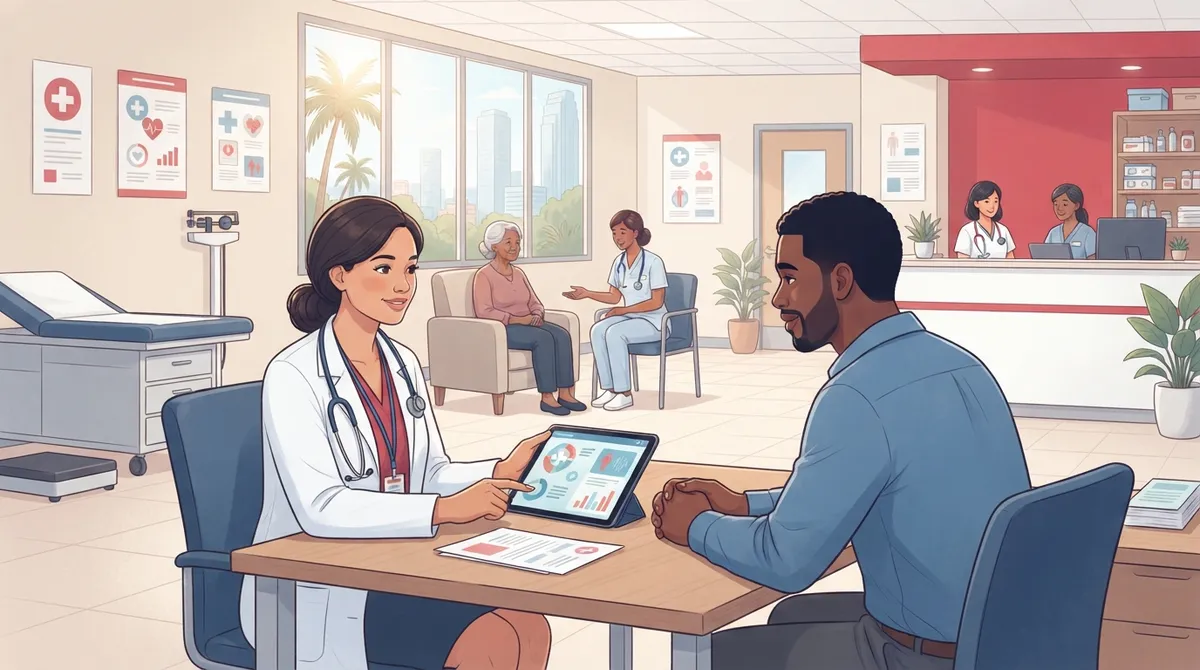
Community health centers are often the first stop for uninsured patients. These clinics adjust their fees based on your household income and family size. This means a low-income patient might pay very little, while someone earning more pays a higher, but still reduced, rate.
Tampa Family Health Centers (TFHC) is one well-known option. TFHC operates 16 locations and states it serves patients regardless of insurance status. The clinic offers a sliding-fee schedule based on income and household size. Keep in mind that care is not automatically free. Payment is usually expected the same day you're seen.
TFHC also reports same-day access at its locations, though this depends on availability. It's smart to call ahead and confirm openings before you show up. You can reach TFHC patient services at 813-397-5300 to ask about appointments, services, and current wait times.
Ibis Healthcare's Sliding-Fee Program
Ibis Healthcare is another Tampa-area provider offering a sliding-fee discount program. This program uses federal poverty guidelines to determine your discount level. Patients at or below 200% of the federal poverty guidelines may qualify for reduced rates. Those below 100% may receive only nominal charges for their visit.
As with any sliding-scale clinic, you should confirm your eligibility and the services covered before your appointment. Guidelines and covered services can change, so a quick phone call saves you from surprises.
What You'll Need for a Sliding-Fee Application
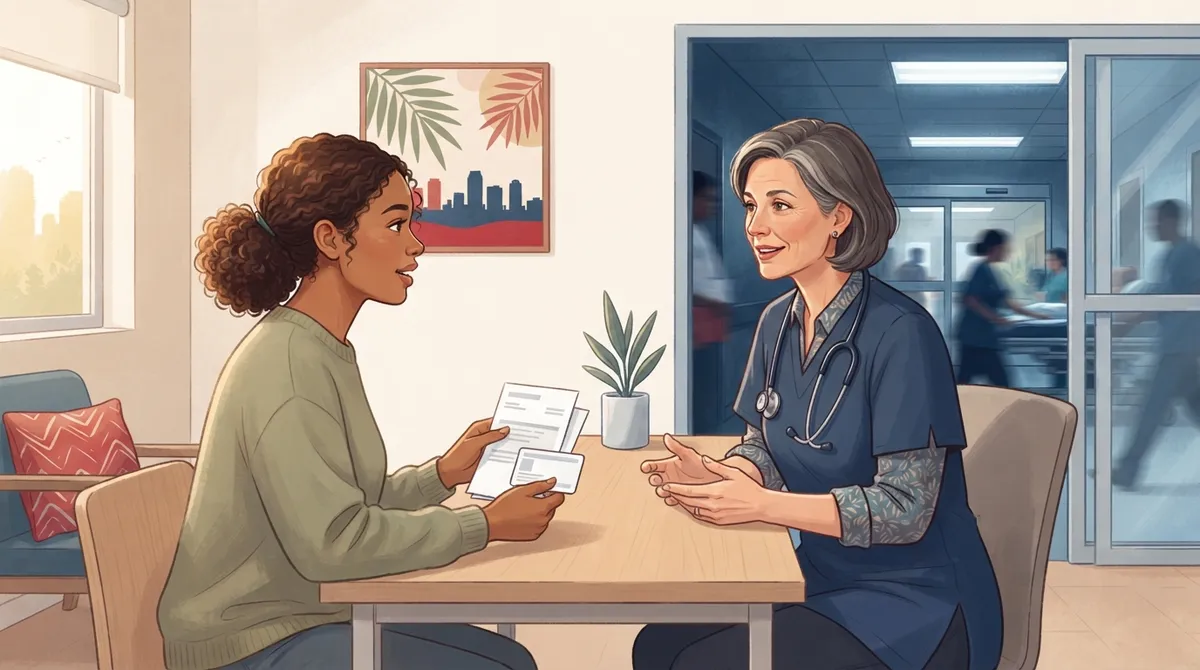
Applying for a sliding-fee discount usually means providing proof of your income and household size. Clinics use this information to place you in the correct fee tier. Here's what to prepare before your visit:
- Recent pay stubs or proof of income for the past month
- Documentation of any government benefits you receive
- Recent tax records if you're self-employed or have variable income
- A valid photo ID for identity verification
- Proof of residency, such as a utility bill or lease agreement
Every clinic has slightly different requirements. Call ahead and ask exactly what documents they accept. This step alone can speed up your first visit significantly.
Direct Primary Care: A Membership-Based Option
Direct primary care (DPC) offers a different path for uninsured Tampa residents. Instead of billing per visit through insurance, you pay a monthly membership fee. This fee typically covers a set list of primary care services, like checkups, sick visits, and basic labs.
One Tampa-area DPC practice advertises membership starting around $100 per month, with a single visit option at $125. These prices are specific to that provider and not a citywide average. Other practices may charge more or less depending on what's included.
DPC can be a good fit if you want predictable monthly costs and more time with your doctor. Many DPC practices offer longer appointments and same-day sick visits. But you should always ask what's included in the membership and what costs extra.
Comparing Sliding-Scale Clinics and Direct Primary Care
|
Feature |
Sliding-Scale Community Clinic |
Direct Primary Care (DPC) |
|---|---|---|
|
Cost Structure |
Based on income and household size |
Flat monthly fee or per-visit charge |
|
Same-Day Appointments |
Often available, subject to demand |
Frequently offered as a membership benefit |
|
Services Included |
Varies; ask about labs and vaccines |
Varies by provider; confirm what's covered |
|
Best For |
Lower-income patients needing basic care |
Patients wanting predictable monthly costs |
|
Payment Timing |
Usually due at time of service |
Recurring membership fee |
What's Included (and What Costs Extra)
A primary care visit or membership rarely covers everything. Labs, imaging, vaccines, medications, and specialist referrals may be billed separately. This is true whether you're at a sliding-scale clinic or a membership-based practice.
Before your visit, ask the clinic these specific questions:
- Are basic labs included in the visit fee?
- Do vaccines cost extra, and how much?
- What happens if I need a referral to a specialist?
- Are follow-up visits included or billed separately?
- What is the total expected cost for my visit today?
Getting clear answers upfront helps you avoid surprise bills. It also helps you budget for ongoing care, whether you're managing a chronic condition or just staying on top of preventive screenings.
When You Need More Than Primary Care
Community health centers and DPC practices are not designed for emergencies. If you're facing a true medical emergency, call 911 or go to the nearest emergency department right away. For non-emergency needs, like a bad cold or minor injury, call your clinic first to see if they can help.
InCare offers both primary care and urgent care services at its Tampa and Riverview locations. This gives patients a place to turn for both routine checkups and unexpected illnesses or injuries. Having one trusted clinic for both needs can simplify your healthcare and reduce confusion about where to go.
Preventive Care Still Matters Without Insurance
Even without insurance, staying current on preventive care protects your health long-term. This includes cancer screenings, blood pressure checks, and routine bloodwork. Many sliding-scale clinics and DPC practices offer these services as part of a standard visit.
If you're managing a chronic illness like diabetes or high blood pressure, regular visits are especially important. A steady relationship with one doctor helps you avoid complications and catch problems early. This is one reason many patients look for help managing chronic illnesses from a consistent primary care provider rather than bouncing between urgent care visits.
How to Choose the Right Option for You
Your best choice depends on your income, your health needs, and how often you expect to need care. Here's a simple way to think through it:
- If your income is low and variable, a sliding-scale clinic like a community health center may offer the lowest cost.
- If you want predictable monthly costs and don't mind paying a membership fee, direct primary care might fit better.
- If you have ongoing health conditions, prioritize a clinic that offers comprehensive primary care rather than one-off visits.
- If you also need urgent care access, look for a provider offering both services in one place.
- Always call ahead to confirm current pricing, since costs and programs can change without notice.
Whichever path you choose, don't let cost concerns stop you from seeking care altogether. A quick phone call to ask about pricing and sliding-scale eligibility costs you nothing and could save you money.
Why Tampa Patients Choose InCare for Ongoing Care
InCare combines primary care with advanced wellness services, all under one roof in Tampa and Riverview. This includes everything from DNA gene testing to IV hydration therapy. For patients who want more than just a quick checkup, this whole-body approach can make a real difference in long-term health outcomes.
InCare holds a strong reputation among Tampa Bay patients, reflected in a 4.8 out of 5 rating on Google from hundreds of reviews. Patients often mention the friendly staff and attentive care from the clinic's physicians. You can visit us on Google — InCare to read what current patients say about their experience.
Beyond primary and urgent care, InCare also offers weight loss programs, body composition analysis, and other wellness services designed to help you take charge of your health proactively. You can follow updates and patient tips on Facebook or see behind-the-scenes clinic content on Instagram.
Steps to Take Before Your First Visit
Preparation makes your first appointment smoother, whether you're heading to a sliding-scale clinic or a private practice. Follow these steps to avoid delays:
- Call the clinic and ask if they accept uninsured patients and offer sliding-scale fees.
- Ask what documents you need to bring for income verification.
- Confirm whether same-day appointments are available or if you need to schedule ahead.
- Ask for a rough estimate of total costs, including labs or vaccines you might need.
- Bring a list of any current medications and past medical history to share with your doctor.
Taking these steps before you arrive helps the visit go faster and reduces the chance of unexpected charges. It also helps your doctor understand your health history right away, so you get better care from day one.
Take the Next Step Toward Consistent Care
Not having insurance doesn't mean you have to skip the doctor. Tampa offers real, workable options for uninsured patients, from sliding-scale community clinics to membership-based direct primary care. The key is asking the right questions and choosing a provider that fits your budget and health needs.
If you're ready to find a primary care team that combines affordability with advanced, whole-body wellness care, InCare is here to help. You can get in touch with our team to ask about services, pricing, and what to expect at your first visit. Or, if you're ready to get started right away, you can schedule your appointment today and take the first step toward better health.
FAQs
Q: Where can I see a primary care doctor in Tampa without insurance?
A: Uninsured Tampa residents can visit community health centers like Tampa Family Health Centers or Ibis Healthcare, which offer sliding-fee schedules based on income. Direct primary care practices are another option, charging a flat monthly membership fee instead of billing through insurance.
Q: How much does a primary care visit cost without insurance in Tampa?
A: Costs vary widely depending on the clinic and your income level. Sliding-scale clinics adjust fees based on household size and income, while direct primary care memberships can start around $100 per month, with single visits sometimes priced near $125.
Q: What documents do I need to qualify for a sliding-fee clinic in Tampa?
A: Most clinics ask for proof of income, such as recent pay stubs or tax records, along with proof of household size. You may also need a valid photo ID and proof of residency, though exact requirements vary by clinic.
Q: Are there same-day or walk-in primary care appointments for uninsured patients in Tampa?
A: Some clinics, including Tampa Family Health Centers, report offering same-day access across their locations, though this depends on daily availability. It's best to call ahead to confirm openings before visiting.
Q: Can I get prescriptions, lab tests, or preventive care at a low-cost clinic without insurance?
A: Yes, most low-cost clinics offer prescriptions, basic labs, and preventive care services like screenings and vaccines. However, these services may be billed separately from your visit fee, so it's important to ask about total costs beforehand.