Key Takeaways
- Blue Shield of California dental HMO requires choosing a participating primary dentist, who manages your routine care and treatment plans, and specialist care may need a referral.
- Instead of deductibles and coinsurance, the DHMO uses fixed copays per service, so you know your cost before the visit, though exact amounts vary by plan.
- The 2026 individual and family DHMO options list $0 copays for exams, X-rays, and routine cleanings, subject to frequency limits, making preventive care low-cost.
- Individual and family DHMO summaries show no deductible, no calendar-year maximum, and no lifetime dollar limit, but employer and Medicare plans may have different terms.
- Choose a DHMO if you prefer lower premiums and predictable costs and can use an in-network dentist; choose a PPO if you want out-of-network access and direct specialist visits.
- Verify your exact plan's Summary of Benefits and confirm directly with the dental office that it participates in your plan, since networks can change.
Oral health is closely tied to whole-body health. Gum disease, untreated infections, and chronic inflammation in the mouth can affect the heart, blood sugar control, and overall well-being. That is why many people look closely at their dental coverage each year. The Blue Shield of California dental HMO is one option that often comes up in these searches.
This plan works differently from a typical dental PPO. It uses a set network of participating dentists and fixed copayments for covered services. For many people, that means more predictable costs and strong preventive coverage. But it also means rules about which dentists you can see.
This guide explains how the plan works, what it generally covers, and where it fits next to your medical care. It is written for wellness-minded readers who want to plan ahead, use preventive care well, and keep dental and medical care working together. Details below reflect 2026 plan materials, so always confirm your exact terms in your own Summary of Benefits.
How Does a Blue Shield of California Dental HMO Work?
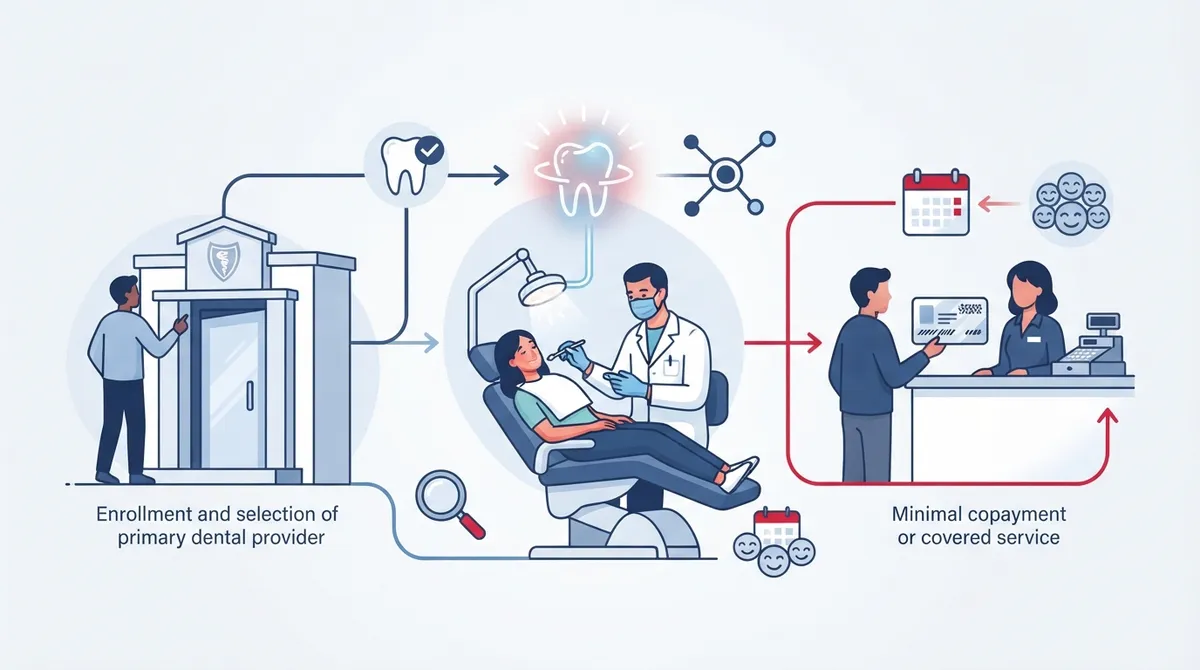
A dental HMO, often called a DHMO, is built around a network of participating dentists. When you enroll, you generally choose one participating dentist as your primary dental office. That office handles your routine care and manages your treatment plan.
Instead of a deductible and coinsurance, a DHMO uses set copayments. Each covered service has a listed price. You pay that amount at the visit, and the plan covers the rest, based on plan terms.
The Basic Structure
Here are the key features that define most Blue Shield of California dental HMO plans:
- Participating-dentist network: You receive care from dentists who contract with the plan.
- Primary dentist selection: You choose a dental office to manage your care.
- Service-specific copays: Each procedure has a listed patient cost.
- Referrals for specialists: Specialty care may require approval or referral, depending on plan terms.
This structure trades some flexibility for lower premiums and cost clarity. If you value knowing your cost before you sit in the chair, a DHMO can be a good fit.
What Does the Plan Typically Cover?
Coverage varies by product. Blue Shield offers different dental plans for individuals and families, employer groups, and Medicare members. Your benefits depend on which one you hold.
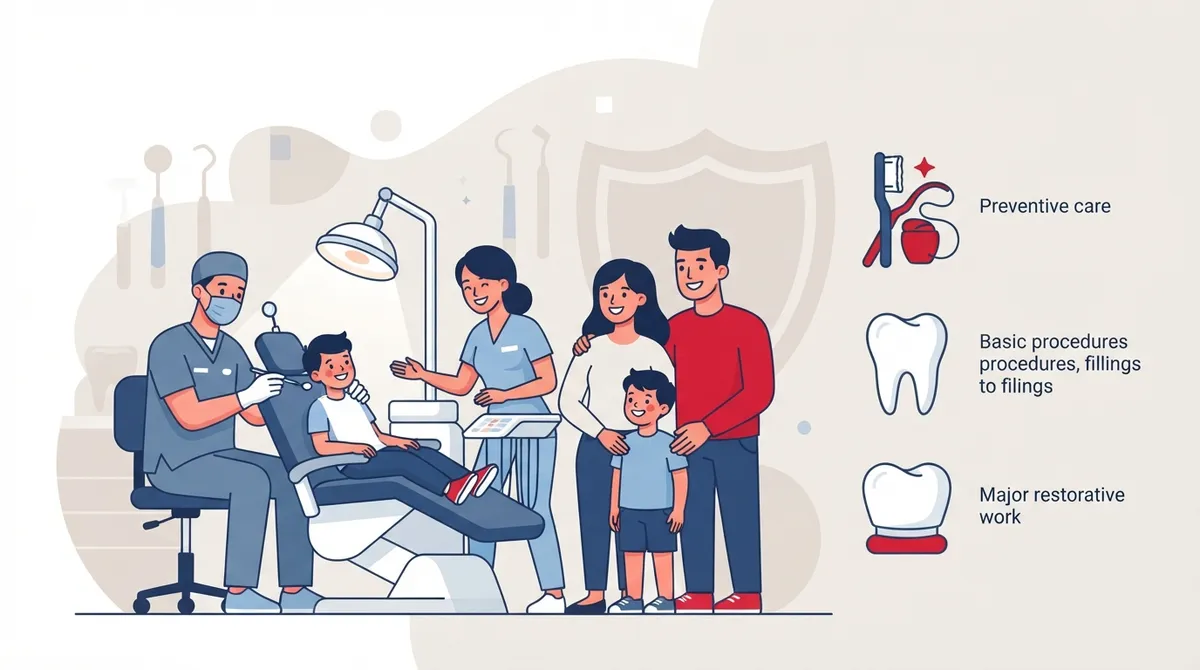
Based on the 2026 individual and family materials, covered services can include:
- Oral exams and diagnostic visits
- Routine cleanings
- Dental X-rays
- Fillings
- Simple and surgical extractions
- Root canals
- Gum disease treatment
- Crowns and other restorative procedures
Frequency limits, authorization rules, and copay amounts depend on the specific plan you select. Two DHMO options from the same company may list very different copays for the same procedure.
Preventive Care at Low or No Cost
One of the most attractive features is the preventive benefit. The 2026 individual and family comparison lists $0 copays for oral exams, X-rays, and routine cleanings on the displayed DHMO options. Frequency limits and other plan terms still apply.
This matters for wellness. Regular cleanings and exams catch problems early, when treatment is simpler and cheaper. A plan that removes cost as a barrier to prevention supports better long-term health.
Understanding Costs, Deductibles, and Limits
Cost is often the deciding factor when people compare dental plans. Here is how the Blue Shield DHMO approach stacks up on key cost points, based on 2026 plan summaries.
|
Cost Feature |
What 2026 Materials Show |
|---|---|
|
Annual deductible |
None listed for the individual and family DHMO options |
|
Calendar-year benefit maximum |
None listed for the displayed DHMO options |
|
Lifetime dollar limit |
No dollar limit on total covered services per the individual and family Summary of Benefits |
|
Exams, X-rays, cleanings |
$0 copay on displayed individual plans, with frequency limits |
|
Fillings, extractions, root canals |
Copays vary by plan and service |
These points are encouraging, but they come with an important reminder. Always check your exact plan documents. Small business and employer-group DHMO materials describe a similar network and copay model, but their terms may differ from individual plans.
DHMO vs. PPO: Which Style Fits You?
Many people ask how a dental HMO differs from a dental PPO. The answer comes down to flexibility versus predictability.
|
Feature |
Dental HMO (DHMO) |
Dental PPO |
|---|---|---|
|
Provider choice |
Participating dentists only |
Wider choice, including out-of-network |
|
Primary dentist |
Usually required |
Not required |
|
Cost structure |
Fixed copays |
Deductibles and coinsurance common |
|
Premiums |
Often lower |
Often higher |
|
Specialist access |
May need a referral |
Usually direct access |
Who Tends to Prefer a DHMO?
A DHMO often suits people who:
- Already have, or are happy to choose, a dentist in the network.
- Want clear, upfront prices for common procedures.
- Prefer lower monthly premiums.
- Plan to use preventive care regularly.
If you want to see any dentist in your area without restrictions, a PPO may feel like a better match. Think about your current dentist, your family's needs, and how often you expect to need more than basic care.
How to Find a Dentist in the Network
Finding the right dental office is the first practical step after enrollment. Follow these steps to make the process smooth:
- Review your plan documents. Confirm the exact DHMO product you hold.
- Use the plan's provider directory. Search for participating dentists near your home or work.
- Check location and hours. Choose an office that fits your schedule, especially if you have children.
- Ask about specialists. Learn how the office handles referrals for root canals, gum care, or oral surgery.
- Confirm before you commit. Call the office to verify they currently participate in your exact plan.
Networks can change, so verifying directly with the dental office before your first visit is a smart habit.
Why Dental Coverage and Medical Care Should Work Together
It is important to understand that dental coverage is separate from medical primary care coverage. Your dental HMO pays for dental services only. It does not cover visits to your primary care provider, lab work, or cancer screenings. Those fall under your medical plan or direct payment.
Still, the two areas connect in real ways. Research has linked gum disease with conditions such as heart disease and diabetes. Mouth pain can affect sleep and nutrition. Certain medications can change oral health, and dental symptoms can sometimes point to a medical issue.
Practical Ways to Coordinate
- Tell your dentist about all medications, supplements, and chronic conditions.
- Share dental concerns with your primary care clinician during wellness visits.
- Keep your dental visits on the same preventive calendar as your physical and screenings.
- Report mouth sores, jaw pain, or bleeding gums that do not heal.
At InCare, our team focuses on prevention and whole-body health. Our primary care approach encourages patients to treat oral health as part of the bigger picture. If you are building a full prevention routine, our guide on how to make preventive care work for your health pairs well with a strong dental plan. You can also read what to expect during an annual wellness visit to see how your clinician can help connect the dots.
Tips for Getting the Most From Your DHMO
Having coverage is only the start. Using it well makes the real difference. Here are simple ways to get strong value from a Blue Shield of California dental HMO:
- Schedule preventive visits early. Use your exam, X-ray, and cleaning benefits as your plan allows.
- Read the copay schedule. Know the cost of common procedures before you need them.
- Ask for a treatment plan. When your dentist recommends work, request a written plan with listed copays.
- Understand referral rules. Ask how specialist referrals work before you need one.
- Watch for frequency limits. Some services are covered only a set number of times per period.
- Keep records. Save your Summary of Benefits and any pre-authorization notes.
A Note for Busy Households
Families and busy professionals often juggle many appointments. Booking dental cleanings for the whole household on the same day, or pairing them with other routine visits, saves time. Predictable copays also make it easier to plan a monthly health budget alongside other wellness costs.
Medicare and Employer Plans: Do Not Assume the Same Terms
Blue Shield sells dental products to several groups. Individuals and families, employers, and Medicare members each see different plan names, networks, premiums, and eligibility rules. Medicare supplemental dental coverage should never be assumed to match an individual or employer DHMO.
If you receive dental benefits through work, ask your benefits administrator for the Summary of Benefits tied to your group. If you are a Medicare member, review your plan materials separately. Differences in copays, networks, and covered services can be significant.
For readers who also manage medical coverage, our resources on what Medicare covers for seniors in primary care can help you see how medical and dental benefits fit together.
Making Dental Care Part of Your Wellness Plan
A strong wellness plan covers more than exercise and nutrition. It includes screenings, vaccinations, mental health, sleep, and oral care. A dental HMO can make the oral piece easier to budget and maintain.
Consider building a yearly prevention calendar. Include your dental exam and cleaning, your annual physical, and any age-appropriate screenings. Our overview of what happens during an annual physical exam shows how your medical team reviews your health risks. Add dental visits to the same plan, and you create a full picture of your health.
If you want a clinic that treats you as a whole person, InCare offers personalized care across Tampa and Riverview, with advanced tools, preventive screenings, and wellness services designed around your goals. You can see what patients say by reading InCare reviews on Google, and you can follow our health tips on Instagram, Facebook, and TikTok.
Final Thoughts on Choosing a Dental HMO
The Blue Shield of California dental HMO offers a clear structure: a participating-dentist network, fixed copays, no listed deductible on individual and family options, and strong preventive coverage. It trades some provider freedom for predictable costs. For many people, that is a fair deal, especially when preventive care is the main goal.
Before you enroll, compare your needs against the plan. Check that your preferred dentist participates, review the copays for services you may need, and confirm any referral rules. Remember that dental coverage stands apart from medical care, so plan both sides of your health with care.
Ready to build a prevention-first health routine that supports your whole body? Book your visit with InCare today, or contact our team with questions about primary care, screenings, and wellness services in Tampa and Riverview.
FAQs
Q: What does Blue Shield of California dental HMO cover?
A: Covered services can include oral exams, cleanings, X-rays, fillings, extractions, root canals, gum treatment, and crowns. Copays, frequency limits, and referral rules depend on your specific plan, so review your Summary of Benefits.
Q: Do I have to choose a primary dentist with a Blue Shield dental HMO?
A: Generally, yes. Members select a participating dentist for primary dental care. Specialist services may require a referral, subject to your plan terms.
Q: Does the Blue Shield dental HMO have a deductible or annual maximum?
A: The 2026 individual and family DHMO summaries list no deductible and no calendar-year benefit maximum, plus no lifetime dollar limit on covered services. Employer-group and Medicare plans may differ, so confirm your exact product.
Q: What is the difference between a dental HMO and a dental PPO?
A: A dental HMO uses a set network and fixed copays, often with lower premiums and less provider choice. A dental PPO offers wider dentist choice, including out-of-network care, but usually involves deductibles and coinsurance.
Q: Is dental coverage the same as my medical primary care coverage?
A: No. Dental coverage is separate from medical benefits. Your dental HMO covers dental services only, while visits to your primary care clinician fall under your medical plan. Coordinating both supports better overall health.