Key Takeaways
- An OB-GYN focuses mainly on reproductive health, so blood pressure, cholesterol, thyroid, mental health, and weight often go unmonitored without a primary care provider.
- USPSTF guidelines recommend Pap tests every three years for ages 21-29 and mammograms every two years for ages 40-74, with earlier screening for strong family history.
- Establishing a baseline with a primary care provider in your twenties and thirties helps catch quiet conditions like thyroid disorders, prediabetes, and high cholesterol early.
- Most healthy adult women benefit from a yearly preventive visit, and clinics with online booking, same-day slots, and telehealth make it easier to stay on schedule.
Many women in Riverview, Florida, see an OB-GYN once a year and assume their health needs are covered. In reality, an OB-GYN focuses mainly on reproductive health. Blood pressure, cholesterol, thyroid function, mental health, cancer screenings, and weight management often fall through the cracks. That gap is where womens primary care riverview services become essential.
A primary care provider looks at the whole picture. She tracks your numbers over time, spots small changes early, and coordinates referrals when you need a specialist. For women between 18 and 40 who have never built a relationship with a primary care doctor, this approach can feel unfamiliar. It is also one of the best investments you can make in your long-term health.
This guide explains what women's primary care covers, how it differs from OB-GYN care, which screenings matter most, and what to look for in a Riverview clinic. It also covers how primary care at InCare approaches prevention with modern technology and a personal touch.

What Is Women's Primary Care?
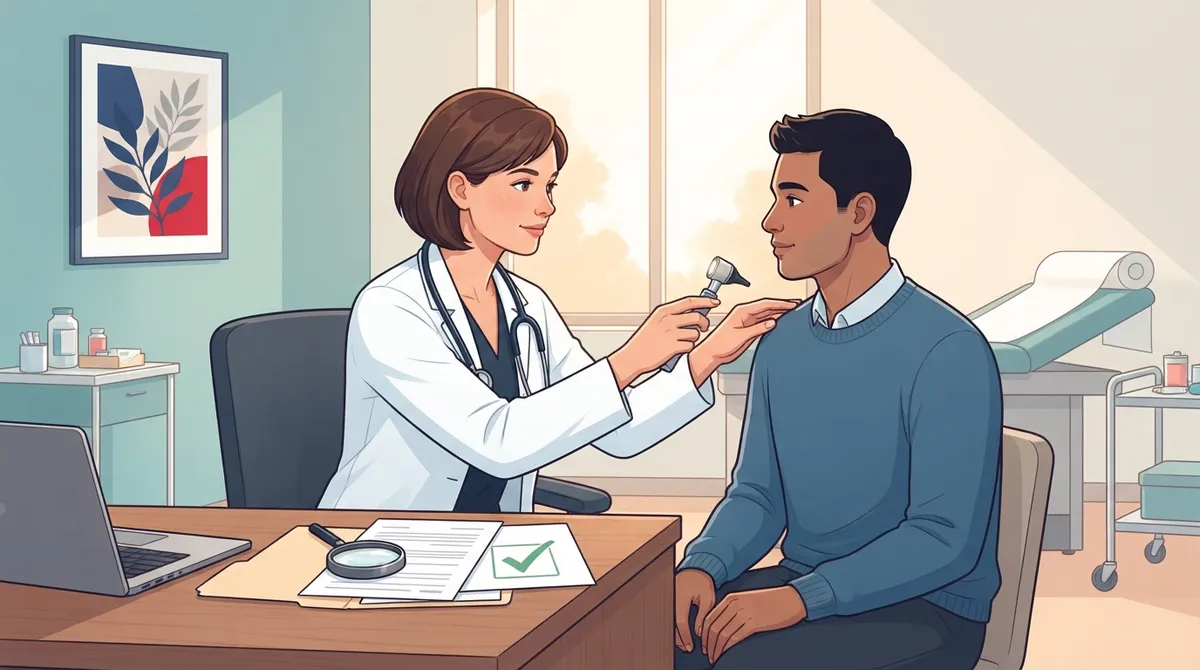
Women's primary care is general medical care that pays close attention to the health needs of women at every life stage. It is not limited to pregnancy or reproductive concerns. Instead, it covers the full range of preventive, acute, and chronic health issues.
A primary care clinician often serves as your first point of contact. You can book a visit for a routine checkup, a new symptom, a medication question, or a screening discussion. If you need a specialist, your primary care provider can refer you and keep your records organized. For more background, read what a primary care physician does for your health.
Services Commonly Included
- Annual wellness and preventive visits
- Blood pressure, cholesterol, and blood sugar checks
- Immunizations and lab testing
- Screening discussions for cervical, breast, and other cancers
- Birth control, menopause, and sexual health counseling
- Management of chronic conditions such as diabetes, thyroid disease, and hypertension
- Mental health support, including stress, anxiety, and sleep concerns
- Weight management and nutrition guidance
Exact services vary by clinic, so always confirm what is offered at your specific visit.

How Is Primary Care Different From an OB-GYN?
This is one of the most common questions women ask. The two roles overlap, but they are not interchangeable. Many women benefit from using both.
|
Feature |
Primary Care Provider |
OB-GYN |
|---|---|---|
|
Main focus |
Whole-body health and prevention |
Reproductive and pregnancy care |
|
Typical visits |
Annual wellness, illness, chronic care |
Pelvic exams, pregnancy, gynecologic concerns |
|
Chronic conditions |
Diabetes, thyroid, blood pressure, cholesterol |
Limited, usually reproductive-related |
|
Mental health |
Screening and initial support |
Postpartum and hormone-related concerns |
|
Referrals |
Coordinates care with many specialists |
Refers for reproductive and pelvic issues |
In short, an OB-GYN is a specialist, while a primary care provider is your long-term health partner. If you have never had a primary care doctor, our guide on whether you need a PCP offers a helpful starting point.
Which Screenings Should Women Discuss With Their Doctor?
Screening recommendations depend on age, family history, medical history, and personal risk factors. The guidelines below come from the U.S. Preventive Services Task Force (USPSTF). Guidelines can change, so talk with a clinician about a plan built for you.
Cervical Cancer Screening
- Ages 21 to 29: Cytology (Pap test) every three years
- Ages 30 to 65: Cytology every three years, high-risk HPV testing every five years, or HPV and cytology cotesting every five years
Breast Cancer Screening
The USPSTF recommends screening mammography every two years for women ages 40 to 74. Women with a strong family history or known genetic risk may need earlier or more frequent screening. Your provider can help you decide when to start.
Other Common Checks
- Blood pressure at every visit
- Cholesterol and blood sugar testing based on risk
- Sexually transmitted infection testing when appropriate
- Depression and anxiety screening
- Vaccination review
For a closer look at what these visits involve, see well woman exam mistakes that could harm your health and cancer screening options at InCare.
Why Do Younger Women Skip Primary Care?
Many women in their late teens, twenties, and thirties feel healthy and see no reason to book a visit. Others struggle with busy schedules, long wait times, or past experiences that felt rushed. These barriers are real, but skipping preventive care can allow quiet problems to grow.
Early visits build a baseline. When your provider knows your normal blood pressure, weight trends, and lab results, changes stand out sooner. That is especially valuable for conditions like thyroid disorders, prediabetes, and high cholesterol, which often cause few symptoms at first.
Modern clinics are also making access easier. Telehealth visits, online booking, and same-day appointments help busy women fit care into real life. Learn more about same-day primary care appointments.
Where Can You Find Women's Primary Care in Riverview?
Riverview residents have several options. Local health systems list primary care and OB-GYN offices in the area, and a family medicine center on Falkenburg Road advertises annual checkups, women's health services, Pap smears, pregnancy tests, lab testing, and telehealth. Eligible Veterans can also use the South Hillsborough VA Clinic, which lists women's health services such as Pap and HPV testing, mammograms, contraception counseling, and menopause care.
Services, hours, insurance networks, and clinician availability can change. Always call ahead to confirm what is available before you visit.
How InCare Supports Women in Riverview
InCare is a personalized healthcare clinic with locations in Riverview and Tampa. The practice combines state-of-the-art technology with medical expertise to deliver preventive, whole-body care. For women who want more than a quick checkup, InCare offers a broad menu of services under one roof, including:
- Comprehensive primary care for acute and chronic needs
- Cancer screening for early detection
- Medical weight loss programs tailored to your body
- DNA gene testing for personalized health insights
- Body composition analysis using 3D imaging
- IV hydration and vitamin drips
- Urgent care when you cannot wait
InCare holds a 4.8 out of 5 rating on Google across 359 reviews. Patients often mention the friendly staff and the quality of care from Dr. Ahluwalia. You can visit our InCare location on Google to read reviews and get directions. To learn more about the Riverview clinic, read why InCare is the best choice for primary care in Riverview.
What Should You Look for in a Women's Primary Care Clinic?
Not every clinic is the right fit for every woman. Use this checklist to compare your options.
- Clear services. Confirm that Pap tests, HPV testing, birth control counseling, and screening referrals are available.
- Insurance and pricing. Ask which plans are accepted and what self-pay options exist.
- Easy scheduling. Look for online booking, same-day slots, and telehealth.
- Continuity of care. You should see a provider who knows your history.
- Coordination. The clinic should manage referrals and share records with specialists.
- Preventive tools. Advanced options such as body composition scans and gene testing can add value for proactive patients.
- Comfort and respect. You should feel heard and never rushed.
If you are comparing providers, 7 signs you have found the right primary care practice can help you decide.
How Often Should Women Get a Preventive Visit?
Most healthy adult women benefit from a yearly wellness visit. Your provider may suggest more frequent visits if you manage a chronic condition, take regular medications, or have specific risk factors. During a yearly visit, expect a review of your medical history, a physical exam, vital signs, lab work when appropriate, and a conversation about screenings and vaccines. See what happens during an annual wellness visit for a full walkthrough.
What to Bring to Your First Appointment
- A photo ID and insurance card
- A list of current medications and supplements
- Past medical records or screening results, if you have them
- Family health history, especially cancer, heart disease, and diabetes
- Questions about cycles, birth control, mood, sleep, or weight
Preparing a short list of questions helps you make the most of your time. New patients may also find new patient appointment tips useful.
How Does Prevention Go Beyond the Basics?
Preventive care is moving past the standard checkup. Many women now want data that helps them make smarter choices about nutrition, exercise, and long-term risk. Tools such as metabolic breath analysis can show how your body uses energy, which helps shape realistic weight and fitness plans. Genetic testing may reveal predispositions that guide screening schedules and lifestyle choices.
These services support, but do not replace, core preventive care such as screenings, immunizations, and regular visits. The best results come when advanced tools are paired with a trusted primary care relationship.
You can also follow InCare for health tips and updates on Instagram, Facebook, and TikTok.
Take the Next Step Toward Better Health
Strong women's primary care gives you a partner who knows your history, tracks your health over time, and helps you act before small concerns become big ones. Whether you are 22 and have never had a checkup or 38 and juggling work and family, a regular primary care relationship makes life easier and healthier.
InCare offers personalized, technology-driven care in Riverview and Tampa. Ready to get started? Book your appointment now, or contact our team with any questions. You can also call 813-553-3330 to speak with the clinic directly.
This article is for general education and does not replace personalized medical advice. Discuss screening schedules and treatment decisions with a qualified clinician.
FAQs
Q: What does a women's primary care doctor do?
A: A women's primary care provider delivers preventive care, treats common illnesses, manages chronic conditions, and discusses screenings, birth control, menopause, and mental health. She also coordinates referrals to specialists such as OB-GYNs when needed.
Q: What is the difference between a primary care doctor and an OB-GYN?
A: A primary care doctor focuses on whole-body health and long-term prevention, while an OB-GYN specializes in reproductive health and pregnancy. Many women use both for complete care.
Q: Does primary care in Riverview offer Pap smears or HPV testing?
A: Many primary care offices offer Pap smears and HPV testing, but services vary by clinic. Call ahead to confirm availability, and ask whether a referral or separate visit is required.
Q: How often should I get a well-woman or preventive visit?
A: Most healthy adult women benefit from a yearly preventive visit. Your clinician may recommend more frequent visits if you have chronic conditions, take regular medications, or have specific risk factors.
Q: Can a primary care provider help with birth control and menopause?
A: Yes. Many primary care providers offer counseling and treatment for contraception, menopause symptoms, and sexual health. Complex cases may be referred to a gynecology specialist.