Key Takeaways
- Kisspeptin is not FDA-approved and remains investigational only; avoid unregulated online products claiming to offer kisspeptin therapy, as quality and safety cannot be guaranteed outside clinical trials.
- Early research shows kisspeptin may reduce ovarian hyperstimulation syndrome (OHSS) risk during IVF, with a 2025 study showing zero cases of moderate-to-critical OHSS in 60 high-risk women, though data remains limited to small groups.
- Kisspeptin works through your body's natural hormone pathways rather than replacing hormones directly, potentially offering a more physiologic approach compared to standard treatments like hCG for IVF egg maturation.
- Before exploring experimental therapies, rule out common treatable causes of hormone imbalance first, including thyroid disorders, high prolactin levels, excessive exercise, chronic stress, PCOS, and diabetes.
- Long-term safety data, standardized dosing, drug interactions, and pregnancy outcome tracking for kisspeptin remain poorly understood; a comprehensive medical evaluation by a primary care provider is the safer first step.
- Kisspeptin is being studied for functional hypothalamic amenorrhea and hypogonadotropic hypogonadism, but patients should consult a reproductive endocrinologist rather than seeking unproven treatments online.
If you have searched for new options in reproductive health, you may have come across the term "kisspeptin combined therapy." It sounds technical, but the idea behind it is simple. Scientists are studying a natural hormone in your brain called kisspeptin. They want to know if it can work alongside standard fertility treatments to help people trying to conceive. This topic matters most to women managing hormone imbalances, couples exploring IVF, and anyone curious about the future of reproductive medicine. In this article, we break down what kisspeptin combined therapy really means, what the science says today, and why you should be cautious about claims you see online. As a primary care and wellness provider, InCare believes patients deserve clear, honest information before making health decisions.
What Is Kisspeptin Combined Therapy?
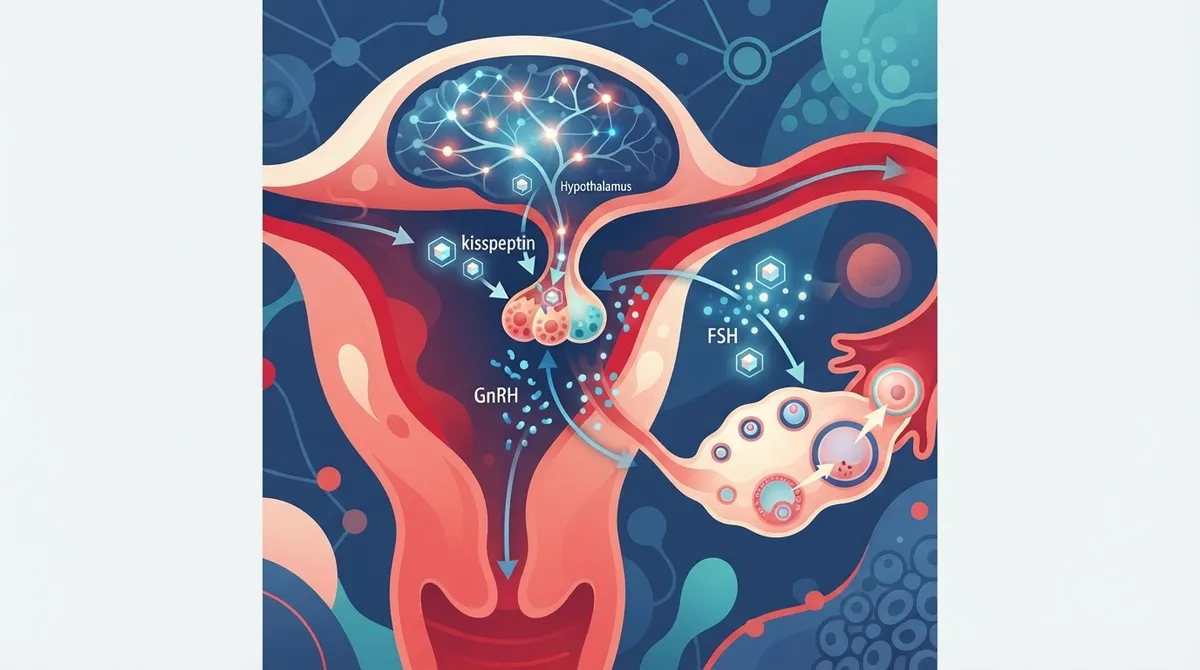
Kisspeptin is a hormone made in your hypothalamus, a small part of your brain. It triggers a chain reaction. First, it turns on GnRH, a signaling hormone. GnRH then tells your pituitary gland to release LH and FSH. These two hormones control ovulation, sperm production, and sex hormone levels in men and women.
"Kisspeptin combined therapy" refers to research where doctors pair kisspeptin with other fertility or hormone treatments. It is not a single approved drug or a routine treatment you can request at a clinic. Instead, it is an active area of study in reproductive endocrinology, mostly linked to in vitro fertilization (IVF) and hormone-related fertility issues.
How Kisspeptin Works in the Body
Think of kisspeptin as a switch that starts your reproductive hormone system. Without enough kisspeptin activity, your body may not release the hormones needed for ovulation or healthy testosterone levels. Researchers are testing whether adding kisspeptin to existing treatments can restore this signal more naturally than current options.
Why Researchers Are Combining Kisspeptin With Other Treatments
Doctors are not studying kisspeptin alone. They are testing it alongside proven treatments to see if it improves results or lowers risks. Here are the main combinations being researched:
- Kisspeptin paired with controlled ovarian stimulation during IVF cycles
- Kisspeptin used instead of hCG as a trigger shot for egg maturation
- Pulsatile kisspeptin therapy for women with functional hypothalamic amenorrhea
- Kisspeptin combined with treatments for hypogonadotropic hypogonadism
- Kisspeptin studied in men and women with hormone suppression from other health issues
The goal in each case is the same. Scientists want to see if kisspeptin can support the body's own hormone pathways, rather than replacing them completely.
Kisspeptin as an Alternative IVF Trigger
During IVF, patients typically receive a hormone called hCG to trigger the final maturation of eggs before retrieval. This step is critical, but it carries a risk called ovarian hyperstimulation syndrome (OHSS). OHSS can cause pain, swelling, and in rare cases, serious complications.
Kisspeptin may offer a different path. Because it works through your own GnRH and LH pathway, it could trigger ovulation without the same OHSS risk. A 2025 study published in Physiological Reviews looked at 60 women at high risk for OHSS. None of them developed moderate, severe, or critical OHSS after receiving kisspeptin as their trigger. This is an encouraging early finding, though it does not prove kisspeptin is ready for widespread use.
What the Research Shows So Far
Kisspeptin research has grown quickly over the past several years. A 2025 systematic review found 33 clinical trial records related to kisspeptin, with 29 of those being interventional studies. This shows real scientific interest, but it also confirms the evidence is still developing.
Here is a snapshot of what current studies have found:
|
Study Focus |
Key Finding |
Source |
|---|---|---|
|
OHSS risk during IVF |
No moderate, severe, or critical OHSS in 60 high-risk women |
Physiological Reviews, 2025 |
|
IVF trigger dosing |
Doses ranged from 1.6 to 12.8 nmol/kg in ovarian stimulation trials |
ClinicalTrials.gov, NCT01667406 |
|
Pregnancy outcomes |
Biochemical pregnancy in 63%, clinical pregnancy in 53%, live birth in 45% |
Small, early-stage IVF studies |
|
Functional hypothalamic amenorrhea |
5 of 6 women resumed ovulation after pulsatile kisspeptin-54 infusion |
8-week clinical study |
|
Safety in trials |
Administered to over 150 volunteers with no serious related adverse events reported |
Clinical trial documentation |
These numbers sound promising, but they come from small groups of patients studied for short periods. They should not be treated as guaranteed success rates for the general public.
A Natural Hormone With a Surprising Role in Pregnancy
One interesting fact about kisspeptin is how much it changes during natural pregnancy. Levels in the blood rise by roughly 7,000 to 10,000 times compared to normal. This shows kisspeptin plays a major role in supporting pregnancy naturally. However, this fact alone does not prove that giving kisspeptin as a medication is safe or effective. Your body producing high levels naturally is very different from receiving it as a lab-made treatment.
Conditions Being Studied With Kisspeptin Therapy
Beyond IVF, researchers are exploring kisspeptin for several hormone-related conditions. These include:
- Functional hypothalamic amenorrhea, where stress, low body weight, or excessive exercise stops periods
- Hypogonadotropic hypogonadism, a condition where the brain does not send proper signals to the reproductive organs
- Hyperprolactinemia-related hormone suppression
- Diabetes-related hypogonadism in men
- General infertility linked to irregular ovulation
It is worth noting that many of these conditions have other, well-established causes. Thyroid disease, eating disorders, and certain medications can all disrupt reproductive hormones. This is why a proper medical evaluation matters so much before jumping to conclusions about kisspeptin.
Kisspeptin Versus Standard Hormone Treatments
Patients often ask how kisspeptin compares to treatments already in use. Here is a simple breakdown:
|
Treatment |
How It Works |
Approval Status |
|---|---|---|
|
hCG (IVF trigger) |
Directly mimics LH to trigger egg maturation |
FDA-approved for fertility use |
|
GnRH agonists |
Stimulate or suppress the pituitary gland depending on use |
FDA-approved for several conditions |
|
Kisspeptin |
Activates the body's own GnRH release pathway |
Not FDA-approved; investigational only |
This table shows why kisspeptin is often described as a more "physiologic" option. It works with your body's natural signals rather than replacing a hormone directly. But without FDA approval, it remains a research tool rather than a treatment option at your doctor's office.
Is Kisspeptin Available at a Primary Care or Wellness Clinic?
This is one of the most common questions patients ask. The honest answer is no. Kisspeptin combined therapy is not an approved treatment offered in routine primary care or wellness settings. It has no FDA-approved indication for fertility, hormone replacement, weight management, or sexual health.
You may see kisspeptin products advertised online or through compounding sources. Be very cautious here. These products are not regulated the same way as approved medications. Quality, dosing accuracy, and safety cannot be guaranteed outside of a properly run clinical trial.
What a Responsible Clinic Should Tell You
A trustworthy primary care or wellness provider should be transparent about the current state of kisspeptin research. Here is what good medical guidance looks like:
- Explaining that kisspeptin is investigational, not an approved therapy
- Referring patients with fertility concerns to a reproductive endocrinologist
- Screening for known causes of menstrual irregularity or infertility first
- Checking thyroid function, prolactin levels, and other common hormone issues
- Being honest about the limits of current safety and effectiveness data
At InCare, our providers focus on giving patients accurate, evidence-based information rather than promoting unproven treatments. If you have concerns about fertility or hormone health, a proper evaluation is always the safer first step.
Steps to Take If You Are Concerned About Fertility or Hormone Health
Instead of searching for unregulated kisspeptin products, consider this approach instead:
- Schedule a comprehensive wellness visit to review your health history
- Ask for basic hormone testing, including thyroid and prolactin levels
- Discuss any menstrual irregularities, low libido, or unexplained fatigue with your doctor
- Get a referral to a reproductive endocrinologist if fertility is a concern
- Explore proven options like DNA gene testing to better understand your personal health risks
- Consider body composition analysis if weight or metabolic health may be affecting your hormones
These steps give you a clearer picture of your health without relying on treatments that are not yet proven safe for general use.
Common Causes of Hormone Imbalance Worth Ruling Out First
Before considering any experimental therapy, it helps to rule out more common and treatable causes of hormone imbalance. These include:
- Thyroid disorders, both overactive and underactive
- High prolactin levels from certain medications or pituitary issues
- Excessive exercise or very low body weight
- Chronic stress affecting the hypothalamus
- Polycystic ovary syndrome (PCOS)
- Diabetes or insulin resistance
Many of these conditions have well-established, FDA-approved treatments. A thorough workup at a primary care clinic can often identify the real cause of symptoms without needing experimental peptides.
Safety Considerations and Current Limitations
Short-term studies suggest kisspeptin is generally well tolerated in research settings. However, several important gaps remain in the science:
- Long-term safety data is limited
- Optimal dosing has not been standardized
- Effects of repeated or long-term use are not well understood
- Drug interactions have not been fully studied
- Pregnancy outcomes have only been tracked in small groups
- Comparative effectiveness against approved treatments like hCG is still being researched
Because of these gaps, medical experts advise against using kisspeptin outside of a supervised clinical trial. If you see kisspeptin marketed as a wellness supplement or fertility booster, treat those claims with skepticism.
Why Working With a Trusted Primary Care Team Matters
Reproductive and hormone health can feel confusing, especially with new research trends appearing online. Having a primary care team you trust makes a real difference. At InCare, we combine advanced diagnostic tools with honest, personalized guidance. Our Tampa and Riverview locations offer services ranging from cancer screenings to weight loss programs, all designed to support your whole-body health.
If hormone imbalance, fertility concerns, or unexplained symptoms are affecting your daily life, our team can help you find real answers. We also connect patients with trusted specialists when more advanced reproductive care is needed. You can learn more about our approach to comprehensive primary care and how it supports long-term wellness.
Patients often share their experiences with our team online. You can visit us on Google — InCare to read reviews from people in Tampa and Riverview who have trusted us with their health. We also share wellness tips and clinic updates on Facebook, Instagram, and TikTok.
What to Expect During a Hormone Health Consultation
If you book an appointment to discuss fertility or hormone concerns, here is what typically happens:
- A detailed conversation about your symptoms and health history
- Blood tests to check hormone levels, thyroid function, and other markers
- A physical exam to rule out other health issues
- A personalized plan based on your specific results
- Referrals to specialists if advanced fertility care is needed
This approach ensures you get real answers instead of chasing unproven trends.
The Bottom Line on Kisspeptin Combined Therapy
Kisspeptin combined therapy is an exciting area of medical research. Early studies suggest it may help reduce OHSS risk during IVF and restore ovulation in some women with hormone suppression. But it remains investigational. It has no FDA approval, no standardized dosing, and limited long-term safety data.
If you are struggling with fertility, irregular periods, or low hormone levels, the smartest first step is a proper medical evaluation. Skip the unregulated products and work with a team that puts your safety first. Our staff at InCare is ready to help you understand your options and connect you with the right specialists when needed. To take the next step in your health journey, reach out to our team today or schedule your appointment now.
FAQs
Q: What is kisspeptin combined therapy?
A: Kisspeptin combined therapy refers to research combining the natural hormone kisspeptin with existing fertility or hormone treatments. It is being studied mainly for IVF trigger protocols and hormone-related reproductive issues, but it is not yet an approved, standardized treatment.
Q: Is kisspeptin FDA approved for fertility or hormone treatment?
A: No. Kisspeptin does not have FDA approval for fertility, hormone replacement, or any other medical use. Current research remains investigational and is conducted through clinical trials rather than routine medical care.
Q: Can kisspeptin be combined with IVF medications?
A: Researchers are studying kisspeptin as a possible alternative to hCG for triggering egg maturation during IVF. Early studies suggest it may lower the risk of ovarian hyperstimulation syndrome, but this use is still experimental and not standard practice.
Q: Is kisspeptin treatment available through a primary care or wellness clinic?
A: Kisspeptin is not offered as a routine treatment at primary care or wellness clinics. Patients interested in fertility or hormone support should be evaluated for established conditions first and referred to a reproductive endocrinologist if needed.
Q: What are the side effects and risks of kisspeptin?
A: Short-term studies suggest kisspeptin is generally well tolerated, with no serious related adverse events reported in trials involving over 150 participants. However, long-term safety, optimal dosing, and drug interactions have not been fully established.