

Key Takeaways
- AOD-9604 is a investigational 16-amino-acid peptide based on a fragment of human growth hormone, originally developed as an obesity treatment but never FDA-approved for weight loss or any therapeutic use.
- Early small trials showed a modest weight-loss signal (2.6 kg vs 0.8 kg placebo over 12 weeks), but the larger 24-week Phase IIb OPTIONS trial with 502 adults did not confirm a meaningful benefit.
- The obesity development program was discontinued in 2007, and FDA review materials conclude the available evidence does not support its effectiveness for obesity.
- The term GRAS (generally recognized as safe) applies to food ingredients and does not mean AOD-9604 is safe or effective as a weight-loss drug, so be wary of sellers using it.
- Compounded or research-grade AOD-9604 raises unresolved FDA concerns, including limited safety data, possible immune reactions (immunogenicity), and peptide-related impurities.
- Evidence-based weight management under a licensed clinician, with metabolic testing, body composition tracking, and approved options when appropriate, offers safer and more personalized results than an unproven peptide.
If you have searched for new weight-loss options online, you may have seen the name AOD-9604. It is often described as a fat-burning peptide with the benefits of growth hormone and none of the downsides. That sounds appealing. But before you consider it, you deserve a clear answer to a simple question: what is AOD-9604, and does the science support the claims?
In short, AOD-9604 is an investigational peptide that was studied as an obesity treatment. Early research looked promising. Later, larger research did not confirm a meaningful benefit. It is not an FDA-approved medicine for weight loss.
This guide explains what AOD-9604 is, how it was meant to work, what clinical trials found, and what the safety concerns are. You will also learn which evidence-based options exist today. For busy adults, young families, and wellness-minded patients across Tampa and Riverview, the goal is simple: help you make safe, informed choices about your health in 2026.
What Is AOD-9604?
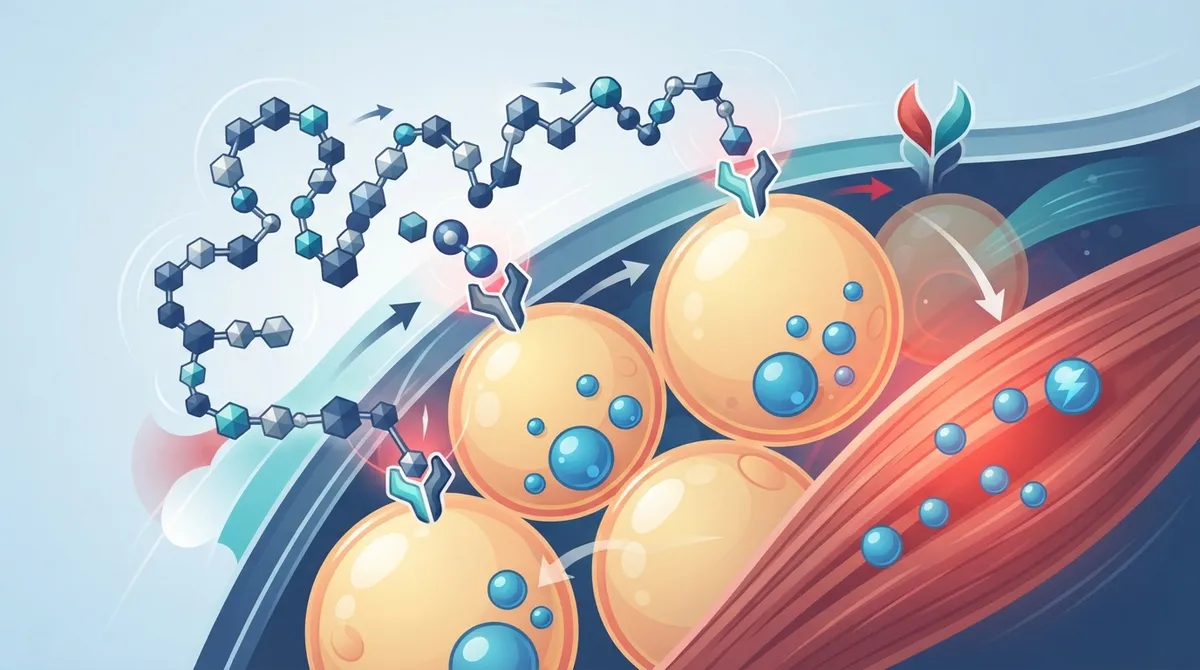
AOD-9604 is a synthetic peptide. A peptide is a short chain of amino acids, the building blocks of proteins. This one has 16 amino acids. It is based on a small piece of human growth hormone (hGH), specifically residues 176 to 191, with an extra tyrosine added to the chain.
Researchers created it to test a simple idea. Could a small fragment of growth hormone help the body break down fat without the wider effects of full growth hormone? Full-length growth hormone affects growth, blood sugar, and many other systems. A fragment, in theory, might be more targeted.
It was developed as a possible treatment for obesity. It was never approved as a medicine for weight loss or any other therapeutic use.
Quick Facts at a Glance
|
Feature |
What We Know |
|---|---|
|
Type |
Synthetic peptide (16 amino acids) |
|
Source |
Based on a fragment of human growth hormone |
|
Original goal |
Treatment for obesity |
|
FDA drug approval |
Not approved for weight loss or any therapeutic use |
|
Development status |
Obesity program discontinued in 2007 |
|
Mechanism in humans |
Not firmly established |
How Is AOD-9604 Supposed to Work?
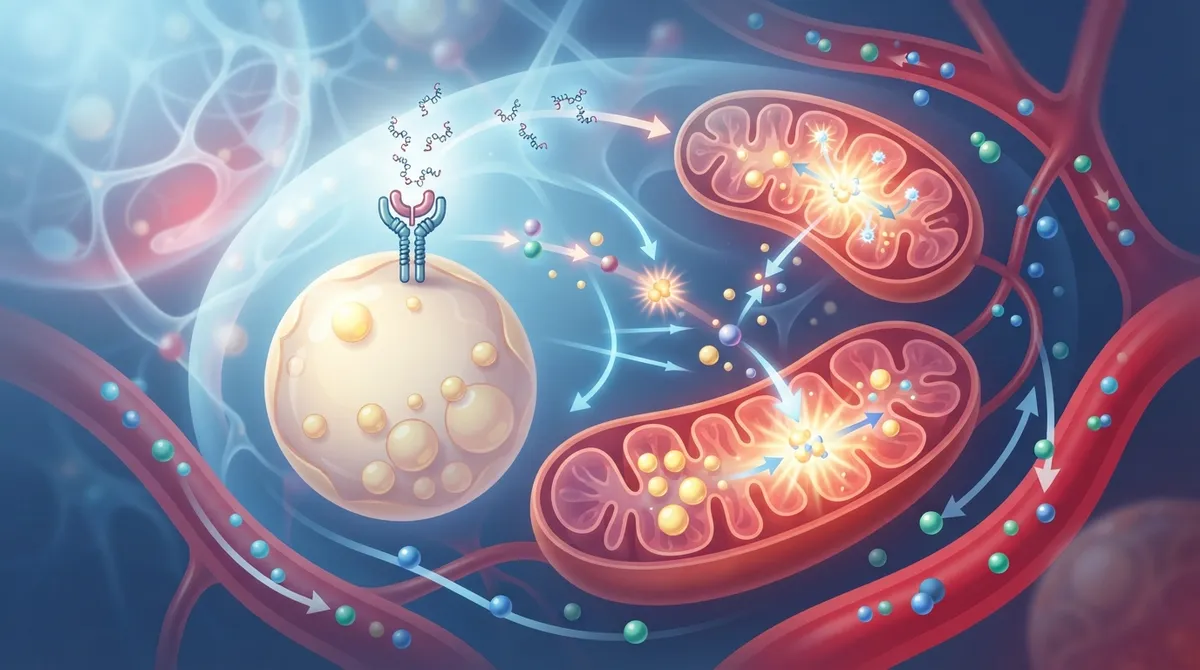
The proposed idea is that AOD-9604 may influence how the body handles fat. Some research suggests it may support fat breakdown and reduce fat formation. It was also thought to avoid the broader growth-promoting effects linked to full growth hormone.
It is important to be careful here. These are proposed effects. The exact way AOD-9604 works in humans has not been proven. Early lab and animal work often does not translate into real results for people. That is a common pattern in drug development, and it matters for this peptide.
Is AOD-9604 the Same as HGH?
No. AOD-9604 is a small fragment built from part of the growth hormone molecule. It is not the full hormone. It is also not the same as growth hormone therapy that doctors prescribe for diagnosed deficiencies. The two should not be treated as interchangeable.
What Did the Clinical Trials Find?
The history of AOD-9604 shows why large, well-designed trials matter. Early studies gave some hope. Later results did not hold up.
The Early Signals
A 12-week trial summarized in a medical review reported average weight loss of 2.6 kg in people taking 1 mg per day of AOD-9604. People taking a placebo lost an average of 0.8 kg. That looked like a small but encouraging difference.
The Larger Trial
The key test came next. The Phase IIb OPTIONS trial enrolled 502 adults with obesity. Participants took oral AOD-9604 at doses of 0.25, 0.5, or 1 mg per day, or a placebo, for 24 weeks.
The trial did not show a clinically meaningful weight-loss benefit across the study population. The early result was not confirmed.
What Happened Next
After the larger trial failed to show significant benefit, the sponsor stopped developing AOD-9604 as an obesity drug in 2007. FDA review materials also state that the available evidence does not support the effectiveness of AOD-9604 for obesity. That holds for both the free-base and acetate forms, by any route of administration.
- Early small studies reported a modest weight-loss signal.
- The larger 24-week trial with 502 adults did not confirm it.
- The obesity program was discontinued in 2007.
- FDA review materials conclude the evidence does not support effectiveness for obesity.
Is AOD-9604 FDA Approved?
No. AOD-9604 is not an FDA-approved medicine for weight loss or for any other therapeutic use. This is the most important fact for anyone considering it.
You may see the term GRAS in some online discussions. GRAS means "generally recognized as safe" and applies to food ingredients. A GRAS determination is not the same as drug approval. It does not show that AOD-9604 is safe or effective as a weight-loss treatment. Be cautious if a seller uses this term to suggest a medical benefit.
What About Compounded AOD-9604?
Some people ask whether a compounding pharmacy can legally make it. The answer is complicated, and the safety questions are real. The FDA evaluated AOD-9604 through its Pharmacy Compounding Advisory Committee process. FDA materials point to several unresolved concerns for compounded use:
- Limited safety information for compounded products
- Possible immune reactions, known as immunogenicity
- Peptide-related impurities that may be present in a product
FDA materials also report that outsourcing facilities did not report making AOD-9604 products to the agency during 2017 to 2023. In plain terms, this is not a well-established, regulated treatment path.
What Are the Risks and Side Effects?
Human trials reported generally favorable short-term tolerability. That sounds reassuring, but it has limits. Short-term tolerability does not prove effectiveness. It also does not prove safety for long-term use, other formulations, or compounded products.
The bigger risk may be the source. Research-grade or online products are not approved medicines. Their strength, purity, and contents can vary. You may not know what is actually in the vial.
Key Risks to Consider
- No proven benefit: The larger trial did not show meaningful weight loss.
- Unknown long-term safety: Studies were short and did not cover every use.
- Quality concerns: Products sold online are not held to drug standards.
- Delayed real care: Spending time and money on an unproven product can delay treatments that work.
If you have already used a product like this, do not feel embarrassed. Share it with your clinician. Honest information helps your care team keep you safe.
AOD-9604 vs. Evidence-Based Weight Management
Many people look at peptides because they feel stuck. Diet and exercise alone can be hard, especially with a busy schedule, young children, or a demanding job. Medical weight management offers more structure than a single product ever could.
|
Factor |
AOD-9604 |
Physician-Guided Weight Management |
|---|---|---|
|
FDA approval for weight loss |
No |
Approved options exist and are prescribed when appropriate |
|
Clinical evidence |
Large trial did not confirm benefit |
Supported by established clinical research |
|
Medical oversight |
Often none |
Ongoing monitoring by a licensed clinician |
|
Personalization |
One-size-fits-all product |
Plan built around your health history and goals |
Understanding what makes medical weight loss different from dieting can help you see why a full plan works better than a single supplement. Our team also explains how to choose the best injection for weight loss in 2026 if you want to compare prescription options with a clinician.
Evidence-Based Alternatives to Consider
A safe weight plan starts with understanding your body. At InCare, our weight loss program uses personalized care backed by modern technology. Tools can include metabolic breath analysis to assess how your body uses energy, and body composition analysis to track fat and muscle over time.
Some patients also benefit from DNA gene testing, which can offer insight into how your body may respond to food and lifestyle. If you are curious about prescription options, you can read about weight loss injections cost and what to expect in 2026.
Steps to a Safer Weight Plan
- Schedule a visit with a licensed primary care clinician.
- Review your health history, medications, and goals.
- Complete baseline testing, such as metabolic and body composition checks.
- Build a plan that blends nutrition, movement, sleep, and medical support when appropriate.
- Follow up regularly so your plan can adjust as you progress.
This approach matters because weight is tied to many health conditions. A regular primary care relationship helps you manage blood pressure, blood sugar, and screening needs all in one place. Learn more about primary care at InCare and why preventive care works best when it is consistent.
How to Spot Unreliable Peptide Claims
The wellness world moves fast, and social media can make a new product look proven overnight. Use this checklist before trusting any peptide claim:
- Does the seller say it is "FDA approved" for weight loss? Verify it independently.
- Are the studies large, human, and peer reviewed, or only small or animal studies?
- Is a licensed clinician involved in prescribing and monitoring?
- Does the product say "for research purposes only"? That is a warning sign for personal use.
- Are the promises dramatic and fast? Real results are usually gradual.
If you are interested in peptide therapy in general, speak with a clinic that follows medical standards. Our guide to peptides in Tampa explains how a physician-guided approach differs from buying products online.
Take the Next Step With Confidence
So, what is AOD-9604? It is a lab-made fragment of growth hormone that was once studied for obesity. Early results gave a small signal. The larger 24-week trial with 502 adults did not confirm a meaningful benefit, the obesity program ended in 2007, and FDA review materials say the evidence does not support its effectiveness. It is not an approved weight-loss medicine.
Your health deserves more than an unproven product. At InCare, our team in Tampa and Riverview offers personalized, technology-supported care built around you. You can follow InCare on Facebook, see wellness tips on Instagram, or watch our updates on TikTok. You can also read what our InCare patients say on Google.
Ready to talk with a licensed clinician about safe, effective weight management? Book Now to schedule your visit, or contact our team with any questions.
FAQs
Q: What is AOD-9604 and how is it supposed to work?
A: AOD-9604 is a synthetic 16-amino-acid peptide based on a fragment of human growth hormone. It was proposed to support fat breakdown and reduce fat formation without the broader effects of full growth hormone. Its exact mechanism in humans has not been established.
Q: Is AOD-9604 FDA approved for weight loss?
A: No. AOD-9604 is not an FDA-approved medicine for weight loss or any other therapeutic use. FDA review materials state that the available evidence does not support its effectiveness for obesity.
Q: Does AOD-9604 actually help people lose weight?
A: Early, smaller studies reported a modest weight-loss signal. However, the larger Phase IIb OPTIONS trial of 502 adults did not show a clinically meaningful benefit, and the obesity program was discontinued in 2007.
Q: Is compounded AOD-9604 safe to use?
A: Safety for compounded AOD-9604 is not well established. FDA materials raise concerns about limited safety data, possible immune reactions, and peptide-related impurities. Products sold online as research-grade are not approved medicines and should not be treated as such.
Q: What are safer, evidence-based alternatives for weight management?
A: A licensed clinician can build a medical weight management plan that may include nutrition guidance, activity, metabolic testing, body composition tracking, and approved prescription options when appropriate. This approach offers monitoring and personalization that an unproven peptide cannot.


