Key Takeaways
- Injectable GHK-Cu lacks FDA approval, large human safety trials, and standardized dosing protocols; it is sold as an unregulated research chemical with unquantified risks of copper accumulation, sterility issues, and immune reactions.
- Topical GHK-Cu serums are generally low-risk with only mild, temporary side effects like redness and itching, but avoid use on recently treated or inflamed skin and always patch test first.
- People with Wilson disease, liver disease, copper-metabolism disorders, or those already taking copper supplements must avoid GHK-Cu entirely; pregnant, breastfeeding individuals, and children should consult a doctor before any use.
- Seek immediate medical attention for injection-site infections, spreading swelling, fever, facial swelling, persistent nausea, jaundice, or metallic taste, as these may indicate serious infection or copper toxicity.
Copper peptide serums are everywhere in skincare aisles, and online sellers now push injectable versions promising anti-aging and healing benefits. If you are curious about GHK-Cu, you need clear facts before you apply it to your skin or consider anything stronger. This guide breaks down the real GHK-Cu warnings backed by current research, so you can make a smart, safe choice for your health.
At InCare, we believe wellness decisions should be based on evidence, not marketing hype. Whether you are exploring peptide therapy in Tampa or simply want a trusted primary care team to answer your questions, understanding the risks matters. Let's look at what GHK-Cu is, where the dangers lie, and who should avoid it.
What Is GHK-Cu and Why Does It Matter?
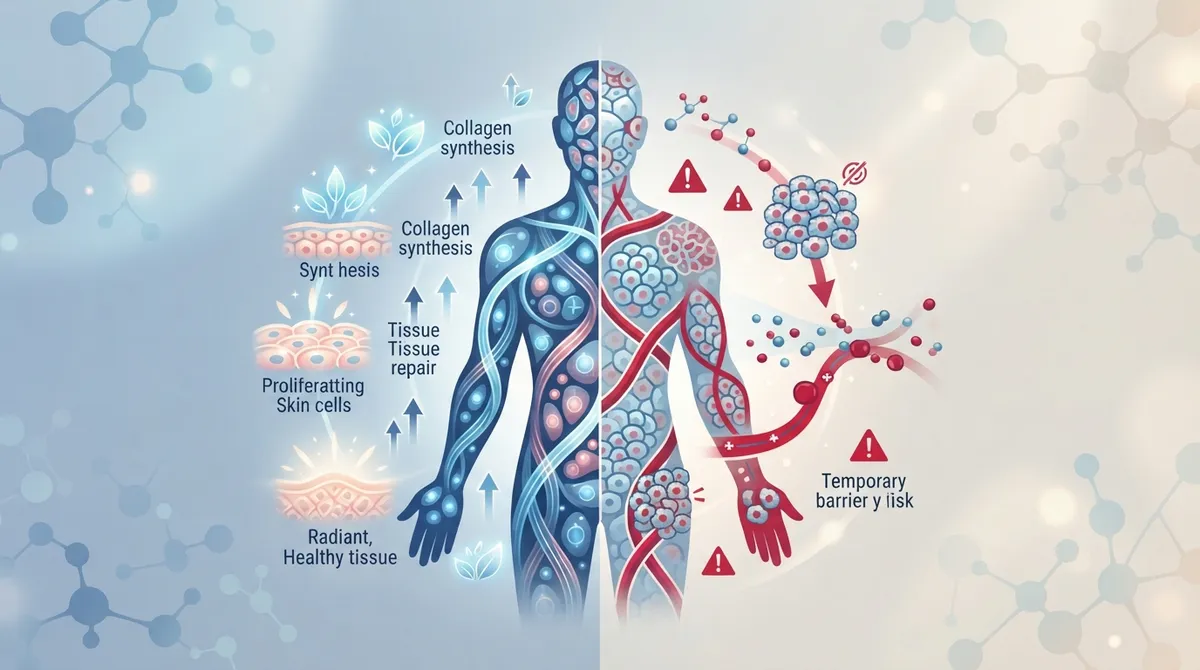
GHK-Cu, also called copper tripeptide-1, is a naturally occurring peptide that binds copper. It shows up in cosmetic serums, creams, and moisturizers. It has a long history in skincare products.
The problem starts when people confuse topical use with injectable use. These are two very different exposures with very different risk levels. A serum you rub on your skin is not the same as a compound injected into your body.
- GHK-Cu is FDA-recognized as a cosmetic ingredient, not an approved drug for injection
- Topical products have decades of use history in skincare
- Injectable forms lack large human safety trials
- Dosing for injections has no official standard
- Compounded versions may carry contamination risks
Topical GHK-Cu Warnings You Should Know
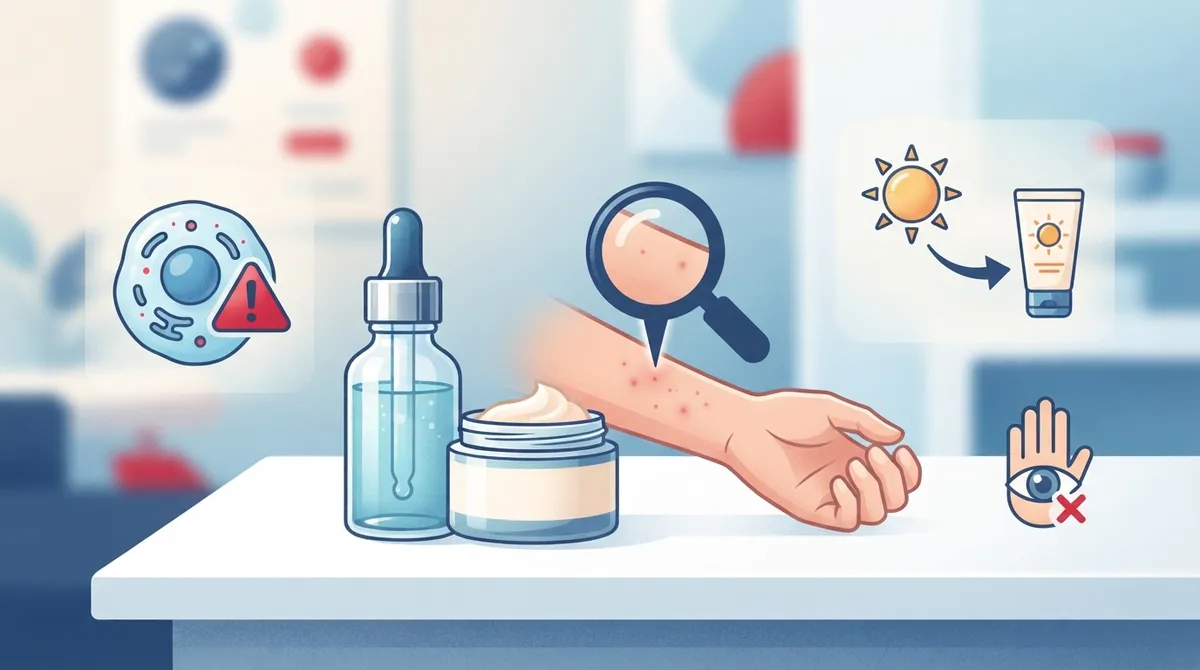
Using GHK-Cu on your skin is generally considered low risk. Still, some people experience unwanted reactions.
Common Side Effects of Topical Use
Most skin reactions are mild and go away quickly. Watch for these signs when trying a new serum or cream.
- Redness or flushing at the application site
- Stinging or burning sensation, especially on broken skin
- Itching or mild irritation
- Dryness or flaking with regular use
- Rare allergic contact reactions
Sensitive skin, recently resurfaced skin, or inflamed areas react more easily. If you just had a chemical peel or laser treatment, wait until your skin heals before trying copper peptide products. Contact allergy is uncommon but possible, so always patch test first.
Injectable GHK-Cu Warnings: A Different Risk Category
This is where caution becomes critical. Injectable GHK-Cu is marketed by some online suppliers as a research chemical for anti-aging, tissue repair, or muscle recovery. These claims go far beyond what science supports.
Why Injectable Use Raises Concerns
Human evidence for injected GHK-Cu is very limited. There are no large, well-controlled clinical trials that establish safe doses or long-term outcomes.
- No standardized dosing protocols exist for injection
- Pharmacokinetics in humans remain poorly studied
- Long-term safety data is essentially absent
- Compounded products may contain impurities or inaccurate concentrations
- Sterility depends entirely on the compounding pharmacy's practices
- Immune reactions and peptide aggregation are documented concerns
A 2018 peer-reviewed review published in the International Journal of Molecular Sciences summarized extensive laboratory and animal research on GHK and GHK-Cu. Even this thorough review did not establish safe injectable dosing or confirm long-term human safety. Most existing data comes from cell studies, animal models, and short cosmetic trials, not injectable human trials.
Copper Accumulation: The Hidden Risk
GHK-Cu contains copper. Your body needs some copper, but too much can cause serious harm.
Who Faces Higher Risk From Copper Exposure
Repeated systemic exposure to copper through injections could theoretically build up in your body over time. This risk grows for people with certain conditions.
- People with Wilson disease or other copper-metabolism disorders
- Individuals with existing liver disease
- Patients already taking copper-containing supplements
- Anyone using frequent or high-dose injectable protocols
- People without regular monitoring or lab testing
Copper toxicity can affect your gastrointestinal tract, blood cells, liver, and nervous system. While researchers have not measured exact rates for GHK-Cu injection risk, the biological concern is real and should not be ignored.
|
Exposure Route |
Evidence Level |
Main Concerns |
|---|---|---|
|
Topical (serums, creams) |
Decades of cosmetic use data |
Mild irritation, rare allergy |
|
Injectable (compounded) |
Very limited human trials |
Sterility, impurities, copper buildup, immune response |
|
Oral supplements |
Minimal research |
Absorption uncertainty, unproven benefit claims |
Who Should Avoid GHK-Cu Products?
Certain groups need extra caution before using GHK-Cu in any form. If you fall into one of these categories, talk to a qualified provider first.
- Pregnant or breastfeeding individuals
- Children and adolescents
- People with liver disease or impaired copper regulation
- Patients with Wilson disease or known copper-metabolism disorders
- Anyone taking other copper supplements regularly
- People considering unregulated online research-chemical purchases
Safety has not been adequately studied for these groups. It is always safer to ask a doctor before adding any new peptide or supplement to your routine, especially one involving copper exposure.
Warning Signs That Require Immediate Medical Attention
If you have used any GHK-Cu product, especially an injectable version, watch for these warning signs. Seek medical care right away if you notice any of them.
- Persistent or severe pain at an injection site
- Spreading redness, warmth, or swelling
- Pus or discharge from an injection area
- Fever or chills
- Facial swelling or difficulty breathing
- Persistent nausea or abdominal pain
- Unusual fatigue that does not improve
- Jaundice, or yellowing of the skin and eyes
- A metallic taste combined with other symptoms
These symptoms could point to infection, allergic reaction, or copper toxicity. Do not wait to see if they resolve on their own. Fast evaluation can prevent serious complications.
How InCare Approaches Peptide Safety
Our team believes in evidence-based wellness. We do not promote unproven injectable trends without proper screening and medical oversight. Before recommending any peptide-based service, our providers review your health history, current medications, and lab results.
If you are curious about safe, medically supervised options, our team of providers can walk you through what is appropriate for your goals. We also offer DNA gene testing to help you understand your body's unique metabolic and genetic profile before starting any new wellness protocol.
Steps to Take Before Trying Any Peptide Product
Follow these steps to protect your health before starting a new peptide regimen.
- Schedule a consultation with a licensed primary care provider
- Share your full medical history, including liver and copper-related conditions
- Ask about current regulatory status of any injectable product
- Request lab testing to check baseline liver and copper levels if relevant
- Avoid unregulated online suppliers selling research-chemical peptides
- Report any adverse symptoms immediately to your provider
Topical vs Injectable: A Quick Comparison
Understanding the difference between these two exposure routes can help you make safer choices.
|
Factor |
Topical GHK-Cu |
Injectable GHK-Cu |
|---|---|---|
|
Regulatory status |
Cosmetic ingredient |
Not FDA-approved for injection |
|
Common side effects |
Mild skin irritation |
Injection-site reactions, systemic risks |
|
Research depth |
Multiple cosmetic studies (8-12 weeks) |
Sparse human data |
|
Copper toxicity risk |
Very low |
Theoretical, unquantified |
|
Sterility concerns |
Minimal |
Depends on compounding source |
Why Working With a Primary Care Team Matters
Wellness trends move fast, but your health decisions should not be rushed. A trusted primary care relationship gives you a safety net when evaluating new products like GHK-Cu.
At our Tampa and Riverview locations, patients get access to comprehensive primary care along with advanced wellness services. This means you can ask questions about peptides, supplements, or emerging treatments without guessing on your own. Our patients also value our body composition analysis and metabolic breath analysis as safer, evidence-backed alternatives to unregulated peptide trends.
We also encourage you to follow us for wellness tips and updates on Facebook, Instagram, and TikTok. Many patients also share their experiences and check reviews before choosing a provider, so feel free to visit us on Google — InCare to see what our community has to say.
Frequently Overlooked Facts About GHK-Cu Regulation
Regulatory classifications can change, so staying informed matters. Here are a few facts many people miss.
- GHK-Cu is listed on cosmetic labels simply as copper tripeptide-1
- No large randomized trials confirm injectable safety in humans
- State compounding pharmacy rules vary and can shift over time
- Research summaries flag immunogenicity and impurity concerns for compounded versions
- Consumers should verify current FDA status before purchasing injectable products
Making a Safer Choice for Your Wellness Goals
GHK-Cu warnings are not meant to scare you away from all skincare products. Topical serums with proper formulation and reasonable use remain a low-risk option for most healthy adults. The real caution applies to injectable and compounded versions sold without medical oversight.
Before you try any peptide-based product, especially one involving injections, talk to a licensed provider who can review your full health picture. This single step can prevent complications and help you avoid wasting money on unproven claims.
Ready to get personalized guidance on peptides, wellness screenings, or your next steps? Reach out to our team today or book your appointment now to start your safer wellness journey with a provider who puts your health first.
FAQs
Q: Is GHK-Cu safe to use on the skin every day?
A: Topical GHK-Cu is generally well tolerated for daily use in most healthy adults. Mild redness, dryness, or stinging can occur, especially on sensitive or recently treated skin. If irritation persists, reduce frequency or consult a provider.
Q: What are the side effects of topical GHK-Cu serum?
A: Common side effects include temporary redness, itching, stinging, and dryness. These reactions are usually mild and resolve on their own. Contact allergy is possible but uncommon.
Q: Is injectable GHK-Cu FDA-approved?
A: No, injectable GHK-Cu is not FDA-approved. It is typically sold through compounding pharmacies or online research-chemical suppliers, which raises concerns about sterility, dosing accuracy, and impurities.
Q: Can GHK-Cu cause copper toxicity or liver problems?
A: Repeated systemic exposure through injections could theoretically contribute to copper buildup, particularly in people with liver disease or copper-metabolism disorders like Wilson disease. This risk has not been fully quantified but remains biologically plausible.
Q: Who should avoid GHK-Cu, including people with Wilson disease?
A: People with Wilson disease, liver disease, or other copper-metabolism disorders should avoid GHK-Cu, especially in injectable form. Pregnant or breastfeeding individuals and children should also consult a provider before use.