Key Takeaways
- Low sex drive is a symptom, not a diagnosis, so the best first step is a confidential medical evaluation to find the underlying cause rather than trying a quick fix.
- Common causes include stress, depression, poor sleep, chronic illness, pain during sex, menopause or postpartum changes, alcohol use, and medication effects.
- Do not stop a prescribed medication such as an antidepressant or blood pressure medicine on your own; talk with the prescriber about dose changes or alternatives first.
- Evaluations typically start with a conversation about your history, mood, sleep, and relationship, with labs chosen based on your symptoms rather than a universal panel.
- Testosterone therapy is appropriate for men only when symptoms are present and low testosterone is confirmed by testing, and it is not meant for low desire alone.
- When choosing a Tampa clinic, ask about credentials, diagnostic criteria, risks, monitoring, costs, and non-hormone alternatives, and be wary of anyone pushing a single product.
A drop in sexual desire can feel confusing and even isolating. Many people assume it is just part of aging or a busy life, and they stay quiet. In truth, low libido is a common symptom with many possible causes, and it often responds well to the right care. If you are searching for low sex drive treatment in Tampa, the best first step is a confidential medical evaluation, not a quick fix or a one-size-fits-all pill.
Low desire is a symptom, not a diagnosis. It can come from stress, poor sleep, medication effects, hormone changes, chronic illness, pain, or relationship strain. Because the causes vary so widely, good treatment starts by finding the real reason. This guide explains the common causes, what a primary care evaluation looks like, which treatments exist, and how to choose a trustworthy clinic in the Tampa area in 2026.

Why Low Libido Is Not a One-Size-Fits-All Problem
Sexual desire changes over a lifetime. It can rise and fall with stress, health, and life events. A lower level of desire is not always a problem. It becomes worth discussing when it lasts, bothers you, or strains your relationship.
Research shows how widely the numbers vary. A Swiss national survey of young adults, reported in a 2023 study, found low sexual desire in 11.3% of participants. That included 17.2% of women and 5.7% of men. An Australian study of 10,554 women aged 18 to 79 found that low desire grew more common with age. Those numbers came from specific surveys, so they should not be applied to everyone. They also do not mean every person was distressed by the change.
A 2025 conference abstract reported worldwide estimates of hypoactive sexual desire disorder (HSDD) between 6% and 32% among adults aged 20 to 70. That wide range reflects differences in how studies define and measure low desire. The takeaway is simple: low libido is common, and it deserves a careful look rather than assumptions.
Common Causes of Low Sex Drive
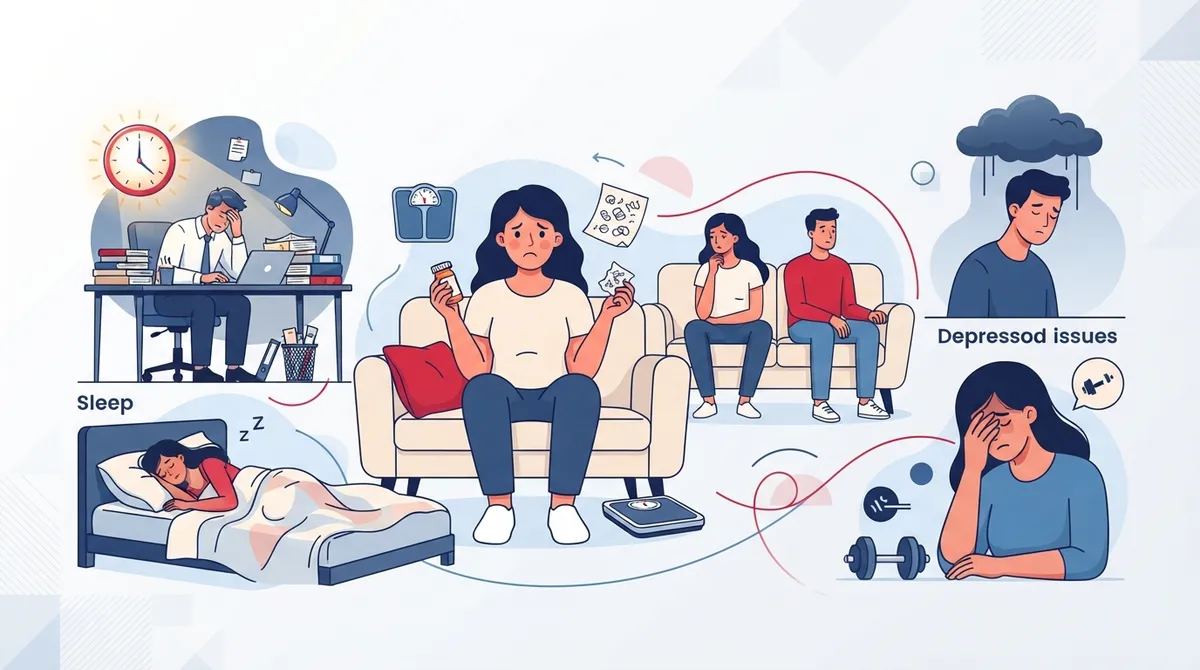
Desire is shaped by the body, the mind, and daily life all at once. A primary care doctor looks at each of these areas. Common contributors include:
- Stress, anxiety, or depression: Mental load often lowers interest in sex.
- Sleep problems and fatigue: Poor rest drains energy and desire.
- Relationship concerns: Conflict, distance, or poor communication can reduce intimacy.
- Chronic illness: Conditions such as diabetes, thyroid disease, and heart disease can affect libido.
- Pain during sex: Discomfort or vaginal dryness can reduce desire over time.
- Menopause or postpartum changes: Hormone shifts can change both comfort and interest.
- Alcohol and other substances: Heavy use can dampen desire.
- Medication effects: Some antidepressants and blood pressure medicines may lower libido.
If you take a medicine you think may be affecting desire, do not stop it on your own. Talk with the prescriber first. Many times a dose change or a different option can help without risking your health.
When Should You See a Doctor About Low Libido?
Consider booking a visit if your desire has dropped and the change worries you. Other signs that call for a conversation include:
- The change has lasted several months or longer.
- It came on suddenly after a new medication, illness, or life event.
- You also have pain, fatigue, mood changes, or other new symptoms.
- It is affecting your relationship or your sense of well-being.
You do not need to wait for a crisis. A short, honest conversation with a primary care provider can often point you in the right direction quickly.
What Happens During a Low Sex Drive Evaluation?
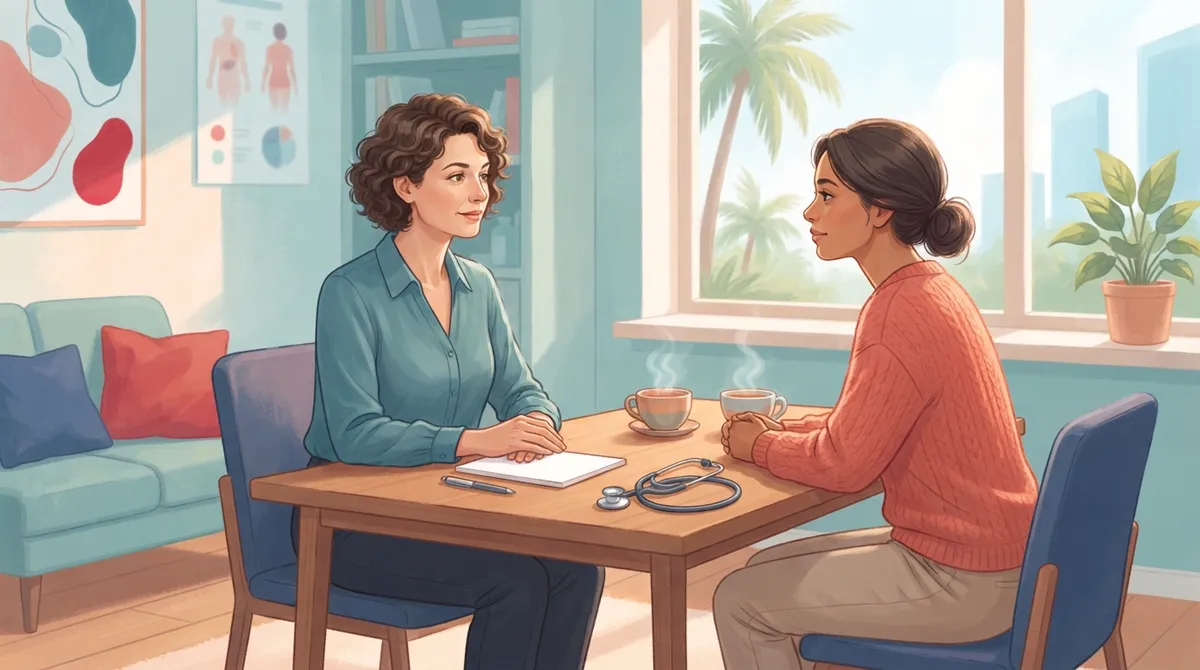
A good evaluation is private, respectful, and tailored to you. It usually begins with a conversation rather than a stack of tests. A clinician will commonly ask about:
- When the change began and whether it is situational or general
- Your medical history and current medications
- Your mood, stress level, and sleep
- Any pain, dryness, or other physical symptoms
- Your relationship and life context
From there, the exam and lab work are chosen based on your history. They are not ordered as a universal panel for everyone. Depending on your symptoms, a clinician may check for conditions such as thyroid disease, diabetes, or elevated prolactin. They may also assess for menopausal symptoms or genital and pelvic pain.
This step-by-step approach is why primary care is such a strong starting point. A doctor who knows your full health picture can connect the dots between your libido and the rest of your health. InCare offers this kind of whole-person primary care at its Tampa and Riverview locations, so you can raise a sensitive topic with a clinician who sees the bigger picture. You can also learn what a broader checkup covers in our guide to what happens during an annual physical exam.
Treatment Options for Low Sex Drive
There is no single treatment that fits everyone. The best plan depends on the cause. The table below shows common approaches and when they may apply.
|
Approach |
What It Involves |
Often Considered When |
|---|---|---|
|
Treating an underlying condition |
Managing thyroid disease, diabetes, or other health issues |
Testing or history points to a medical cause |
|
Medication review |
Discussing options with the prescriber |
A medicine may be affecting desire |
|
Treating pain or dryness |
Addressing discomfort and menopausal symptoms |
Sex is uncomfortable or painful |
|
Counseling or sex therapy |
Working with a mental health or sex therapy professional |
Stress, mood, or relationship factors play a role |
|
Lifestyle support |
Better sleep, stress care, and communication |
Fatigue or daily strain is a major factor |
|
Selected prescription therapy |
Medication after careful diagnosis and review |
A specific diagnosis such as HSDD applies |
Lifestyle, Sleep, and Stress Support
Simple changes can make a real difference. Better sleep, regular movement, and stress management often improve energy and mood. Open conversations with a partner also help. These steps are not flashy, but they support every other treatment.
Counseling and Sex Therapy
When stress, mood, or relationship concerns are driving low desire, counseling can be very effective. A primary care provider can refer you to a mental health professional or sex therapist who fits your needs.
Prescription Options for Some Women
For some premenopausal women diagnosed with acquired, generalized HSDD, the FDA has approved medicines such as flibanserin and bremelanotide. Eligibility, side effects, and expected benefits all need a clinician's review. These are not general libido boosters, and they are not right for everyone.
Do You Need Hormone Testing or Testosterone Therapy?
Hormone treatment gets a lot of attention, but it is not the answer for every person with low desire. For men, testosterone therapy is appropriate when symptoms are present and testing consistently confirms low testosterone, along with a full clinical assessment. It is not meant for low desire alone.
For women, testosterone use is generally off-label in the United States. It requires a careful discussion of risks and close monitoring. Be cautious of any claim that promises guaranteed results.
Hormone treatment should always begin with a proper diagnosis, a clear talk about risks and benefits, and ongoing follow-up. InCare provides physician-guided hormone care, and you can read more about how it works in our overview of testosterone replacement therapy at InCare. Women exploring options may also find our comparison of BHRT vs. traditional HRT helpful.
How to Choose a Reputable Tampa Clinic
Many Tampa-area clinics advertise libido or hormone services. A clinic's marketing does not prove that a treatment is right or effective for you. Before you commit, ask direct questions. Use this checklist:
- Ask about credentials. Who will diagnose and manage your care?
- Ask about diagnostic criteria. How will they decide that a treatment fits you?
- Ask about risks and monitoring. What follow-up and lab checks are included?
- Ask about costs. What is covered, and what are the ongoing fees?
- Ask about alternatives. Are non-hormone options part of the discussion?
A trustworthy clinic welcomes these questions. Be wary of anyone who pushes a single product before taking a full history. You can learn more about our providers and see how our locations serve Tampa and Riverview.
Why Primary Care Is a Smart First Step
A stand-alone libido clinic may focus on one tool, such as a single hormone. A primary care practice looks at the whole picture. That matters because low desire often overlaps with sleep, mood, weight, blood sugar, and medications.
At InCare, care is personalized and built around prevention and whole-body wellness. The practice combines modern technology with medical expertise, and it supports related needs like medical weight loss, metabolic testing, and chronic condition management. With a 4.8 out of 5 rating on Google, InCare has earned strong feedback for its friendly staff and attentive providers. You can read InCare reviews on Google to see what patients say. Staying up to date also helps, and you can follow our health tips on Instagram, Facebook, and TikTok.
For busy professionals and families in Tampa, scheduling is simple. Virtual visits are available, which can feel more comfortable for a private topic. You can start the conversation from home and move to an in-person visit if needed.
Practical Steps You Can Take Today
While you plan a visit, a few steps can help you prepare and feel more in control:
- Note when the change began and what else was happening at the time.
- List all medications and supplements you take.
- Track your sleep, stress, and mood for a week or two.
- Think about what you hope to change, since goals are personal.
- Consider talking openly with your partner about how you both feel.
These notes help your provider move faster toward useful answers. They also make the visit less stressful, since you will already have your thoughts organized.
Take the Next Step Toward Better Answers
Low sex drive is common, treatable in many cases, and nothing to be embarrassed about. The most effective care starts with a private, thorough evaluation that looks at your health, your medications, your mood, and your life. From there, your provider can build a plan that makes sense for you, whether that means treating a medical condition, adjusting a medication, adding counseling, or discussing selected therapies.
If you are ready for clear, respectful answers, book your confidential visit with InCare today. You can also contact our team with questions before you schedule. Our Tampa and Riverview care teams are here to help you feel like yourself again.
FAQs
Q: What causes low sex drive in women and men?
A: Low sex drive can stem from stress, depression or anxiety, poor sleep, chronic illness, pain during sex, menopause or postpartum changes, alcohol use, relationship concerns, or medication effects. Because causes vary, a confidential medical evaluation is the best way to find the reason.
Q: Can medications such as antidepressants lower sex drive?
A: Yes, some antidepressants and blood pressure medicines may affect desire. Do not stop a prescribed medication without talking to the prescriber, who can review dose changes or other options safely.
Q: Are hormone tests or testosterone therapy necessary for low sex drive?
A: Not always. Testing is chosen based on your history and symptoms. Testosterone therapy is appropriate for men with symptoms and consistently low testosterone confirmed by testing, not for low desire alone.
Q: What are the FDA-approved medications for low sexual desire in women?
A: For some premenopausal women diagnosed with acquired, generalized HSDD, flibanserin and bremelanotide are FDA-approved options. A clinician must review eligibility, side effects, and expected benefits, as these are not general-purpose libido boosters.
Q: How can I choose a reputable Tampa clinic for low-libido treatment?
A: Ask about clinician credentials, diagnostic criteria, risks, monitoring, costs, and alternatives. A trustworthy clinic starts with a full history and welcomes your questions rather than pushing a single product.