Key Takeaways
- GHK-Cu is a naturally occurring copper peptide (three amino acids bound to copper) that acts as a signaling molecule to support collagen production, tissue repair, and skin renewal, but it is not an FDA-approved medical treatment.
- Topical GHK-Cu formulations show strong safety profiles with adverse event rates below 1.8% across clinical trials, but injectable or compounded versions carry quality-control concerns due to copper content and require professional medical oversight.
- GHK-Cu is an emerging ingredient with growing research support, but it remains less established than well-studied alternatives like retinol, vitamin C, and hyaluronic acid, so realistic expectations and professional guidance are essential.
- Natural GHK-Cu levels decline with age, which fuels its popularity in anti-aging skincare; typical topical concentrations range from 0.05% to 3%, with 1-2% being the most commonly discussed range for daily use.
- Before starting any GHK-Cu product, consult a healthcare provider about product purity, potential interactions with medications, copper sensitivity, realistic timelines for results, and whether alternative treatments might better address your specific goals.
- GHK-Cu works best when integrated into a comprehensive wellness plan that includes preventive screenings, metabolic health support, and broader anti-aging strategies rather than being used as a standalone treatment.
If you have browsed wellness clinics or skincare shelves lately, you may have spotted the term GHK-Cu on a product label or treatment menu. Many patients ask their doctor about it during a routine visit, unsure whether it is a trend or something backed by science. Understanding the ghk cu definition can help you make smarter choices about your skin, recovery, and overall wellness goals. This guide breaks down what GHK-Cu actually is, how it works in the body, and where it fits into a modern primary care and wellness plan.
At InCare, patients across Tampa and Riverview often bring up peptides like GHK-Cu when discussing anti-aging goals, skin concerns, or recovery support. Because this compound sits at the intersection of dermatology, wellness, and preventive medicine, it deserves a clear, honest explanation rooted in current research rather than marketing hype.
GHK Cu Definition: The Basics You Need to Know
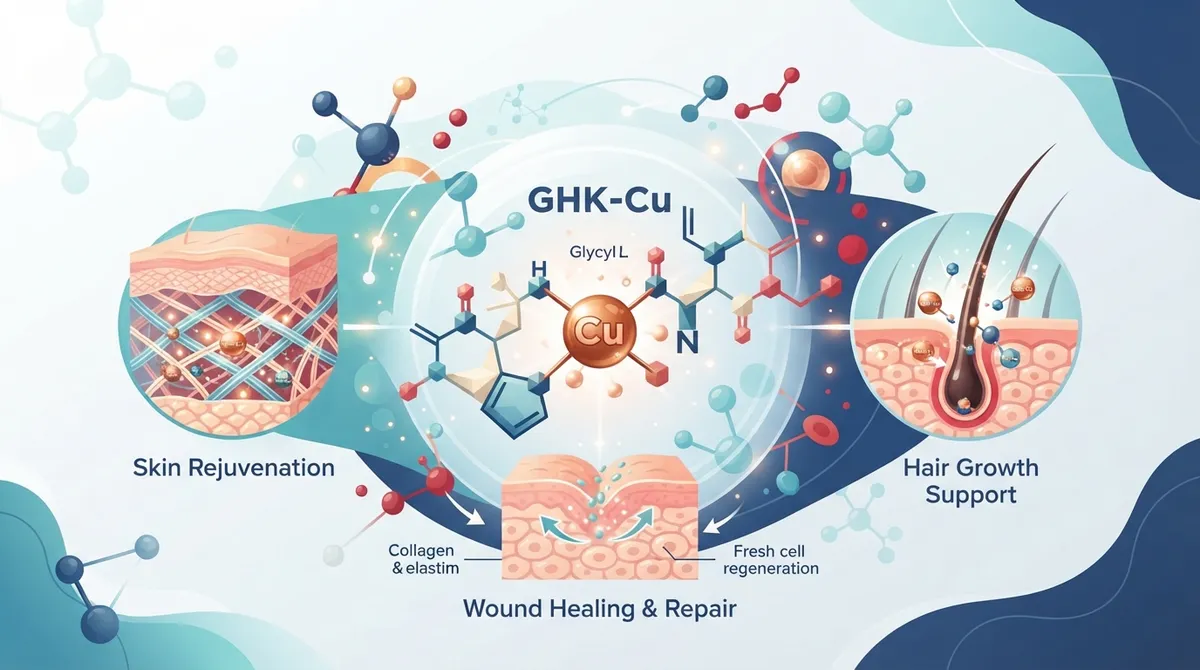
GHK-Cu stands for glycyl-L-histidyl-L-lysine copper. In simple terms, it is a small chain of three amino acids called a tripeptide, bound to a copper ion. This copper peptide occurs naturally in the human body. Scientists first noticed it in human plasma decades ago, and later found it in saliva, urine, and tissue as well.
Your body releases more GHK-Cu after an injury. This natural release is part of why researchers became interested in its role in healing and tissue repair. As people age, natural GHK-Cu levels in the body tend to decline, which is one reason it has become popular in wellness and skincare circles.
- GHK-Cu is a naturally occurring copper peptide, not a synthetic drug invented in a lab.
- It was first identified in human plasma and is linked to the body's wound-healing response.
- Levels of GHK-Cu naturally decrease with age, which has fueled interest in topical replacement.
- It is most commonly found in skincare serums, wellness product lines, and some compounded formulations.
- Reviewed research describes it as having regenerative and protective properties tied to tissue remodeling.
How GHK-Cu Works in the Body
Peptides like GHK-Cu act as signaling molecules. This means they communicate with cells and help direct certain repair processes. According to a peer-reviewed study published on the National Institutes of Health's research database, GHK-Cu is associated with several regenerative and protective actions in tissue, including support for collagen and elastin production.
In practical terms, this signaling activity is why GHK-Cu is often discussed alongside skin renewal, wound healing, and hair support. It is important to understand that having a role in these processes does not automatically make it a stand-alone medical treatment. It is one tool among many that a wellness-focused primary care provider might discuss with you.
Common Uses of GHK-Cu in Wellness Settings
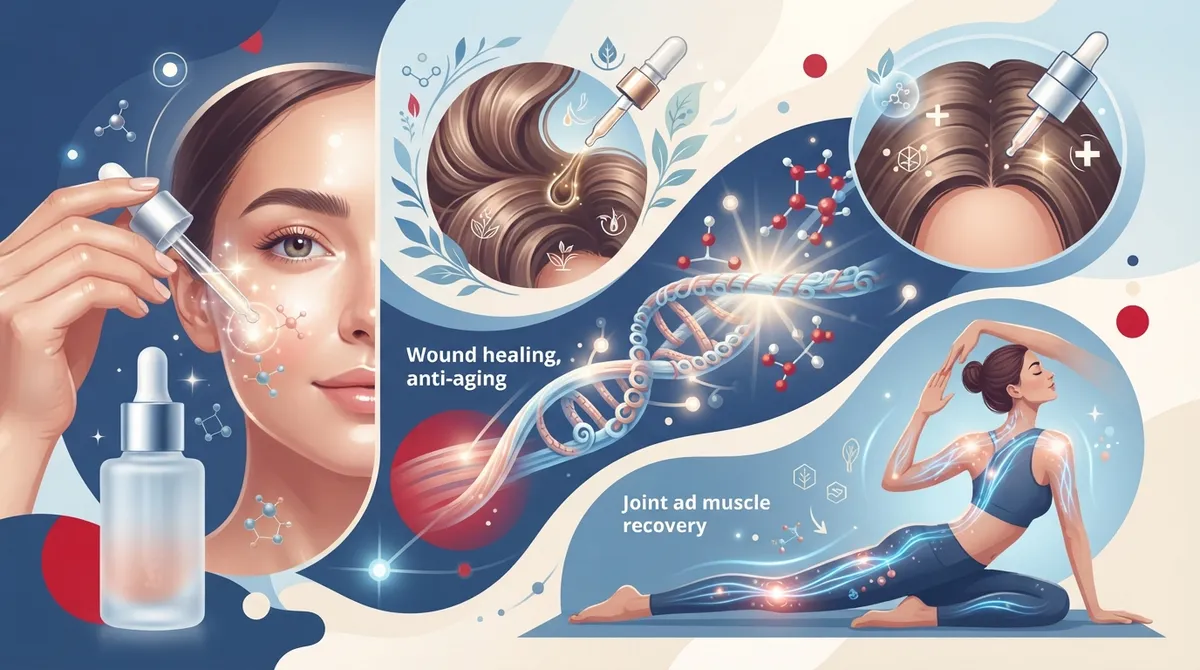
GHK-Cu shows up in several corners of the wellness and skincare world. Knowing where it is used helps you set realistic expectations before trying any product or treatment.
- Skin renewal and anti-aging support: Topical GHK-Cu formulations are marketed to help with fine lines, firmness, and overall skin texture.
- Collagen and elastin support: Some research suggests GHK-Cu may help stimulate the body's own collagen production process.
- Wound healing discussions: Because it appears naturally after tissue injury, GHK-Cu is studied for its possible role in supporting healing.
- Hair support formulations: Certain hair care products include GHK-Cu, often paired with other ingredients aimed at scalp health.
- General wellness and anti-aging routines: Some wellness clinics include GHK-Cu as part of broader skin and cellular health conversations.
If hair thinning is part of your concern, it may help to speak with a provider about hair restoration options that are supported by stronger clinical evidence, alongside any peptide-based products you are considering.
GHK-Cu Compared to Other Common Skin Ingredients
It helps to see how GHK-Cu stacks up against other well-known skin care ingredients people often ask about during wellness visits.
|
Ingredient |
Primary Role |
Typical Use |
Evidence Level |
|---|---|---|---|
|
GHK-Cu |
Copper peptide, tissue signaling |
Topical serums, some compounded formulas |
Emerging, growing research base |
|
Retinol |
Vitamin A derivative, cell turnover |
Topical creams and serums |
Well-established, decades of study |
|
Hyaluronic Acid |
Hydration and moisture retention |
Topical serums and injectables |
Well-established |
|
Vitamin C |
Antioxidant, collagen support |
Topical serums |
Well-established |
This table shows that GHK-Cu is still considered an emerging ingredient compared to long-studied options like retinol or vitamin C. That does not mean it lacks value, but it does mean patients should approach it with realistic expectations and professional guidance.
Is GHK-Cu Safe? What the Research Shows
Safety is one of the most common questions patients bring to their primary care provider. According to a 2020 research review cited in wellness literature, topical GHK-Cu formulations showed adverse event rates below 1.8 percent across 47 clinical trials. None of these adverse events required medical intervention, which is a reassuring sign for topical use.
However, safety data looks different depending on how GHK-Cu is used. Consider these key safety points before starting any GHK-Cu product or protocol.
- Topical GHK-Cu is generally well tolerated based on published trial data.
- Injectable or compounded GHK-Cu carries more quality-control concerns since formulations vary widely.
- Because GHK-Cu contains copper, long-term systemic use raises questions about copper balance in the body.
- Product purity matters significantly, especially for compounded or injectable versions.
- GHK-Cu is not classified as a standard, universally accepted medical treatment in primary care.
A 2026 consumer-health report from USA Today continues to describe GHK-Cu as a naturally occurring copper peptide used mainly in skin and anti-aging products, reinforcing that it remains a wellness-focused ingredient rather than a regulated pharmaceutical therapy.
Topical Concentrations to Know
If you are considering a GHK-Cu product, it helps to understand typical concentration ranges discussed in wellness guidance.
|
Concentration Range |
Common Use Case |
Notes |
|---|---|---|
|
0.05% to 1% |
Daily facial serums |
Lower end, gentle introduction |
|
1% to 2% |
Targeted skin renewal products |
Most commonly discussed range |
|
Up to 3% |
Specialized formulations |
Less common, higher potential for irritation |
How to Approach GHK-Cu Within a Wellness Plan
Rather than trying products at random, it makes sense to fold any interest in GHK-Cu into a broader conversation with your healthcare provider. Here is a simple approach to follow.
- Schedule a wellness visit to discuss your skin, hair, or recovery goals in detail.
- Ask your provider about your current health history, including any copper sensitivity or liver conditions.
- Request information about product quality and sourcing before trying any topical or compounded formula.
- Set realistic expectations based on published research rather than marketing claims.
- Track your results over several weeks, since skin renewal takes time to show visible change.
- Follow up with your provider to review progress and adjust your plan as needed.
This step-by-step approach fits well within a broader comprehensive primary care visit, where your provider can look at your full health picture instead of treating skin or hair concerns in isolation.
Why Professional Guidance Matters
Wellness products are widely available online, but not all of them meet the same quality standards. A trusted provider can help you separate well-supported ingredients from those that are still being studied. This is especially important given the copper content in GHK-Cu, since long-term systemic exposure deserves medical oversight rather than guesswork.
Patients pursuing broader anti-aging or cellular health goals often combine skin-focused peptides with other wellness services, such as DNA gene testing to better understand personal health predispositions, or body composition analysis to track physical changes over time.
GHK-Cu and Broader Wellness Goals
Many patients interested in GHK-Cu are also focused on general anti-aging, energy, and recovery goals. It helps to see how this fits into a bigger wellness picture.
- Skin and tissue support ingredients like GHK-Cu often pair with hydration-focused therapies.
- Whole-body wellness plans may include nutrient support through IV hydration and vitamin drips.
- Preventive screenings remain essential, regardless of any skin or peptide interest, including regular cancer screening visits.
- Weight and metabolic health often influence skin appearance and healing capacity, making programs like medically supervised weight loss relevant for some patients.
- Peptide interest overall has grown, and patients researching options can review general guidance on peptide therapy in Tampa before deciding what fits their goals.
InCare providers, including Dr. Pramjeet Ahluwalia and Dr. Teshy John, regularly help patients sort through wellness trends to figure out what is genuinely useful for their individual health history. This kind of personalized guidance is especially valuable for ingredients like GHK-Cu, where research is still developing.
Questions to Ask Before Starting GHK-Cu
Before adding any new peptide or skincare ingredient to your routine, bring these questions to your next appointment.
- Is this product third-party tested for purity and copper content?
- Could this ingredient interact with any current medications or conditions I have?
- What results are realistic to expect, and over what timeframe?
- Should I start with a lower concentration before trying a stronger formula?
- Are there other treatments in wellness care that might work better for my specific goal?
Bringing a written list of questions to your visit helps you get clear, direct answers instead of leaving with more confusion than you started with.
Why Choose InCare for Wellness Guidance in Tampa and Riverview
InCare combines primary care expertise with modern wellness services, giving patients a single trusted place to ask about ingredients like GHK-Cu alongside their overall health needs. With locations in Tampa and Riverview, plus virtual visit options, scheduling time with a knowledgeable provider is simple and convenient.
Patients consistently highlight the friendly, attentive care they receive at InCare, reflected in a strong 4.8 out of 5 rating from hundreds of Google reviews. You can visit us on Google — InCare to read what current patients say about their experience with the practice. You can also follow ongoing wellness tips and updates through InCare's Facebook page, Instagram account, or Tik Tok channel.
Whether you are curious about GHK-Cu, exploring metabolic breath analysis, or simply need a trusted location near you for your next wellness visit, InCare's team is ready to help you build a plan grounded in real science, not trends.
Final Thoughts on the GHK-Cu Definition
Understanding the ghk cu definition gives you a clearer picture of what this copper peptide actually does, and just as importantly, what it does not do. It is a naturally occurring compound with promising research behind its role in skin renewal, tissue repair, and hair support, but it is not a magic solution or a replacement for professional medical care.
If you are curious whether GHK-Cu or another wellness approach fits your goals, the best next step is a conversation with a provider who knows your health history. Ready to explore your options? Book your visit today and get personalized guidance from the InCare team in Tampa or Riverview. You can also reach out to our team with any questions before your appointment.
FAQs
Q: What is GHK-Cu used for?
A: GHK-Cu is primarily used in wellness and skincare settings to support skin renewal, collagen production, and tissue repair. It is also discussed in relation to hair support, though it is not considered a standard medical treatment for any condition.
Q: Is GHK-Cu good for skin?
A: Research reviews describe GHK-Cu as having regenerative and protective properties that may support skin texture and firmness. Results vary by person, and it works best when used as part of a broader, professionally guided skincare routine.
Q: Is GHK-Cu safe to use?
A: Topical GHK-Cu formulations are generally well tolerated, with adverse event rates below 1.8 percent reported across 47 clinical trials. Injectable or compounded versions require more caution due to quality-control and copper-balance concerns, so professional guidance is recommended.
Q: Does GHK-Cu help hair growth?
A: Some wellness products include GHK-Cu for hair support, often combined with other active ingredients. Evidence specific to hair growth is still developing, so patients seeking stronger results may want to discuss additional hair restoration options with a provider.
Q: Is GHK-Cu FDA approved?
A: GHK-Cu is not established as an FDA-approved standard medical therapy. It is commonly found in cosmetic and wellness products, which fall under different regulatory standards than approved pharmaceutical treatments.