
Key Takeaways
- Many serious conditions, like high blood pressure and early cancer, often cause no symptoms, so a comprehensive physical can catch them early when they are easiest to treat.
- Screenings should be personalized: colorectal cancer screening generally starts at age 45 for average-risk adults, and prediabetes screening applies to adults 35-70 with overweight or obesity.
- Medicare's Annual Wellness Visit is not the same as a traditional head-to-toe physical, so confirm coverage, eligibility, and billing with your plan before booking.
- Fasting is usually needed only for certain blood tests, and a new concern may be billed separately from the preventive portion, so call the clinic ahead to ask.
Most people only see a doctor when something feels wrong. But some of the biggest health risks, like high blood pressure or early cancer, often cause no symptoms at all. A comprehensive physical exam in Tampa gives you a chance to catch these problems early. It also gives you a clear plan for staying well.
Still, many adults are not sure what the visit covers. Is it a head-to-toe check? Does it include blood tests? Will insurance pay for it? The answers depend on your age, your health history, and the clinic you choose.
This guide explains what happens during a comprehensive physical exam in Tampa, which screenings you may need, and how to prepare. You will also learn how a modern primary care practice like InCare can make the visit more useful, not just more routine.
What Is a Comprehensive Physical Exam?
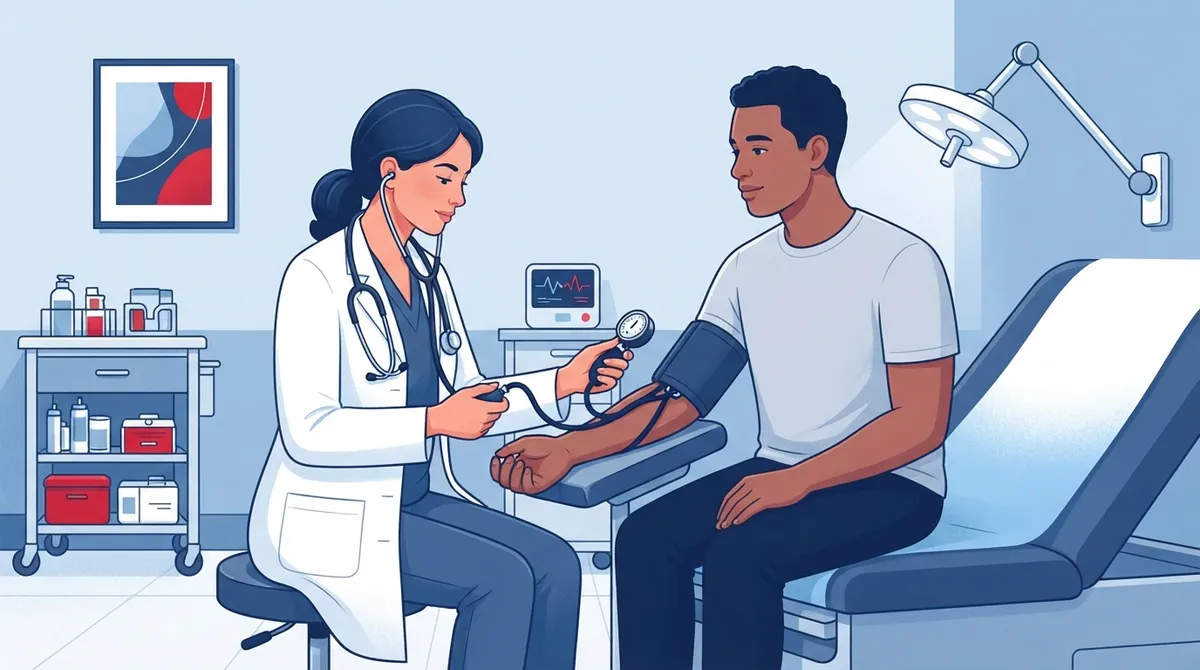
A comprehensive physical exam is a primary care visit that reviews your overall health. The doctor looks at your history, checks your vital signs, performs a focused exam, and plans preventive care based on your risks.
It is not a one-size-fits-all checklist. A healthy 28-year-old and a 55-year-old with a family history of heart disease need different things. Good doctors tailor the visit to you. Routine tests with no clear reason are not always helpful.
Think of the visit as a health check-in and a planning session. You leave with answers, a screening schedule, and next steps.

What Happens During the Visit?
Every clinic runs its visit a little differently. Most comprehensive physicals follow the same basic flow.
- Health history review. Your doctor asks about past illnesses, surgeries, family history, medications, supplements, sleep, stress, diet, and activity.
- Vital signs. The team checks blood pressure, heart rate, temperature, height, weight, and often body mass index.
- Physical exam. The doctor listens to your heart and lungs, checks your abdomen, looks at your head, ears, eyes, and throat, and checks reflexes and skin as needed.
- Screening and lab review. The doctor decides which tests make sense for you, such as bloodwork or cancer screenings.
- Vaccines and counseling. You review your immunization record and talk about nutrition, exercise, sleep, and mental health.
- Action plan. You leave with a clear list of next steps, referrals, and follow-up timing.
Which Screenings Should You Ask About?
Preventive care is not a fixed battery of tests. A clinician reviews current guidance and your personal risks, then recommends what fits. The table below shows common topics based on guidance from the U.S. Preventive Services Task Force (USPSTF).
|
Screening Topic |
Who It Generally Applies To |
Why It Matters |
|---|---|---|
|
Blood pressure |
Adults 18 and older |
High blood pressure often has no symptoms. Elevated office readings should be confirmed with out-of-office measurements before treatment, when appropriate. |
|
Colorectal cancer |
Average-risk adults ages 45 to 75 |
Screening can find cancer or polyps early. Ages 76 to 85 are individualized. |
|
Prediabetes and type 2 diabetes |
Adults ages 35 to 70 with overweight or obesity |
Early detection allows lifestyle changes before diabetes develops. |
|
Depression |
Adults |
Mental health is part of overall health and often goes unnoticed. |
Your own list may be longer or shorter. Family history, symptoms, and past results all shape what your doctor orders. If you want a deeper look, read this guide on cancer screening guidelines by age and risk in 2026.
Annual Physical vs. Medicare Annual Wellness Visit
Many Tampa adults over 65 mix these two visits up. They are not the same thing.
- Traditional physical: A hands-on exam with vital signs, a body check, and tests ordered as needed.
- Medicare Annual Wellness Visit: A yearly preventive assessment and wellness plan built around your health and risk factors. It is not a traditional head-to-toe exam.
Medicare covers one Annual Wellness Visit per year. Local groups such as Tampa General Medical Group describe it as covered at no cost to the patient. Still, you should confirm eligibility, network status, and billing with Medicare or your plan before you book. For a closer look, see this article on what happens during an annual wellness visit.
How Often Should Adults Get a Physical?
There is no single schedule that fits everyone. Many healthy adults benefit from a visit about once a year, while others may do well with longer gaps. Adults with chronic conditions, new symptoms, or higher risk may need more frequent visits.
The best approach is to ask your doctor. A good primary care provider will set a plan based on your age, family history, and results. This article on how often to see your primary care doctor can help you think it through.
How to Prepare for Your Appointment
A little preparation makes the visit faster and more useful. Bring these items:
- A list of all medications and supplements, with doses
- Your family health history, especially cancer, heart disease, and diabetes
- Prior test results and vaccination records
- Your insurance card and photo ID
- A short list of questions or concerns
Call ahead and ask a few simple questions. Do you need to fast for bloodwork? Is the visit billed as preventive care? Can you bring up a new problem during the same visit? A new concern may be billed separately from the preventive portion, so it helps to know before you arrive.
For more tips, see how to prepare and what to bring to your first primary care visit.
What Makes a Tampa Physical Different at a Modern Clinic?
Tampa has many choices, from large health systems to independent practices. BayCare Medical Group, for example, reports more than 65 primary care offices across the Tampa Bay area. Offices vary in what they offer, which insurance they accept, and whether labs are done on site.
A modern, prevention-focused clinic can go beyond the basics. At InCare, the approach combines medical expertise with advanced tools. Depending on your goals and your doctor's advice, a visit can connect to services such as:
- Cancer screenings for early detection
- Metabolic breath analysis to assess how your body uses energy
- Body composition analysis with 3D imaging and AI-powered tracking
- DNA gene testing for personalized health insights
- Medical weight loss programs
- Same-day urgent care when something comes up
These extras are optional and should match your needs. The goal is not more tests. The goal is a clearer picture of your health and a plan you can follow. Learn more about the wellness checkup options in Tampa, FL and compare them with a executive physical exam in Tampa.
Who Benefits Most From a Comprehensive Physical?
Nearly every adult can benefit, but a few groups gain a lot:
- Busy professionals and young families who rarely have time for care and want an efficient, organized visit.
- Adults without a primary care doctor who need a baseline for future care.
- Women ages 18 to 40 who want wellness and screening care beyond OB/GYN visits.
- Health-minded adults who want to use data, such as labs and body composition, to guide prevention.
- Adults with a family history of heart disease, diabetes, or cancer.
If you are new to the area or new to primary care, start with this guide on how to find a family doctor in Tampa, FL in 2026. If your schedule is tight, you may also want to read about same-day annual physicals in Tampa.
How to Choose the Right Doctor for Your Physical
The right fit matters, because you will likely build a long-term relationship. Look for these qualities:
- Clear communication. The doctor explains results in plain language and answers your questions.
- Prevention focus. The practice talks about risk and long-term health, not just treating illness.
- Convenient access. Check hours, locations, telehealth options, and how fast you can get an appointment.
- Insurance clarity. The staff can tell you what is covered and what is not.
- Good patient feedback. Read recent reviews. You can read InCare reviews on Google to see what patients say about our Tampa and Riverview team.
You can also review this list of tips for choosing the best primary care doctor in Tampa.
Get the Most From Your Results
The visit is only the start. Your results matter most when you act on them. Ask your doctor to explain every number in simple terms. Write down follow-up dates. Set one or two small goals, such as walking more or improving sleep, rather than trying to change everything at once.
For ideas on turning your results into action, see how to get the most from preventive care visits in 2026. You can also follow InCare on Instagram and Facebook for health tips, or watch short wellness videos on TikTok.
Take the Next Step Toward Better Health
A comprehensive physical exam in Tampa is one of the simplest ways to protect your long-term health. It helps you catch silent risks, update your screenings, and build a trusted relationship with a doctor who knows your story.
InCare offers personalized primary care in Tampa and Riverview, backed by advanced technology and a prevention-first approach. Ready to get started? Book your appointment online today, or contact our team with any questions about what your visit should include.
FAQs
Q: What does a comprehensive physical exam include?
A: It typically includes a review of your medical and family history, medications, and lifestyle, followed by vital signs and a focused physical exam. Your doctor then decides which screenings, labs, or vaccines fit your age and risk factors.
Q: Do I need to fast before a comprehensive physical exam?
A: Not always. Fasting is usually needed only if your doctor orders certain blood tests, such as fasting glucose or cholesterol. Call the clinic ahead of time to confirm whether you should skip food and drink before your visit.
Q: Does insurance cover an annual physical or wellness exam?
A: Many plans cover preventive visits, but coverage depends on your plan and network. Medicare covers one Annual Wellness Visit per year, yet it differs from a traditional physical. Always verify benefits and billing with your insurer and the clinic before you book.
Q: Can a doctor address a new health concern during a preventive physical?
A: Yes, you can raise new concerns during the visit. Be aware that evaluating a new problem may be billed separately from the preventive portion. Ask the clinic how it handles this so you are not surprised by the bill.
Q: How do I choose a primary care doctor in Tampa for a physical?
A: Look for a doctor who communicates clearly, focuses on prevention, and accepts your insurance. Check office locations, appointment availability, whether labs are on site, and recent patient reviews before you decide.