Key Takeaways
- A Phase 2a human clinical trial (NCT07505745) for MOTS-c is currently underway in 120 adults with prediabetes and obesity, but results have not yet been published—claims of proven human effectiveness are premature.
- Most MOTS-c evidence comes from animal and cell studies showing potential benefits for glucose metabolism and weight management, but animal results do not reliably translate to humans without completed clinical trials.
- Unapproved MOTS-c products sold online carry serious safety risks including unclear dosing, unknown purity, and unverified sterility—consult a licensed healthcare provider before considering any peptide therapy.
- Proven metabolic health strategies like medical nutrition therapy, regular physical activity, adequate sleep, and FDA-approved medications remain the foundation of care while MOTS-c research continues.
Peptide science moves fast, and MOTS-c has become one of the most talked-about names in metabolic research. Patients in Tampa and Riverview are asking their doctors about it. Wellness forums buzz with claims about weight loss and anti-aging power. But what does the actual science say? This article breaks down current MOTS-c research studies in plain language, so you can separate real evidence from marketing hype.
If you care about insulin resistance, prediabetes, weight management, or healthy aging, this topic matters. We will walk through what MOTS-c is, what the studies show, and why working with a trusted primary care team still matters more than any single peptide.

What Is MOTS-c and Why Are Researchers Studying It?
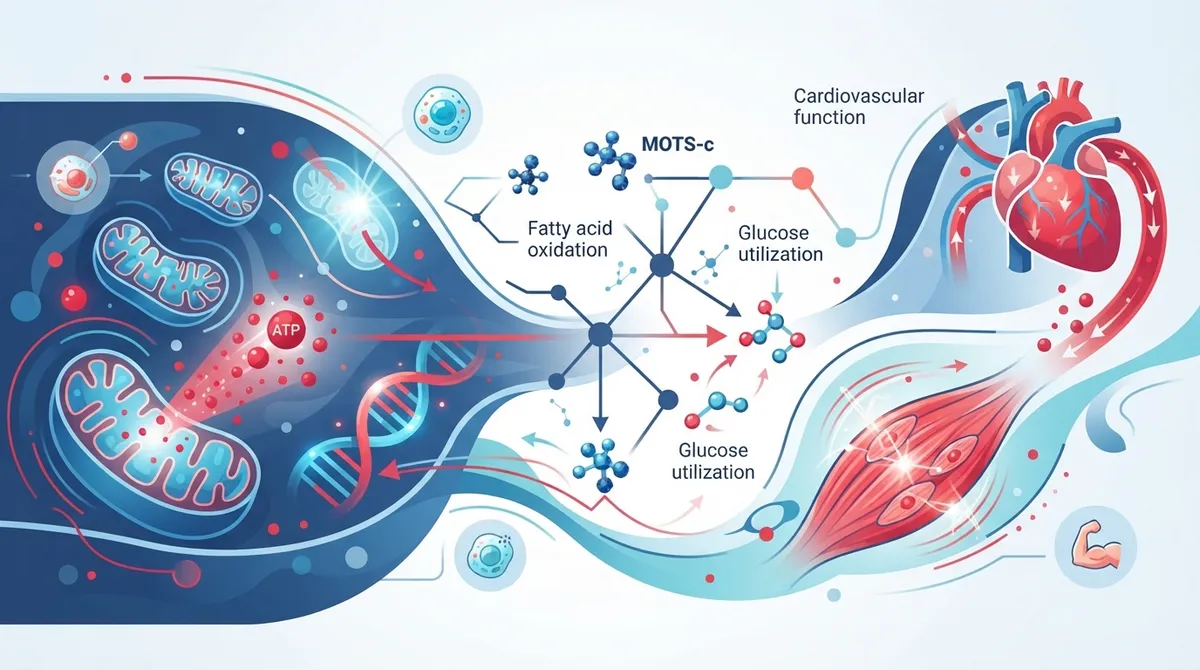
MOTS-c stands for mitochondrial open reading frame of the 12S rRNA-c. That's a mouthful, so think of it simply: it's a tiny peptide made inside your mitochondria, the energy factories of your cells. Scientists believe MOTS-c acts like a messenger. It may help your body respond to stress, manage blood sugar, and burn energy more efficiently.
Researchers first became interested in MOTS-c because of its possible role in metabolic health. Early lab work suggested it could influence how cells use glucose. This sparked curiosity about whether MOTS-c might help with conditions like obesity, insulin resistance, and even aging-related decline in energy.
The Basic Science Behind MOTS-c
Unlike most proteins your body makes, MOTS-c comes from a small, unusual section of mitochondrial DNA. Scientists once thought this DNA region did nothing useful. Now they know it produces a working peptide with real biological effects, at least in cells and animals studied so far.
What Do Current MOTS-c Research Studies Show?
Most of what we know about MOTS-c comes from cell studies and animal models, not large human trials. This is an important distinction. A treatment that works well in mice does not always work the same way in people.
Here is a summary of what preclinical research has found so far:
- MOTS-c may improve how cells absorb and use glucose, which relates to insulin sensitivity.
- Animal studies suggest it could reduce diet-related weight gain in mice fed high-fat diets.
- It appears to interact with energy pathways that are also activated during exercise.
- Some research points to a possible role in slowing age-related metabolic decline.
A peer-reviewed review published in 2023 described MOTS-c as a promising candidate for future research into diabetes, obesity, aging, cardiovascular disease, and exercise physiology. However, the same review was clear that many questions remain unanswered. Scientists still don't fully understand how MOTS-c works, what doses might be safe, or how it should be delivered in the human body.
Why Animal Studies Are Not the Same as Human Proof
It's tempting to see promising mouse data and assume the same results will happen in people. But human metabolism is far more complex. Dosing that works in a 30-gram mouse cannot simply be scaled up for a 180-pound adult. This is why researchers require human clinical trials before drawing real conclusions.
Is There a Human Clinical Trial for MOTS-c?
Yes, and this is a significant development. A Phase 2a randomized, placebo-controlled study is now listed on ClinicalTrials.gov under record NCT07505745. This is the first real human trial designed to test MOTS-c in a controlled clinical setting.
Here are the key details of this trial:
- The study plans to enroll approximately 120 adults who have prediabetes and are overweight or living with obesity.
- Participants will receive treatment for 12 weeks, with safety monitoring continuing through Week 16.
- The main goal is measuring insulin sensitivity using a 75-gram oral glucose tolerance test.
- Researchers will also track HbA1c, fasting glucose, lipid levels, body weight, and waist circumference.
- Safety data, including possible immune reactions to the drug, will be closely monitored throughout the study.
As of now, results from this trial have not been posted publicly. This means we still do not have confirmed evidence that MOTS-c works safely and effectively in humans. Anyone claiming otherwise is getting ahead of the actual science.
What About the Other MOTS-c Study Listed Online?
There is a second listing on ClinicalTrials.gov, NCT04027712, but it works differently. This is an observational study. Researchers are simply measuring existing MOTS-c levels in people alongside other markers like platelet activity and mortality outcomes. It does not involve giving people MOTS-c as a treatment, so it cannot tell us whether MOTS-c therapy is effective or safe.
|
Study Type |
Trial ID |
What It Tests |
Status |
|---|---|---|---|
|
Phase 2a Interventional |
NCT07505745 |
MOTS-c treatment for insulin sensitivity in prediabetes/obesity |
Results not yet posted |
|
Observational |
NCT04027712 |
Natural MOTS-c levels vs. health outcomes |
Does not test treatment |
|
Preclinical (Animal/Cell) |
Multiple studies |
Glucose metabolism, obesity, exercise biology |
Published, not human-confirmed |
Where Does MOTS-c Fit Into Metabolic Health and Wellness?
The strongest area of interest for MOTS-c is cardiometabolic health. This covers insulin resistance, prediabetes, metabolic syndrome, and the natural loss of metabolic resilience that comes with age. These are exactly the concerns many patients bring up during a wellness visit at a clinic like InCare.
If you're dealing with insulin resistance or early blood sugar problems, MOTS-c research is worth watching. But it is not something you should try on your own using unregulated products bought online. Compounded or unapproved injectable peptides carry real risks, including unclear dosing, unknown purity, and unverified sterility.
Common Questions Patients Ask About MOTS-c
- Can MOTS-c help me lose weight? Not confirmed yet in humans.
- Is MOTS-c the same as exercise? No, but it may mimic some exercise-related metabolic pathways.
- Is MOTS-c FDA-approved? No, it remains investigational.
- Can I buy MOTS-c legally for personal use? Unapproved products sold online carry safety and legal concerns.
Why Evidence-Based Care Still Matters Most
It's exciting to follow new research, but patients need reliable, proven strategies today. This is where working with an experienced healthcare provider makes a real difference. Options like medically supervised weight loss programs, metabolic breath analysis, and DNA gene testing already offer science-backed tools to improve metabolic health right now.
InCare's team in Tampa and Riverview stays current on emerging peptide research, including MOTS-c, while keeping patient safety first. If you're curious about your own metabolic risk factors, a conversation with a knowledgeable provider is a smarter first step than trying an unproven compound.
How to Approach New Peptide Research as a Patient
Here are some simple steps to protect yourself while staying informed:
- Always ask your provider about the current evidence behind any new peptide or supplement.
- Avoid products marketed as "research chemicals" meant for human use outside of clinical trials.
- Focus on proven strategies first, such as nutrition changes, movement, and FDA-approved medications when appropriate.
- Stay updated through trusted sources like ClinicalTrials.gov rather than social media claims.
- Schedule regular checkups to monitor blood sugar, weight, and metabolic markers over time.
What This Means for Your Health Decisions Today
MOTS-c research is genuinely exciting. The idea that a tiny mitochondrial peptide could help regulate blood sugar and metabolism is worth watching closely. But excitement about future possibilities should never replace what we know works today. Diet, physical activity, sleep, and proven medical treatments remain the foundation of good metabolic health.
InCare combines advanced technology with real medical expertise to help patients make sense of new research like this. Whether you're managing prediabetes, curious about your body composition, or simply want a thorough annual physical exam, our providers can guide you through evidence-based options.
Many patients also follow along on Facebook and Instagram for wellness tips and clinic updates, or check out quick health insights on Tik Tok.
Final Thoughts on MOTS-c Research
MOTS-c is a fascinating area of ongoing science, but it is not yet an approved therapy. The Phase 2a trial underway will give us the first real human data on safety and effectiveness. Until those results are published, patients should treat MOTS-c as promising but unproven.
If you want to take real, evidence-based steps toward better metabolic health today, our team is ready to help. See what patients say about their experience by checking Visit us on Google — InCare reviews from our Tampa and Riverview locations. Ready to talk with a provider about your metabolic health goals? Reach out to our team today or schedule your appointment now to start building a personalized, science-backed wellness plan.
FAQs
Q: What is MOTS-c and how does it work?
A: MOTS-c is a small peptide made inside mitochondria, the energy centers of your cells. Research suggests it may help regulate how your body uses glucose and responds to metabolic stress, though the exact mechanisms are still being studied.
Q: Has MOTS-c been tested in humans?
A: A Phase 2a clinical trial (NCT07505745) is currently underway, testing MOTS-c in adults with prediabetes and obesity. Results have not yet been published, so human safety and effectiveness remain unconfirmed.
Q: Can MOTS-c help with weight loss or insulin resistance?
A: Animal studies suggest MOTS-c may improve glucose uptake and reduce diet-related weight gain, but this has not been proven in humans yet. Patients dealing with insulin resistance should rely on proven, doctor-supervised treatment plans today.
Q: Is MOTS-c FDA-approved or available as a prescription?
A: No, MOTS-c is not FDA-approved and is not available as a legal prescription treatment. It remains an investigational compound studied primarily in research settings.
Q: Is it safe to buy MOTS-c online for personal use?
A: No, unapproved or compounded MOTS-c products sold online carry serious risks, including unclear dosing, questionable purity, and unverified safety. Always speak with a licensed healthcare provider before considering any new peptide therapy.