Key Takeaways
- Semaglutide injections administered once weekly can help patients lose 15-20% of body weight over 68 weeks when combined with lifestyle changes, while liraglutide requires daily injections but typically results in 5-10% weight loss over one year.
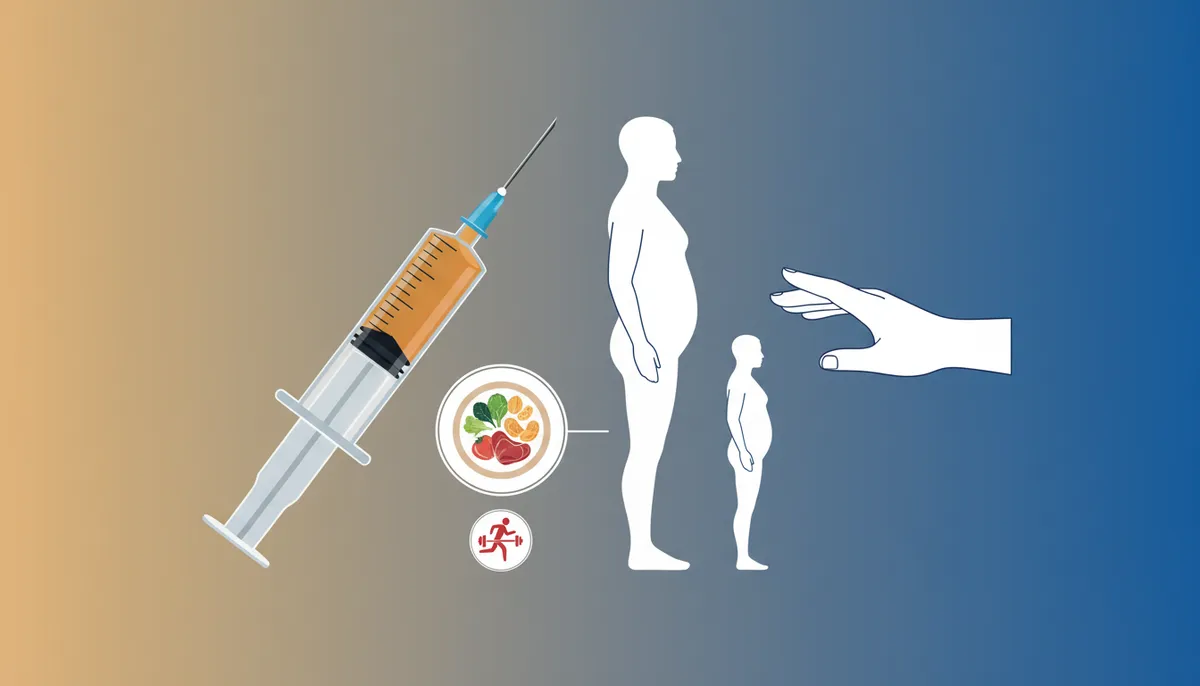
- Weight loss injections are FDA-approved prescription medications that mimic GLP-1 hormones to reduce appetite and improve insulin response, but they work best when combined with diet, exercise, and behavioral modifications, not as standalone treatments.
- Candidacy requires a BMI of 30 or higher (or 27+ with weight-related conditions like diabetes), previous failed attempts at traditional weight loss, and a medical evaluation to rule out contraindications like thyroid cancer history or pregnancy.
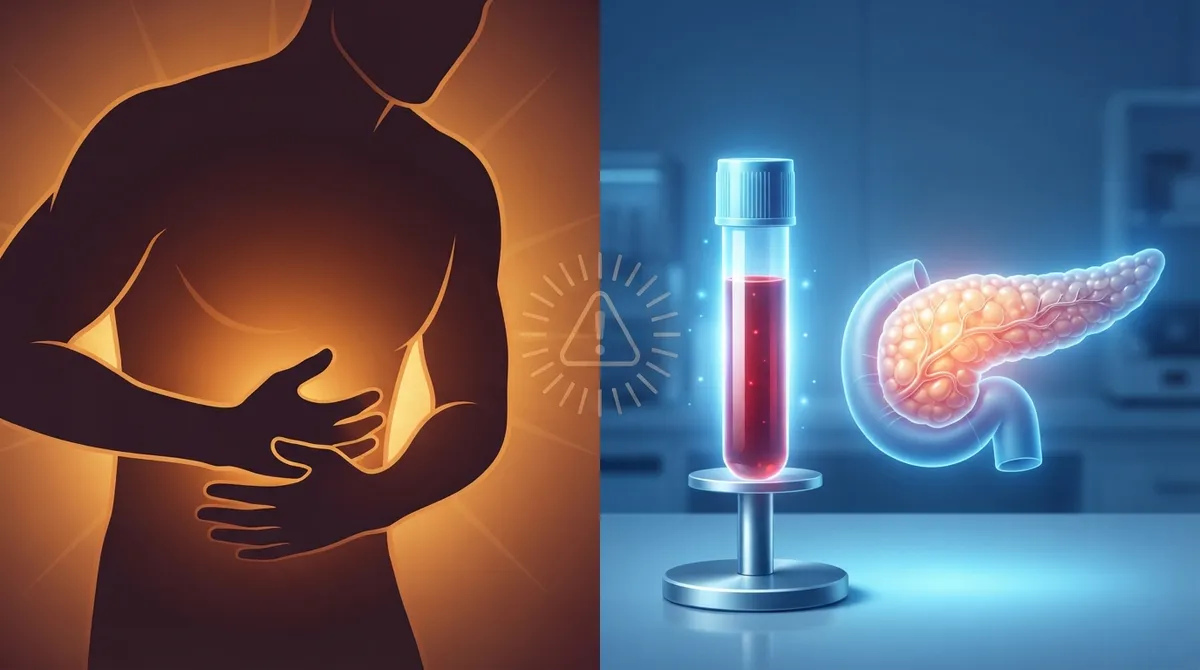
- Common side effects include nausea, diarrhea, and stomach discomfort, which typically improve within weeks as your body adjusts; severe side effects are rare but include pancreatitis and gallbladder disease requiring regular healthcare provider monitoring.
- Insurance coverage varies significantly, with commercial plans typically requiring $25-$100 copays after prior authorization, while uninsured patients pay $300-$1,500 monthly but may access manufacturer savings programs or patient assistance options.
- Weight loss is typically gradual over many months rather than rapid, and while some weight regain occurs after stopping treatment, sustainable lifestyle habits learned during medication use help maintain long-term results and improve overall health markers.
Weight loss can be a challenging journey, especially when diet and exercise alone don't deliver the results you need. Weight loss injections have emerged as a powerful medical solution for people struggling to shed excess pounds. These prescription medications work by targeting hormones that control appetite, blood sugar, and metabolism. If you've been trying to lose weight without success, you might be wondering whether these injections could be the answer you've been searching for.
Weight loss injections are prescription medications that healthcare providers administer to help patients achieve significant weight reduction. Unlike over-the-counter supplements or quick-fix solutions, these medications are backed by scientific research and clinical trials. They work by mimicking natural hormones in your body that regulate hunger and fullness signals. This helps you feel satisfied with less food while your body burns calories more efficiently.
At InCare, our medical team understands that weight loss is not just about willpower. It's about addressing the biological factors that make losing weight difficult. Our personalized approach combines advanced medical technology with compassionate care to help you reach your health goals safely and effectively.

How Do Weight Loss Injections Actually Work
Weight loss injections function by targeting specific hormones that play crucial roles in appetite regulation and metabolism. The most common types mimic a hormone called GLP-1, which your body naturally produces in response to eating. When you inject these medications, they signal your brain that you're full, reducing your desire to eat. This hormonal approach makes it easier to stick to healthier eating habits without constantly fighting hunger pangs.
The medications slow down how quickly food leaves your stomach, which prolongs the feeling of fullness after meals. This digestive process helps prevent overeating and reduces the urge to snack between meals. Additionally, these injections improve how your body responds to insulin, helping regulate blood sugar levels and reduce fat storage.
The treatment typically involves weekly or monthly injections administered just under the skin. Your healthcare provider will start you on a low dose and gradually increase it over several weeks. This gradual approach helps minimize side effects while allowing your body to adjust to the medication. Most patients begin noticing appetite changes within the first few weeks of treatment.

Who Is a Good Candidate for Weight Loss Injections
Weight loss injections are not for everyone, and determining candidacy requires a thorough medical evaluation. Generally, these medications are prescribed for adults with a body mass index of 30 or higher, or those with a BMI of 27 or higher who also have weight-related health conditions. Conditions like type 2 diabetes, high blood pressure, or high cholesterol may make you eligible even at a slightly lower BMI.
Ideal candidates have tried traditional weight loss methods without achieving lasting results. If you've committed to diet and exercise changes but still struggle with excess weight, injections might provide the additional support your body needs. It's important to understand that these medications work best when combined with lifestyle modifications, not as a replacement for healthy habits.
Certain medical conditions may prevent you from using weight loss injections. People with a personal or family history of medullary thyroid carcinoma or multiple endocrine neoplasia syndrome type 2 should not use these medications. Pregnant women, those planning pregnancy, or nursing mothers are also not candidates. Your healthcare provider will review your complete medical history to determine if this treatment is safe for you.

Common Types of Weight Loss Injections Available
Several FDA-approved weight loss injections are currently available, each with unique characteristics. Semaglutide is one of the most popular options, administered once weekly. Clinical studies have shown that patients using semaglutide can lose an average of 15-20% of their body weight over 68 weeks when combined with lifestyle changes.
Another option is liraglutide, which requires daily injections. While it involves more frequent administration, some patients prefer the daily routine and slightly different side effect profile. Liraglutide typically results in 5-10% body weight loss over one year. Both medications belong to the GLP-1 receptor agonist class and work through similar mechanisms.
Newer combination medications are also entering the market, offering even greater weight loss potential. These medications combine GLP-1 agonists with other hormones to target multiple pathways involved in weight regulation. Your healthcare provider will help determine which medication best suits your health profile, lifestyle, and weight loss goals.
Medication TypeAdministration FrequencyAverage Weight LossTreatment DurationSemaglutideOnce Weekly15-20% body weight68+ weeksLiraglutideDaily5-10% body weight52+ weeksCombination TherapyVariesUp to 22% body weight72+ weeks

What to Expect During Your Weight Loss Injection Journey
Starting weight loss injections begins with a comprehensive medical evaluation. Your healthcare provider will assess your current health status, review medications you're taking, and discuss your weight loss history. This evaluation often includes blood work to check thyroid function, blood sugar levels, and other important markers. Understanding your baseline health helps your provider customize your treatment plan.
Once you begin treatment, you'll receive training on proper injection technique. Most patients administer their own injections at home, typically in the abdomen, thigh, or upper arm. The needles are very small, and most people find the process much easier than anticipated. Your healthcare team will demonstrate the technique and watch you practice until you feel comfortable.
The first few weeks of treatment focus on dose titration, gradually increasing the medication amount. This slow increase helps your body adjust and minimizes side effects. You'll have regular follow-up appointments to monitor your progress, adjust dosing if needed, and address any concerns. These check-ins are crucial for optimizing your results and ensuring the treatment remains safe and effective.
Managing Side Effects and Expectations
Like all medications, weight loss injections can cause side effects, though not everyone experiences them. The most common side effects are gastrointestinal, including nausea, diarrhea, constipation, and stomach discomfort. These symptoms are usually mild to moderate and tend to improve as your body adjusts to the medication. Taking the injection at the same time each week and eating smaller meals can help reduce digestive issues.
Some patients experience fatigue, headaches, or dizziness, especially when starting treatment or increasing doses. Staying well-hydrated and maintaining consistent meal times can help manage these symptoms. If side effects become severe or don't improve over time, contact your healthcare provider. They may adjust your dose or suggest strategies to make treatment more comfortable.
It's important to set realistic expectations about weight loss speed and amount. While clinical trials show impressive average results, individual responses vary based on genetics, metabolism, and adherence to lifestyle changes. Most patients lose weight gradually over many months rather than experiencing rapid drops. This steady approach is actually healthier and more sustainable for long-term success.
The Role of Lifestyle Changes in Treatment Success
Weight loss injections are powerful tools, but they work best when combined with healthy lifestyle modifications. The medications help control appetite and cravings, making it easier to follow a nutritious eating plan. Focus on whole foods like vegetables, lean proteins, whole grains, and healthy fats. Reducing processed foods and added sugars will enhance your results and improve overall health.
Regular physical activity amplifies the benefits of weight loss injections. You don't need intense workouts to see results. Start with activities you enjoy, whether that's walking, swimming, dancing, or cycling. Aim for at least 150 minutes of moderate activity each week, gradually increasing intensity as your fitness improves. Exercise not only burns calories but also builds muscle, which increases your metabolism.
Behavioral changes are equally important for long-term success. Work on identifying emotional eating triggers and developing healthier coping strategies. Keep a food journal to track what you eat and how you feel. Adequate sleep and stress management also play crucial roles in weight regulation. Consider working with a nutritionist or health coach to develop sustainable habits that support your goals.
Building a Support System for Lasting Results
Having support throughout your weight loss journey significantly improves your chances of success. Share your goals with family and friends who can encourage you and help you stay accountable. Consider joining a weight loss support group where you can connect with others facing similar challenges. Sharing experiences and strategies creates motivation and helps you feel less alone.
Your healthcare team is your most important support resource. At InCare, we provide ongoing guidance, monitoring, and adjustments to your treatment plan as needed. Don't hesitate to reach out when you have questions or concerns. Regular check-ins help identify obstacles early and keep you on track toward your goals.
Understanding the Cost and Insurance Coverage
The cost of weight loss injections varies depending on the specific medication, dosage, and your insurance coverage. Without insurance, these medications can be expensive, ranging from several hundred to over a thousand dollars per month. However, many insurance plans now cover weight loss medications when they're medically necessary and prescribed by a healthcare provider.
Insurance coverage typically requires documentation that you meet specific criteria, including BMI requirements and previous weight loss attempts. Some plans may require prior authorization before approving coverage. Your healthcare provider's office can help navigate the insurance approval process and provide the necessary documentation. They'll work with your insurance company to maximize coverage and minimize out-of-pocket costs.
For patients without insurance coverage, some manufacturers offer savings programs or patient assistance options. These programs can significantly reduce monthly costs, making treatment more accessible. Additionally, some healthcare practices offer package pricing or payment plans. Discuss all financial options with your provider to find a solution that fits your budget.
Coverage TypeTypical CostRequirementsAdditional BenefitsCommercial Insurance$25-$100 copayBMI criteria, prior authorizationMay cover nutritionist visitsMedicareVaries by planPart D coverage, medical necessityPotential diabetes coverageCash Pay$300-$1,500/monthNoneManufacturer savings cardsPatient AssistanceReduced or freeIncome verificationLimited duration programs
Safety Considerations and Long-Term Use
Weight loss injections have undergone extensive clinical testing and are FDA-approved for long-term use. However, like all medications, they carry potential risks that your healthcare provider will discuss with you. The most serious risks are rare but include pancreatitis, gallbladder disease, and kidney problems. Your provider will monitor you regularly to catch any warning signs early.
Some patients worry about becoming dependent on the medication or what happens when they stop. While these injections don't cause physical dependence, many people do regain some weight after discontinuing treatment. This is why developing sustainable lifestyle habits during treatment is so important. The skills you learn while on medication help you maintain results even after stopping.
Long-term studies continue to evaluate the extended use of weight loss injections. Current evidence suggests that many patients can safely use these medications for years if they continue to benefit and don't experience significant side effects. Your healthcare provider will regularly assess whether continuing treatment makes sense for your individual situation and health goals.
Monitoring Your Progress and Health Markers
Regular monitoring is essential during weight loss injection treatment. Your healthcare provider will track not just your weight, but also important health markers. Blood pressure, blood sugar levels, cholesterol, and liver function tests help ensure the medication is working safely. These measurements often improve dramatically as you lose weight, reducing your risk for serious health conditions.
Tracking your progress goes beyond the number on the scale. Pay attention to how your clothes fit, your energy levels, and your ability to do physical activities. Many patients notice improvements in joint pain, breathing during exercise, and overall quality of life. These non-scale victories are just as important as pounds lost and indicate real improvements in your health.
Comparing Weight Loss Injections to Other Options
Weight loss injections represent one option in a range of medical weight loss treatments. For some people, oral medications might be more convenient, though they typically produce less dramatic results. Oral medications work through different mechanisms, including reducing fat absorption or affecting neurotransmitters that control appetite. Your healthcare provider can explain how these alternatives compare.
Bariatric surgery is another option for people with severe obesity. While surgery can produce greater weight loss than medications, it also carries higher risks and requires significant lifestyle changes. Weight loss injections offer a less invasive alternative that still provides substantial results. Many people try medications before considering surgical options.
The best approach depends on your individual health status, weight loss goals, and personal preferences. Some patients combine treatments for enhanced results. For example, you might use weight loss injections alongside metabolic testing to optimize your nutrition plan. The weight loss programs at InCare offer comprehensive approaches tailored to your unique needs.
Real Patient Results and Success Stories
Clinical trials demonstrate impressive average weight loss, but individual results tell the real story. Many patients report not just weight loss but transformation in how they feel and function. Reduced joint pain allows for more physical activity. Better blood sugar control reduces diabetes medication needs. Improved energy levels enhance productivity and quality of life.
Success with weight loss injections often extends beyond physical changes. Patients frequently describe increased confidence, better mood, and improved relationships. The ability to participate in activities they've avoided for years brings joy and renewed engagement with life. These psychological and social benefits contribute significantly to overall wellbeing and motivation to maintain results.
The key to long-term success lies in viewing weight loss injections as part of a comprehensive health transformation rather than a quick fix. Patients who embrace lifestyle changes alongside medication achieve the most dramatic and lasting results. Working with a healthcare team that provides ongoing support and guidance maximizes your chances of joining the success stories. You can visit us on Google to read reviews from patients who have transformed their health.
Taking the First Step Toward Your Weight Loss Goals
Starting weight loss injections requires careful consideration and medical guidance. The first step is scheduling a consultation with a qualified healthcare provider who specializes in medical weight loss. During this visit, you'll discuss your weight loss history, current health conditions, and goals. Be honest about challenges you've faced and what you hope to achieve.
Your provider will conduct a physical examination and order necessary lab work to assess your candidacy for treatment. This comprehensive evaluation ensures that weight loss injections are safe and appropriate for you. If you have questions or concerns, this is the time to ask. Understanding the treatment fully helps you make an informed decision about moving forward.
If you decide to proceed, your provider will create a personalized treatment plan that includes medication dosing, lifestyle recommendations, and follow-up schedule. You'll receive education on injection technique, potential side effects, and what to expect in the coming weeks and months. This preparation sets you up for success from day one.
At InCare, our experienced medical team specializes in personalized weight loss solutions that combine advanced medical treatments with compassionate care. We understand that every patient's journey is unique, and we're committed to supporting you every step of the way. Our primary care approach means we look at your whole health picture, not just the number on the scale.
Ready to explore whether weight loss injections are right for you? Our team at InCare is here to help you achieve lasting results through evidence-based medical treatments and ongoing support. With convenient locations in Tampa and Riverview, Florida, we make it easy to access the care you need. Don't let another day pass wishing for change. Take action now and schedule your consultation to start your transformation journey with confidence and expert guidance.
FAQs
Q: How long does it take to see results from weight loss injections?
A: Most patients begin noticing appetite changes within the first 2-4 weeks of treatment. Visible weight loss typically becomes noticeable after 4-8 weeks, with significant results developing over 6-12 months. Individual response times vary based on metabolism, adherence to lifestyle changes, and starting weight.
Q: Are weight loss injections safe for long-term use?
A: Yes, FDA-approved weight loss injections have been studied for long-term safety and can be used for extended periods under medical supervision. Your healthcare provider will monitor your health markers regularly to ensure continued safety. Most patients can use these medications for years if they continue benefiting without significant side effects.
Q: Will I regain weight after stopping weight loss injections?
A: Some weight regain is possible after discontinuing treatment, which is why developing sustainable lifestyle habits during treatment is crucial. Patients who maintain healthy eating patterns and regular exercise typically keep off more weight. Your healthcare provider can help you create a maintenance plan before stopping medication.
Q: Do weight loss injections require a special diet?
A: While there's no specific required diet, following a balanced eating plan enhances results. Focus on whole foods, lean proteins, vegetables, and whole grains while reducing processed foods and added sugars. Your healthcare provider may recommend working with a nutritionist to develop a personalized meal plan that supports your goals.
Q: Can I use weight loss injections if I have diabetes?
A: Yes, some weight loss injections are specifically approved for people with type 2 diabetes and can help improve blood sugar control. However, your healthcare provider will need to adjust your diabetes medications to prevent low blood sugar. A comprehensive medical evaluation determines if this treatment is appropriate for your specific diabetes management needs.