Key Takeaways
- Rotate injection sites with every dose to prevent lipohypertrophy (skin thickening) and ensure consistent medication absorption over time.
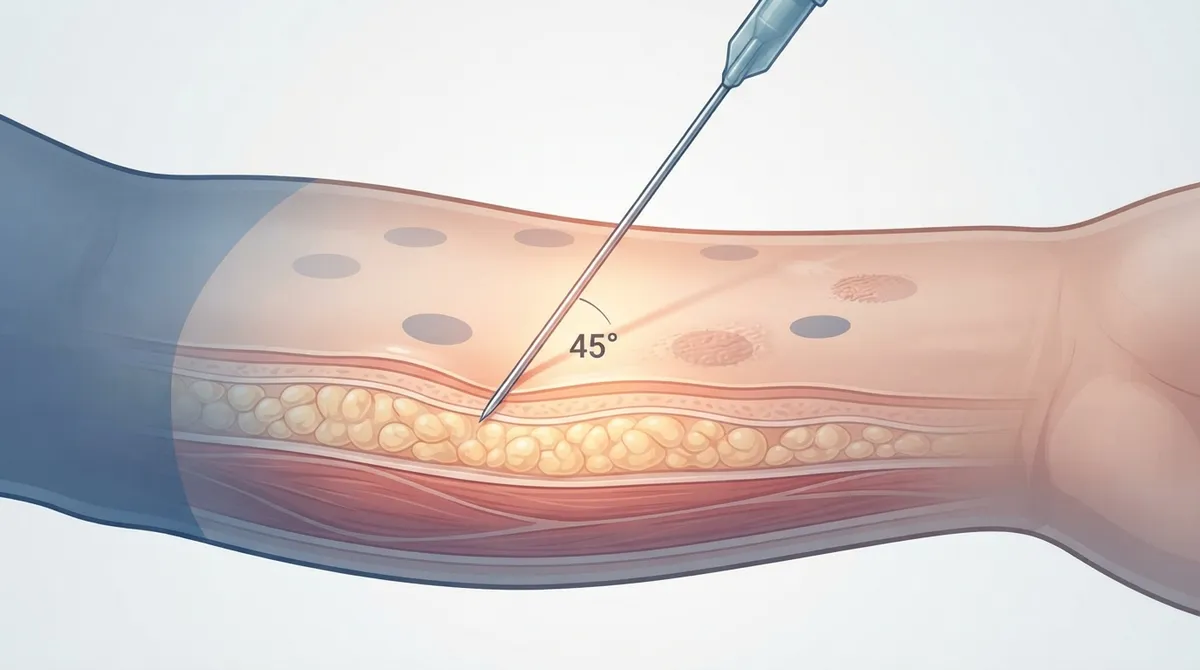
- SC injections use short, thin needles (25-30 gauge, 5/16 to 1/2 inch) inserted at 45-90 degrees into the fatty layer under skin for slower, steady medication release.
- Proper technique includes washing hands, cleaning the site with alcohol, inserting the needle at the correct angle, injecting slowly, and disposing of needles in an approved sharps container.
- Common SC medications include insulin, blood thinners, GLP-1 weight loss injections, and hormone therapies; avoid injection sites with scars, bruises, swelling, or broken skin.
If your doctor has ever prescribed insulin, a blood thinner, or a hormone therapy, you may have heard the term "SC injection." This simple phrase can feel confusing if no one explains it clearly. Understanding what it means, why it matters, and how to do it safely can make a real difference in your health outcomes.
At InCare, patients in Tampa and Riverview trust our team to teach safe, confident self-injection techniques as part of everyday primary care. Whether you are managing diabetes, starting a new hormone therapy, or learning to give yourself a weekly medication, knowing the basics of subcutaneous injection helps you feel prepared instead of anxious. This guide breaks down everything you need to know in plain language.

What Does SC Injection Mean?
SC stands for subcutaneous. An SC injection places medicine into the fatty layer just under your skin. This is different from an injection into a muscle or a vein.
The fatty tissue absorbs medicine slowly and steadily. This makes subcutaneous injections ideal for medications that need to release over time, rather than all at once.
Common Medications Given by SC Injection
Many everyday treatments rely on this method. Some examples include:
- Insulin for blood sugar management
- Blood thinners like heparin
- Certain hormone therapies
- Some biologic medications for chronic conditions
- Weight loss injections, including GLP-1 medications
- Fertility treatment medications
Our providers often discuss these options during visits focused on weight loss programs or chronic disease management. If you are curious about injectable treatment options, our guide on how to choose the best injection for weight loss in 2026 offers helpful details.

SC Injection vs Intramuscular Injection: What Is the Difference?
Many patients confuse subcutaneous and intramuscular injections. Knowing the difference helps you understand your treatment plan better.
FeatureSubcutaneous (SC)Intramuscular (IM)Injection DepthFatty tissue under skinDeep into muscleAbsorption SpeedSlower, steady releaseFaster absorptionNeedle LengthShort, thin needleLonger needleCommon SitesAbdomen, thigh, upper armUpper arm, thigh, hipTypical MedicationsInsulin, blood thinners, hormonesVaccines, some antibiotics
Understanding this difference matters because using the wrong technique can affect how well a medication works. Our team at InCare providers reviews this with every patient starting a new injectable treatment.
Where Are the Best Sites for a Subcutaneous Injection?
Choosing the right injection site affects comfort and how well your body absorbs the medicine. The three most common areas include:
- The abdomen, at least two inches away from the belly button
- The outer part of the upper arm
- The outer thigh, in the fatty area above the knee
You should avoid areas with scars, bruises, hardened tissue, swelling, or broken skin. If you notice a lump or firm area under the skin, choose a different spot for your next injection.
Why Site Rotation Matters
Using the same spot repeatedly can cause the skin to thicken or harden over time. This condition, called lipohypertrophy, can slow down how your body absorbs medication.
Rotating sites helps keep your skin healthy and ensures consistent medication absorption. Many patients use a simple rotation schedule, moving in a clockwise pattern across each site.
What Needle Size Is Used for SC Injections?
Subcutaneous injections use small needles designed for shallow depth. Most needles range from 25 to 30 gauge, which refers to how thin the needle is.
The higher the gauge number, the thinner the needle. Needle length is also short, typically between 5/16 inch and 1/2 inch, since the medicine only needs to reach the fatty layer.
The injection angle usually falls between 45 and 90 degrees. Your provider will recommend the correct angle based on your body type and the amount of fatty tissue at the injection site.
How to Give a Subcutaneous Injection Safely at Home
Learning proper technique reduces pain and lowers your risk of complications. Follow these steps for a safe self-injection:
- Wash your hands thoroughly with soap and water
- Gather your supplies, including the syringe, alcohol wipe, and sharps container
- Clean the injection site with an alcohol swab and let it dry
- Pinch a fold of skin gently between your fingers
- Insert the needle at the recommended angle
- Push the plunger slowly and steadily
- Withdraw the needle and apply light pressure with a clean cotton ball
- Dispose of the needle immediately in an approved sharps container
Most subcutaneous injections deliver no more than 1 mL of medication at one time. Larger amounts may cause discomfort or absorb unevenly into the tissue.
If you feel unsure about your technique, our team offers hands-on training during annual wellness visits and follow-up appointments. Patients managing chronic conditions often benefit from a refresher session every few months.
What Complications Can Happen After an SC Injection?
Most subcutaneous injections are safe when done correctly. However, some patients experience minor side effects.
- Redness or mild swelling at the injection site
- Small bruising, especially with blood thinners
- Lipohypertrophy from repeated use of the same spot
- Occasional bleeding that stops with light pressure
- Rare allergic reactions to the medication itself
If you notice signs of infection, such as increasing redness, warmth, or pus, contact your provider right away. Our urgent care team is also available for same-day concerns related to injection site reactions.
How Primary Care Supports Long-Term Injection Therapy
Chronic conditions like diabetes often require lifelong injection therapy. A strong relationship with your primary care team makes this process much easier.
Regular checkups allow your provider to review your technique, adjust dosages, and catch complications early. This kind of ongoing support is a core part of how primary doctors help manage chronic illnesses.
A Real-World Example of Injection Support
A primary care study involving 1,188 patients found that musculoskeletal corticosteroid injections improved pain relief and quality of life. This shows how proper injection therapy, guided by trained professionals, produces measurable results beyond just symptom relief.
Whether you are new to injections or have used them for years, having a consistent care team matters. At our Tampa and Riverview locations, patients receive personalized instruction tailored to their specific treatment plan.
SC Injection Schedules: What to Expect
Injection frequency depends entirely on the medication and condition being treated. Some medications require daily doses, while others are given weekly or even monthly.
Medication TypeTypical FrequencyInsulinMultiple times dailyGLP-1 Weight Loss MedicationOnce weeklyBlood ThinnersOnce or twice dailyCertain Contraceptive InjectionsEvery 13 weeksHormone TherapyVaries by treatment plan
For example, one NHS guidance document recommends a 13-week dosing interval for certain subcutaneous contraceptive injections. Your provider will always confirm the exact schedule that fits your treatment goals.
Who Benefits Most From Learning SC Injection Technique?
Many different patients rely on subcutaneous injections as part of daily life. This includes:
- People managing type 1 or type 2 diabetes
- Patients on blood thinner therapy after surgery or for clotting disorders
- Individuals using weight loss injections as part of a medical program
- Patients receiving hormone replacement therapy
- Those undergoing fertility treatments
If you are exploring injectable options for weight management, our article on weight loss injections cost and what to expect in 2026 provides useful pricing details and program information.
Why Choose InCare for Injection Training and Ongoing Care
Learning to manage your own injections can feel intimidating at first. Our providers at InCare walk you through every step, answer your questions, and make sure you feel confident before you leave the office.
Patients across Tampa and Riverview consistently share positive feedback about their experience. You can visit us on Google — InCare to read real reviews from patients who have trusted our team with their care.
We also stay connected with our community through Facebook, Instagram, and TikTok, where we share health tips and updates on new services.
Conclusion
Subcutaneous injections play an important role in treating many chronic and short-term conditions. From insulin therapy to weight loss injections, understanding proper technique keeps you safe and helps your treatment work as intended.
Rotating injection sites, using the correct needle size, and following clean technique all reduce your risk of complications. Regular support from a trusted primary care team makes managing long-term injection therapy far less stressful.
If you need guidance on starting or improving your injection technique, our team is ready to help. Contact our care team today or book your appointment now to get personalized support from InCare in Tampa or Riverview.
FAQs
Q: What does SC injection mean in medical terms?
A: SC injection refers to a subcutaneous injection, where medication is delivered into the fatty tissue just below the skin. This method allows for slower, more consistent absorption compared to other injection types.
Q: What is the difference between subcutaneous and intramuscular injections?
A: Subcutaneous injections go into the fatty layer under the skin and absorb slowly, while intramuscular injections go deeper into muscle tissue and absorb faster. Each method uses different needle lengths and is suited to specific medications.
Q: What medications are given by subcutaneous injection?
A: Common medications include insulin, blood thinners like heparin, certain hormone therapies, and weight loss injections such as GLP-1 medications. Some fertility treatments also rely on subcutaneous delivery.
Q: Where are the best sites for a subcutaneous injection?
A: The abdomen, outer upper arms, and outer thighs are the most common and effective injection sites. Patients should avoid areas with scars, swelling, bruising, or hardened tissue.
Q: How often should injection sites be rotated?
A: Injection sites should be rotated with every dose to prevent skin damage and maintain consistent medication absorption. A clockwise rotation pattern across different body areas is a simple and effective strategy.