Key Takeaways
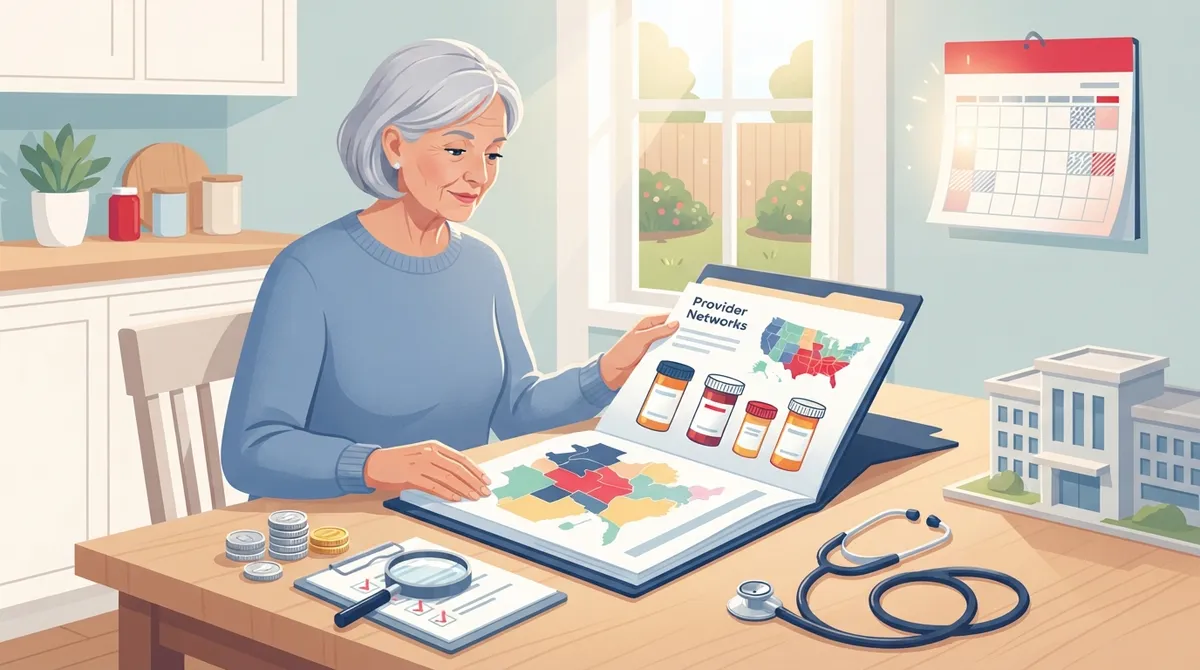
- Verify that your primary care doctor, key specialists, and preferred hospitals are in the exact plan's network before enrolling, since HMO coverage for routine care depends on the network.
- The Part B giveback reduces but does not eliminate your Part B premium, and the credit can take several months to appear after enrollment.
- Compare copays and the annual out-of-pocket maximum, not just the giveback amount, because a larger giveback can be offset by higher costs elsewhere.
- Check the drug formulary for each medication you take, since Part D drug coverage is included in many but not all Wellcare Giveback HMO plans.
Choosing a Medicare plan can feel overwhelming. Many people see the words Wellcare Giveback HMO and wonder what the plan really offers. The name sounds simple, but the details matter. They affect your monthly budget, your choice of doctor, and the quality of your day-to-day care.
This guide explains how a Wellcare Giveback HMO works in 2026. It covers the Part B premium reduction, the network rules, and the costs that matter most for primary care. It also shows what to check before you enroll, so your plan supports a strong relationship with a primary care team. Benefits vary by county and plan year, so always confirm details in the official plan documents.

What Is a Wellcare Giveback HMO?
A Wellcare Giveback HMO is a Medicare Advantage plan (Part C) offered by Wellcare, a Centene brand. It delivers your Medicare Part A and Part B benefits through a private health plan. Many versions also include Part D prescription drug coverage. You should confirm this in the local plan's Summary of Benefits and Evidence of Coverage.
The "HMO" label means the plan is a Health Maintenance Organization. In general, you use doctors and facilities in the plan's network for covered routine care. The plan may also require referrals or prior authorization for certain services.
The "Giveback" label points to the feature that sets these plans apart: a reduction in your Medicare Part B premium. Plan availability, benefits, and costs depend on your county and the plan year.
How the Part B Giveback Works
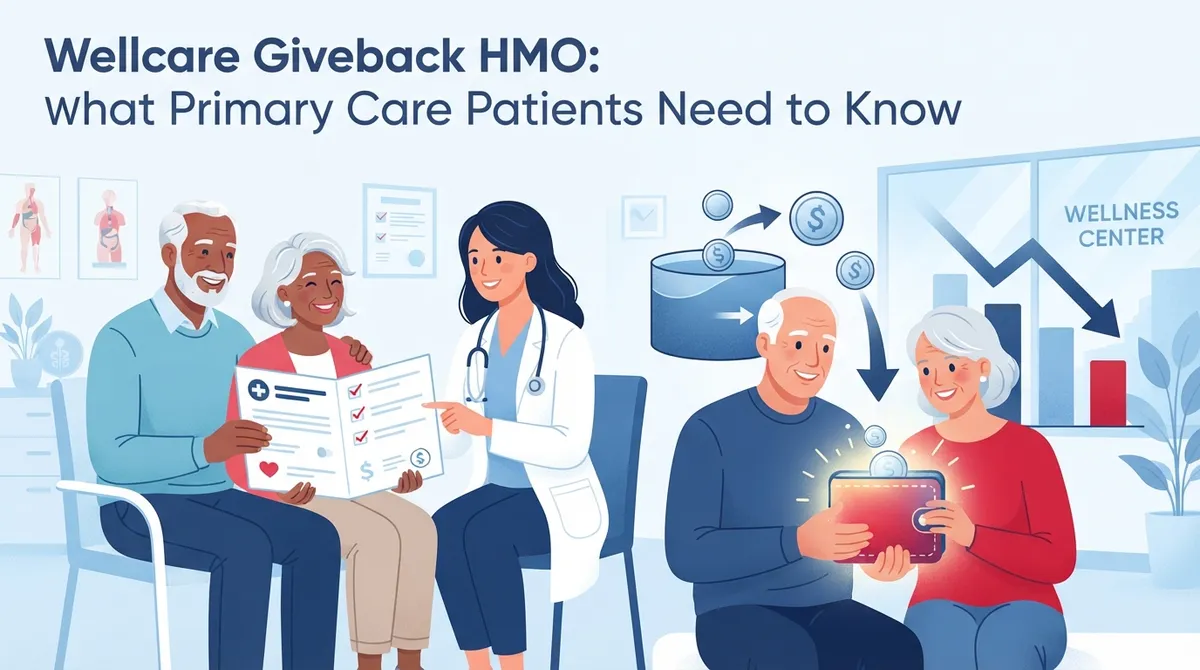
Every Medicare member who has Part B pays a monthly premium. A giveback plan lowers that amount. It is not a cash payment from a clinic. It is also not a general wellness allowance you can spend on any service.
The credit is administered through Medicare and Social Security. It may show up in your Social Security payment or on a Part B premium statement. Wellcare notes that these credits can take several months to begin. Members should still receive the full credit.
Here is what to keep in mind:
- You generally remain responsible for the Part B premium unless Medicaid or another program pays it.
- The giveback reduces what you owe. It does not erase the premium.
- The reduction amount differs by plan and service area.
- Delays in the credit are normal in the first months of enrollment.
How Much Can the Giveback Be?
The amount varies widely. Recent 2026 plan documents show how different the numbers can be. Always verify your own county's figures in Wellcare's official materials.
|
2026 Plan Example |
Part B Premium Reduction |
Other Notes |
|---|---|---|
|
Illinois Wellcare Giveback Summary of Benefits |
$50 per month |
Amount is specific to that plan and location |
|
Plan H1416-079-0 listing |
$81 per month |
$0 monthly plan premium; $6,700 in-network maximum out-of-pocket |
|
Plan H1032-212-0 listing |
$156 per month |
Shows how much amounts can differ by service area |
These figures are examples, not promises. Your county may offer a different plan with a different reduction.
HMO Network Rules and Your Primary Care Doctor
The HMO structure shapes how you receive care. In many HMO plans, your primary care provider (PCP) acts as the hub of your health. Your PCP coordinates visits, orders tests, and refers you to specialists when needed.
In one 2026 Texas HMO Evidence of Coverage, the member's primary care provider choice determines the Local Physician Organization and the referral network. Rules vary by plan, so read your own Evidence of Coverage closely.
Before you enroll, check these network points:
- Your current doctors. Confirm that your primary care provider and key specialists are in the exact plan network.
- Local hospitals. Make sure the hospitals you prefer are covered.
- Referral rules. Ask whether you need a referral to see a specialist.
- Prior authorization. Learn which services need approval before you receive them.
- Out-of-network coverage. Understand what the plan pays, if anything, when you leave the network.
A strong primary care relationship matters even more inside an HMO. Learn how coordinated care helps in Fragmented Care vs. Coordinated Care: Which Wins?
Primary Care Costs and Access
Primary care costs are plan-specific. A 2026 Texas Wellcare Giveback (HMO) Evidence of Coverage lists a $0 copay for primary care office visits. It also lists an $8,200 maximum out-of-pocket amount. These numbers apply to that plan only. Do not assume they match another county or another Giveback plan.
When you compare plans, look beyond the Part B reduction. A bigger giveback does not always mean lower total costs. Review these items side by side:
- Primary care copay per visit
- Specialist copay
- Hospital and emergency costs
- Annual maximum out-of-pocket limit
- Prescription drug formulary and tiers
- Prior authorization requirements
Lower premiums can be offset by higher copays or a higher out-of-pocket cap. Add up what you expect to use in a typical year.
Prescription Drug Coverage
Many Wellcare Giveback plans include Part D drug coverage, but not every version does. Check the plan's formulary for each medication you take. Note the drug tier, any quantity limits, and any step-therapy rules.
Good medication habits also protect your budget and your health. You can read practical advice in 11 Prescription Management Tips for Better Health in 2026.
Wellcare Giveback HMO vs. Original Medicare
Original Medicare lets you see any provider who accepts Medicare. A Giveback HMO uses a defined network. In return, you may get a lower premium, drug coverage, and extra benefits in one plan.
|
Feature |
Wellcare Giveback HMO |
Original Medicare |
|---|---|---|
|
Provider choice |
In-network providers for covered routine care |
Any provider that accepts Medicare |
|
Part B premium |
Reduced by the plan's giveback amount |
Standard premium applies |
|
Referrals |
May be required for specialists |
Generally not required |
|
Prescription coverage |
Often included; verify in plan documents |
Separate Part D plan needed |
|
Out-of-pocket cap |
Annual maximum applies |
No built-in annual cap |
Neither path is right for everyone. Your health needs, favorite doctors, and budget should guide the choice.
How to Compare Plans Step by Step
Use this simple process to evaluate a Wellcare Giveback HMO:
- Enter your ZIP code on Wellcare's official tools to see which plans are offered in your county.
- Download the Summary of Benefits and the Evidence of Coverage for each plan.
- Search the provider directory for your primary care doctor and specialists.
- Check the drug formulary for every prescription you take.
- Compare copays and the out-of-pocket maximum, not just the giveback amount.
- Ask about referrals and prior authorization so you know what to expect.
- Call the plan or a licensed Medicare professional if anything is unclear.
You can also review what makes a strong Medicare-focused practice in 7 Traits of the Best Medicare Provider for Primary Care. If you are comparing plan types, How to Use a Medicare HMO for Better Primary Care offers helpful context.
Why Primary Care Matters More With an HMO
In an HMO, your primary care team is your first stop and your guide. A good PCP helps you stay ahead of problems instead of reacting to them. That can lower your total costs and protect your quality of life.
A Medicare patient who builds a steady relationship with a primary care team benefits in several ways:
- Annual wellness visits and preventive screenings stay on schedule.
- Chronic conditions like blood pressure and diabetes get ongoing attention.
- Referrals and records move smoothly between providers.
- Medication reviews catch problems early.
For a closer look at preventive visits, read What Happens During an Annual Wellness Visit? Chronic condition support is covered in How Primary Doctors Help Manage Chronic Illnesses.
Finding Care in Tampa and Riverview
If you live in the Tampa Bay area, your plan's network may include local primary care options. InCare is a personalized primary care and wellness clinic with locations in Tampa and Riverview, Florida. The team combines state-of-the-art technology with medical expertise. Services include primary care, urgent care, cancer screenings, weight loss support, and more.
Network participation depends on each plan, so always verify before you book. You can call the clinic to ask about insurance and coverage questions. Learn more about primary care at InCare, or read what neighbors say by visiting our InCare location on Google. InCare holds a 4.8 out of 5 rating on Google across 359 reviews.
To stay connected with the practice, you can also follow InCare on Instagram, Facebook, and TikTok.
Common Mistakes to Avoid
Many people choose a plan based only on the giveback number. Avoid these common errors:
- Assuming your doctor is in the network without checking.
- Ignoring the annual out-of-pocket maximum.
- Forgetting to check your medications on the formulary.
- Expecting the Part B credit to appear right away.
- Treating the giveback as spending money for wellness services.
A few minutes of checking can prevent costly surprises. For a broader look at plan pitfalls, see 4 Medicare HMO Doctor Mistakes That Hurt Your Care.
Conclusion
A Wellcare Giveback HMO can lower your Medicare Part B premium and bundle your coverage into one plan. The value depends on your county, the plan year, and how well the network fits your life. The best choice weighs the giveback against copays, drug coverage, referral rules, and the maximum out-of-pocket limit.
Above all, confirm that your primary care provider and hospitals are in the plan's network before you enroll. Strong primary care keeps you healthy and helps you get the most from any Medicare plan. If you have questions about coverage or want to establish care in Tampa or Riverview, contact the InCare team or book your appointment now.
FAQs
Q: What is the Wellcare Giveback HMO plan?
A: It is a Medicare Advantage (Part C) plan from Wellcare that delivers Medicare Part A and Part B benefits through a managed-care network. Many versions also include Part D drug coverage. Benefits and costs vary by county and plan year.
Q: Do I still have to pay my Medicare Part B premium with Wellcare Giveback?
A: Generally, yes. The giveback reduces your Part B premium but does not eliminate it, unless Medicaid or another program pays it for you. The credit is administered through Medicare and Social Security, and it can take several months to appear.
Q: Do I need a referral to see a specialist with Wellcare Giveback HMO?
A: HMO plans generally use a primary care provider to coordinate care and may require referrals or prior authorization for certain services. Rules vary by plan, so review your Evidence of Coverage or call the plan to confirm.
Q: Does Wellcare Giveback include prescription drug coverage?
A: Many versions include Part D prescription drug coverage, but you should not assume it. Confirm in your local plan's Summary of Benefits and Evidence of Coverage, and check the formulary for your specific medications.
Q: How do I know if my primary care doctor is in the plan network?
A: Search the plan's official provider directory for your doctor and local hospital before you enroll. You can also call the plan or your doctor's office to verify network status for the exact plan and plan year.