Key Takeaways
- TRT requires a proper diagnosis: symptoms plus repeated, consistently low morning testosterone levels confirmed by a second test, not a single low result or same-day prescription.
- TRT can suppress sperm production and impair fertility, so men planning children soon should discuss alternatives with a clinician before starting treatment.
- The FDA's 2025 label changes added a stronger warning that testosterone can raise blood pressure, making blood pressure checks a key part of TRT monitoring.
- Ongoing monitoring is required, including testosterone levels, hematocrit, blood pressure, and prostate risk as appropriate for age and history.
- Certain conditions such as uncontrolled heart failure, recent heart attack or stroke, untreated severe sleep apnea, high hematocrit, and clotting disorders may make TRT unsuitable without further evaluation.
- When choosing a Tampa provider, verify Florida licensure, ask about repeat morning testing, follow-up schedules, medication sourcing, and total cost, and avoid clinics promising guaranteed results.
If you have searched for "TRT near me Tampa," you are likely dealing with low energy, a weaker drive, or changes in mood and strength. These are common reasons men seek testosterone replacement therapy. But TRT is not a quick fix, and it is not for everyone. It is a prescription treatment that requires a proper diagnosis, careful monitoring, and an honest talk about risks.
In 2026, Tampa has many clinics that advertise TRT. Choosing well matters more than choosing fast. This guide explains who qualifies, what a safe evaluation looks like, what treatment options exist, and how to pick a provider you can trust. It also shows how a primary care-based approach, like the one at InCare, can keep your whole health in view while you explore hormone care.

What TRT Is and What It Treats
TRT stands for testosterone replacement therapy. It is a prescription treatment for men who have symptoms of low testosterone and consistently low blood levels caused by a medical condition. This condition is called hypogonadism.
TRT is not meant to treat normal aging. It is also not meant for a single low test result. The Endocrine Society says a diagnosis should rest on two things: symptoms or signs that fit low testosterone, and clearly and consistently low lab results. You can read more in our overview of what testosterone replacement therapy is at InCare.
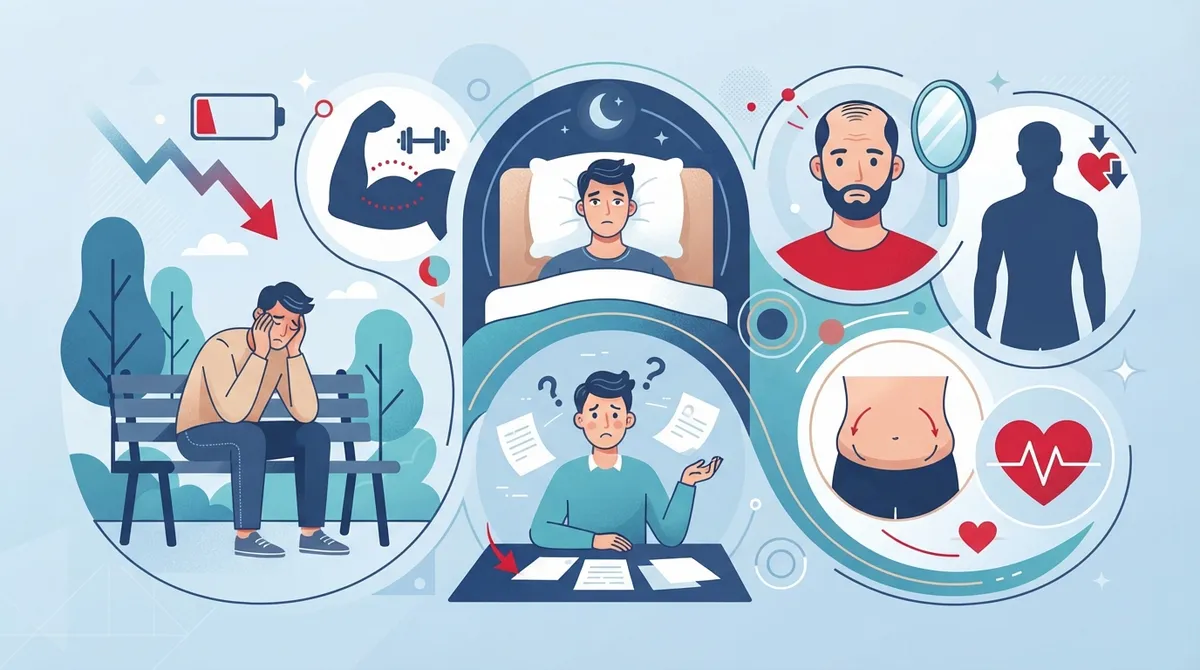
Common Symptoms of Low Testosterone
Low testosterone can cause a wide range of symptoms. Many of them overlap with other health problems, which is why testing and a full exam matter.
- Low sex drive or erectile changes
- Ongoing fatigue and low energy
- Loss of muscle mass or strength
- Increased body fat, especially around the belly
- Low mood, irritability, or trouble focusing
- Poor sleep
- Reduced bone density
Other issues can mimic these signs. Sleep apnea, depression, thyroid problems, diabetes, obesity, and some medications can all lower energy or drive. A good clinician checks for these first. If you are unsure where to start, see how to find what causes low sex drive in men.
How Low Testosterone Is Diagnosed
A safe TRT program starts with testing, not a prescription. Guidelines call for a careful process. Here is what that process usually looks like:
- Symptom review. Your clinician asks about energy, sex drive, mood, sleep, and daily function.
- Medical history and medication review. Some drugs and health conditions can lower testosterone or cause similar symptoms.
- Physical exam. This includes blood pressure, weight, and a check for other health concerns.
- Morning blood test. Testosterone is highest in the morning, so a fasting morning sample using an accurate lab method is standard.
- Repeat testing. A low result should be confirmed with a second morning test before a diagnosis is made.
- Added labs. Tests such as luteinizing hormone (LH) and follicle-stimulating hormone (FSH) help show whether the cause is in the testicles or in the pituitary or hypothalamus.
This stepwise approach protects you. It makes sure the treatment fits the problem. It also helps rule out other causes that need a different plan.
TRT Treatment Options
Testosterone comes in several forms. The right one depends on your health, your preferences, your risk factors, and how well you can follow a monitoring plan.
|
Option |
How It Is Used |
Things to Consider |
|---|---|---|
|
Injections |
Given on a regular schedule, at a clinic or at home |
Can cause ups and downs in levels between doses; often cost-effective |
|
Topical gels |
Applied to the skin daily |
Steady levels, but skin transfer to others is possible |
|
Patches |
Worn on the skin and replaced regularly |
May cause skin irritation |
|
Oral forms |
Taken by mouth as directed |
Specific formulations only; needs close follow-up, including blood pressure checks |
No single option is best for everyone. Your clinician should explain the pros and cons and match the choice to your life. For a closer look at one common form, read about testosterone injections for low T.
Who Should Not Use TRT
TRT is not safe for everyone. A clinician must review your full history before starting. Treatment may be unsuitable, or need more evaluation first, for men with:
- Certain prostate or breast cancer concerns
- Elevated hematocrit (a high red blood cell level)
- Untreated severe obstructive sleep apnea
- Uncontrolled heart failure
- A recent heart attack or stroke
- A clotting disorder (thrombophilia)
These rules exist for good reason. Testosterone can raise red blood cell counts and may affect blood pressure. If any of these apply to you, your clinician may suggest other care first.
TRT and Fertility
This point is often missed. TRT can lower sperm production and hurt fertility. The Endocrine Society recommends against starting TRT in men who plan to have children in the near term.
If you want to father children now or soon, tell your clinician before any treatment starts. Other options may protect fertility while still helping your symptoms. This is a talk worth having early.
Safety Updates: What the FDA Said in 2025
In February 2025, the FDA announced class-wide label changes for testosterone products. These changes drew on the TRAVERSE trial and on blood pressure studies done after the products reached the market.
- TRAVERSE did not find an increase in major adverse cardiovascular outcomes among men using testosterone for hypogonadism.
- Blood pressure studies did find that testosterone products can raise blood pressure.
- Labels now include the trial results and a stronger warning about blood pressure increases.
- The older boxed-warning language on cardiovascular risk was removed.
- The limit on use for age-related hypogonadism stayed in place.
The takeaway is simple. Blood pressure checks are now an important part of TRT care. Men with high blood pressure need extra attention.
Why Monitoring Is Not Optional
Starting TRT is only the first step. Ongoing follow-up is part of the treatment itself. A responsible plan includes regular visits to check how you feel and how your body responds.
Monitoring commonly covers:
- Symptom response and side effects
- Testosterone levels, to confirm your dose is on target
- Hematocrit, to watch for thickening of the blood
- Blood pressure
- Prostate risk, as appropriate for your age and history
For men who choose prostate monitoring, the Endocrine Society advises assessing risk before treatment and again about 3 to 12 months after starting. It also recommends a urology referral if PSA rises past set thresholds or if exam findings are abnormal during the first year. To learn more about this topic, see 7 key things men should know about prostate exams.
How to Choose a TRT Provider in Tampa
A search for "TRT near me Tampa" returns many results. Ads and listings do not prove quality. Use this checklist to compare providers:
- Verify licensure. Confirm that the prescribing clinician is a licensed physician or qualified provider in Florida. You can review the InCare provider team as an example of the transparency to expect.
- Ask about diagnostic standards. Look for repeat morning testing and a full workup, not a same-day prescription.
- Ask about follow-up. Find out how often labs and visits occur, and who reviews your results.
- Check medication sourcing. You should know where your testosterone comes from and how it is prepared.
- Understand total cost. Ask about visit fees, lab fees, and medication costs. Ask what insurance may cover.
- Look for coordinated care. Your TRT provider should work with your primary care doctor and any specialists.
- Watch for red flags. Be careful with promises of guaranteed results, pressure to sign up quickly, or skipped lab work.
It also helps to understand the wider hormone care picture. Our guide on TRT vs. peptide therapy vs. hormone replacement therapy explains how these options differ.
Why a Primary Care Approach Can Be Safer
Hormone health does not sit alone. Testosterone is linked to heart health, sleep, weight, blood sugar, and mood. Treating it in isolation can miss the bigger picture.
A primary care-based clinic can look at all of these together. At InCare primary care, hormone checks sit alongside routine screenings, chronic condition care, and wellness tools. That means your blood pressure, metabolic health, and medications are reviewed in one place. Learn how this works in our article on primary care doctors and hormone care.
This model suits busy professionals, young families, and wellness-minded adults who want one team and one plan. InCare serves patients from its Tampa and Riverview locations, with virtual visits also available. You can find details on the InCare locations page.
Lifestyle Steps That Support Healthy Testosterone
TRT is not the only path, and it works best alongside healthy habits. Before or during treatment, these steps can help:
- Improve sleep. Poor sleep lowers testosterone. Treating sleep apnea matters.
- Manage weight. Excess body fat can lower testosterone. Weight loss may raise it. See our weight loss program for medically guided options.
- Stay active. Strength training and regular movement support hormone balance.
- Reduce stress. Long-term stress can affect hormones and drive.
- Review medications. Some drugs can lower testosterone. Never stop a prescription without medical advice.
For more ideas, read how to support healthy testosterone production at 40+.
Does Insurance Cover TRT?
Coverage varies. Some plans cover lab testing and visits when the diagnosis is documented. Others cover the medication only in certain forms. Some clinics use cash-pay or membership models.
Before you start, ask for a clear cost breakdown. Include the first evaluation, repeat labs, follow-up visits, and the monthly medication cost. A good clinic will answer these questions plainly.
Stay Connected With InCare
Want to see what care looks like in practice? You can follow health tips and clinic updates on Instagram, Facebook, and TikTok. You can also read InCare reviews on Google, where the clinic holds a 4.8 out of 5 rating from patients who praise the friendly staff and thoughtful care.
Conclusion: Start With the Right Evaluation
Searching for "TRT near me Tampa" is a good first step. The best next step is a careful evaluation. TRT should follow real symptoms, repeated low morning testosterone, a review of risks, and a plan for ongoing monitoring. It should never be handed out on the first visit without answers.
If you are ready to find out whether low testosterone is behind how you feel, a primary care team that sees your whole health is a strong place to begin. Book your visit with InCare to start with a thorough evaluation, or contact our team with any questions first.
FAQs
Q: Who is a good candidate for TRT in Tampa?
A: A good candidate is a man who has symptoms of low testosterone and repeated, consistently low morning blood levels caused by a medical condition. TRT is not recommended for normal aging alone or for a single low test result. A clinician must also review your risks, including heart, prostate, sleep apnea, and fertility plans.
Q: Do I need more than one blood test to diagnose low testosterone?
A: Yes. The Endocrine Society recommends confirming a low result with a repeat morning, fasting total testosterone test using an accurate lab method. Your clinician may also order LH and FSH to help find the cause.
Q: Can TRT affect fertility?
A: Yes. TRT can suppress sperm production and impair fertility. Men who plan to have children soon should talk with a clinician about alternatives before starting treatment.
Q: How often do I need follow-up while on TRT?
A: Follow-up is a required part of care. Your clinician will check symptoms, side effects, testosterone levels, hematocrit, blood pressure, and prostate risk as appropriate. The exact schedule depends on your health and the type of therapy you use.
Q: How do I choose a safe TRT provider near me in Tampa?
A: Verify that the clinician is licensed, and confirm that the clinic uses repeat morning testing before prescribing. Ask about follow-up, medication sourcing, total cost, and whether your care is coordinated with a primary care doctor. Be cautious of clinics that promise guaranteed results or skip lab work.