
Key Takeaways
- GHK-Cu evidence is strongest for topical skincare use supporting collagen remodeling and skin repair, but injectable forms lack adequate human safety data and FDA approval, making them significantly riskier.
- Verify GHK-Cu product quality by requesting certificates of analysis, checking independent lab testing results, and confirming transparent ingredient lists rather than relying on online ratings or testimonials.
- Retinoids remain the gold standard for evidence-based skin renewal; GHK-Cu should complement rather than replace established treatments with stronger clinical backing.
- Before trying GHK-Cu, consult a licensed healthcare provider about the specific formulation, realistic results based on current science, and your medical history including allergies and medications.
Copper peptide skincare has taken over wellness clinics and beauty counters alike. If you have searched for a top rated GHK-Cu product or provider, you have probably noticed bold claims about wrinkle reversal, faster wound healing, and even hair regrowth. Before you spend money on this trending peptide, it helps to understand what the science actually shows and how to spot quality you can trust. This guide breaks down the facts so you can make an informed decision with your health in mind.
At InCare, our providers in Tampa and Riverview believe patients deserve clear, honest information before trying any wellness treatment. GHK-Cu is a popular topic in skin health and regenerative wellness, but not all products or claims are created equal. Let's look at what makes a GHK-Cu product genuinely top rated, and what red flags to avoid.
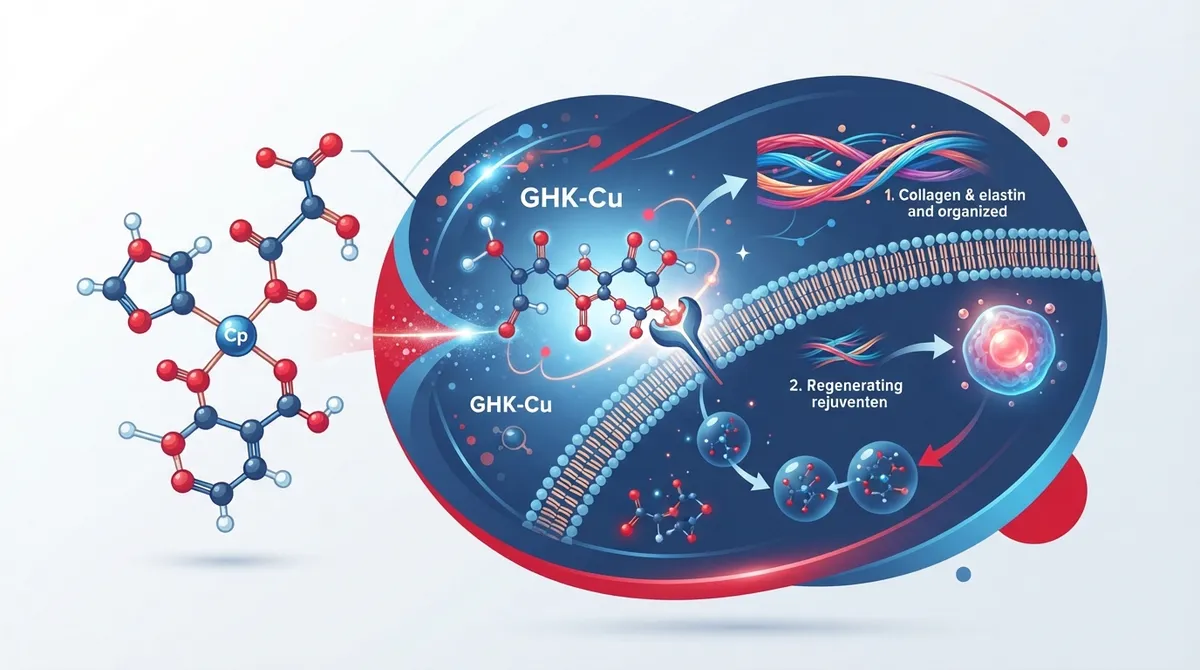
What Is GHK-Cu?
GHK-Cu, also called copper tripeptide-1, is a small peptide that naturally binds to copper. Its full name is glycyl-L-histidyl-L-lysine copper(II). Researchers have studied it for decades because of its role in skin repair and tissue remodeling.
Laboratory and animal studies suggest GHK-Cu may support collagen production, reduce inflammation, and assist wound healing. However, most of this evidence comes from cell studies and animal models, not large human trials. A widely cited 2018 peer-reviewed review summarized decades of research and cosmetic use, but it did not establish GHK-Cu as an FDA-approved therapeutic.
Where the Evidence Is Strongest
The most reliable evidence supports topical use of GHK-Cu in skincare formulas. Studies suggest it may help with:
- Supporting the skin's natural collagen remodeling process
- Assisting with antioxidant activity in skin cells
- Potentially improving the appearance of fine lines over time
- Supporting the skin barrier during minor wound healing
- Working alongside other proven skincare ingredients like retinoids
Even here, human clinical data remains limited compared to the marketing claims you often see online. A Phase 2 randomized, double-blind, vehicle-controlled study of topical GHK-Cu gel for acute skin wounds is currently registered as ClinicalTrials.gov study NCT07437586. This is a positive step, but a registered trial does not prove effectiveness. Results are still pending.

Why Injectable GHK-Cu Raises More Questions Than Answers
Some clinics and online sellers promote injectable GHK-Cu for anti-aging, muscle recovery, or systemic wellness. This is where caution matters most. Evidence for injectable or systemic use is much weaker than evidence for topical, cosmetic application.
GHK-Cu is not FDA-approved as a drug for any medical indication. This means injectable forms carry real risks that topical products do not share. Consider these concerns before pursuing injectable options:
- Limited human safety data exists for injectable use
- Possible immune reactions have not been fully studied
- Peptide aggregation and impurities can occur during manufacturing
- Sterility standards vary widely between suppliers
- Dosing guidelines are not standardized or medically verified
Compounding regulations for peptides like GHK-Cu are also route-specific and can change. What is allowed in one state or by one pharmacy may not be permitted elsewhere. Always ask your provider about current regulatory status before considering any injectable peptide therapy.
How to Identify a Top Rated GHK-Cu Product or Provider
Online star ratings and glowing testimonials do not guarantee quality or safety. A genuinely top rated GHK-Cu option should meet stricter standards. Here is what to look for:
|
Quality Marker |
Why It Matters |
|---|---|
|
Transparent ingredient list |
Shows exact GHK-Cu concentration, not vague "proprietary blends" |
|
Independent lab testing |
Confirms identity and purity, not just manufacturer claims |
|
Certificate of analysis (COA) |
Verifies each product batch meets quality standards |
|
Clear labeling |
Lists dosage, storage instructions, and expiration dates |
|
Medical oversight |
A licensed provider evaluates whether treatment fits your health needs |
|
Adverse event reporting |
Clinic has a clear process if you experience side effects |
Consumers should not interpret online ratings, clinic testimonials, or "research-use-only" labels as proof of regulatory approval or clinical effectiveness. These labels often mean the product has not been evaluated for human safety or efficacy at all.
Steps to Take Before Trying GHK-Cu
If you are considering GHK-Cu for skin health or wellness goals, follow these steps to protect yourself:
- Schedule a consultation with a licensed primary care or wellness provider
- Ask about the specific concentration and formulation being offered
- Request the certificate of analysis for the product batch
- Discuss your full medical history, including allergies and current medications
- Clarify whether the product is topical, oral, or injectable
- Ask what results are realistic based on current evidence, not marketing claims
- Confirm the clinic follows proper sterility and storage protocols
This process helps separate reputable wellness providers from sellers focused only on profit. Our team at InCare's primary care practices in Tampa and Riverview always prioritizes evidence-based counseling over hype.
GHK-Cu Compared to Other Skin Treatments
Many patients want to know how GHK-Cu stacks up against more established options. Here is a simple comparison:
|
Treatment |
Evidence Level |
Common Use |
|---|---|---|
|
Retinoids |
Strong, well-established |
Wrinkle reduction, acne treatment |
|
Topical GHK-Cu |
Moderate, mostly preclinical |
Skin repair, antioxidant support |
|
Injectable GHK-Cu |
Weak, limited human data |
Marketed for anti-aging, recovery |
|
Vitamin C serums |
Strong for antioxidant support |
Brightening, collagen support |
Retinoids remain the gold standard for evidence-based skin renewal. GHK-Cu may complement a skincare routine, but it should not replace treatments with stronger clinical backing.
Common Side Effects and Who Should Avoid GHK-Cu
Topical GHK-Cu is generally well tolerated in cosmetic use, but some people experience mild redness or irritation. Anyone with copper sensitivities, active skin infections, or certain autoimmune conditions should speak with a doctor first.
Pregnant or breastfeeding individuals should also consult a healthcare provider before using any peptide product, since safety data in these groups is limited. GHK-Cu should never replace standard treatment for chronic wounds, diabetic skin complications, or unexplained skin changes. These conditions require proper diagnosis and care from a qualified healthcare provider.
Why Medical Oversight Matters More Than Marketing
The wellness industry moves fast, and peptides like GHK-Cu often get ahead of the science supporting them. A responsible clinic will tell you what is known, what is not known, and what questions remain unanswered.
At InCare, our providers combine current research with real clinical judgment. Whether you are exploring DNA gene testing for personalized insights or curious about newer wellness trends, we focus on evidence over hype. You can also explore related topics like how to pick the best GHK-Cu serum for your skin or learn how to use GHK-Cu safely for skin and wellness on our blog.
Building a Smarter Wellness Routine
GHK-Cu can be one part of a broader wellness plan, but it works best alongside proven strategies. Consider these foundational habits:
- Daily sun protection to prevent collagen breakdown
- A balanced diet rich in antioxidants and protein
- Regular annual wellness visits to track your overall health
- Consistent hydration, including options like IV hydration and vitamin drips
- Open communication with your provider about new products before trying them
Combining these habits with careful peptide use gives you a more complete approach to skin and whole-body health. Many patients also explore body composition analysis to track progress with objective data rather than guesswork.
What to Ask Before Choosing a Provider
Not every clinic offering GHK-Cu treatments has the same level of expertise or transparency. Before booking an appointment, ask these questions:
- Is the provider licensed and experienced in wellness or dermatologic care?
- Can they explain the current research limitations honestly?
- Do they offer lab testing or certificates of analysis for products used?
- What is their protocol if you have an adverse reaction?
- Do they recommend GHK-Cu as a replacement or a complement to standard care?
A trustworthy provider will never pressure you into injectable treatments without clear medical justification. They should also be comfortable discussing alternatives, including retinoids, established peptide therapies, or lifestyle changes.
Patients researching wellness providers often check reviews before committing to a clinic. You can visit us on Google — InCare to see feedback from patients across our Tampa and Riverview locations. Our team is also active on Facebook and Instagram, where we share wellness tips and clinic updates. You can even follow along on TikTok for quick health insights.
Final Thoughts on Choosing GHK-Cu Wisely
GHK-Cu remains an interesting peptide with real potential in skin health, especially in topical formulations. However, the science does not yet support many of the bold claims circulating online, particularly for injectable or systemic use. A top rated GHK-Cu product or provider is one built on transparency, testing, and honest medical guidance rather than flashy marketing.
If you want personalized advice about GHK-Cu, skin health, or broader wellness goals, our team at InCare is here to help. We serve patients throughout Tampa and Riverview with a focus on prevention, transparency, and whole-body care. Reach out today to get in touch with our team or go ahead and schedule your appointment now to discuss what wellness options make sense for you.
FAQs
Q: What is GHK-Cu and what is it used for?
A: GHK-Cu, or copper tripeptide-1, is a naturally occurring copper-binding peptide studied for skin repair, collagen remodeling, and wound healing. It is most commonly found in topical skincare products rather than systemic treatments.
Q: Is GHK-Cu FDA-approved or legal to use in the United States?
A: GHK-Cu is not FDA-approved as a drug for any medical indication. Topical cosmetic products containing GHK-Cu may be sold legally, but injectable forms raise additional regulatory and safety concerns that vary by state and compounding rules.
Q: Does topical GHK-Cu really improve wrinkles, collagen, or wound healing?
A: Laboratory and animal research suggests GHK-Cu may support collagen production and tissue repair, but human clinical evidence remains limited. Results vary, and it should not replace treatments with stronger clinical backing like retinoids.
Q: Are GHK-Cu injections safe and effective?
A: Injectable GHK-Cu carries more risk than topical use due to limited human safety data, potential impurities, and inconsistent sterility standards. Evidence for injectable anti-aging or recovery claims is much weaker than for topical cosmetic applications.
Q: How can I identify a high-quality or top-rated GHK-Cu product?
A: Look for transparent ingredient disclosure, independent lab testing, certificates of analysis, and clear labeling. A trustworthy provider will also offer medical oversight and honest counseling about what current research does and does not support.