Key Takeaways
- Low libido is a symptom, not a diagnosis; causes include low testosterone, thyroid problems, depression, poor sleep or sleep apnea, chronic illness, and certain medications.
- Testosterone therapy should only be used after low levels are confirmed by repeat early-morning blood tests, with total testosterone below 300 ng/dL as a reasonable AUA cutoff.
- Testosterone therapy does not boost libido in men with normal levels and can reduce sperm production, so it is generally unsuitable for men planning near-term fertility.
- A root-cause evaluation through primary care, reviewing history, mood, sleep, and medications, is generally the safer and more accurate starting point than going straight to hormones.
- Erectile dysfunction and low desire are separate problems, and medicines that improve erections do not necessarily restore sexual desire.
- Lifestyle habits like consistent sleep, exercise, stress management, limiting alcohol, and maintaining a healthy weight support desire and make any medical treatment more effective.
Low desire can be unsettling. It can strain relationships, lower confidence, and leave many men unsure where to turn. If you are searching for libido treatment for men in Tampa, you are not alone. A 2020 U.S. survey analysis reported that 14.7% of men experienced hypoactive sexual desire in the prior 12 months, and about 20% of those men reported significant distress.
Many men assume one fix will solve the problem, and the most common guess is testosterone. In reality, low libido is a symptom, not a diagnosis. It can come from hormones, but also from sleep problems, stress, mood disorders, chronic illness, or medications. This article compares two common paths: jumping straight to testosterone therapy, or starting with a full, root-cause evaluation. You will learn how each works, when each makes sense, and what to expect at a visit.
Why Low Libido Is a Symptom, Not a Diagnosis
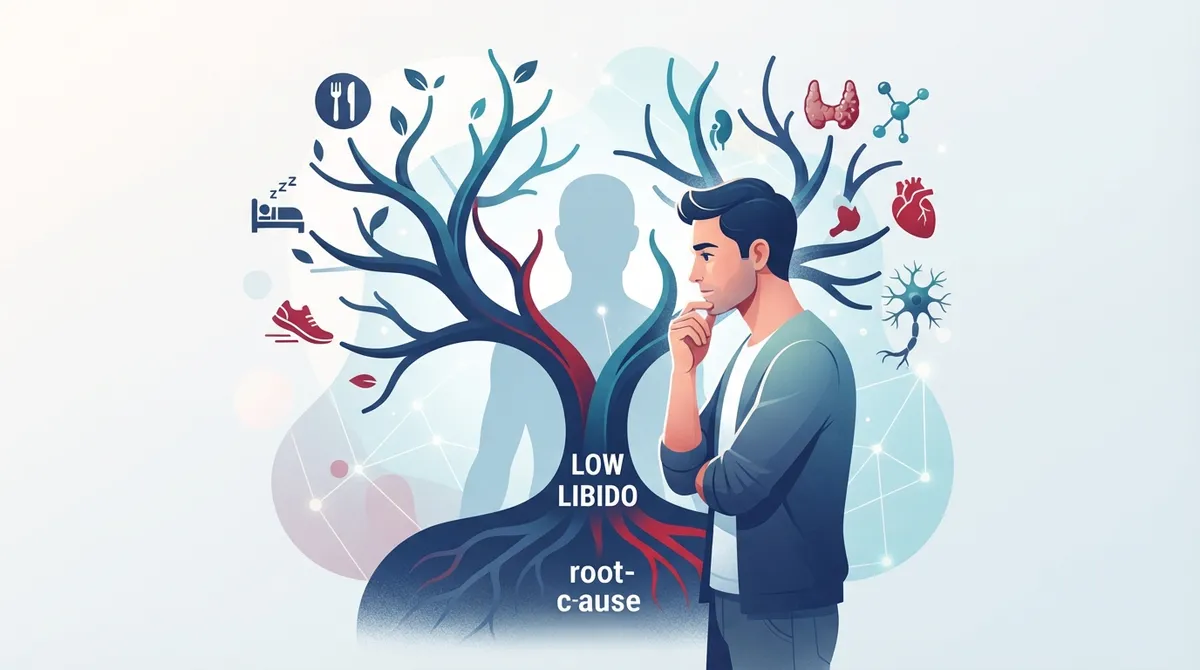
Sexual desire depends on the whole body. Hormones, the brain, blood flow, mood, and relationships all play a part. When desire drops, the cause is often more than one thing.
Common contributors include:
- Hormonal conditions: such as low testosterone (hypogonadism) or thyroid problems
- Mental health: depression, anxiety, and ongoing stress
- Sleep problems: poor sleep and untreated sleep apnea
- Chronic illness: diabetes, heart disease, obesity, and high blood pressure
- Medications and substances: some antidepressants, opioids, and heavy alcohol use
- Relationship factors: conflict, communication gaps, or life changes
Because the list is long, guessing is risky. A clear diagnosis comes first. A primary care clinician can help sort through these possibilities and decide which tests, if any, are needed.
Two Paths Compared: Testosterone-First vs. Root-Cause Evaluation
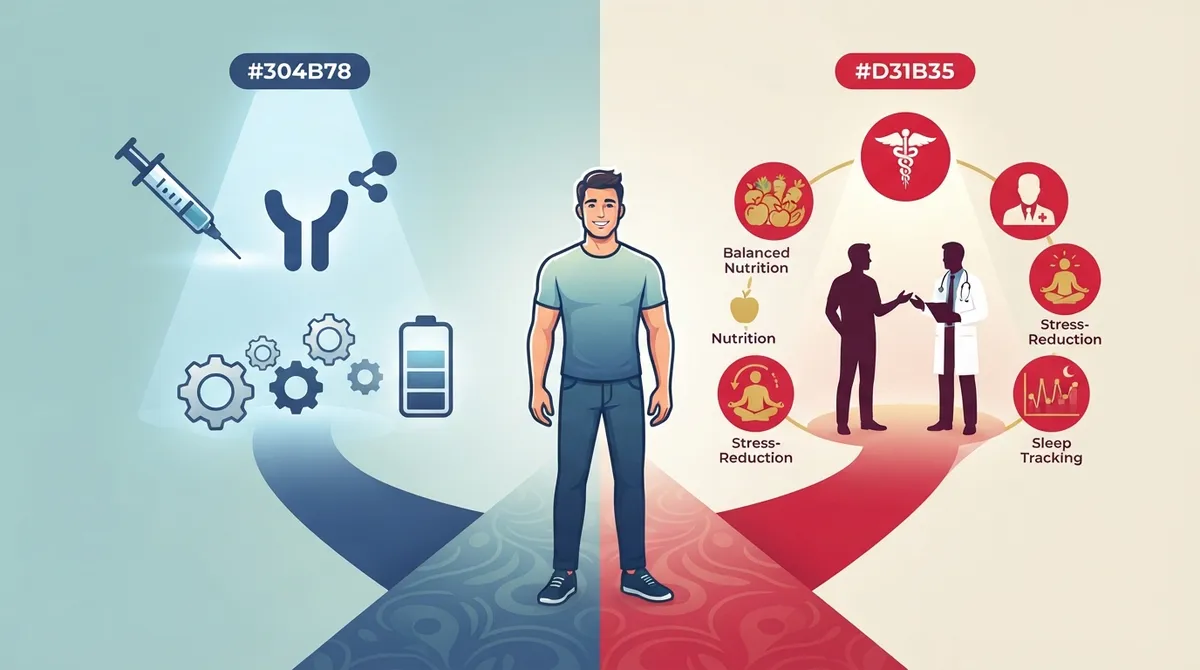
When men look for libido treatment in Tampa, they usually meet two approaches. One starts with testosterone. The other starts with a full health review. Here is how they differ.
|
Factor |
Testosterone-First Approach |
Root-Cause Evaluation |
|---|---|---|
|
Starting point |
Assumes hormones are the issue |
Reviews health history, mood, sleep, and medications |
|
Testing |
Often a single hormone check |
Targeted tests based on your history and exam |
|
Best for |
Men with confirmed testosterone deficiency |
Any man with low desire, especially if the cause is unclear |
|
Risks |
Can lower sperm production; needs monitoring |
Lower risk; may involve referrals or counseling |
|
Fertility impact |
Generally not suited to men planning near-term fertility |
No fertility impact from evaluation itself |
The key point is simple. Testosterone therapy is a valid option for some men, but only after deficiency is properly confirmed. It is not a general libido booster for men with normal levels.
How Low Testosterone Is Properly Diagnosed
Low testosterone should never be diagnosed from symptoms alone or from one test. Guidelines from the Endocrine Society and the American Urological Association (AUA) set a careful standard.
- Compatible symptoms or signs. These may include low desire, fatigue, reduced muscle mass, or low mood.
- A first morning blood test. Testosterone levels are highest in the early morning, so timing matters.
- A second confirming test. Guidelines call for repeat morning testing, and the Endocrine Society recommends fasting samples.
- Clinical interpretation. The AUA uses total testosterone below 300 ng/dL as a reasonable cutoff, read in the context of symptoms.
- Cause investigation. If levels are truly low, a clinician may order more tests, such as luteinizing hormone, to find out why.
This process protects you. It avoids starting a long-term treatment you may not need. It also helps catch other conditions that can look like low testosterone.
What Happens at a Low-Libido Appointment
Many men feel nervous about this conversation. A good clinic makes it confidential, respectful, and practical. Here is what to expect at a primary care visit in Tampa.
A Confidential Health History
Your clinician will ask when the change began. They will also ask about your general and sexual health, mood, sleep, stress, medications, alcohol or other substance use, and fertility goals. Honest answers lead to better care.
A Focused Exam and Selected Tests
Your history guides what comes next. There is no one-size-fits-all hormone panel. Tests may include blood work for hormones, blood sugar, thyroid function, or other markers, depending on what your history suggests.
A Plan Built Around the Cause
Once the likely cause is clear, you and your clinician choose a plan. Some men need treatment for depression or sleep apnea. Others need a medication review. Some need counseling. A few need hormone therapy. Your plan should match your situation.
At InCare's primary care services, this kind of whole-body review is the foundation of care. The clinic combines advanced technology with medical expertise to look at the full picture rather than a single symptom.
Treatment Options That Match the Cause
Effective libido treatment depends on what is driving the problem. The table below links common causes with common approaches.
|
Likely Cause |
Typical Approach |
|---|---|
|
Confirmed low testosterone |
Testosterone therapy with a risk discussion and ongoing monitoring |
|
Depression or anxiety |
Mental health treatment, counseling, or medication review |
|
Poor sleep or sleep apnea |
Sleep evaluation and treatment |
|
Medication side effects |
Review with the prescriber to consider changes |
|
Chronic illness or weight |
Better disease control and medical weight management |
|
Relationship or psychological factors |
Couples counseling or sex therapy |
Notice what is missing: a single pill for everyone. Erectile dysfunction and low desire are separate problems. Medicines that help erections do not necessarily restore sexual desire. A clinician can help you tell the two apart.
Testosterone Therapy: Benefits, Risks, and Fertility
For men with confirmed deficiency, testosterone therapy can help. Still, it is a serious medical treatment that needs careful oversight.
- It is not for everyone. Men with normal testosterone levels should not expect a libido boost from it.
- It can reduce sperm production. It is generally not suitable for men planning near-term fertility.
- It requires monitoring. Follow-up visits and lab checks help keep treatment safe.
- It requires a risk talk. Contraindications and side effects should be reviewed before you start.
If you are exploring this route, read more about testosterone replacement therapy at InCare and how an evidence-based approach protects your health.
Why a Primary Care Clinic Is a Smart Starting Point
Many Tampa men search for a specialty men's clinic first. That can work. Still, a primary care clinician is often the best first stop. Here is why.
- Whole-person view. Your doctor already looks at heart health, blood sugar, mood, and sleep, all of which affect desire.
- Coordinated referrals. If you need an endocrinologist, urologist, or behavioral health provider, your primary care team can connect you.
- Medication awareness. A primary care provider can spot drugs that may be lowering your libido.
- Continuity. One team follows your progress over time.
Marketing from any clinic is not proof that a treatment is right for you. Look for a practice that tests carefully, explains your options, and avoids pushing one answer. InCare offers this patient-first model at its Tampa and Riverview locations, with convenient telemedicine visits as well. Dr. Pramjeet Ahluwalia and the InCare team are known for friendly, thorough care, and the clinic holds a 4.8 out of 5 rating on Google. You can see what InCare patients say on Google.
Who Benefits Most From Each Approach?
Different men have different needs. Think about which description fits you best.
Busy Professionals and Tech-Savvy Men
If your schedule is packed, virtual visits can make the first conversation easier. A telemedicine appointment can start the process, and labs can follow in person.
Men Focused on Prevention and Optimization
If you track your health closely, you may want deeper data. Services like DNA gene testing and body composition analysis can add context to your overall wellness plan. Weight, metabolism, and fitness all connect to hormone health.
Fathers and Men With Family Goals
If you may want children soon, tell your clinician early. Fertility goals change which treatments are appropriate. The conversation should come before any hormone therapy starts.
Younger Men
Men in their 20s with low desire should look closely at stress, sleep, mood, and lifestyle first. Hormone deficiency is less common at that age, and other causes deserve attention.
Lifestyle Steps That Support Healthy Desire
Medical care works best alongside daily habits. These steps support hormone balance, energy, and mood.
- Protect your sleep. Aim for consistent, restful sleep, and ask about testing if you snore or wake tired.
- Move your body. Regular exercise supports heart health, mood, and energy.
- Manage stress. Ongoing stress can lower desire. Counseling, mindfulness, or time off may help.
- Limit alcohol. Heavy drinking can affect hormones and performance.
- Maintain a healthy weight. Excess weight can affect hormone levels. A medical weight loss program may help when diet alone is not enough.
- Talk with your partner. Open conversation can reduce pressure and strengthen connection.
These habits will not replace medical care when it is needed. They do, however, make every treatment more effective.
When to See a Doctor or Specialist
Consider booking a visit if any of the following applies:
- Low desire has lasted several weeks or months without improving
- It is causing distress for you or your relationship
- You also notice fatigue, low mood, or lost muscle mass
- You take medications that may affect sexual function
- You have a chronic condition such as diabetes or heart disease
Your primary care provider may refer you to endocrinology, urology, or behavioral health when needed. That coordination is part of good care. Learn more about InCare's Tampa and Riverview locations to find the most convenient option.
Final Verdict: Which Path Wins?
For most men, the root-cause evaluation wins as the starting point. It is safer, more accurate, and more likely to find the real reason behind low desire. Testosterone therapy has an important place, but it works best when a deficiency is clearly confirmed through repeated morning testing and a careful risk review.
In short, treat the cause, not just the symptom. If you are ready to take the first step, book an appointment with InCare for a confidential, personalized evaluation in Tampa or Riverview. You can also contact our team with questions, or follow InCare on Instagram for wellness tips. Our Facebook page and TikTok share updates, too. Your health deserves a complete answer, and InCare is ready to help you find it.
FAQs
Q: What causes low libido in men?
A: Low libido can stem from hormonal conditions such as low testosterone, depression, anxiety, poor sleep, chronic illness, medication side effects, or relationship stress. Because several causes can overlap, a primary care evaluation helps identify the true driver before treatment begins.
Q: How is low testosterone diagnosed in men?
A: Diagnosis requires compatible symptoms plus consistently low testosterone on repeat early-morning blood tests. The American Urological Association uses total testosterone below 300 ng/dL as a reasonable cutoff, and a clinician interprets results in context before recommending treatment.
Q: Does testosterone therapy improve libido, and what are its risks?
A: Testosterone therapy can help men with confirmed deficiency, but it is not a general libido booster for men with normal levels. It can suppress sperm production and is generally unsuitable for men planning near-term fertility, so it requires a full risk discussion and ongoing monitoring.
Q: Can stress, medications, or poor sleep lower a man's sex drive?
A: Yes. Stress, depression, certain medications, alcohol use, and poor sleep are all well-known contributors to low desire. Addressing these factors, often with guidance from a primary care provider, can restore libido without hormone therapy.
Q: When should a man with low libido see a doctor?
A: Schedule a visit if low desire lasts for weeks or months, causes distress, or comes with fatigue, low mood, or other symptoms. A primary care provider can start the evaluation and refer you to a specialist if needed.