
Key Takeaways
- Semaglutide is FDA-approved and available now with proven 14.9% weight loss and cardiovascular benefits, while retatrutide shows promising early results (28.3% weight loss) but remains unapproved and unavailable outside clinical trials.
- Retatrutide's topline phase 3 results are company-reported and unpublished; waiting for full peer-reviewed data and FDA review is necessary before treating these numbers as confirmed facts rather than early signals.
- Semaglutide has long-term safety data and cardiovascular outcomes evidence from the SELECT trial showing 20% reduction in major cardiac events, while retatrutide's long-term safety profile is still being established.
- Both medications commonly cause gastrointestinal side effects like nausea and diarrhea, but retatrutide's triple-receptor activation may also increase heart rate and requires careful medical supervision beyond current knowledge.
- Weight regain is common after stopping either medication, making a comprehensive treatment plan with nutrition counseling and lifestyle changes more important than short-term weight loss numbers.
- Cross-trial comparisons between semaglutide and retatrutide have significant limits due to different study populations, timelines, and designs; a true head-to-head study has not been completed and published.
Two names keep coming up in weight loss conversations: retatrutide and semaglutide. Patients want to know which one works better, which one is safer, and which one they can actually get right now. The answers matter, because choosing the wrong path—or chasing a drug that is not yet approved—can waste time, money, and put your health at risk.
This guide breaks down what the science actually shows about retatrutide vs semaglutide weight loss results. We will look at real trial data, explain how each drug works, and help you understand what questions to ask your doctor. Whether you are a busy parent trying to fit health into a packed schedule, or a wellness-focused professional who wants the latest science-backed options, this comparison will help you make an informed choice. At InCare, our weight loss programs in Tampa and Riverview are built around this kind of evidence-based guidance.
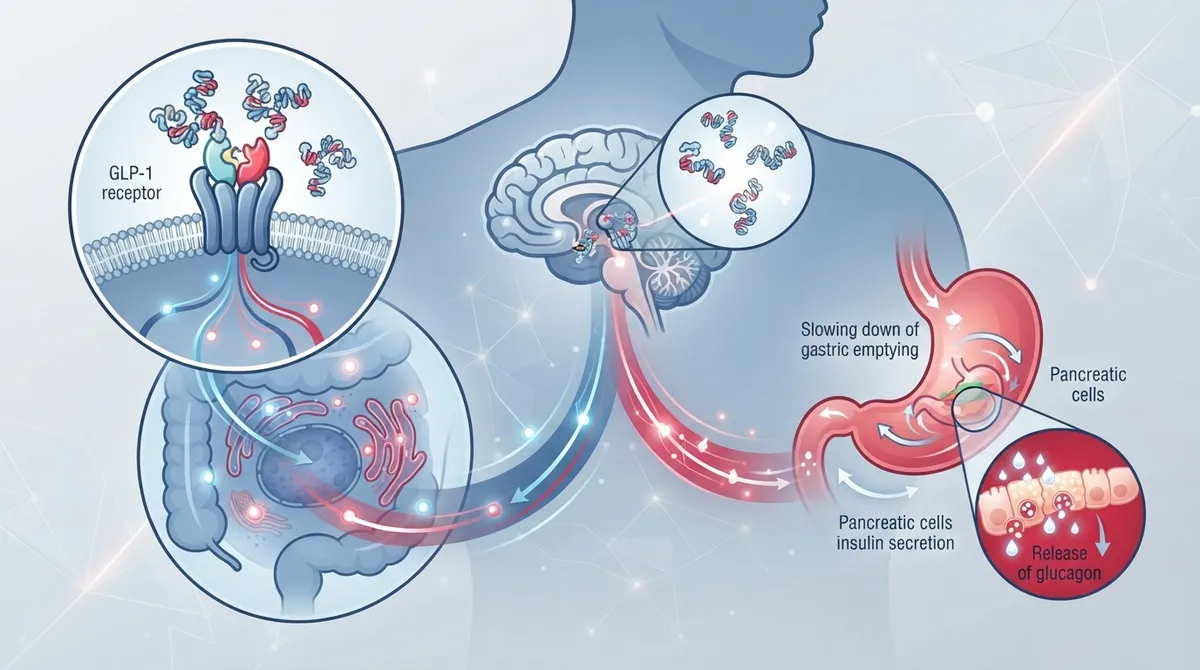
What Is Semaglutide and How Does It Work?
Semaglutide is a GLP-1 receptor agonist. It mimics a hormone your gut releases after eating. This hormone slows digestion, reduces appetite, and helps you feel full longer.
In the United States, semaglutide 2.4 mg is FDA-approved as Wegovy for chronic weight management in eligible adults and adolescents. It also carries an approval to reduce major cardiovascular events in certain adults with overweight or obesity and existing heart disease. This is not a new or experimental drug. Doctors have prescribed semaglutide for years, and its safety record is well documented.
Semaglutide Weight Loss Results
The pivotal STEP 1 trial tested semaglutide 2.4 mg in 1,961 adults without diabetes. After 68 weeks, participants lost an average of 14.9% of their body weight. Those on placebo lost just 2.4%. Nearly 86% of people on semaglutide lost at least 5% of their starting weight, compared to only 31.5% on placebo.
Semaglutide also has cardiovascular outcomes data behind it. The SELECT trial showed a 20% reduction in major adverse cardiac events among adults with overweight or obesity and established heart disease. This kind of long-term safety evidence is something retatrutide does not yet have.

What Is Retatrutide and Why Is It Getting Attention?
Retatrutide is an investigational once-weekly injectable. Unlike semaglutide, which activates one receptor, retatrutide activates three: GIP, GLP-1, and glucagon. This triple-action approach is why researchers call it a "triple agonist."
It is important to understand that retatrutide is not currently approved by the FDA. It remains under clinical investigation, which means it is not available by standard prescription. Patients should not seek it through unregulated online sources or compounded products, since quality, dosing accuracy, and safety cannot be guaranteed outside of proper clinical trials or future regulatory approval.
Retatrutide Weight Loss Results So Far
In a phase 2 obesity trial published in the New England Journal of Medicine in 2023, retatrutide produced weight loss of up to 24.2% at 48 weeks with the 12 mg dose. This study involved 338 adults with obesity or overweight plus at least one weight-related health condition. There was no direct semaglutide comparison group in this trial, so the numbers should be viewed carefully.
More recently, Eli Lilly reported topline phase 3 results from the TRIUMPH-1 trial. According to the company, the 12 mg dose of retatrutide led to 28.3% mean weight loss at 80 weeks, compared to just 2.2% for placebo, among 2,339 adults with obesity or overweight and no type 2 diabetes. In a separate trial called TRIUMPH-2, which included adults with type 2 diabetes, weight loss ranged from 12.7% at the 4 mg dose to 20.8% at the 12 mg dose over 80 weeks.
These numbers are promising. But they are company-reported topline results. Full peer-reviewed publication and FDA review are still pending. Until then, these figures should be treated as early signals, not confirmed facts.
Retatrutide vs Semaglutide Weight Loss: Side-by-Side Comparison
Comparing these two drugs directly is tricky. They were tested in different trials, with different populations, different timelines, and different study designs. Still, here is how the available data lines up.
|
Factor |
Semaglutide (Wegovy) |
Retatrutide |
|---|---|---|
|
FDA Approval Status |
Approved for chronic weight management |
Investigational; not yet approved |
|
Mechanism |
GLP-1 receptor agonist |
Triple agonist: GIP, GLP-1, glucagon |
|
Key Trial |
STEP 1 (2021) |
Phase 2 trial (2023); TRIUMPH-1 & 2 (2026 topline) |
|
Reported Weight Loss |
14.9% at 68 weeks |
Up to 28.3% at 80 weeks (topline, unpublished) |
|
Cardiovascular Data |
Yes — SELECT trial (20% risk reduction) |
Not yet established |
|
Availability |
By prescription now |
Not available outside clinical trials |
Cross-trial comparisons like this have real limits. Differences in participant health status, dosing schedules, lifestyle counseling, and how researchers measured results can all skew the numbers. A true head-to-head study between retatrutide and semaglutide has not been completed and published in full detail.
Side Effects: What to Expect With Each Medication
Both drugs work on your digestive system, so gastrointestinal side effects are common with each.
- Semaglutide side effects: Nausea, vomiting, diarrhea, constipation, and abdominal discomfort are the most frequently reported issues. These often improve as your body adjusts to the medication.
- Retatrutide side effects: Trial data shows similar gastrointestinal symptoms, and these tend to increase with higher doses. Because retatrutide also activates glucagon receptors, it may cause additional effects such as increased heart rate. Long-term safety data is still being gathered.
Neither medication is something you should try to source informally. Your doctor needs to review your full medical history, current medications, and any risk factors before starting either treatment. This is especially true for people with a personal or family history of certain thyroid conditions, pancreatitis, or gallbladder disease.
Who Should Consider Semaglutide Right Now?
Since semaglutide is FDA-approved and widely available, it remains the practical choice for most patients today. Good candidates typically include:
- Adults with a body mass index of 30 or higher, or 27 or higher with a weight-related condition like high blood pressure or type 2 diabetes.
- Patients who want a medication with an established long-term safety record.
- People who also want cardiovascular risk reduction, especially those with existing heart disease.
- Patients who are ready to combine medication with nutrition counseling and lifestyle changes for lasting results.
Weight regain is common after stopping GLP-1 medications, so a long-term treatment plan matters more than the number on the scale after a few months. This is why working with a provider who understands what makes medical weight loss different from dieting is so important.
Should You Wait for Retatrutide?
Some patients ask if they should hold off on treatment until retatrutide becomes available. In most cases, this is not the right approach. Retatrutide's timeline for FDA approval is uncertain, and delaying treatment for obesity or related conditions can allow health risks to progress.
If you have concerns about diabetes, high blood pressure, or joint pain related to excess weight, starting an approved treatment now, under a doctor's supervision, is generally the safer path. You can always discuss transitioning to newer options later, once they receive full regulatory review and become available through legitimate prescription channels.
How InCare Approaches GLP-1 and Weight Loss Treatment
At InCare, our providers in Tampa and Riverview take a whole-body approach to weight management. We do not just hand you a prescription and send you on your way. Our process includes:
- A full evaluation of your health history, current medications, and weight-related risk factors.
- Body composition analysis to track real changes in fat and muscle, not just pounds on a scale.
- Ongoing monitoring for side effects and dose adjustments as needed.
- Nutrition and lifestyle support to help you keep results long after treatment.
Our team, including Dr. Pramjeet Ahluwalia and other providers, stays current on emerging research, including data on retatrutide and other next-generation therapies. We combine this knowledge with proven, currently available treatments like semaglutide in Tampa to give patients realistic, safe options today.
Beyond Medication: A Whole-Body Approach to Weight Loss
Weight loss medications work best as part of a bigger plan. InCare also offers services that support metabolic health and overall wellness, including:
- Metabolic breath analysis to understand how your body burns energy.
- Body composition tracking using advanced imaging technology.
- DNA gene testing for personalized insight into how your body responds to diet and exercise.
- IV hydration and vitamin drips to support energy during your weight loss journey.
This kind of comprehensive care is what separates a true medical weight loss program from simply picking up a prescription. Our patients in Tampa and Riverview often mention this personalized attention when they leave reviews. You can visit us on Google — InCare to read what real patients say about their experience.
Questions to Ask Your Doctor Before Starting Treatment
Before starting semaglutide, or considering retatrutide once it becomes available, bring these questions to your appointment:
- Am I a good candidate based on my BMI, health history, and current medications?
- What side effects should I watch for, and when should I call the office?
- How will we track progress beyond just weight, such as body composition or lab markers?
- What is the plan if I want to stop treatment, and how do we prevent weight regain?
- Do I have any conditions that would make this medication unsafe for me?
A good primary care team will take time to answer these questions clearly. If you are searching for a provider who blends the latest research with careful, personalized care, our locations in Tampa and Riverview are ready to help. Follow our team's updates and patient stories on Instagram, Facebook, and TikTok for more wellness tips.
Making the Right Choice for Your Health
Retatrutide shows exciting early results, with some trials reporting weight loss above 28% at 80 weeks. But it remains an investigational drug without FDA approval, full peer-reviewed data, or an established long-term safety profile. Semaglutide, on the other hand, has years of real-world use, strong clinical trial data, and even cardiovascular benefits backed by published research.
For most patients today, semaglutide remains the proven, accessible option. As retatrutide moves through the approval process, your primary care provider can help you understand when and if it becomes a reasonable choice for your specific health needs.
Ready to explore your weight loss options with a team that puts your safety first? Book your appointment today and take the next step toward lasting results. You can also reach out to our team with any questions about which treatment path fits your goals.
FAQs
Q: Is retatrutide more effective than semaglutide for weight loss?
A: Early trial data suggests retatrutide may produce greater weight loss than semaglutide, with topline phase 3 results showing up to 28.3% weight loss compared to semaglutide's 14.9% in its pivotal trial. However, these are cross-trial comparisons from different studies, not a direct head-to-head trial, so the results should be interpreted with caution until full peer-reviewed data is available.
Q: Is retatrutide FDA approved for weight loss?
A: No, retatrutide is not currently FDA approved. It remains an investigational medication still undergoing clinical trials, which means it is not available through standard prescription channels at this time.
Q: What are the side effects of retatrutide versus semaglutide?
A: Both medications commonly cause gastrointestinal side effects like nausea, vomiting, and diarrhea. Retatrutide's additional glucagon receptor activity may also cause increased heart rate, and its long-term safety profile is still being studied, unlike semaglutide's well-established safety record.
Q: Can you take retatrutide and semaglutide together?
A: Combining these medications is not recommended outside of a formal clinical trial setting. Since retatrutide is still investigational, any use should only occur under proper medical supervision and regulatory guidelines, not alongside other GLP-1 medications on your own.
Q: Will weight come back after stopping semaglutide or retatrutide?
A: Weight regain is common after stopping either type of medication, since these drugs work by suppressing appetite while you take them. A long-term plan that includes nutrition counseling, lifestyle changes, and ongoing medical support helps reduce the chance of regaining weight after treatment ends.