
Key Takeaways
- Retatrutide reduced HbA1c by 2.02 percentage points in Phase 2 trials, substantially exceeding most current diabetes medications' 1-1.5 point reductions, with Phase 3 data showing 1.7-2.0 point reductions.
- Retatrutide is not FDA-approved as of 2026 and cannot be legally prescribed; patients should avoid unregulated online versions and instead use proven approved treatments like metformin and GLP-1 medications.
- The drug produced 11-17% body weight loss in trials compared to 2-3% in placebo groups, addressing both diabetes and obesity simultaneously, which could simplify treatment plans and reduce medication burden.
- Common side effects were digestive issues (nausea, diarrhea, vomiting) managed through gradual dose escalation, but long-term safety data remains limited pending full regulatory review.
If you live with type 2 diabetes, you have probably heard buzz about a new injectable drug called retatrutide. Patients ask about it at checkups. Social media is full of claims. But what does the actual science say about retatrutide type 2 diabetes efficacy? This article breaks down the real clinical trial data, explains how the drug works, and helps you understand where it stands today. Whether you are a busy parent managing your family's health, a young professional exploring wellness options, or someone who has struggled with blood sugar control for years, this guide gives you clear, honest facts.
Retatrutide is not yet approved for use. It remains an investigational medicine. That means no doctor, including providers at InCare's primary care practices in Tampa and Riverview, can prescribe it today. But understanding the science now helps you make informed decisions about your current diabetes care and prepares you for what may come next.
What Is Retatrutide and How Does It Work?
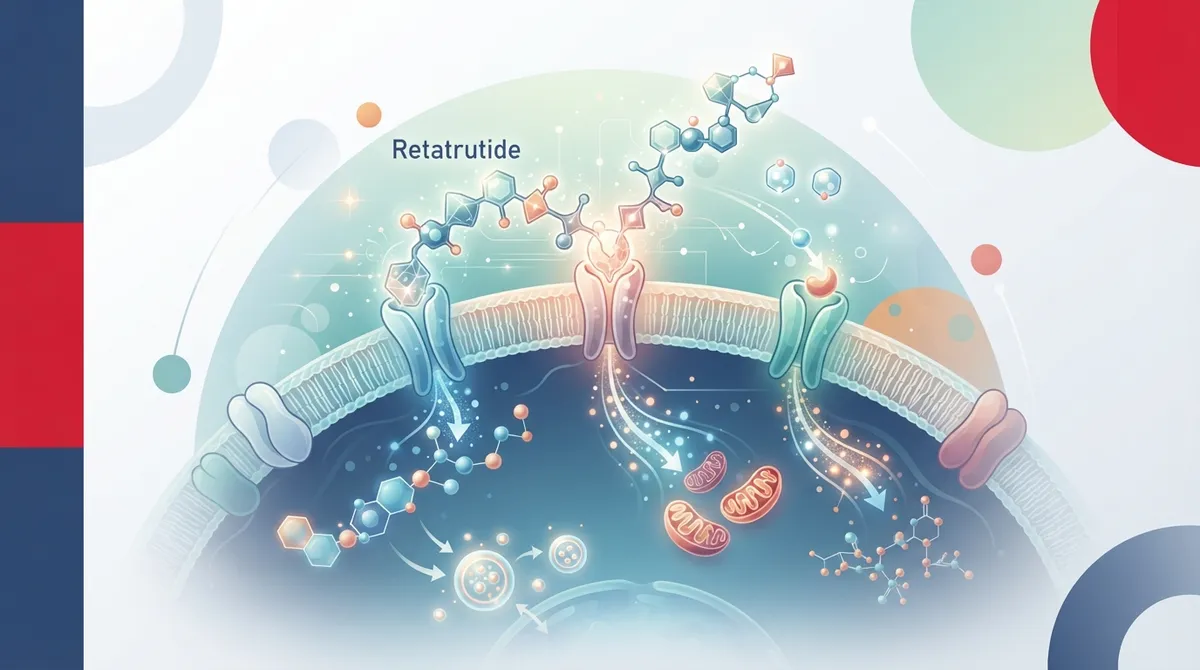
Retatrutide is a once-weekly injectable drug being developed by Eli Lilly. It targets three different hormone receptors at once: GIP, GLP-1, and glucagon. Doctors call this a "triple agonist." This is different from older diabetes drugs that usually target just one or two of these pathways.
Each of these hormones plays a role in blood sugar control and appetite. By activating all three, retatrutide may lower blood sugar and reduce body weight more than single-target drugs. This dual benefit matters because obesity and type 2 diabetes often occur together. Managing both at once could improve long-term health outcomes for many patients.
Retatrutide Type 2 Diabetes Efficacy: The Phase 2 Trial Results
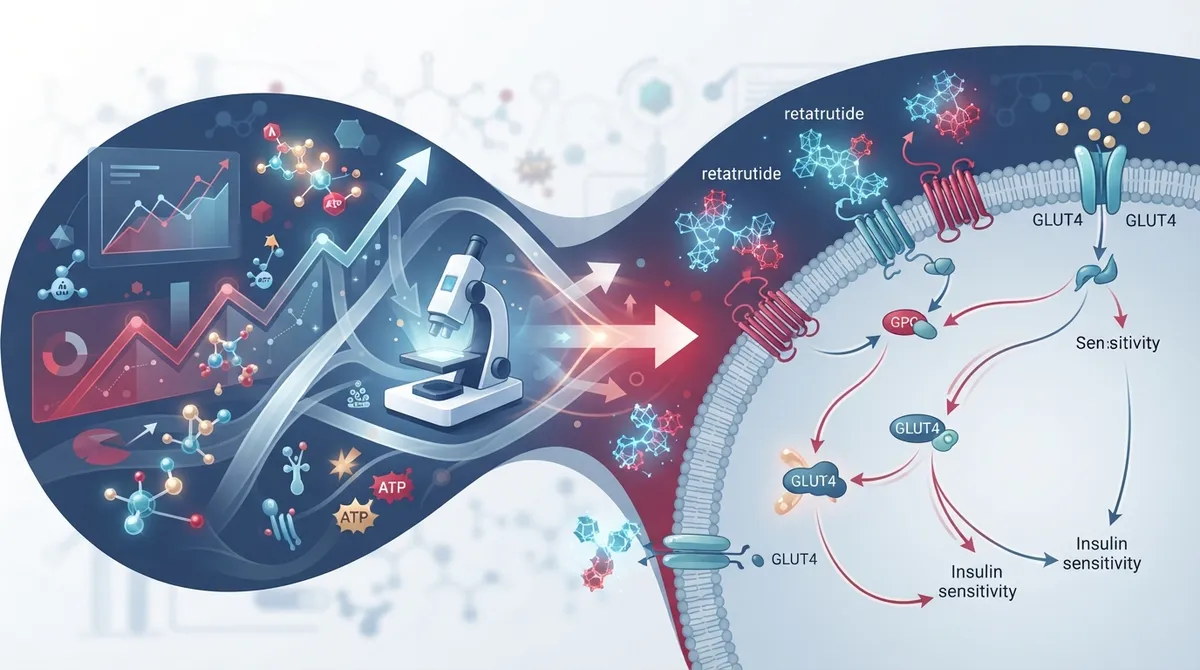
The most detailed data on retatrutide type 2 diabetes efficacy comes from a Phase 2 trial published in The Lancet in 2023. This study enrolled 281 adults with type 2 diabetes across 42 research centers in the United States. Researchers compared different doses of retatrutide against both a placebo and dulaglutide, an already-approved diabetes medicine.
Here is what the numbers showed after 24 weeks of treatment:
|
Treatment Group |
HbA1c Change |
|---|---|
|
Placebo |
-0.01 percentage points |
|
Dulaglutide 1.5 mg |
-1.41 percentage points |
|
Retatrutide 4 mg |
-1.39 percentage points |
|
Retatrutide 8 mg |
-1.99 percentage points |
|
Retatrutide 12 mg (escalation) |
-2.02 percentage points |
HbA1c is a blood test that shows your average blood sugar over about three months. A drop of 2 percentage points is a substantial improvement. For context, many current diabetes medicines aim for reductions of 1 to 1.5 percentage points. These early results suggested retatrutide could match or even beat some existing treatments, depending on the dose used.
Newer Phase 3 Data: TRANSCEND-T2D-1
Since the Phase 2 trial, research has moved into Phase 3, the stage right before a drug can seek approval. The TRANSCEND-T2D-1 study enrolled 537 adults with type 2 diabetes who were not well controlled by diet and exercise alone. This trial ran for 40 weeks.
According to sponsor-reported results shared in 2026, participants saw:
- HbA1c reductions of approximately 1.7 to 2.0 percentage points across retatrutide dose groups
- A placebo group reduction of only about 0.8 percentage points
- Weight loss ranging from roughly 11% to 17% of body weight in retatrutide groups
- Weight loss of only 2% to 3% in the placebo group
These numbers are promising. However, it is important to remember these are sponsor-reported figures. Full peer review and regulatory evaluation are still needed before we can call these results confirmed and final.
How Does Retatrutide Compare to Other GLP-1 Medicines?
Many patients already use GLP-1 drugs like semaglutide or tirzepatide for diabetes and weight management. So how does retatrutide stack up? Based on current trial data, retatrutide appears to produce similar or greater HbA1c reductions compared to dulaglutide, an older GLP-1 drug. It may also lead to more weight loss than some existing options because it targets an extra hormone pathway.
That said, direct head-to-head trials against semaglutide and tirzepatide are limited. Each person responds differently to diabetes medicines. Factors like other health conditions, current medications, and personal goals all matter. This is why working with a primary care provider who knows your full health history is so important. If you want to understand how current GLP-1 therapies fit your situation, InCare's weight loss program offers physician-guided support using approved treatments.
Why This Matters Beyond Blood Sugar Numbers
Type 2 diabetes rarely travels alone. It often comes with extra body weight, high blood pressure, and higher risk for heart disease. This is why retatrutide's weight loss effects matter so much. Excess weight increases insulin resistance, meaning your body struggles more to use insulin properly.
If a single medicine can improve both blood sugar and body weight, it could simplify treatment plans and reduce the number of medications some patients need. This whole-body approach lines up with how primary care teams think about chronic disease management. At InCare, primary doctors help manage chronic illnesses by looking at the full picture of your health, not just one lab number.
Common Side Effects Reported in Trials
No medicine is without risks. In the Phase 2 trial, the most common side effects were related to the digestive system. These included:
- Nausea
- Diarrhea
- Vomiting
- Decreased appetite
Researchers used a gradual dose-increase approach to help reduce these effects. Starting at a low dose and slowly increasing it over several weeks seemed to improve how well patients tolerated the drug. Still, longer-term safety data is limited. We do not yet have enough information about how retatrutide affects the body over years of use, or how it compares in safety to already-approved treatments.
Is Retatrutide FDA-Approved for Type 2 Diabetes?
No. As of 2026, retatrutide has not received approval from the FDA or any other major regulatory body for treating type 2 diabetes. It has no official brand name and cannot be purchased as a prescription medicine anywhere in the United States.
This is a critical point for patients to understand. Some online sellers may claim to offer "research-grade" retatrutide or compounded versions. These products are not regulated, not verified for purity, and not legal for clinical use outside approved research studies. Using them poses real health risks. A trustworthy InCare provider will never suggest an unapproved or unregulated product as a treatment option.
What Should Patients Do While Waiting for Approval?
If you are managing type 2 diabetes today, there is no need to wait for retatrutide. Several proven, FDA-approved treatments already exist. These include metformin, SGLT2 inhibitors, and approved GLP-1 medicines. Working closely with your primary care team helps you find the right combination for your body.
Here are steps you can take right now to manage your diabetes effectively:
- Schedule regular HbA1c testing to track your progress
- Discuss weight management options with your doctor
- Review your current medications for effectiveness
- Ask about lifestyle changes that support blood sugar control
- Stay informed about new research, but avoid unregulated products
InCare's team, including providers like Dr. Naveen Paddu and Dr. Pramjeet Ahluwalia, focuses on personalized diabetes care using current best practices. This means every treatment plan reflects your unique health needs, not a one-size-fits-all approach.
The Role of Comprehensive Care in Diabetes Management
Managing type 2 diabetes well requires more than a single medicine. It takes ongoing monitoring, lifestyle support, and sometimes advanced diagnostic tools. Services like body composition analysis can help track changes in muscle and fat over time, giving a fuller picture than the scale alone. Similarly, metabolic breath analysis offers insight into how your body burns energy, which can guide nutrition and activity recommendations.
For patients who also want to understand their genetic risk factors, DNA gene testing may reveal predispositions related to metabolism and weight. Combining these tools with regular primary care visits creates a more complete strategy for long-term health, well beyond what any single drug can offer.
When Might Retatrutide Become Available?
Drug approval is a multi-step process. After Phase 3 trials finish, the drugmaker submits results to the FDA for review. This review process can take a year or longer. Given that TRANSCEND-T2D-1 results were only reported in 2026, most experts do not expect approval before 2027 at the earliest, and timelines can shift based on additional data requests or safety reviews.
In the meantime, staying connected with a primary care provider ensures you are using the safest, most effective options available today. You can also follow health updates and educational content through InCare's Facebook page or Instagram for accessible explanations of new research as it develops.
Take the Next Step in Your Diabetes Care
Retatrutide type 2 diabetes efficacy data looks promising, but the drug is not ready for everyday use. What matters most right now is making sure your current diabetes management plan is working as well as it can. Regular checkups, updated lab work, and open conversations with your care team make a real difference in your health outcomes.
InCare's Tampa and Riverview locations offer comprehensive primary care built around prevention and whole-body wellness. Patients consistently rate the practice highly, and you can visit us on Google — InCare to read reviews from people managing conditions just like yours. If you are ready to review your diabetes treatment plan or explore medically supervised weight loss options backed by real evidence, reach out to our team today or schedule your appointment now to get started.
FAQs
Q: How effective is retatrutide for lowering HbA1c in type 2 diabetes?
A: In the Phase 2 trial, the highest-dose retatrutide regimen lowered HbA1c by 2.02 percentage points at 24 weeks, compared to only 0.01 points with placebo. Phase 3 sponsor-reported data showed similar strong reductions, ranging from 1.7 to 2.0 percentage points across doses.
Q: Is retatrutide FDA-approved for type 2 diabetes?
A: No, retatrutide has not been approved by the FDA or any other major regulator as of 2026. It has no official brand name and is not available as a prescription medicine.
Q: How does retatrutide compare to semaglutide or tirzepatide?
A: Retatrutide targets three hormone receptors instead of one or two, which may lead to greater blood sugar and weight improvements. However, direct comparison trials against semaglutide and tirzepatide remain limited, so results should be interpreted carefully.
Q: What are the main side effects of retatrutide?
A: The most commonly reported side effects in clinical trials were digestive issues, including nausea, diarrhea, vomiting, and reduced appetite. Gradual dose increases were used to help improve tolerability during the trials.
Q: Can my primary care doctor prescribe retatrutide today?
A: No, because retatrutide remains investigational and unapproved, no licensed provider can legally prescribe it for regular patient use. Patients should avoid unregulated or compounded versions sold online, as these are not verified for safety.