
Key Takeaways
- BPC-157 and TB-500 lack sufficient human clinical evidence—most research comes from animal studies only, with just one small human case series showing major limitations like no control group.
- BPC-157, TB-500, and growth-hormone peptides are banned by the World Anti-Doping Agency as of 2026, putting competitive athletes at risk of suspension regardless of intent.
- The FDA has received 10 serious adverse-event reports linked to BPC-157 since 2021, with 8 reported in 2026 alone, signaling potential safety concerns that require medical oversight.
- Online peptide products often have uncontrolled quality issues including inaccurate labeling, contamination, inconsistent potency, and sterility problems that increase infection risk.
- Evidence-based recovery strategies like proper diagnosis, progressive physical therapy, adequate protein intake, quality sleep, and managed training load offer proven results without legal or safety risks.
- Growth-hormone peptides can cause systemic side effects including blood sugar changes, fluid retention, joint pain, and blood pressure shifts—especially risky for people with diabetes or cardiovascular disease.
Scroll through any fitness forum or social media feed today, and you will see peptides for muscle recovery mentioned constantly. Names like BPC-157, TB-500, and ipamorelin get tossed around like household supplements. But behind the buzz sits a much more complicated picture. At InCare, our providers regularly field questions from patients in Tampa and Riverview who want honest answers about whether these compounds actually work, and whether they are safe.
This article compares experimental recovery peptides against evidence-based recovery strategies. We will look at what the science actually shows, what risks are involved, and why a conversation with a licensed provider matters more than ever. If you are weighing peptides against proven medical care, this guide will help you make an informed decision.
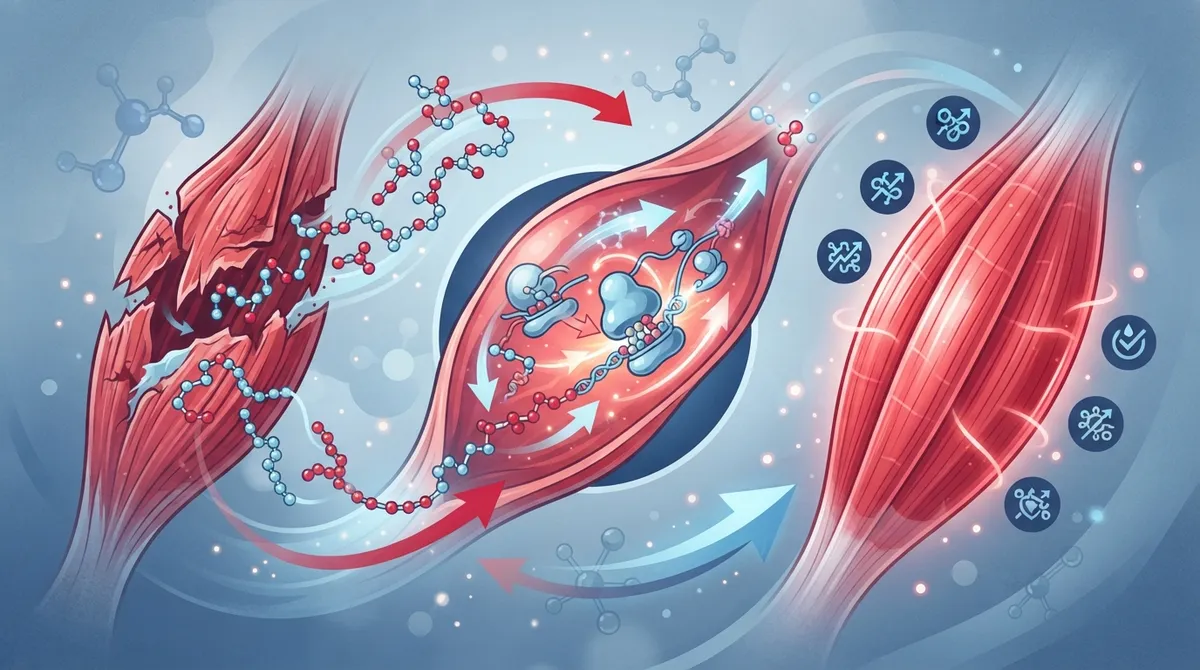
What Are Peptides for Muscle Recovery?
Peptides are short chains of amino acids that act like tiny messengers in your body. In wellness and fitness circles, several peptides get marketed specifically for muscle recovery and tissue repair. The most commonly discussed include:
- BPC-157, a synthetic peptide studied for tendon and muscle repair in animal models
- TB-500, a fragment related to thymosin beta-4, promoted for tissue repair and blood vessel growth
- Ipamorelin and CJC-1295, growth-hormone secretagogues marketed to boost recovery and lean muscle
- Other experimental compounds sold online as research chemicals
These products are widely marketed for reduced soreness, faster healing, and better training outcomes. But marketing claims and clinical evidence are two very different things.

What Does the Research Actually Show?
Here is where the comparison gets important. Evidence for BPC-157 and TB-500 comes mostly from animal studies and lab research, not human clinical trials. A 2026 review in orthopaedic and sports-medicine literature examined both compounds closely. It found that BPC-157 showed some tendon and muscle-repair effects in preclinical models. TB-500 showed similar tissue-repair and blood-vessel-growth effects, but again, mainly in animals.
The same review identified only one small human case series, involving injections of BPC-157 into the knee joint for pain. This study had major limitations. There was no control group, and the sample size was tiny. The review's conclusion was clear: current evidence does not support using these peptides as a routine treatment.
This matters because human bodies do not always respond the way animal models predict. Without solid human data, we cannot know the right dose, the right treatment length, or the true safety profile. If you want to explore what real, evidence-backed treatments look like, our team at InCare can walk you through how to speed up muscle recovery the smart way.
Regulatory Status: A Critical Difference
One of the biggest gaps between marketing and medicine is regulatory approval. BPC-157 is not approved as a human therapeutic medicine in the United States. This means any product sold as BPC-157 for injury healing has not been reviewed by federal regulators for safety or effectiveness in people.
TB-500 falls into a similar category. It is a synthetic derivative tied to thymosin beta-4, but human orthopaedic data remain limited. Questions about proper dosing, purity, and long-term safety are still unanswered.
|
Peptide |
Human Evidence |
FDA Approval Status |
WADA Prohibited? |
|---|---|---|---|
|
BPC-157 |
Very limited, one small case series |
Not approved for human use |
Yes, listed as non-approved substance (S0) |
|
TB-500 / Thymosin Beta-4 |
Largely animal and lab studies |
Not approved |
Yes, prohibited under growth-factor category |
|
Ipamorelin |
Limited human data |
Not approved as standalone therapy |
Yes, prohibited growth-hormone secretagogue |
|
CJC-1295 |
Limited human data |
Not approved |
Yes, prohibited growth-hormone secretagogue |
Sports and Legal Considerations
If you compete in tested sport, this comparison takes on added weight. The World Anti-Doping Agency's 2026 Prohibited List, which took effect January 1, 2026, places BPC-157 under S0, the category for non-approved substances. This means it is banned at all times, both in and out of competition.
The list also prohibits thymosin beta-4 and its derivatives, including TB-500. Growth-hormone-releasing peptides and secretagogues are similarly banned. This includes ipamorelin, CJC-1295, sermorelin, GHRP-2, GHRP-6, and hexarelin. Athletes who use these compounds risk suspension, even if they believed the product was a harmless recovery aid.
Safety Signals Worth Taking Seriously
Beyond legal risk, there are real safety concerns. A Reuters report citing the FDA Adverse Event Reporting System noted 10 serious adverse-event reports linked to BPC-157 since 2021. Eight of those were reported in 2026 alone. These reports are safety signals, not definitive proof of cause. But they highlight a pattern worth watching closely.
Growth-hormone-related peptides carry their own set of systemic risks. These can include:
- Changes in blood sugar and glucose metabolism
- Fluid retention and swelling
- Joint pain or stiffness
- Shifts in blood pressure
- Other hormonal imbalances
These risks may be higher for people with diabetes, cardiovascular disease, cancer risk factors, or existing endocrine disorders. That is why any decision about peptide use should involve a conversation with a qualified medical provider.
The Hidden Danger: Product Quality
Even if a peptide showed promising results in a lab, the product you buy online may not match what was studied. Many peptide suppliers operate outside regulated channels. This creates several problems:
- Inaccurate labeling of active ingredients
- Contamination during manufacturing
- Inconsistent potency between batches
- Sterility issues, especially with injectable products
- A completely different compound than what is advertised
Injectable products bought without medical oversight add extra risk. Poor injection technique or contaminated needles can lead to infection or tissue damage. This is one more reason why working with a licensed clinic matters so much when exploring any peptide-related therapy.
What Evidence-Based Recovery Actually Looks Like
So if experimental peptides are not the answer, what does work? Recovery care with strong clinical support generally follows a proven, structured approach. Consider these evidence-backed steps:
- Get a proper diagnosis of the injury from a qualified provider
- Follow a progressive resistance or physical therapy program
- Eat enough protein and total calories to support tissue repair
- Prioritize consistent, quality sleep
- Manage training load to avoid overuse injuries
- Treat pain and underlying conditions with proven medical care
These strategies are not flashy, but they are backed by decades of clinical research. They also do not carry the legal or safety risks that come with unregulated peptides. Our providers can help build a personalized plan through our primary care services, which focus on whole-body health rather than quick fixes.
How Primary Care Providers Should Approach Peptide Use
If you are already using peptides, or considering it, transparency with your doctor is essential. A responsible primary-care visit should include:
- Direct questions about any non-prescription peptide use
- Documentation of the specific product and how it is taken
- A review of current medications and health conditions
- A clear explanation of the difference between experimental research and proven treatment
This kind of open dialogue helps your provider catch potential interactions or risks before they become serious problems. At InCare, our providers are trained to have these conversations without judgment, focusing on your safety first.
Comparing Your Options: Peptides vs. Proven Care
When you place experimental peptides side by side with evidence-based recovery, the comparison becomes clear. Proven strategies offer known safety profiles, established dosing, and legal peace of mind. Experimental peptides offer promising lab results, but little human evidence and real regulatory risk.
That does not mean all peptide therapy is off the table. Some peptide treatments do have stronger backing and clearer medical oversight when administered properly. If you are curious about which options might fit your goals safely, our peptide therapy program in Tampa is built around medical supervision and honest guidance, not hype.
Why Choose a Licensed Clinic Over Online Suppliers
Buying peptides from an unregulated online source means gambling with your health. A licensed clinic offers something very different: medical evaluation, proper dosing guidance, and ongoing monitoring. This is especially important if you have existing health conditions like diabetes or heart disease, where growth-hormone-related compounds can carry added risk.
InCare's team in Tampa and Riverview takes a whole-body approach to wellness. We combine advanced tools like body composition analysis and DNA gene testing with old-fashioned clinical judgment. This helps us recommend recovery strategies that actually fit your body and your goals.
Frequently Overlooked Recovery Tools
Before considering any experimental compound, it is worth exploring options with stronger safety records. IV hydration therapy, for example, can support recovery by replenishing fluids and nutrients after intense training. Our IV hydration and vitamin drips are formulated to support energy and recovery using ingredients with a much longer safety track record than experimental peptides.
Regular checkups also play a bigger role than people realize. Annual wellness visits can catch early signs of nutrient deficiencies, hormone imbalances, or metabolic issues that slow down recovery. Learn more about what these visits include in our guide on what happens during an annual wellness visit.
Patient Trust Matters
InCare has built a strong reputation across Tampa and Riverview for honest, personalized care. Patients consistently praise our staff for taking time to explain treatment options clearly, without pressure. You can visit us on Google — InCare to read real patient reviews and see how our approach has helped others make smart, informed health decisions.
We also share educational content and patient stories on our social channels. Follow us on Facebook or Instagram for regular wellness tips, and check out quick health explainers on Tik Tok.
Making the Right Choice for Your Recovery
The comparison between experimental peptides and evidence-based recovery is not close. Proven strategies win on safety, legal standing, and long-term reliability. Experimental peptides remain interesting from a research standpoint, but they are not ready for routine clinical use.
If you are dealing with a muscle injury, chronic soreness, or slow recovery, the smartest first step is a conversation with a licensed provider. We can help you sort fact from marketing hype and build a plan that actually works for your body.
Ready to talk with a provider who will give you honest, evidence-based answers about muscle recovery? Book your appointment with InCare today and take the guesswork out of your recovery plan.
FAQs
Q: Do peptides such as BPC-157 actually help muscle recovery?
A: Current evidence is limited mostly to animal and lab studies. A 2026 orthopaedic review found insufficient human data to support routine use for muscle or tendon recovery.
Q: Is BPC-157 FDA-approved or safe for human use?
A: BPC-157 is not approved as a human therapeutic medicine in the United States. Marketing claims about healing or recovery are not backed by established medical approval.
Q: Are BPC-157, TB-500, and growth-hormone peptides legal for competitive athletes?
A: No. The World Anti-Doping Agency's 2026 Prohibited List bans BPC-157, TB-500, and growth-hormone secretagogues like ipamorelin and CJC-1295 at all times, both in and out of competition.
Q: What are the risks of peptides marketed for recovery?
A: Risks include contamination, inaccurate dosing, infection from unsterile injections, and systemic effects like changes in blood sugar, blood pressure, and hormone balance.
Q: What safer, evidence-based treatments can improve muscle recovery?
A: Proper diagnosis, structured rehabilitation exercise, adequate protein intake, quality sleep, and managed training load all have strong clinical support for muscle recovery.