Key Takeaways
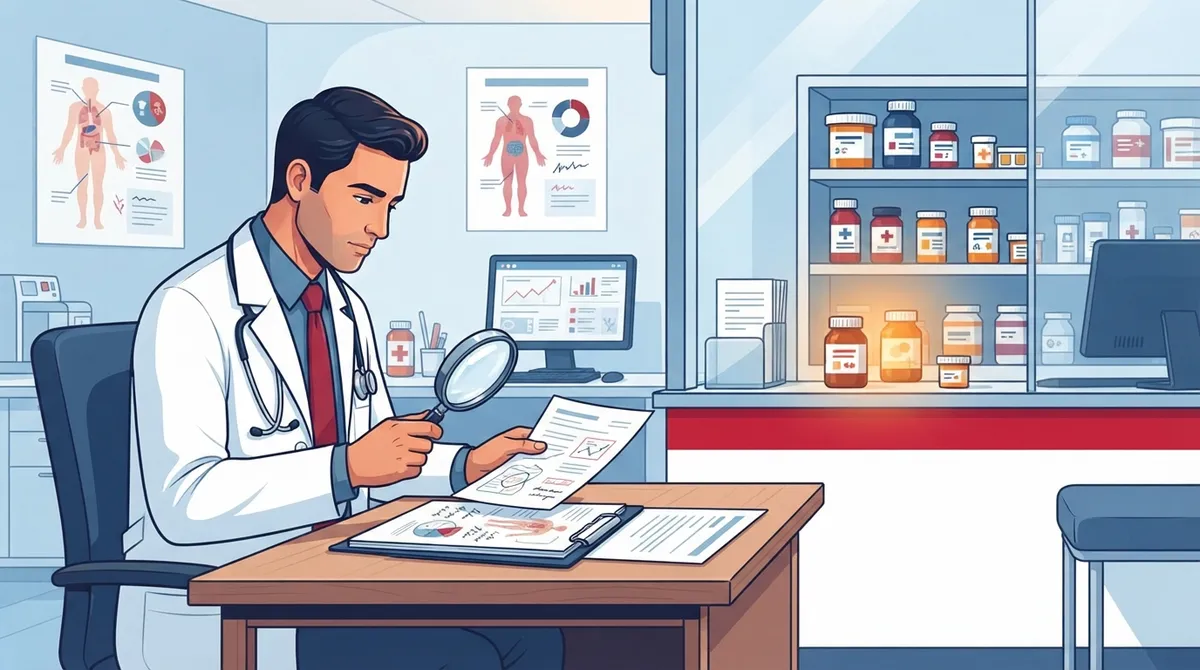
- "Peptide doctor" is a marketing term with no official board certification or license—any licensed prescriber can use this label, so verify credentials through your state medical board and ask about their training in primary care, endocrinology, or obesity medicine.
- FDA-approved peptides like semaglutide and tirzepatide are proven for diabetes and weight management, but most wellness peptides (BPC-157, TB-500, ipamorelin) lack human clinical evidence and are experimental—understand what's proven versus experimental before committing.
- Compounded peptides bypass FDA safety review and have generated 990+ adverse event reports for compounded semaglutide alone, often due to dosing errors and labeling mistakes—only use products from licensed pharmacies with proper oversight.
- A responsible peptide provider must review your full medical history, check drug interactions, order baseline labs, explain unproven claims honestly, use licensed pharmacies, and schedule follow-up visits—if they skip these steps, seek a second opinion.
- Avoid peptides labeled "for research use only" or sold outside regulated channels, and watch for red flags like no medical exam before prescribing, pressure to buy multiple products, or claims guaranteeing dramatic results.
- Insurance typically covers FDA-approved peptides for approved conditions like type 2 diabetes, but weight-loss formulations and unapproved compounds are usually out-of-pocket—always request a clear cost breakdown before starting treatment.
Searching for "peptide doctors" online brings up a flood of clinics, spas, and websites promising faster muscle recovery, weight loss, or younger-looking skin. But here's something many people don't know: "peptide doctor" is not an official medical title. There is no board certification or special license that creates this label. Understanding what this term actually means can help you avoid wasted money, unsafe products, and real health risks.
This guide breaks down what peptide doctors really do, which peptide treatments are backed by science, and how to protect yourself from unproven products sold outside the medical system. Whether you're curious about GLP-1 medications for weight management or have heard buzz about compounds like BPC-157, you deserve clear, honest information before making any decisions about your health.

What Does "Peptide Doctor" Actually Mean?
The phrase "peptide doctor" is a marketing term, not a recognized medical specialty. In primary care and wellness settings, it usually refers to a licensed physician, nurse practitioner, or physician assistant who evaluates patients and may prescribe peptide-based medicines. This could include FDA-approved drugs or, in some cases, legally compounded products.
There is no peptide-specific board exam or residency program. This means the quality of care can vary widely from one clinic to another. A trustworthy provider should have a background in primary care, endocrinology, obesity medicine, or a related field. They should also follow standard medical practices like reviewing your history and ordering labs before prescribing anything.
Why the Lack of a Formal Specialty Matters
Because anyone with a prescribing license can market themselves as a peptide provider, patients need to do their own research. Ask about the provider's training, how long they've offered peptide therapy, and what safety protocols they follow. A clinic that skips these basics and jumps straight to selling a product should raise concern.
FDA-Approved Peptides vs. Unapproved Compounds
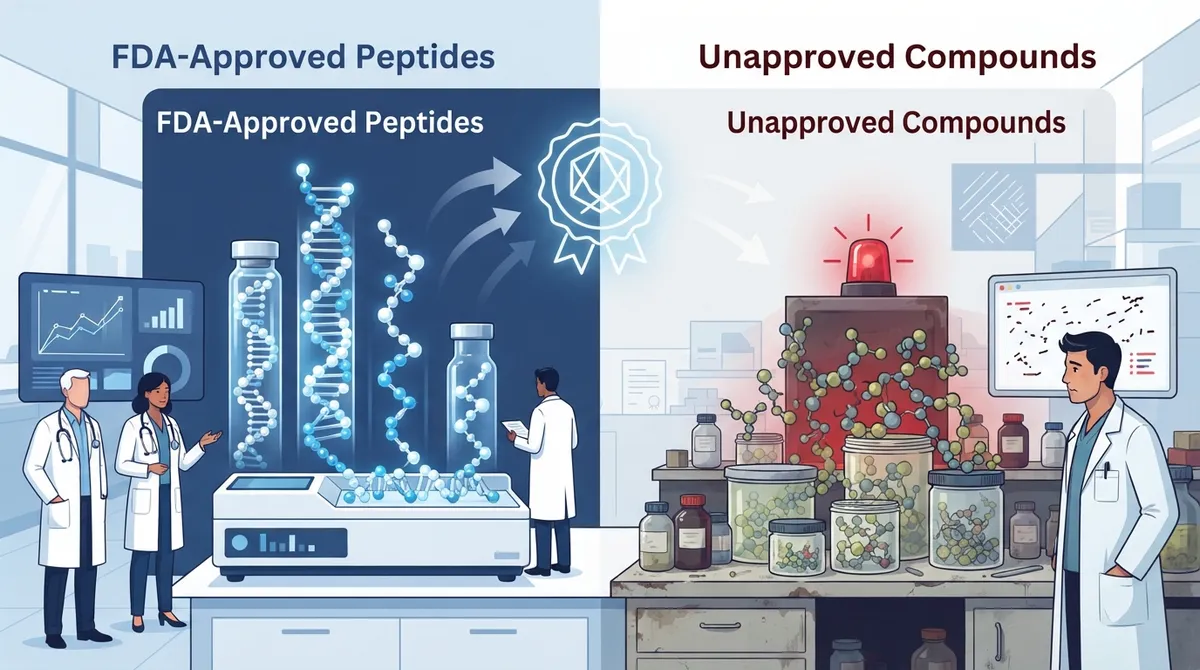
Not all peptides are treated the same way by regulators. Some have gone through rigorous testing and are FDA-approved for specific health conditions. Others are sold with vague wellness claims but lack solid clinical evidence in humans.
FDA-Approved Peptide Medicines
The most well-known approved peptides are GLP-1 receptor agonists, including semaglutide and tirzepatide. These are approved for type 2 diabetes and, in certain formulations, for chronic weight management. Approval means the drug went through clinical trials proving both safety and effectiveness for its intended use. You can learn more about how these medications work in our guide on what semaglutide is and how it fits into primary care.
Even with FDA approval, these medications should only be prescribed after a proper medical evaluation. This is not a one-size-fits-all treatment. Your provider needs to check your health history, current medications, and lab results first.
Peptides Without FDA Approval for Wellness Claims
Many peptides marketed by wellness clinics fall into a very different category. Compounds like BPC-157, TB-500, ipamorelin, thymosin products, and MOTS-c are often promoted for tissue repair, anti-aging, or athletic recovery. However, these are not FDA-approved for those uses.
Evidence for these products mostly comes from animal studies or small, early human trials. That doesn't mean they have zero potential, but it does mean the science isn't settled. Patients should understand they may be trying something experimental, not a proven treatment. Our detailed breakdown of BPC-157 facts every wellness patient should know covers this distinction in more depth.
Understanding Compounded Peptides and Their Risks
Compounded drugs are made by pharmacies to meet specific patient needs, often when a commercial product isn't available in the right dose or form. The problem is that the FDA does not review compounded products for safety, effectiveness, or quality before they reach patients.
This regulatory gap has led to real problems. As of May 31, 2026, the FDA reported 990 adverse-event reports linked to compounded semaglutide and more than 730 tied to compounded tirzepatide. These numbers don't prove the drugs caused every reported issue, and reporting isn't required for every pharmacy. Still, the pattern is worth taking seriously.
Common Problems With Compounded Products
- Dosing errors, especially with multidose vials and unfamiliar units of measurement
- Labeling mistakes that confuse patients about how much to take
- Counterfeit or fraudulent products sold outside licensed pharmacy channels
- Shipping and storage issues that can affect how well a peptide works
- Reported side effects including nausea, vomiting, diarrhea, and abdominal pain, with some patients needing hospitalization
Some symptoms tied to compounded semaglutide use were linked directly to dosing mistakes. This is one more reason why working with a licensed provider and pharmacy matters so much. Our article on non-FDA approved peptides goes into more detail on these regulatory gray areas.
What a Responsible Peptide Provider Should Do
Before you agree to any peptide treatment, your provider should follow a clear process. This protects your health and helps set realistic expectations.
- Review your full medical history. This includes past diagnoses, surgeries, and family health patterns.
- Check your current medications. Some peptides can interact with other drugs you're already taking.
- Screen for contraindications. Certain health conditions or pregnancy status may rule out specific treatments.
- Order baseline lab work. This might include blood sugar, thyroid function, or kidney and liver panels depending on the peptide.
- Explain benefits and uncertainties honestly. A good provider tells you what's proven and what's still experimental.
- Use a licensed pharmacy. Prescriptions should go through verified, regulated channels.
- Schedule follow-up visits. Ongoing monitoring helps catch side effects early and adjust doses as needed.
If a clinic skips most of these steps, that's a warning sign. A rushed consultation followed by an immediate prescription is not how safe peptide care should work.
How to Verify a Peptide Clinic and Prescriber
Doing your homework before starting any peptide program can save you money and protect your health. Here are practical steps to take.
|
Verification Step |
What to Look For |
|---|---|
|
Provider License |
Confirm active medical license through your state medical board |
|
Clinic Reputation |
Check patient reviews and ratings from verified sources |
|
Pharmacy Standards |
Ask if the pharmacy is accredited and follows compounding regulations |
|
Lab Testing |
Verify that baseline and follow-up labs are part of your care plan |
|
Informed Consent |
Make sure risks and unproven claims are clearly explained |
It's also smart to avoid any product labeled "for research use only" or "not for human consumption." These research chemicals are not meant to replace prescribed medication. Their purity, dosage accuracy, and sterility are often unknown, which puts your safety at risk.
Common Peptide Treatments and What the Evidence Shows
Patients often ask about specific peptides they've seen mentioned online or heard about from friends. Here's a quick overview of some frequently discussed options.
- Semaglutide and tirzepatide: FDA-approved GLP-1 medications used for diabetes management and, in certain formulations, weight loss. Backed by large clinical trials.
- BPC-157: Popular for claims about gut and tissue healing, but human evidence remains limited.
- TB-500 and Thymosin Beta-4: Studied for tissue repair in animal models, with less robust human data.
- Ipamorelin and CJC-1295: Marketed as growth hormone secretagogues for anti-aging and muscle gain, though not FDA-approved for these uses.
- MOTS-c: An area of ongoing research related to metabolic health, still largely in early study phases.
Our resource on FDA-approved peptides you should know in 2026 can help you separate proven medicine from experimental options.
Cost and Insurance Considerations
Peptide therapy costs vary widely depending on the specific treatment, your location, and whether insurance covers it. FDA-approved medications like semaglutide may be partially covered by insurance when prescribed for approved conditions such as type 2 diabetes. Weight-loss-specific formulations sometimes require separate authorization or may not be covered at all.
Compounded or experimental peptides are almost always out-of-pocket expenses since they lack FDA approval for the marketed use. Before committing to any program, ask for a clear breakdown of costs, including consultation fees, lab work, and ongoing monitoring visits. Our guide on semaglutide costs in Tampa and Riverview offers helpful pricing context for the region.
Why Choose a Primary Care-Based Approach to Peptide Therapy
Getting peptide guidance through a primary care setting offers real advantages over standalone wellness spas. A primary care team already knows your medical history, current medications, and overall health goals. This context helps them make safer, more personalized recommendations rather than treating peptide therapy as an isolated product sale.
At InCare, our providers in Tampa and Riverview combine clinical expertise with advanced technology to guide patients through evidence-based options. From DNA gene testing to body composition analysis, we look at your whole health picture before recommending any treatment plan. This approach helps ensure peptide therapy, when appropriate, fits safely into your broader wellness strategy.
Patients considering weight management support can also explore our medical weight loss programs, which include physician oversight and FDA-approved treatment options. You can read more about our approach in this detailed guide to peptide therapy services in Tampa.
Red Flags to Watch For
Some warning signs suggest a clinic may not be prioritizing your safety. Watch for these issues before signing up for any peptide program.
- No medical history review or physical exam before prescribing
- Pressure to buy multiple products in one visit
- Vague answers about where medications come from or how they're tested
- No follow-up appointments scheduled after starting treatment
- Claims that sound too good to be true, like guaranteed dramatic results
If you notice any of these signs, it's worth seeking a second opinion from a licensed primary care provider before moving forward.
Take the Next Step With Confidence
Peptide therapy can offer real benefits when it's guided by proper medical evaluation, evidence-based prescribing, and ongoing monitoring. The key is separating marketing hype from actual science, and choosing a provider who puts your safety first. InCare's team in Tampa and Riverview is here to help you understand your options clearly, whether that means FDA-approved treatments or a broader conversation about your wellness goals.
Our patients consistently share positive experiences, and you can visit us on Google — InCare to read real reviews from people we've helped. You can also follow our latest updates and patient stories on Facebook, Instagram, and TikTok for more health tips and clinic news.
Ready to talk to a licensed provider about your health goals? Book your appointment today and take the first step toward safe, personalized care.
FAQs
Q: What does a peptide doctor do?
A: A peptide doctor is typically a licensed physician or prescriber who evaluates patients and may prescribe peptide-based medicines, ranging from FDA-approved GLP-1 drugs to compounded products where legally appropriate. This is a marketing term rather than a recognized medical specialty, so patients should verify the provider's licensing and clinical experience before starting treatment.
Q: Are peptide doctors board-certified or specially licensed?
A: No, there is no board certification or specialty license specifically for peptide medicine. Providers who offer peptide therapy usually come from backgrounds in primary care, endocrinology, or obesity medicine, so it's important to ask about their training and credentials directly.
Q: Which peptide treatments are FDA-approved?
A: GLP-1 receptor agonists like semaglutide and tirzepatide are FDA-approved for specific uses, including type 2 diabetes and chronic weight management in certain formulations. Many other peptides marketed for anti-aging or recovery, such as BPC-157 or ipamorelin, are not FDA-approved for those purposes.
Q: Are compounded semaglutide and tirzepatide safe and legal?
A: Compounded versions can be legal depending on state and federal compounding rules, but they are not FDA-approved and don't undergo the same premarket safety review. The FDA has reported hundreds of adverse events tied to compounded GLP-1 products, often linked to dosing errors, so working with a licensed pharmacy and provider is essential.
Q: How can I verify a peptide clinic, prescriber, and compounding pharmacy?
A: Check the provider's medical license through your state medical board, confirm the pharmacy follows compounding regulations, and ask whether baseline labs and follow-up visits are included in your care plan. A trustworthy clinic will welcome these questions rather than rushing you toward a purchase.