Key Takeaways
- No validated human bioavailability percentage exists for MOTS-c; manufacturers claiming specific absorption rates lack peer-reviewed pharmacokinetic data to support those claims.
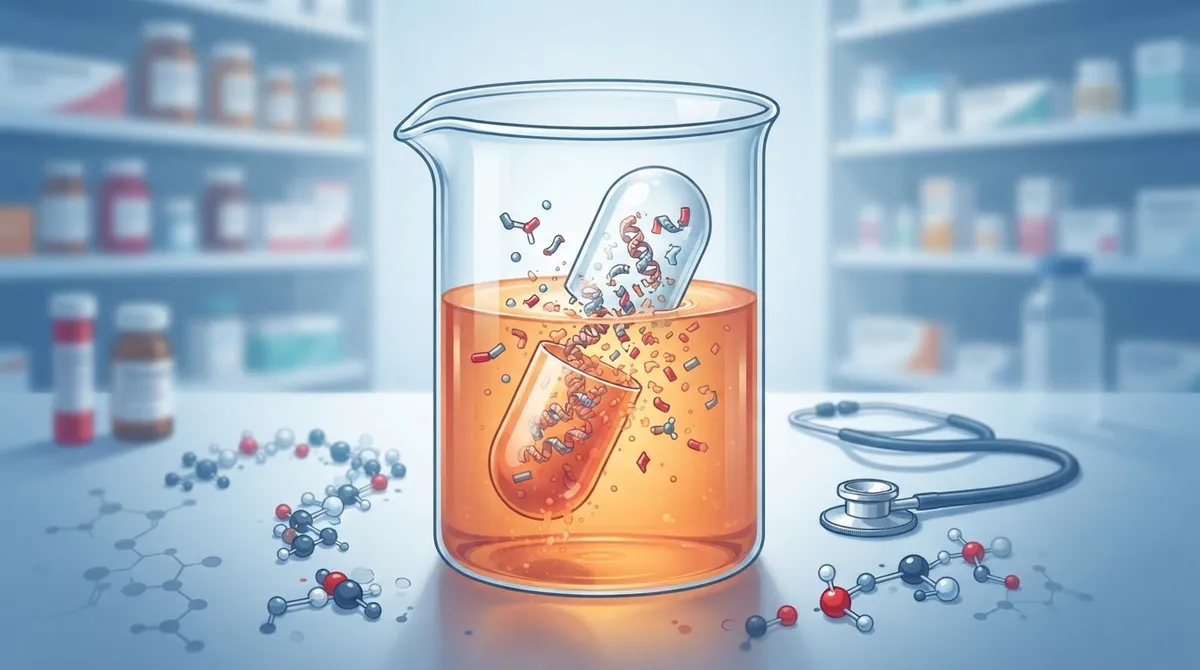
- Oral MOTS-c products have poor bioavailability because digestive enzymes break down peptides before intestinal absorption, making capsules and sublingual sprays ineffective delivery methods.
- MOTS-c is not FDA-approved and remains investigational; patients should never replace proven treatments for diabetes, obesity, or cardiovascular disease with unproven peptide products.
- Consult a qualified physician before using any MOTS-c product to verify purity, assess drug interactions, and confirm whether preclinical animal data actually translates to human safety and efficacy.
MOTS-c has become a buzzword in wellness circles across Tampa and Riverview. People ask about it during weight loss consults, cellular health talks, and longevity discussions. But before you consider any peptide product, you need to understand one key issue: bioavailability. This word decides whether a peptide actually reaches your bloodstream in a form your body can use.
Many patients assume that swallowing a MOTS-c capsule or spraying it under the tongue gives the same result as an injection. That assumption is not supported by current science. This article breaks down what bioavailability means, what research actually shows about MOTS-c, and why working with a primary care provider matters more than trusting a product label. If you are exploring peptide therapy or general wellness optimization, understanding these limits protects your health and your wallet.
What Does Bioavailability Actually Mean?
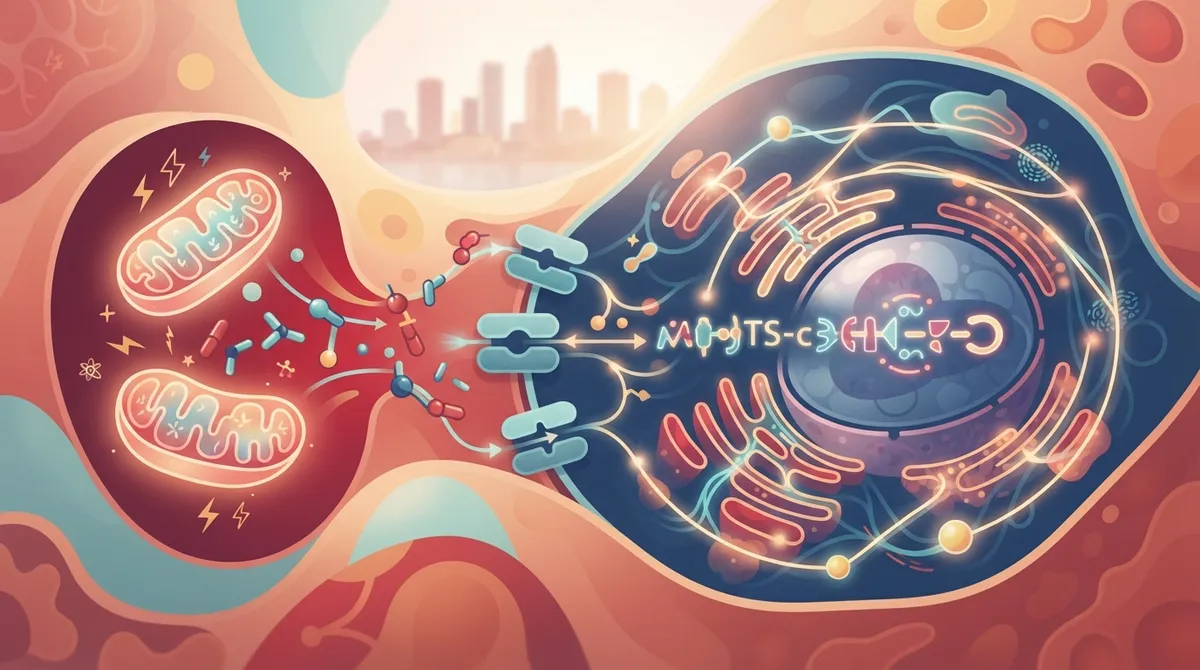
Bioavailability refers to the percentage of a substance that enters your bloodstream in an active, usable form. It is not the same as how much you take. It measures how much your body actually absorbs and uses.
For drugs and supplements taken by mouth, bioavailability depends on several factors. These include how well the compound survives stomach acid, digestive enzymes, and liver processing before reaching circulation. For a peptide like MOTS-c, this journey is especially difficult.
What Is MOTS-c, and Why Does Absorption Matter?
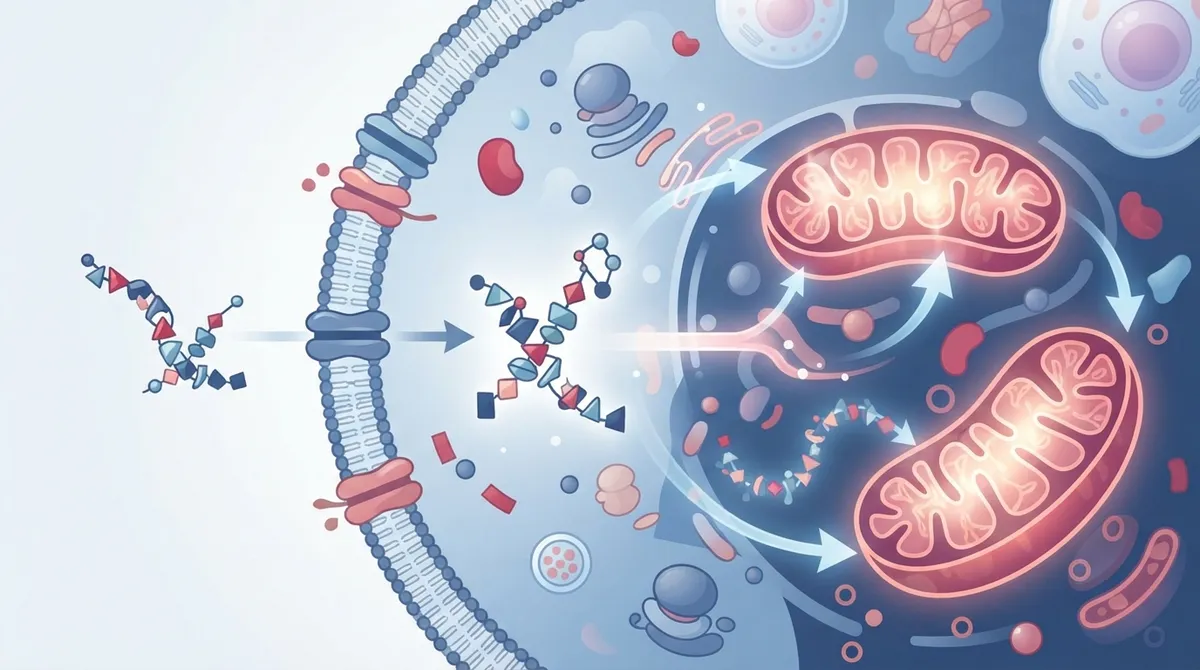
MOTS-c is a 16-amino-acid peptide. It comes from a small piece of DNA inside your mitochondria, the energy-producing structures in your cells. Researchers are studying MOTS-c for its possible role in glucose metabolism, exercise adaptation, and overall mitochondrial function.
Because MOTS-c is a peptide, it faces a tough road if taken orally. Digestive enzymes in your gut are designed to break down proteins and peptides into smaller building blocks. This means an oral MOTS-c product is likely to be digested before it ever reaches your bloodstream intact.
The Oral Absorption Problem
Peptides the size of MOTS-c generally do not survive the digestive tract well. Stomach acid and enzymes such as pepsin and trypsin break peptide bonds. Even if a small amount survives, the intestinal wall is not built to absorb intact peptides efficiently.
This is why oral MOTS-c products should not be assumed to deliver meaningful blood levels of the peptide. No validated human oral-bioavailability percentage has been established for MOTS-c. Manufacturers may claim otherwise, but those claims are not backed by peer-reviewed human pharmacokinetic data.
Injection-Based Delivery: What We Know and Don't Know
Preclinical research, mostly in animals, has tested MOTS-c through subcutaneous, intraperitoneal, and intravenous injections. These routes bypass the digestive system entirely. In theory, this should improve how much peptide reaches circulation.
However, animal study results do not translate directly to humans. They cannot tell us the correct human dose, the ideal injection route, or how long the peptide stays active in a person's system. There is no approved, standardized subcutaneous MOTS-c product with a confirmed human bioavailability profile.
What Does the Current Research Actually Show?
Let's look at what has been measured so far, and what has not.
- A 2023 review found that natural MOTS-c levels in the blood rose about 1.6-fold during exercise and 1.5-fold right after exercise. Levels returned close to baseline within roughly 4 hours.
- This data reflects the body's own MOTS-c production. It says nothing about the bioavailability of an injected or oral product.
- Some studies have looked at MOTS-c analogues, such as CB4211, rather than native MOTS-c itself.
- Results from an analogue cannot be used as proof that native MOTS-c behaves the same way in the human body.
- Reviews through 2025 and 2026 confirm there is still no robust, publicly established absolute-bioavailability value for native MOTS-c in humans.
This gap in research is important. It means anyone selling a MOTS-c product with a specific dosing claim, absorption rate, or half-life is likely going beyond what current science supports.
Why This Matters for Your Health Decisions
MOTS-c is not FDA-approved for weight loss, diabetes management, anti-aging, athletic performance, or general wellness. It remains an investigational compound. Long-term safety data, drug interaction information, and effects in people with kidney or liver conditions are still incomplete.
Buying compounded or gray-market peptide products carries real risk. These products may have unclear identity, incorrect concentration, poor sterility, or contamination. You cannot verify purity without third-party lab testing, and even then, results vary by batch.
Never Replace Proven Treatments
If you have diabetes, obesity, high cholesterol, high blood pressure, or cardiovascular risk factors, do not substitute MOTS-c for treatments with proven track records. Evidence-based options for these conditions have gone through rigorous clinical trials. MOTS-c has not reached that stage.
This is where a trusted primary care relationship becomes valuable. A qualified provider can review your health history, current medications, and goals before recommending anything new.
How Primary Care Providers Approach Peptide Questions
At InCare, our physicians take a careful, evidence-based approach to emerging wellness trends like peptide therapy. Rather than promoting unproven products, our team focuses on what current research actually supports.
- Review your complete medical history and current medications for potential interactions.
- Discuss what peer-reviewed evidence exists for any peptide or supplement you are considering.
- Order appropriate lab work, such as metabolic panels or hormone testing, to establish a baseline.
- Explain realistic expectations based on preclinical versus human clinical data.
- Recommend evidence-based alternatives for weight management, energy, or metabolic health when appropriate.
This structured approach helps patients avoid wasting money on products with uncertain benefits. It also protects against safety risks from unregulated peptide sources. Learn more about how our providers guide patients through emerging wellness therapies.
MOTS-c vs. Established Wellness Tools: A Comparison
The table below compares MOTS-c's current evidence status to other wellness services with stronger human data.
|
Service or Compound |
Human Evidence Level |
FDA Status |
Available at InCare |
|---|---|---|---|
|
MOTS-c (native peptide) |
Very limited, mostly preclinical |
Not approved |
Not offered |
|
Established genetic science |
Lab-based, not a drug |
Yes |
|
|
Well-validated imaging technology |
Not applicable |
Yes |
|
|
Extensive clinical trial data |
FDA-approved medications available |
Yes |
|
|
Established clinical use |
Standard medical practice |
Yes |
This comparison highlights why patients benefit from working with a clinic that distinguishes between hype and evidence. Our peptide therapy program in Tampa focuses on options with stronger safety and efficacy data.
Common Questions Patients Ask About Bioavailability
Does Route of Administration Really Change Absorption?
Yes, generally. Injections that bypass the digestive tract typically avoid the enzymatic breakdown that oral peptides face. But "typically better" does not mean "proven and standardized." Without validated human pharmacokinetic studies, we cannot state an exact bioavailability percentage for any MOTS-c delivery method.
Can Lifestyle Factors Affect Natural MOTS-c Levels?
Exercise appears to increase your body's own MOTS-c production temporarily. This is different from taking an external MOTS-c product. If you're interested in supporting mitochondrial health through proven lifestyle changes, ask about our metabolic breath analysis service, which measures how efficiently your body uses energy.
Why Do Some Clinics Offer MOTS-c Anyway?
Some wellness clinics offer investigational peptides based on preclinical promise rather than confirmed human outcomes. This approach carries risk. At InCare, we prioritize transparency about what the evidence actually shows before recommending any treatment path.
Making Informed Decisions About Emerging Peptides
Wellness trends move fast, especially on social media and in online forums. Claims about MOTS-c dosing, absorption rates, and results often outpace the actual science. Before trying any peptide product, ask these questions:
- Has this specific claim been tested in a peer-reviewed human study?
- Is the product verified for purity, sterility, and accurate concentration?
- Does the source disclose that findings come from animal studies or analogues rather than native human data?
- Would a licensed physician recommend this based on your personal health history?
If you cannot answer these questions confidently, pause before purchasing. A conversation with a qualified provider often saves you money and protects your health.
Why Choose InCare for Wellness Guidance in Tampa and Riverview
InCare combines medical expertise with advanced technology to guide patients through evidence-based wellness decisions. Our team stays current with emerging research, including limitations around compounds like MOTS-c, so you don't have to sort through conflicting online claims alone.
Whether you're interested in cancer screening, urgent care, or exploring what actually works for metabolic optimization, our Tampa and Riverview locations offer personalized, science-based care. Patients consistently praise our approach; see what real patients say when you visit us on Google — InCare.
You can also follow our latest wellness updates and patient education content on Facebook, Instagram, and TikTok for accessible, medically reviewed information.
Final Thoughts on MOTS-c Bioavailability
MOTS-c remains an interesting subject for future research. It may one day offer real benefits for metabolic health or exercise adaptation. But right now, human bioavailability data is too limited to support confident dosing or delivery claims.
If you want to explore peptide therapy, weight management, or whole-body wellness through proven, physician-guided methods, our team is ready to help. Reach out to our care team to discuss your health goals, or schedule your appointment today to start with a personalized evaluation grounded in real evidence, not hype.
FAQs
Q: What is the bioavailability of MOTS-c?
A: There is no validated human absolute-bioavailability percentage for native MOTS-c. Published pharmacokinetic data remains very limited, and current claims about specific absorption rates are not supported by peer-reviewed human studies.
Q: Can MOTS-c be taken orally, or does it require injection?
A: As a 16-amino-acid peptide, MOTS-c is expected to have poor oral bioavailability because digestive enzymes break it down before absorption. Injection-based routes are more commonly studied in preclinical research, but no standardized human injection protocol has been established.
Q: Is injectable MOTS-c more bioavailable than oral MOTS-c?
A: Injections likely avoid gastrointestinal degradation, which theoretically improves systemic exposure compared to oral forms. However, no approved product with confirmed human bioavailability data exists for any MOTS-c delivery route.
Q: Are there human pharmacokinetic studies of MOTS-c?
A: Early human research is limited and mostly measures naturally occurring MOTS-c levels rather than the pharmacokinetics of an administered product. Reviews through 2025 and 2026 confirm the absence of robust absolute-bioavailability data in humans.
Q: Is MOTS-c FDA-approved for weight loss, diabetes, or anti-aging?
A: No. MOTS-c is investigational and not FDA-approved for any of these uses. Patients should not substitute it for evidence-based treatments for chronic conditions like diabetes or cardiovascular disease.