
Key Takeaways
- Clinical evidence shows milk thistle does not meaningfully improve liver function markers or mortality—a systematic review of 14 trials found no significant benefits, and it performs no better than placebo for hepatitis C.
- There is no solid scientific proof that milk thistle increases glutathione levels enough to create meaningful health benefits in humans, despite marketing claims linking the two supplements together.
- People with liver disease, diabetes, those on blood thinners, pregnant/breastfeeding women, and those on prescription medications should consult a doctor before taking milk thistle or glutathione.
- Both supplements are generally well-tolerated in short-term studies with mild side effects (nausea, bloating, diarrhea), but long-term safety data in healthy adults remains limited.
- Choose third-party tested products with standardized silymarin content and verified dosages listed on the label, as supplement quality and ingredient amounts vary significantly between brands.
- Never use milk thistle or glutathione to replace medical evaluation for serious liver symptoms like jaundice, persistent abdominal pain, dark urine, or unexplained fatigue with abnormal lab results.
Walk into any supplement aisle and you will likely see milk thistle and glutathione sold side by side, often marketed together as a liver "detox" duo. Many wellness seekers add these supplements to their daily routine hoping to protect their liver, boost energy, or support healthy aging. But do milk thistle and glutathione actually work together, and are they safe for everyone? This guide breaks down what current research says about milk thistle glutathione combinations, how each ingredient works on its own, and when you should talk to a primary care provider before adding either one to your regimen.
Whether you are a busy parent trying to optimize your family's health, a young professional exploring wellness trends, or someone managing an existing health condition, understanding the real science behind these supplements matters. At InCare, our providers in Tampa and Riverview help patients separate supplement marketing from medical evidence, so every wellness decision is backed by facts, not hype.

What Is Milk Thistle?
Milk thistle is an herbal supplement made from the seeds of the Silybum marianum plant. Its main active compounds are grouped together under the name silymarin. This group includes silybin, silydianin, and silychristin, which are the parts believed to support liver cells.
People have used milk thistle for centuries as a natural remedy for liver problems. Today, it remains one of the most popular herbal supplements sold for liver support, even though the clinical evidence behind it is mixed.
What Is Glutathione?
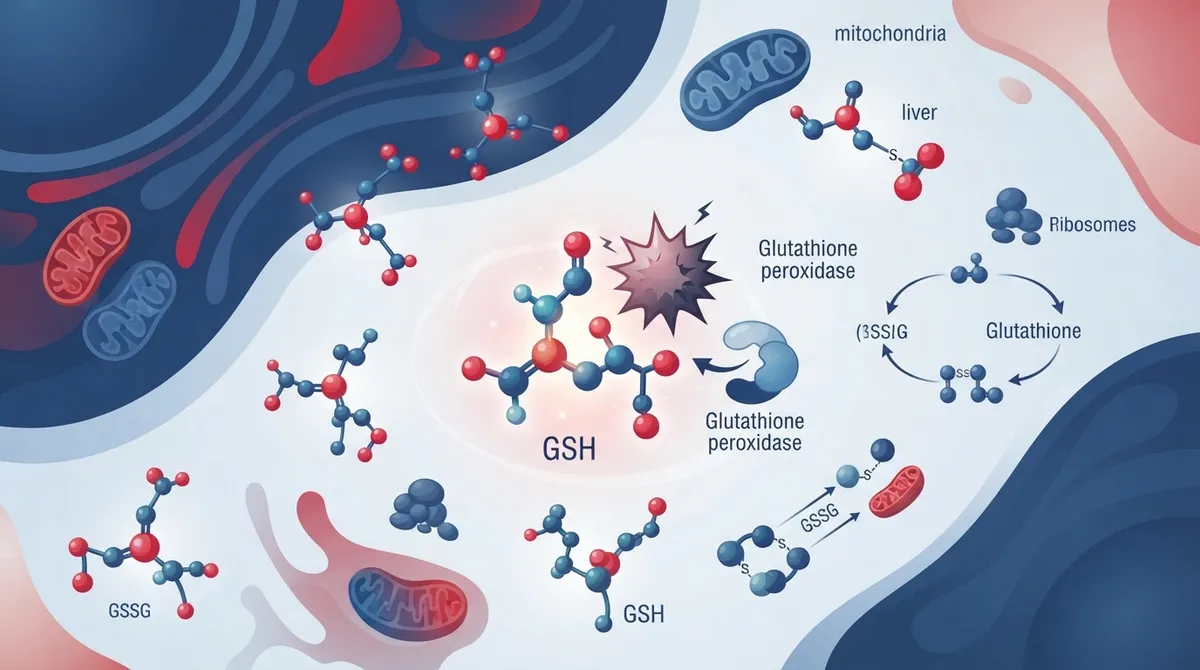
Glutathione is not an herb. It is an antioxidant your body makes naturally. It comes from three amino acids: cysteine, glutamate, and glycine. Your cells use glutathione to fight oxidative stress and support normal detoxification processes.
Because glutathione plays a role in natural detox pathways, supplement companies often market it as a way to "cleanse" the liver or slow aging. However, having a natural role in the body does not mean that taking extra glutathione as a pill or drink will boost liver function or reverse disease.
Does Milk Thistle Increase Glutathione Levels?
This is one of the most common questions patients ask. Some early lab studies suggest silymarin may support glutathione activity inside liver cells. However, this effect has mostly been shown in test tubes and animal models, not in strong human trials.
There is currently no solid clinical proof that taking milk thistle raises glutathione levels enough to create a meaningful health benefit in people. The idea sounds appealing, but the science has not caught up with the marketing claims.
Milk Thistle vs. Glutathione: Key Differences
Since these two supplements are often sold as a combo, it helps to understand how they differ. Here is a side-by-side comparison based on current health research.
|
Feature |
Milk Thistle |
Glutathione |
|---|---|---|
|
Source |
Herbal extract from plant seeds |
Naturally made in the body |
|
Main Compound |
Silymarin (silybin, silydianin, silychristin) |
Made from cysteine, glutamate, glycine |
|
Common Use |
Liver support supplement |
Antioxidant, cellular support |
|
Clinical Evidence for Liver Disease |
Mixed; not better than placebo for hepatitis C |
Limited; mostly short-term safety data |
|
Common Side Effects |
Nausea, bloating, gas, diarrhea, headache |
Bloating, nausea, mild stomach upset |
|
Allergy Risk |
Higher in people sensitive to ragweed family plants |
Generally low |
What the Research Actually Shows
It is easy to get excited about supplement claims, but real evidence tells a more careful story. Here are the key research findings you should know.
- A systematic review of 14 milk thistle trials found no meaningful improvement in mortality, liver biopsy results, or major liver function markers. Any change in liver enzymes was small and not clinically important.
- The National Center for Complementary and Integrative Health reports that milk thistle has not been shown to work better than a placebo for hepatitis C. It should never replace proven medical treatment.
- A randomized trial found that healthy adults taking 250 mg or 1,000 mg of oral glutathione daily for six months had no dangerous changes in liver, kidney, or blood markers. Red blood cell glutathione levels did rise in the higher-dose group.
- A 2026 study on a micellar glutathione formula at 600 mg per day found no significant changes in liver enzymes or kidney markers in healthy adults after 30 days. This supports short-term safety, not proven treatment benefits.
- Clinical evidence reviews describe milk thistle side effects as generally mild and infrequent, often similar to placebo, though digestive symptoms and allergic reactions can occur.
Can You Take Milk Thistle and Glutathione Together?
Many healthy adults tolerate both supplements without major problems. However, "well tolerated" does not mean "medically necessary" or "proven effective." There is no strong clinical evidence that combining the two provides extra liver protection, detox power, or anti-aging benefits beyond what each may offer alone.
Most claims about this combination come from lab-based antioxidant mechanisms or marketing language, not solid human trials. If you are considering this pairing, it is smart to review your plan with a primary care provider first, especially if you take other medications.
Who Should Be Cautious?
Certain groups should talk to a doctor before starting milk thistle, glutathione, or both. This is especially true for people who fall into these categories.
- People with diagnosed liver disease or abnormal liver test results
- Individuals managing diabetes or blood sugar concerns
- Patients on blood thinners or with bleeding disorders
- Anyone currently undergoing cancer treatment
- Pregnant or breastfeeding women
- People taking prescription medications with narrow safety margins
- Those with allergies to ragweed, marigolds, chrysanthemums, or related plants
Potential Side Effects to Watch For
Both supplements are generally considered mild in healthy adults, but side effects can still happen. Knowing what to watch for helps you respond quickly if something feels off.
Milk Thistle Side Effects
- Nausea or upset stomach
- Bloating and gas
- Diarrhea
- Headache
- Allergic reactions in sensitive individuals
Glutathione Side Effects
- Mild bloating
- Nausea
- Diarrhea
- Abdominal discomfort
Serious adverse events are uncommon in short-term studies, but long-term safety data in otherwise healthy people remains limited. If you notice unusual symptoms, stop use and speak with a healthcare provider right away.
Why Supplement Quality Matters
Not all milk thistle and glutathione products are created equal. Labels can be misleading, and actual ingredient amounts often vary between brands. Here are steps to help you choose wisely.
- Look for products tested by an independent third party for purity and potency.
- Check that the label lists standardized silymarin content for milk thistle products.
- Avoid products with vague ingredient lists or proprietary blends that hide actual dosages.
- Research the manufacturer's reputation and manufacturing practices.
- Bring your supplement bottle to your next primary care visit for a professional review.
Remember that third-party testing confirms what is in the bottle. It does not prove the product actually works for the health claims on the label.
When Supplements Are Not Enough
Milk thistle and glutathione should never replace medical evaluation for serious liver concerns. Certain symptoms always require prompt attention from a healthcare provider rather than a supplement fix.
- Yellowing of the skin or eyes (jaundice)
- Persistent abdominal pain, especially in the upper right side
- Dark urine or pale stools
- Unexplained fatigue combined with abnormal lab results
- Suspected medication-related liver injury
- Signs of alcohol-related liver damage
These conditions need proper diagnosis, monitoring, and treatment. Our team offers thorough primary care services designed to catch and manage liver concerns early, before they become serious. Learn more about what your liver tests really mean and how routine screening supports long-term health.
How a Wellness-Focused Clinic Can Help
Instead of guessing which supplements might help, a personalized approach gives you real answers. Comprehensive wellness care can include lab work, lifestyle review, and guidance tailored to your specific health goals.
At InCare, our providers combine advanced diagnostics with practical, evidence-based advice. Services like DNA gene testing and body composition analysis can offer deeper insight into your metabolic and cellular health than a bottle of supplements ever could. For patients interested in antioxidant support, our team can also discuss options like IV hydration and vitamin drips as part of a broader wellness plan.
Steps to Take Before Starting Any Supplement
Before adding milk thistle, glutathione, or any new supplement to your routine, follow these simple steps to protect your health.
- Schedule a wellness visit to review your current health status and lab values.
- Share a full list of medications and supplements you already take.
- Ask your provider about any known interactions with your specific health history.
- Discuss realistic expectations based on current scientific evidence.
- Set a follow-up plan to monitor liver function if you decide to proceed.
This structured approach helps you avoid wasted money and unnecessary health risks. Our patients in Tampa and Riverview often find that a short conversation with a provider saves them from chasing supplement trends that lack real support.
What Patients Are Saying
Trust matters when it comes to your health decisions. You can see what our InCare patients say about their experience by checking out our InCare location on Google, where our clinics maintain a strong reputation for personalized, evidence-based care. You can also follow health tips and clinic updates on our Facebook page, Instagram, and TikTok pages for more wellness insights.
The Bottom Line on Milk Thistle Glutathione Combinations
Milk thistle and glutathione may be popular in wellness circles, but current evidence does not support strong claims about combined liver protection or detox benefits. Both are generally well tolerated by healthy adults in short-term studies, but neither should replace proper medical care for liver disease, hepatitis, or abnormal lab results.
If you already have liver concerns, take prescription medications, or fall into a higher-risk group, a conversation with a primary care provider is the safest first step. Supplement trends will keep changing, but sound medical guidance stays consistent.
Ready to get personalized advice about supplements, liver health, or your overall wellness plan? Reach out to our team today or schedule your appointment now with InCare in Tampa or Riverview. Our providers are ready to help you build a wellness plan based on real evidence, not guesswork.
FAQs
Q: Does milk thistle increase glutathione levels?
A: Some laboratory studies suggest silymarin, the active compound in milk thistle, may support glutathione activity in liver cells. However, strong human clinical trials have not confirmed a meaningful increase in glutathione levels from taking milk thistle.
Q: Can you take milk thistle and glutathione together?
A: Many healthy adults tolerate both supplements together without major issues. Still, there is no solid clinical evidence that combining them provides additional liver protection or detox benefits beyond what current research supports for each ingredient alone.
Q: Is milk thistle good for fatty liver or elevated liver enzymes?
A: Research on milk thistle for liver conditions has produced mixed results. A systematic review of 14 trials found no significant improvement in major liver function markers, so it should not replace medical evaluation for elevated liver enzymes.
Q: What is the safest dose of oral glutathione?
A: Clinical studies have used doses ranging from 250 mg to 1,000 mg daily in healthy adults without significant safety concerns over six months. Always consult a primary care provider before starting any dose, since individual health needs vary.
Q: Can milk thistle or glutathione replace medical treatment for hepatitis or liver disease?
A: No. The National Center for Complementary and Integrative Health states that milk thistle is not better than a placebo for treating hepatitis C. Both supplements should be considered complementary at most, never a substitute for proven medical care.