Key Takeaways
- Kisspeptin is a brain hormone that triggers GnRH release, which controls LH and FSH hormones that regulate ovulation, sperm production, and fertility—making it a critical upstream signal in reproductive health.
- Kisspeptin-based treatments remain investigational and are not FDA-approved or part of standard fertility care yet; established hormone testing (LH, FSH, testosterone) is still your best first diagnostic step.
- Problems with kisspeptin signaling are linked to delayed puberty, irregular periods, low testosterone, and unexplained infertility, but testing for kisspeptin itself is mostly limited to research settings, not routine clinics.
- Kisspeptin supports regular menstrual cycles, healthy ovulation, normal testosterone production, and helps your body respond to nutrition and stress—all critical for reproductive and metabolic health.
- Online kisspeptin supplements and injections lack established long-term safety data and proper dosing guidelines; discuss any fertility concerns with a licensed provider before using unregulated products.
- Current research shows only about 15 clinical studies on kisspeptin with metabolic and reproductive effects, indicating this field is still young and evolving compared to well-established hormone testing.
If your periods are unpredictable, your energy is low, or you and your partner have struggled to conceive, you may have searched for answers online. One term that keeps popping up is kisspeptin. But why is kisspeptin important, and does it matter more than the fertility tests your doctor already offers? This question matters for anyone trying to understand hormone health, puberty concerns, or unexplained infertility.
At InCare, our primary care team helps patients in Tampa and Riverview make sense of confusing hormone topics like this one. This article breaks down what kisspeptin actually does, how it compares to the fertility testing most clinics use today, and when you should talk to a doctor about symptoms that might be linked to it.
What Is Kisspeptin and Why Does It Matter?
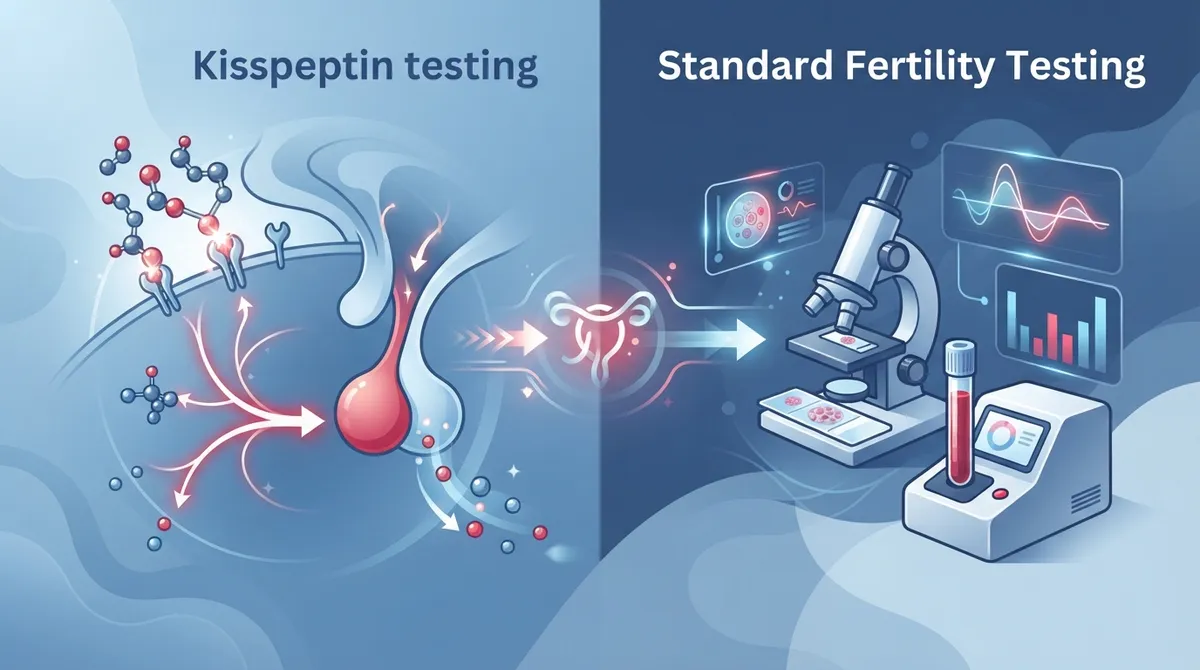
Kisspeptin is a natural hormone made in your brain. Scientists call it a neuropeptide, and it comes from a gene named KISS1. It works by attaching to a receptor called KISS1R, sometimes labeled GPR54, located in the hypothalamus.
Kisspeptin's main job is simple but powerful. It tells your brain to release another hormone called GnRH. This hormone then signals your pituitary gland to release two more hormones: LH and FSH. These control how your ovaries or testes work.
In short, kisspeptin sits at the very top of a hormone chain that controls puberty, periods, ovulation, sperm production, and fertility. Without it, this whole system would not switch on properly.
The Hormone Chain, Step by Step
- Kisspeptin is released in the brain.
- It triggers GnRH, another brain hormone.
- GnRH tells the pituitary gland to release LH and FSH.
- LH and FSH act on the ovaries or testes.
- This leads to ovulation, sperm production, and hormone balance.
This chain reaction explains why doctors are so interested in kisspeptin. A problem anywhere in this system can lead to delayed puberty, irregular periods, low testosterone, or trouble getting pregnant.
Kisspeptin vs. Standard Fertility Testing: What's the Difference?
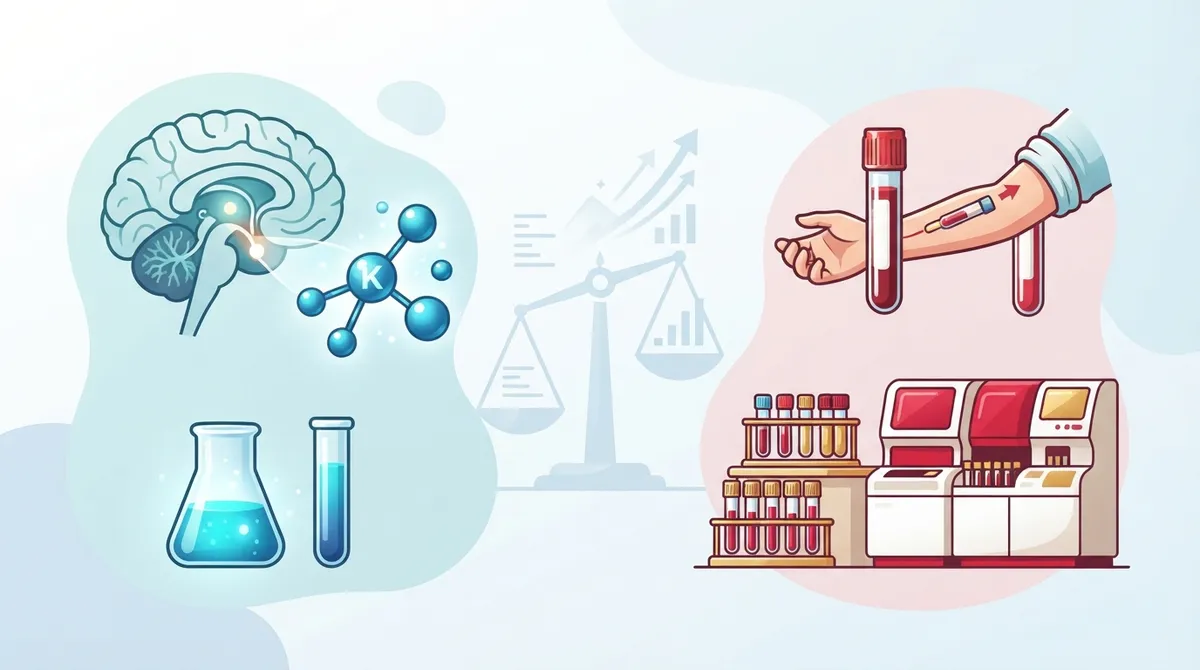
Standard fertility testing already looks at LH, FSH, estrogen, testosterone, and other markers. These tests are well established and used every day in primary care and specialist offices. Kisspeptin testing, on the other hand, is still mostly used in research settings.
Here is a simple comparison to help you understand where each one stands today.
|
Factor |
Standard Fertility Testing (LH, FSH, Testosterone) |
Kisspeptin Testing |
|---|---|---|
|
Availability |
Widely available in most clinics |
Mostly limited to research studies |
|
Clinical Use |
Routine part of fertility workups |
Not yet standard in everyday care |
|
What It Measures |
Downstream reproductive hormones |
The upstream signal that starts the whole process |
|
Insurance Coverage |
Usually covered |
Typically not covered |
|
Best For |
Diagnosing common hormone imbalances |
Research on complex or unexplained cases |
This does not mean kisspeptin is unimportant. It means the science is still catching up to real-world use. A 2024 review found only about 15 clinical studies involving kisspeptin and metabolic research, with just one study looking at both metabolic and reproductive effects together. That tells you this field is still young.
Why Kisspeptin Matters for Puberty and Reproductive Health
Kisspeptin plays a major role in starting puberty. Genetic changes in the KISS1 gene or its receptor have been linked to delayed or absent puberty in some people. This condition is called hypogonadotropic hypogonadism.
In adults, kisspeptin helps keep your reproductive hormones working in rhythm. It supports:
- Regular menstrual cycles
- Healthy ovulation
- Normal testosterone production in men
- Communication between the brain and reproductive organs
- The body's response to nutrition, stress, and other hormones like neurokinin B
This is why unexplained symptoms such as missed periods, low libido, or fertility struggles sometimes trace back to problems along this hormone pathway. Kisspeptin is only one piece of the puzzle, but it is a critical one.
Conditions Linked to Kisspeptin Research
Researchers have studied kisspeptin in several health conditions. It's important to know that having one of these conditions does not always mean kisspeptin is the direct cause. Still, the connections are worth understanding.
- Hypothalamic amenorrhea — missed periods linked to stress, low body weight, or overtraining
- Idiopathic hypogonadotropic hypogonadism — a condition where puberty does not start on its own
- Kallmann syndrome — a genetic condition affecting smell and puberty
- Hyperprolactinemia — high prolactin levels that can disrupt reproductive hormones
- Polycystic ovary syndrome (PCOS) — a common cause of irregular periods and fertility issues
- Primary ovarian insufficiency — early loss of normal ovarian function
- Male reproductive disorders — including low testosterone and low sperm counts
If you have been diagnosed with any of these, your primary care doctor or a specialist can help you understand your treatment options. Many patients start with a visit to discuss weight loss support, hormone testing, or a general wellness check before deeper testing is considered.
Can Kisspeptin Treatments Help With Infertility?
This is one of the most common questions patients ask. Right now, the honest answer is: not yet, at least not as routine care. Kisspeptin-based treatments are being studied as a possible way to trigger ovulation or support fertility treatments like IVF.
Some study data gives a sense of where things stand:
- A Phase I study (NCT00914823) had an estimated enrollment of about 496 participants studying kisspeptin in reproductive disorders.
- A separate neuropeptide reproduction study enrolled about 128 participants.
- A study on prolonged pulsatile kisspeptin in hypogonadotropic hypogonadism included only 24 participants.
These numbers show the research is active, but still small in scale. A 2025 review in Physiological Reviews confirmed that kisspeptin treatment protocols have not yet been built into standard IVF practice. It remains investigational, meaning more testing is needed before it becomes a normal fertility treatment.
What This Means for You Right Now
If you are struggling with fertility, irregular cycles, or low hormone levels, standard testing is still your best first step. It is proven, accessible, and covered by most insurance plans. Kisspeptin science may shape future treatments, but it is not something you can order as a simple blood test at your local clinic today.
Kisspeptin and Low Testosterone: What's the Connection?
Men dealing with fatigue, low libido, or low testosterone sometimes wonder if kisspeptin could be the missing link. Human and animal studies do show that giving kisspeptin can raise LH levels, which can then raise testosterone.
However, the size of this effect depends on many factors, including dose, timing, and the person's underlying health condition. This is why testosterone therapy and other proven treatments remain the standard approach used by doctors today. If you're noticing symptoms of low testosterone, it's worth scheduling a visit with one of our providers to discuss testing and treatment options that are already backed by strong clinical evidence.
Should You Ask Your Doctor About Kisspeptin?
It's completely reasonable to bring up kisspeptin during a wellness visit, especially if you have symptoms like:
- Delayed puberty in a teenager
- Irregular or missing periods
- Trouble conceiving after a year of trying
- Low libido with no clear cause
- Signs of low testosterone or low estrogen
Your doctor may use this conversation as a starting point to check other hormone levels first, since these are backed by more research and are easier to test. At InCare, our providers like Dr. Naveen Paddu, Dr. Pramjeet Ahluwalia, and Dr. Teshy John take time to explain your results in plain language, so you understand what your hormone levels mean for your health.
Are Kisspeptin Supplements or Injections Safe?
You may have seen kisspeptin products sold online for fertility or wellness use. This is an area where caution matters. Long-term safety, correct dosing, and effectiveness for routine use have not been established through large clinical trials.
These products should never replace a visit with a licensed provider. If you're curious about hormone health, peptide therapy, or fertility support, it's safer to explore these topics through a qualified clinic. You can learn more about how peptide therapy in Tampa is approached responsibly, with medical oversight rather than guesswork.
How InCare Supports Your Hormone Health Journey
Understanding why kisspeptin is important gives you a better picture of how your body regulates reproduction and hormone balance. But turning that knowledge into a health plan requires real testing, real conversations, and real medical guidance.
InCare offers a wide range of services that support this process, including:
- Comprehensive primary care visits to review your symptoms and history
- DNA gene testing for deeper insight into your health risks
- Body composition analysis to track metabolic and hormonal changes
- Cancer screening services for proactive health management
- Support through weight loss programs, since weight can directly affect hormone balance
Our clinics in Tampa and Riverview combine modern technology with a personal touch. You can also see what real patients say about their experience by visiting InCare on Facebook or following our wellness tips on Instagram.
Final Thoughts on Why Kisspeptin Is Important
Kisspeptin is a small hormone with a huge job. It kicks off puberty, keeps your reproductive system running, and connects your brain to your hormones in ways scientists are still exploring. While it is not yet part of everyday testing, it helps explain why certain fertility and hormone problems happen in the first place.
If you have symptoms that concern you, don't wait for the science to catch up. Standard hormone testing, offered at our Tampa and Riverview locations, can give you real answers today. You can also check out patient experiences and visit us on Google — InCare to see why so many patients trust our team with their hormone and wellness care. For more health tips, follow us on Tik Tok.
Ready to talk to a doctor about your hormone health, fertility concerns, or overall wellness? Schedule your appointment with InCare today and take the next step toward answers you can trust.
FAQs
Q: What is kisspeptin and how does it affect fertility?
A: Kisspeptin is a brain hormone that triggers GnRH release, which then controls LH and FSH. These hormones directly regulate ovulation, sperm production, and overall fertility, making kisspeptin a key upstream signal in reproductive health.
Q: Can kisspeptin help with infertility or ovulation?
A: Research suggests kisspeptin may help stimulate reproductive hormones and support ovulation in some cases. However, clinical protocols remain investigational and have not been adopted into standard fertility treatments like IVF as of 2026.
Q: Is kisspeptin treatment FDA-approved or clinically available?
A: No, kisspeptin-based treatments are not currently FDA-approved for routine fertility or hormone use. Most studies remain in early research phases, so standard hormone testing and treatments are still the recommended first step.
Q: Can kisspeptin be tested with a routine blood test?
A: Kisspeptin testing is not yet a standard part of primary care bloodwork. Assay results can vary based on sex, reproductive stage, and pregnancy status, so most clinics rely on established tests like LH, FSH, and testosterone instead.
Q: Are kisspeptin injections safe for fertility or wellness use?
A: Long-term safety, proper dosing, and effectiveness for kisspeptin injections have not been fully established in humans. Patients considering hormone or fertility support should speak with a licensed provider rather than using unregulated products.