
Key Takeaways
- Kisspeptin is not FDA-approved for any therapeutic use, and no standard dose, schedule, route, or long-term safety profile has been established for clinic or wellness use.
- A clinic offering a peptide service does not prove the product is approved, effective, or backed by long-term data; ask about regulatory status and supporting evidence.
- Most human kisspeptin research is small and limited to controlled reproductive settings, such as IVF egg maturation, not general fertility, libido, or testosterone treatment.
- Small studies in hypothalamic amenorrhea reported reduced responsiveness (tachyphylaxis) with repeated dosing, showing why research protocols shouldn't be copied into unsupervised use.
- Avoid self-injecting products sold as research peptides, since purity and content may vary and unsupervised injection adds avoidable risk.
- Start with a primary care evaluation including symptoms, medications, and targeted labs, and seek an endocrinologist or reproductive specialist referral when fertility or hormone disorders are suspected.
Kisspeptin has become a popular search term in wellness circles. Many people hear that this hormone-signaling peptide can boost fertility, libido, or testosterone. The reality is more careful. Kisspeptin is a real and fascinating part of human biology, but kisspeptin peptide therapy in Riverview, or anywhere else, is not an approved or standard treatment in 2026.
This guide explains what kisspeptin does, what research has actually tested, and where the evidence stops. It also shows how to tell clinical research apart from wellness marketing. If you live in the Riverview area and want hormone answers, the safest first step is a proper medical evaluation. At InCare, our primary care and wellness approach starts with your symptoms, history, and testing rather than a peptide trend.
What Kisspeptin Is and How It Works
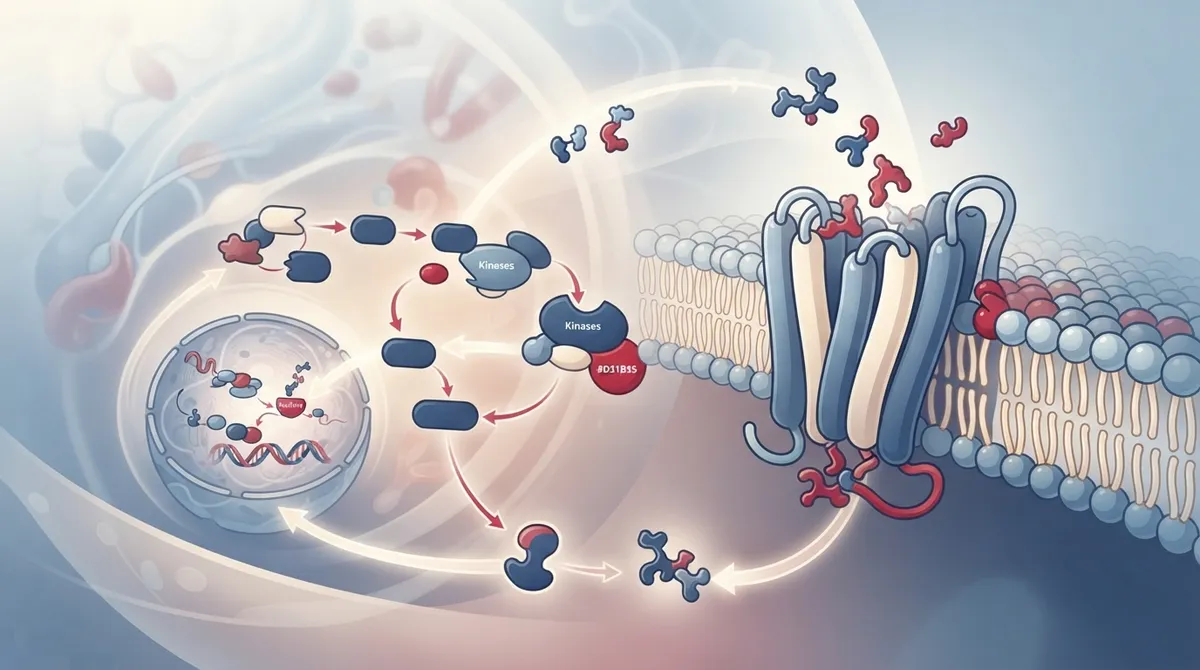
Kisspeptin is a natural signaling peptide in the body. It acts on the KISS1 receptor in the brain. This signal helps control gonadotropin-releasing hormone (GnRH), which then influences luteinizing hormone (LH) and follicle-stimulating hormone (FSH). Those hormones drive ovulation, sperm production, and sex hormone levels.
Think of kisspeptin as an early switch in the reproductive chain. It sits upstream of the hormones most people have heard of. For a deeper look at this chain, see our guide on why kisspeptin controls the timing of puberty, and our overview of kisspeptin's role in reproductive health.
Why Researchers Care About It
Because kisspeptin sits so early in the hormone pathway, scientists see it as a possible tool for studying and treating reproductive disorders. Most human studies have been small and tightly controlled. They were designed to answer narrow questions, not to create a wellness protocol.

Is Kisspeptin Peptide Therapy FDA-Approved?
No. Kisspeptin is not FDA-approved for any therapeutic use. Current research also has not set a standard dose, schedule, route, or long-term safety profile for routine clinic or wellness use. This is the single most important fact for anyone searching for kisspeptin peptide therapy in Riverview.
A clinic listing a peptide service does not prove that the product is approved, effective, or backed by long-term data. Marketing and evidence are different things. Our article on why kisspeptin availability is so limited in 2026 explains why access remains narrow.
What Conditions Has Kisspeptin Been Studied For?
Human research has focused mainly on reproductive medicine. The table below summarizes the main areas and what they do and do not show.
|
Research Area |
What Studies Examined |
What It Does Not Prove |
|---|---|---|
|
IVF egg maturation |
Kisspeptin as a trigger for final egg maturation, including in patients at risk of ovarian hyperstimulation syndrome (OHSS) |
That it is a routine primary care or wellness treatment |
|
Hypothalamic amenorrhea |
Small studies on restoring hormone signaling when periods stop |
That long-term use is effective, since responsiveness can fade |
|
Hypogonadotropic hypogonadism |
Small studies on low sex hormones caused by weak brain signaling |
That it replaces standard therapy |
|
Metabolic questions |
Early research on appetite and glucose |
Any proven weight or diabetes benefit |
The IVF Research in Context
The most cited work involves IVF. A 2025 review of kisspeptin and neurokinin B described one study of 60 women at high risk of OHSS. Kisspeptin was used to trigger egg maturation, and no moderate, severe, or critical OHSS cases were reported. This was a controlled fertility-clinic setting under specialist care. It is not evidence that kisspeptin works for general wellness.
How Much Research Exists?
Numbers help put the field in perspective:
- A 2025 systematic review of female reproductive research covered 15 studies: 11 randomized controlled trials, two non-randomized intervention studies, and two cross-sectional studies.
- A systematic review of clinical-trial records searched through February 26, 2023 identified 33 records and included 29 interventional trial reports.
- A 2024 review found that most clinical research focused on fertility, and metabolic research made up about 15% of the studies it reviewed.
These counts describe how many studies exist. They are not treatment success rates.
Does Kisspeptin Improve Fertility, Libido, or Testosterone?
The honest answer is that this is not established. Small studies have examined kisspeptin's effects on reproductive hormones, but they do not show that kisspeptin is a proven treatment for low libido, low testosterone, or infertility in everyday practice.
If you are concerned about sex drive, energy, or hormone levels, the cause is often something other than kisspeptin. Sleep problems, stress, thyroid issues, medications, weight changes, and low testosterone can all play a role. Our guides on when to see a doctor for low libido and what science says about kisspeptin and libido cover these points in detail.
Risks and Safety Concerns
Safety is where research protocols and real-world use part ways. Several issues stand out:
- No long-term safety data. Studies have been short and small.
- Possible loss of effect. Small studies in hypothalamic amenorrhea reported reduced responsiveness, called tachyphylaxis, with chronic administration.
- Unknown dosing. No standard dose or schedule exists for wellness use.
- Product quality risk. Items sold as "research peptides" may vary in purity and content.
- Self-injection risk. Injecting an unverified product without supervision adds avoidable danger.
The tachyphylaxis finding is a good example of why a research protocol should not be copied into unsupervised treatment. A single controlled dose can behave very differently from repeated exposure. For more on side effects, read how to weigh kisspeptin side effects before you try it.
Research Clinic Versus Wellness Marketing
It helps to separate three different settings where kisspeptin may come up.
- Fertility clinics and trials. Specialists use kisspeptin in defined protocols with monitoring and ethical oversight.
- Primary care and endocrinology. Clinicians evaluate symptoms, order labs, and use approved treatments with known safety profiles.
- Wellness marketing. Websites and social posts may promote kisspeptin for libido, hormones, or anti-aging without approval or solid evidence.
Most of the confusion comes from treating the third setting as if it carried the authority of the first. To compare options more fully, see kisspeptin versus testosterone therapy.
Questions to Ask Any Riverview Clinic Before Considering a Peptide
If a clinic offers a peptide, ask direct questions. A trustworthy practice will welcome them.
- Is this product FDA-approved for the condition you are describing? If not, what is its regulatory status?
- What evidence supports its use for my specific symptoms?
- What testing will you do before and during treatment?
- Who supplies the product, and how is its purity verified?
- What are the known risks, and what happens if I stop?
- Will you refer me to an endocrinologist or fertility specialist if that is the better path?
Our resource on what questions to ask a peptide clinic expands on this checklist. You can also review how to choose a peptide health clinic in Riverview.
A Safer Path for Hormone Concerns in Riverview
A responsible approach begins with a conversation, not a prescription. Primary care is the right front door for many hormone questions. A clinician can review your symptoms, medications, and medical history, then decide which tests make sense.
For fertility concerns, missed periods, or suspected hormone disorders, referral to a reproductive endocrinologist or endocrinologist may be the right next step. That is not a failure of primary care. It is how coordinated care works. Avoid self-injecting any product sold as a research peptide.
What a Hormone-Focused Visit Can Include
- A full review of symptoms, sleep, stress, and medications
- Targeted lab work for sex hormones, thyroid, and metabolic markers
- Screening for conditions that mimic hormone problems
- Discussion of proven treatment options and referrals when needed
InCare serves patients in Riverview and Tampa with primary care, hormone-focused evaluation, and wellness services that put prevention first. If you want to see what other patients say about their experience, you can visit our InCare location on Google and read the reviews. For updates and health education, you can also follow the practice on Facebook, Instagram, and TikTok.
Who Should Be Especially Cautious?
Some groups need extra care around any unapproved peptide:
- People who are pregnant, trying to conceive, or breastfeeding
- People with a history of hormone-sensitive conditions
- Anyone taking prescription medications that affect hormones
- Athletes subject to drug testing
If you fall into one of these groups, talk with a clinician before trying anything that alters hormone signaling. The same advice applies to young adults exploring wellness trends online. A short visit can prevent a costly mistake. For a broader view of how peptide offerings are evaluated, read how to evaluate peptide therapy for wellness safely.
The Bottom Line on Kisspeptin Peptide Therapy in Riverview
Kisspeptin is a legitimate research topic with real promise in narrow reproductive settings. It is not an approved treatment, and it is not a proven wellness fix. Anyone offering kisspeptin peptide therapy in Riverview should be able to explain its regulatory status, the evidence behind it, and a clear safety plan. If they cannot, move on.
The strongest move you can make is to start with a thorough evaluation. Clear answers about your symptoms often lead to simpler, proven solutions. When specialist care is needed, a good primary care team will say so and help coordinate it.
Ready to talk through your hormone, fertility, or wellness questions with a clinician who will give you straight answers? Book your visit with InCare now, or contact our team to ask about the right next step for your health.
FAQs
Q: What is kisspeptin, and how does it affect reproductive hormones?
A: Kisspeptin is a natural signaling peptide that acts on the KISS1 receptor in the brain. It helps regulate gonadotropin-releasing hormone (GnRH), which in turn influences LH, FSH, and overall reproductive function.
Q: Is kisspeptin peptide therapy FDA-approved in the United States?
A: No. Kisspeptin is not FDA-approved for a therapeutic indication. Research has not established a standard dose, schedule, route, or long-term safety profile for routine clinic or wellness use.
Q: Is kisspeptin proven to improve fertility, libido, or testosterone?
A: No. Studies have mostly been small and conducted in controlled reproductive-medicine settings, such as IVF egg maturation. They do not establish kisspeptin as a general treatment for fertility, libido, or testosterone.
Q: Should I see a primary care clinician, endocrinologist, or fertility specialist for hormone concerns?
A: Start with primary care for a full evaluation of symptoms, medications, and lab work. If you have fertility concerns, missed periods, or a suspected hormone disorder, your clinician may refer you to a reproductive endocrinologist or endocrinologist.
Q: What should I ask a Riverview clinic before considering a peptide treatment?
A: Ask about the product's FDA status, the evidence for your specific symptoms, how purity is verified, what monitoring is included, and known risks. A trustworthy clinic will answer clearly and refer you to a specialist when that is the better option.