
Key Takeaways
- Repeated kisspeptin use can cause tachyphylaxis, where the KISS1 receptor becomes less responsive over time, potentially reducing effectiveness with ongoing administration.
- Kisspeptin triggers significant hormonal shifts in LH and FSH levels, affecting menstrual cycles, ovulation timing, and testosterone production even at low doses like 0.3 nmol/kg.
- Long-term safety data is lacking since most human studies involve small groups and short follow-up periods; absence of serious side effects in short studies does not prove long-term safety.
- Compounded or unregulated kisspeptin products carry risks including sterility issues, inaccurate dosing, contamination, and lack of quality testing; only use through licensed medical providers.
- Most common short-term side effects are mild and temporary: injection-site irritation, flushing, headache, and nausea, with no serious adverse events reported in studies of 150+ participants.
- Kisspeptin is not FDA-approved for any general wellness use and remains investigational; seek immediate medical attention for severe pelvic pain, abnormal bleeding, or allergic reactions.
Kisspeptin has become a buzzword in wellness circles, especially among people exploring fertility support and hormone optimization. If you have seen this peptide mentioned online and wondered whether it is safe, you are asking the right question. This guide breaks down what the research actually shows about kisspeptin side effects, so you can make an informed choice with your doctor rather than relying on internet claims alone.
Kisspeptin is a natural hormone made in the brain. It plays a key role in triggering reproductive hormones like LH and FSH. Because of this, it has drawn interest for fertility treatment and hormone-related wellness goals. But like any substance that changes your hormones, it comes with things you should understand first. Whether you are a busy parent researching fertility options or someone curious about the latest wellness trend, this article gives you the facts before you consider trying it.
What Is Kisspeptin and Why Does It Matter?
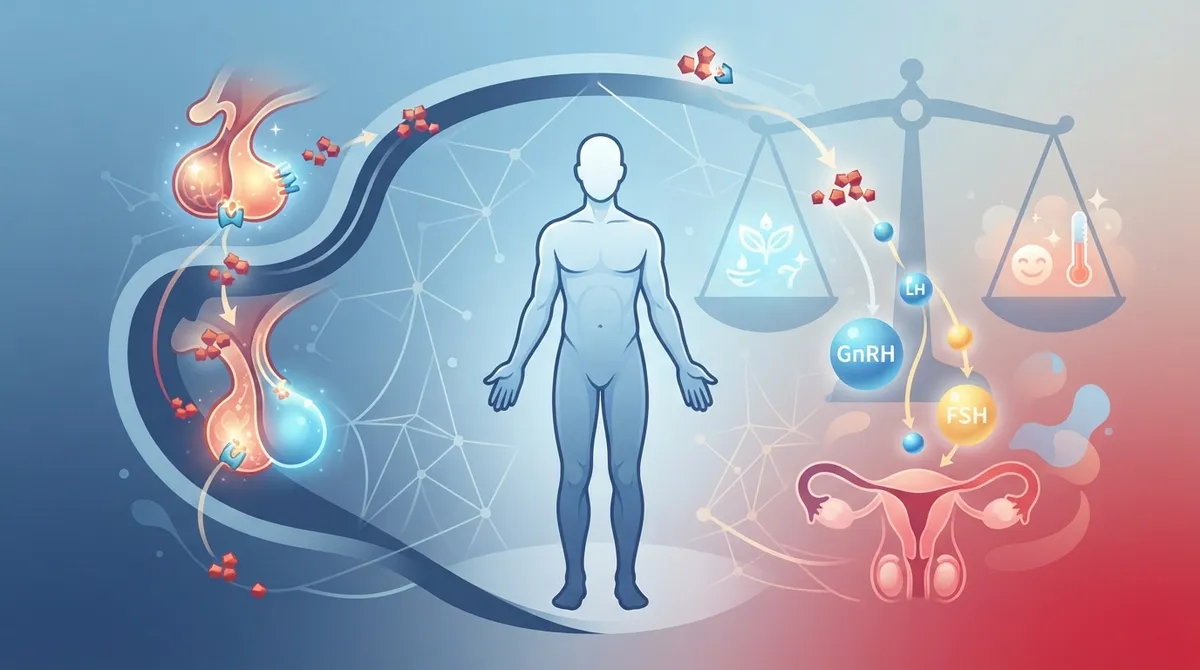
Kisspeptin is a peptide made in a part of the brain called the hypothalamus. It activates a receptor called KISS1. This action tells your brain to release gonadotropin-releasing hormone, or GnRH. GnRH then signals your body to release luteinizing hormone (LH) and follicle-stimulating hormone (FSH). These two hormones control ovulation in women and testosterone production in men.
Because kisspeptin sits at the top of this hormone chain, researchers have studied it for fertility treatment, including its role in fertility support. It is not yet an approved treatment for general wellness use. Anyone considering it should understand that it remains an investigational compound, not a proven daily supplement.
Common Kisspeptin Side Effects Reported in Studies
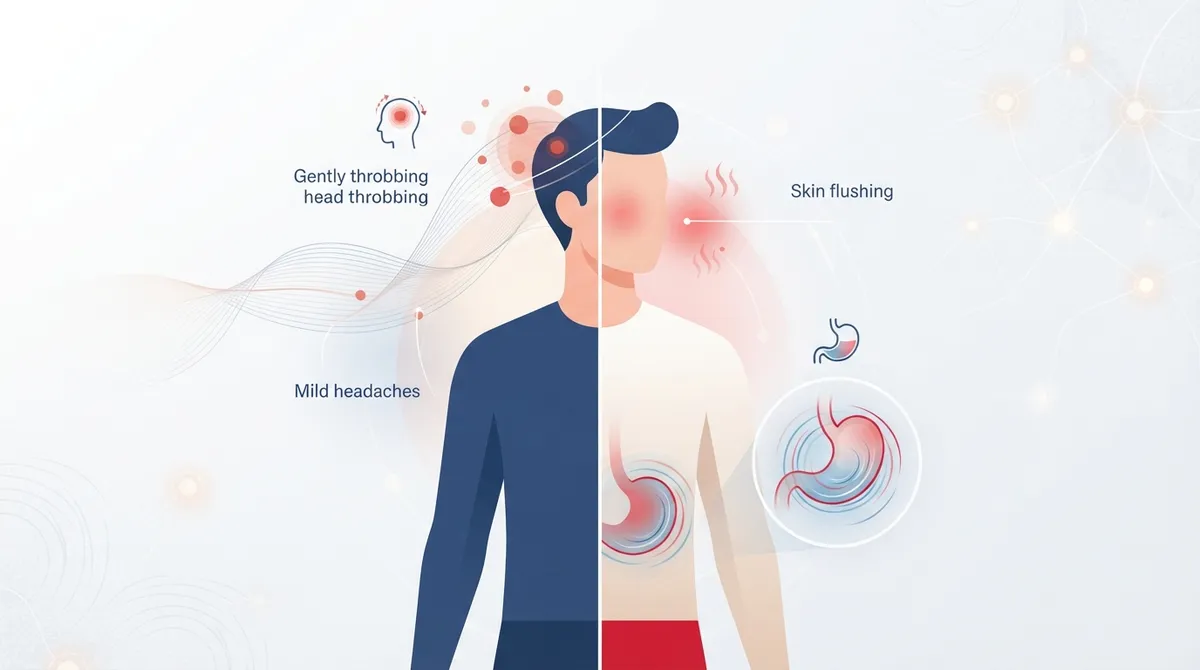
Short-term human studies have generally found kisspeptin to be well tolerated. A clinical-trial protocol that reviewed prior research involving more than 150 participants reported no serious kisspeptin-related adverse events. That is reassuring, but it does not mean the peptide is free of any effects.
Here are the most commonly reported reactions from clinical research:
- Mild stinging or irritation at the injection site
- Temporary flushing or a feeling of warmth
- Headache
- Occasional nausea
- Predictable changes in reproductive hormones like LH and FSH
Most of these effects were mild and went away on their own without treatment. A 2023 controlled study looking at kisspeptin's effects on sexual brain processing found it was well tolerated overall, with no significant changes in blood pressure or heart rate. This kind of finding helps build confidence, but researchers are careful to note that study sizes were small and follow-up was short.
Hormonal Changes Are the Main Concern
The biggest risk with kisspeptin is not organ damage. It is the hormone shift it causes. Because kisspeptin triggers LH and FSH release, it can affect your menstrual cycle, ovulation, and testosterone levels. In one study, doses as low as 0.3 nmol/kg raised LH in healthy men, while higher doses raised FSH too. This shows that even small amounts can change your hormone balance in measurable ways.
For women, this could mean changes to your cycle timing or ovulation pattern. For men, it could affect testosterone-related physiology. These effects are usually temporary, but they are still real and worth discussing with a primary care provider before you start.
Does Repeated Use Change How Kisspeptin Works?
One important finding from a 2009 study on women with hypothalamic amenorrhea deserves special attention. Researchers found that a single dose of kisspeptin stimulated gonadotropin secretion well. But repeated, ongoing use led to something called tachyphylaxis. This means the KISS1 receptor became less responsive over time.
In simple terms, taking kisspeptin over and over may cause your body to stop responding the way it did at first. This is different from how some other peptides work, and it is a key reason why dosing schedules for kisspeptin require careful medical oversight rather than guesswork.
Steps to Take Before Considering Kisspeptin
- Talk to a licensed healthcare provider about your specific health history and goals.
- Ask whether kisspeptin is appropriate for your situation, especially if you have a reproductive-hormone disorder.
- Request lab testing to check your current hormone levels as a baseline.
- Discuss monitoring plans if you move forward, since ongoing tracking matters more than a single dose.
- Avoid sourcing kisspeptin from unregulated or compounded suppliers without medical guidance.
- Report any unusual symptoms immediately rather than waiting to see if they pass.
Who Should Be Extra Careful With Kisspeptin?
Certain groups face higher risk when considering hormone-active compounds like kisspeptin. If any of the following apply to you, a conversation with your doctor is essential before moving forward.
- Women who are pregnant or trying to become pregnant without medical supervision
- People with known reproductive-hormone disorders
- Anyone with hormone-sensitive conditions, including certain cancers
- Individuals with unexplained menstrual changes or infertility symptoms
- Anyone experiencing severe pelvic pain of unknown cause
Kisspeptin has been studied as part of ovulation induction in IVF protocols, including cases of successful pregnancies without kisspeptin-attributed serious side effects. However, these results came from specialist-monitored settings, not unsupervised wellness use. That distinction matters a great deal.
Kisspeptin vs. Other Fertility Approaches
It helps to see how kisspeptin compares with more established options. The table below offers a general overview based on current research.
|
Approach |
Regulatory Status |
Main Risk Profile |
Monitoring Needed |
|---|---|---|---|
|
Kisspeptin |
Investigational |
Hormonal shifts, injection-site irritation, tachyphylaxis with repeated use |
Specialist supervision recommended |
|
hCG-based protocols |
Established in some fertility settings |
Possible higher ovarian-hyperstimulation risk in select cases |
Regular monitoring required |
|
Standard GnRH therapy |
Established |
Well-characterized hormonal effects |
Routine clinical monitoring |
Some research suggests kisspeptin-based approaches may carry a lower ovarian-hyperstimulation risk than certain hCG-based protocols in specific research settings. Still, this finding comes from controlled studies, not general use, so it should not be treated as a blanket safety guarantee.
Why Long-Term Safety Remains Unclear
Most human studies on kisspeptin have been short. They often involve small groups of people, single doses, or short infusion periods. This means we do not have strong evidence about what happens after months or years of use.
The absence of reported serious side effects in these short studies is a good sign. But it should not be mistaken for proof that kisspeptin is safe long-term. Precise percentage figures for side effects like headache or injection-site reactions are also not well established, since no large population-level studies exist yet.
Quality Concerns With Compounded Products
Beyond the biological effects, there is another risk factor to consider: where the product comes from. Kisspeptin sold as a compounded or research peptide may carry additional risks, including:
- Sterility issues that could lead to infection
- Inaccurate dosing due to inconsistent manufacturing
- Contamination from unregulated production facilities
- Lack of third-party quality testing
This is why working with a licensed clinic matters. A provider can help verify product quality and monitor your response, rather than leaving you to navigate an unregulated market alone.
When to Seek Medical Attention
Most reactions to kisspeptin in studies have been mild and temporary. Still, you should know when something needs urgent attention. Contact a healthcare provider right away if you experience:
- Severe pelvic or abdominal pain after use
- Abnormal or heavy bleeding outside your normal cycle
- Signs of an allergic reaction, such as swelling, hives, or trouble breathing
- Persistent symptoms that do not improve within a day or two
Do not try to manage these symptoms on your own. Reach out to your provider or visit an urgent care clinic if symptoms feel serious or come on quickly.
How InCare Approaches Hormone and Fertility Wellness
At InCare, our team believes in giving patients clear, evidence-based information before recommending any treatment involving hormones. Our providers take time to review your health history, order appropriate testing, and discuss realistic expectations. This includes services like DNA gene testing and comprehensive primary care visits designed to catch hormone imbalances early.
If you are in the Tampa or Riverview area and want to talk through your fertility or hormone health goals, our clinic locations offer both in-person and virtual visit options. You can also explore related services such as peptide and hormone clinic services to understand what options fit your specific needs.
Many patients also read our detailed guide on kisspeptin and fertility before their first visit, which helps them ask better questions during their consultation.
Building a Safer Approach to Wellness Peptides
If you are exploring kisspeptin or similar options, the safest path forward looks like this:
- Start with a full health evaluation, not a peptide purchase.
- Ask your provider about evidence quality, not just anecdotal claims.
- Request clear information about known side effects and unknowns.
- Set a monitoring schedule if treatment begins.
- Stay in touch with your provider about any new symptoms.
This structured approach protects you far better than trying a product based on social media claims. It also gives you a documented health record, which matters if complications ever arise.
You can see how other patients describe their experience with our team by checking reviews of InCare on Google. Many patients also follow our updates and educational content on Facebook, Instagram, and TikTok for ongoing wellness tips.
Making an Informed Decision
Kisspeptin is an interesting area of hormone research, particularly for fertility support. Short-term studies suggest it is generally well tolerated, with side effects limited mostly to mild, temporary reactions. But real questions remain about long-term safety, repeated dosing effects, and product quality when sourced outside a medical setting.
The smartest move is to treat kisspeptin the way you would any hormone-active treatment: with medical guidance, clear monitoring, and realistic expectations. If you are curious about whether kisspeptin or another approach fits your fertility or wellness goals, our team is ready to help you sort fact from hype.
Ready to talk to a provider about your hormone health? Reach out to our team today or schedule your visit online to get personalized guidance from InCare in Tampa or Riverview.
FAQs
Q: What are the most common side effects of kisspeptin?
A: Short-term studies report mild injection-site stinging, flushing, headache, and occasional nausea. These effects generally resolve on their own without treatment. Kisspeptin also causes predictable hormone changes, since it stimulates LH and FSH release.
Q: Is kisspeptin safe for men and women?
A: Small, short-term human studies suggest kisspeptin is generally well tolerated in both men and women, with no serious kisspeptin-related adverse events reported. However, long-term safety data is limited, and anyone considering it should consult a qualified provider first.
Q: Can repeated kisspeptin use stop working over time?
A: Yes, research shows that repeated or continuous kisspeptin administration can lead to tachyphylaxis, where the KISS1 receptor becomes less responsive. This means chronic use may not produce the same hormone response as an initial dose.
Q: Is kisspeptin FDA-approved for weight loss, libido, or anti-aging use?
A: No, kisspeptin is not FDA-approved for general wellness use, including weight loss, libido enhancement, or anti-aging. It remains an investigational compound studied mainly in reproductive medicine and fertility research.
Q: What should I do if I experience severe pain or an allergic reaction after kisspeptin?
A: Seek medical attention immediately if you notice severe pelvic pain, abnormal bleeding, or signs of an allergic reaction like swelling or difficulty breathing. Contact your provider or visit an urgent care clinic right away rather than waiting for symptoms to pass.