
Key Takeaways
- Kisspeptin is a brain hormone that acts as the master switch for puberty by activating GnRH neurons, triggering a cascade of hormone releases that drive physical development changes.
- A kisspeptin-stimulation test shows promise for predicting puberty progression in research settings, but blood kisspeptin levels alone are not yet reliable diagnostic markers and remain investigational tools.
- Watch for red flags like no breast development by age 13 in girls, no testicular growth by age 14 in boys, or puberty that starts then stalls—these warrant specialist evaluation.
- Supporting healthy development requires balanced nutrition, 8-10 hours of sleep, regular activity, and avoiding extreme dieting, as no safe direct kisspeptin supplements exist for adolescent use outside research.
Watching your child grow through puberty can bring a lot of questions. Why does one teen start developing at 10, while another waits until 14? The answer often starts with a tiny brain signal called kisspeptin. This hormone plays a huge role in adolescent development, and understanding it can help parents know when normal variation ends and when a doctor visit makes sense.
At InCare, our primary care teams in Tampa and Riverview help families make sense of growth and development concerns every day. This guide breaks down what kisspeptin is, how it drives puberty, and when it's time to talk to a doctor about your teen's growth pattern.
What Is Kisspeptin and Why Does It Matter for Teens
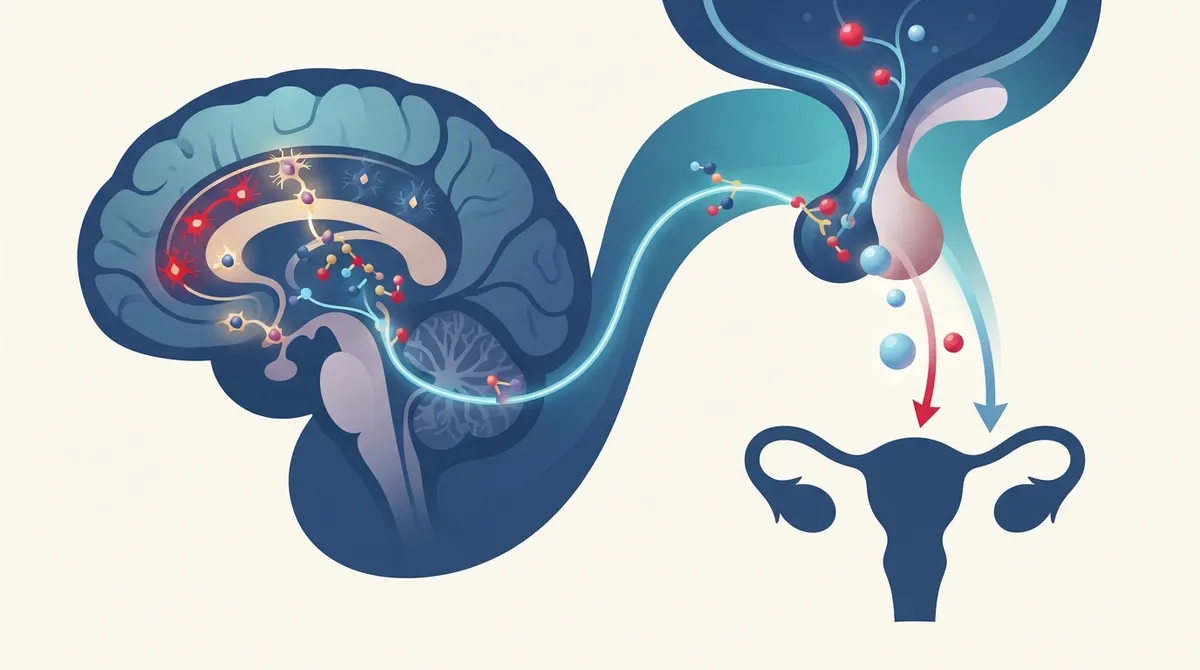
Kisspeptin is a small protein made in the brain. Scientists call it a neuropeptide. It comes from a gene named KISS1. Kisspeptin acts like a switch that turns on puberty.
This switch works by activating a receptor called KISS1R. That receptor sits on or near special brain cells that release GnRH, short for gonadotropin-releasing hormone. Think of kisspeptin as the key that starts the engine of puberty.
The Chain Reaction Behind Puberty
Puberty does not happen all at once. It follows a clear chain of events inside the body. Here is how the process unfolds, step by step:
- The brain increases kisspeptin signaling as a child approaches puberty age.
- Kisspeptin activates GnRH neurons in the hypothalamus.
- GnRH gets released in pulses, not steady streams.
- The pituitary gland responds by releasing two hormones: LH and FSH.
- LH and FSH travel to the ovaries or testes.
- The gonads respond by making sex hormones like estrogen and testosterone.
- These hormones drive physical changes: growth spurts, breast development, testicular enlargement, and other signs of puberty.
This entire sequence is known as the hypothalamic-pituitary-gonadal axis, or HPG axis. Kisspeptin sits at the very top of this system, making it a key early trigger for adolescent development.
What Controls Pubertal Timing
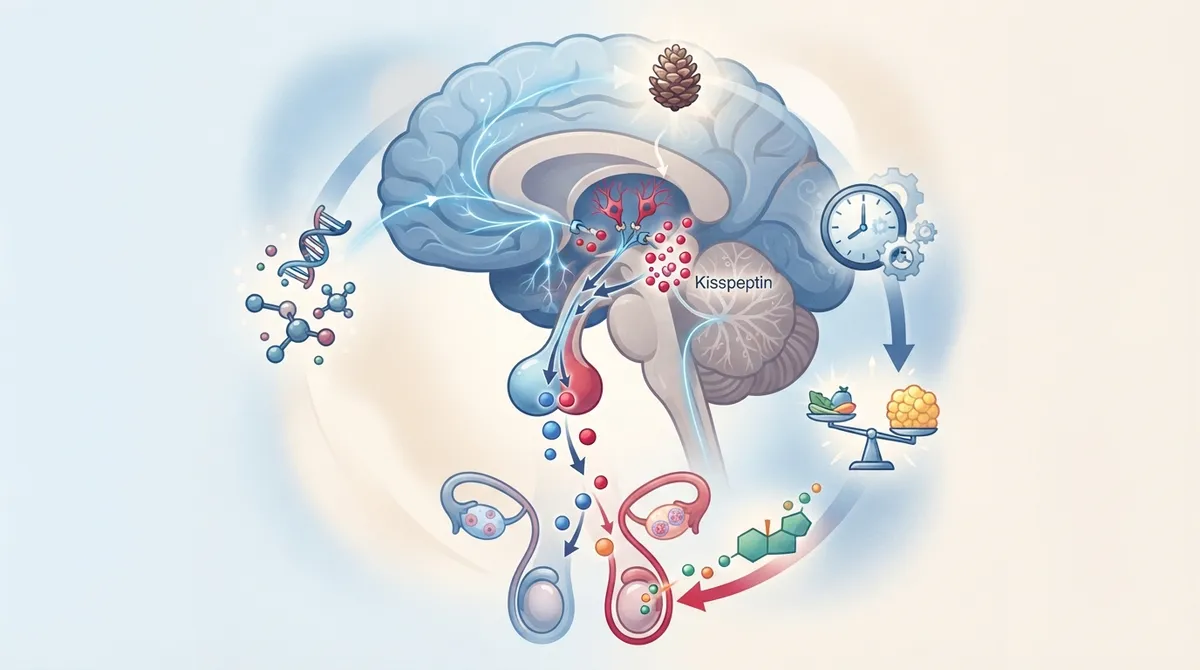
Kisspeptin is important, but it is not the only factor. Many things influence when puberty starts and how it progresses. Consider these contributing factors:
- Genetics passed down from parents
- Overall nutrition and diet quality
- Body composition and fat stores
- Chronic health conditions
- Sleep patterns and quality
- Stress levels and psychosocial factors
- Energy availability from food intake
Because so many factors play a role, no single hormone test can fully explain early or late puberty. This is why a full clinical picture matters more than any one number.
When Puberty Timing Raises a Red Flag
Most puberty happens within a normal age range. But sometimes, timing falls outside expected windows. Knowing these ranges helps parents decide when to seek medical guidance.
|
Condition |
Definition |
Typical Action |
|---|---|---|
|
Central Precocious Puberty |
Signs before age 8 in girls or age 9 in boys |
Evaluate promptly, especially with rapid progression |
|
Delayed Puberty (Girls) |
No breast development by age 13 |
Consider specialist referral |
|
Delayed Puberty (Boys) |
No testicular enlargement by age 14 |
Consider specialist referral |
|
Stalled Puberty |
Puberty starts but progression halts |
Requires further workup |
These are general guidelines, not strict rules. Every child is different, so local pediatric guidance should always shape the final decision.
Genetic Links to Puberty Problems
Rare gene changes can affect how kisspeptin signaling works. These changes are uncommon but worth knowing about:
- Loss-of-function changes in KISS1 or KISS1R genes can cause absent or delayed puberty
- These changes are linked to a condition called hypogonadotropic hypogonadism
- Activating gene changes have been tied to unusually early puberty in rare cases
- Genetic causes explain only a small share of all puberty timing issues
Most puberty variations do not come from a single gene problem. They usually result from a mix of factors working together.
Can a Kisspeptin Test Predict Puberty Outcomes
Researchers have studied a tool called the kisspeptin-stimulation test. This test measures how the body responds when given a dose of kisspeptin. Early results look promising for certain patients.
A 2020 study followed 16 young people with delayed or stalled puberty. The group included 13 boys and 3 girls, ages 13.9 to 17.5 years old. Researchers gave each teen a kisspeptin injection and measured the LH response.
The results were notable. All 8 participants whose LH rose by at least 0.8 mIU/mL later went through puberty naturally. All 8 participants with a weaker response, at or below 0.4 mIU/mL, did not show puberty progression during follow-up. The difference between groups was statistically significant, with a P value of.0002.
These findings are exciting, but the study only included 16 people. That is a very small group. Larger studies are needed before this test becomes standard practice. Right now, this remains a research and specialist-endocrinology tool, not something offered in routine primary care visits.
Blood Kisspeptin Levels: Not Yet a Reliable Marker
Some hoped that a simple blood test measuring kisspeptin levels could diagnose puberty problems. Current research suggests this is not yet reliable.
A 2024 study looked at girls with central precocious puberty compared to girls with premature thelarche, a milder condition involving early breast development alone. Baseline kisspeptin levels did not clearly separate the two groups. However, levels did change after six months of GnRH-analogue treatment, suggesting the hormone still plays a role worth tracking over time.
What Primary Care Doctors Actually Look For
Since kisspeptin testing remains investigational, primary care and family medicine visits focus on other clues. A thorough evaluation typically includes these steps:
- Reviewing growth charts and growth velocity over time
- Assessing Tanner stage, which tracks physical puberty markers
- Checking testicular size in boys or breast development in girls
- Asking about family history of early or late puberty
- Screening for chronic illness or nutritional gaps
- Reviewing current medications
- Discussing sleep habits and stress levels
- Ordering bone-age X-rays when timing seems off
- Running standard hormone panels as needed
This step-by-step process helps doctors decide whether a referral to a pediatric endocrinologist makes sense. It also helps rule out other causes that have nothing to do with kisspeptin at all.
Lifestyle Habits That Support Healthy Development
Parents often ask if they can boost or block kisspeptin directly. Right now, there is no safe way to do this outside of research settings. Instead, focus on habits that support overall health during the teen years. These lifestyle steps make the biggest difference:
- Serve balanced meals with enough calories and protein
- Encourage 8 to 10 hours of sleep each night
- Support regular physical activity without overtraining
- Avoid extreme dieting or restrictive eating patterns
- Manage any chronic conditions with regular checkups
- Talk openly and without stigma about body changes
These steps will not directly control kisspeptin, but they support the whole system that depends on it. A well-nourished, well-rested teen gives their body the best chance to develop on a healthy timeline.
Why Exogenous Kisspeptin Is Not a Wellness Product
You may see kisspeptin mentioned online as a supplement or injectable product. This is not appropriate for adolescent use outside of approved research. Exogenous kisspeptin and kisspeptin-receptor agonists remain investigational treatments. They should never be marketed as wellness boosters or used without specialist oversight.
Families interested in this research should ask their doctor about legitimate clinical trials rather than seeking unregulated products. Safety and long-term effects in teens are still being studied.
How InCare Supports Families Through Growth Concerns
Every family's situation is different. Some teens develop early, some develop late, and most fall somewhere in the middle. Our providers take time to review growth history, discuss family patterns, and order the right tests when something looks off track.
Dr. Pramjeet Ahluwalia MD and our care team regularly help parents in Tampa and Riverview understand what's typical and what needs closer attention. We also support broader family health through pediatric family medicine visits, so growth concerns get caught early during routine checkups rather than missed entirely.
Beyond puberty questions, our clinics offer cancer screening, DNA gene testing, and body composition analysis for families who want a fuller picture of their health. These tools help identify patterns that may relate to growth, metabolism, and long-term wellness.
Signs It's Time to Schedule a Visit
Not sure if your teen's development needs a doctor's opinion? Watch for these signs:
- No breast development by age 13 in girls
- No testicular growth by age 14 in boys
- Puberty signs appearing before age 8 in girls or age 9 in boys
- Puberty that starts but then seems to stop progressing
- Unusual growth spurts paired with early physical changes
- Family history of very early or very late puberty
If any of these apply to your child, it's worth scheduling a wellness visit to review growth history and next steps.
Trusted, Research-Backed Care for Growing Families
Understanding kisspeptin and its role in adolescent development helps parents ask better questions and feel more confident during checkups. While the science is still evolving, especially around kisspeptin-stimulation testing, the fundamentals of good puberty care remain the same: track growth, watch for red flags, and lean on a trusted primary care team.
Our patients in Tampa and Riverview consistently rate their experience highly, and you can visit us on Google — InCare to read what other families say about our approach to whole-family care. You can also follow health tips and clinic updates on Facebook, Instagram, and Tik Tok for more wellness guidance throughout the year.
If you have questions about your child's growth pattern or want a thorough wellness checkup, our team is ready to help. Book your appointment today or reach out to our care team to discuss your family's specific needs.
FAQs
Q: What is kisspeptin and how does it trigger puberty?
A: Kisspeptin is a brain signal made from the KISS1 gene that activates GnRH neurons in the hypothalamus. This activation starts a hormone chain reaction involving LH and FSH, which leads to physical puberty changes.
Q: Can kisspeptin levels predict delayed or absent puberty?
A: Blood kisspeptin levels alone are not yet a reliable standalone marker. A kisspeptin-stimulation test has shown promise in small research studies for predicting pubertal progression, but it remains investigational and is not routine primary care testing.
Q: When should a teenager with delayed puberty see a specialist?
A: Referral is generally appropriate for no breast development by age 13 in girls, no testicular enlargement by age 14 in boys, or stalled progression after puberty has started. Local pediatric endocrinology guidance should always inform the final decision.
Q: Are kisspeptin injections or supplements safe for teens?
A: No. Exogenous kisspeptin and kisspeptin-receptor agonists remain investigational and should not be marketed as wellness products. They should only be used within properly governed clinical research or specialist medical care.
Q: Can nutrition, sleep, or exercise affect pubertal timing?
A: Yes, overall health habits including balanced nutrition, adequate sleep, and appropriate physical activity support healthy hormone signaling. Extreme dieting or overtraining can disrupt normal pubertal timing and should be avoided.