Key Takeaways
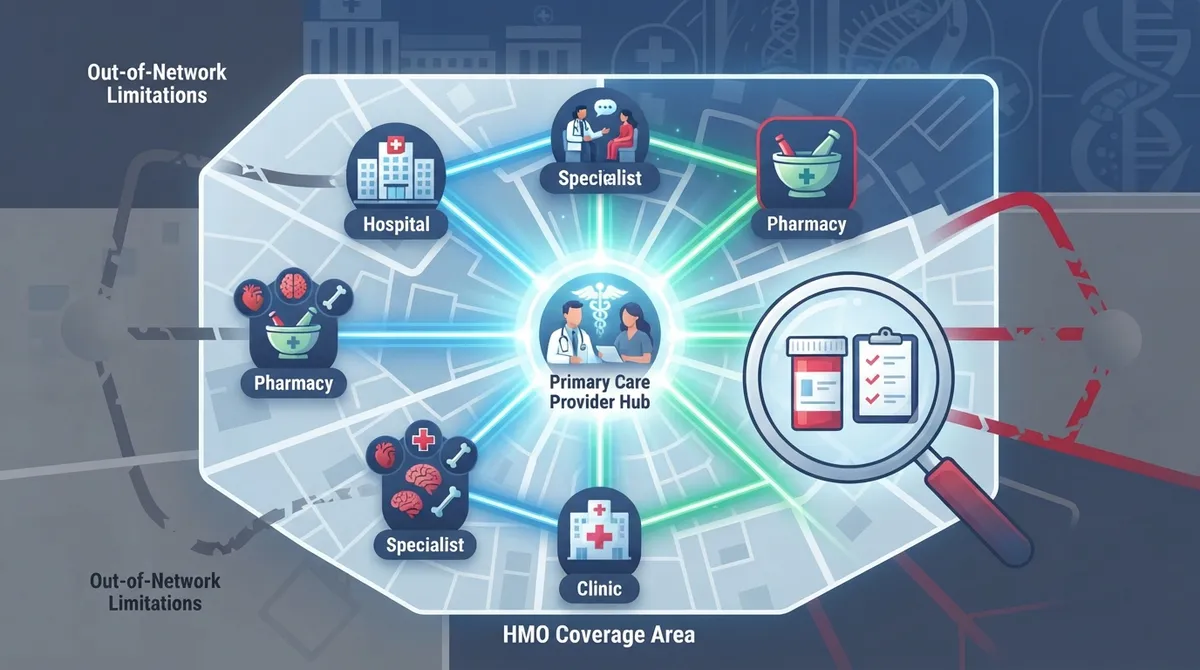
- Medicare HMO plans require using in-network providers and getting referrals from your primary care doctor for specialist visits, which helps coordinate care but limits flexibility compared to Original Medicare.
- Most Medicare HMO plans include prescription drug coverage (Part D) and preventive services at no cost, but you must verify your medications are on your plan's formulary and use in-network pharmacies to avoid surprise costs.
- Medicare HMO plans cover all core services that Original Medicare Parts A and B cover, including hospital stays, outpatient care, preventive screenings, and emergency care anywhere, even out-of-network.
- Extra benefits like dental, vision, hearing, fitness programs, and transportation to medical appointments vary significantly between insurers, so review your specific plan's benefits summary before enrolling.
- Common costly mistakes include seeing out-of-network doctors without checking coverage, skipping annual wellness visits that are free, and forgetting referral requirements—simple calls to your insurer can prevent these errors.
- Emergency care is always covered under Medicare HMO regardless of network status, and HMO-POS plans offer hybrid flexibility with higher copays for occasional out-of-network care if you travel frequently.
Turning 65 or choosing a new Medicare plan often brings one big question to the front of your mind: what exactly will your coverage pay for? If you have a Medicare HMO, understanding your benefits can save you money and help you get the right care at the right time. This guide breaks down what a Medicare HMO covers, how it works with primary care, and how to get the most value from your plan in 2026.
Whether you are choosing a plan for the first time or trying to make sense of the one you already have, knowing the details matters. Medicare HMO plans have specific rules about doctors, specialists, and extra benefits. Understanding these rules helps you avoid surprise bills and missed care. At InCare, our team in Tampa and Riverview helps patients understand their Medicare HMO benefits so they can focus on staying healthy.

What Is a Medicare HMO Plan?
A Medicare HMO is a type of Medicare Advantage plan, also called Medicare Part C. It combines your Medicare Part A (hospital) and Part B (medical) coverage into one plan run by a private insurance company. Most Medicare HMO plans also include prescription drug coverage, known as Part D.
Unlike Original Medicare, a Medicare HMO usually requires you to stay within a network of doctors and hospitals. This network structure helps keep costs lower for both you and the insurance company. In exchange, many plans offer extra perks that Original Medicare does not include.
How Medicare HMO Plans Differ From Original Medicare
Original Medicare lets you see almost any doctor who accepts Medicare, with no network restrictions. A Medicare HMO limits you to in-network providers for most services. This is one of the biggest differences seniors need to understand before choosing a plan.
Medicare Supplement plans, sometimes called Medigap, work differently too. These plans pair with Original Medicare to help cover out-of-pocket costs like copays and deductibles. A Medicare HMO replaces Original Medicare rather than working alongside it.

Core Services Covered by a Medicare HMO
Every Medicare HMO plan must cover at least what Original Medicare Parts A and B cover. This is a federal requirement, so no plan can offer less than the baseline. Knowing these core services helps you understand your minimum coverage no matter which plan you pick.
- Hospital stays, including inpatient care, skilled nursing care, and hospice services
- Outpatient care such as lab tests, imaging, and outpatient surgery
- Medically necessary doctor visits, including primary care appointments
- Preventive services like annual wellness visits and vaccines
- Emergency care, even when you are outside your plan's network
- Durable medical equipment like wheelchairs and walkers
Preventive care is a major focus of Medicare HMO plans. According to Aetna's 2026 HMO plan comparison, preventive services are covered across HMO, HMO-POS, and PPO Medicare Advantage plans alike. This makes routine checkups and screenings a smart first step after enrolling.
Primary Care and Specialist Visits
Most Medicare HMO plans require you to choose a primary care physician. This doctor becomes your main point of contact for most health needs and often provides referrals to specialists. Choosing a provider you trust matters, which is why many patients look into InCare's providers when selecting a primary care doctor.
Specialist visits are typically covered, but you may need a referral first. Mass Advantage's 2026 HMO summary shows specialist copays ranging from $15 to $30, depending on the plan. Primary care visits, by comparison, often carry no copay at all under many HMO plans.
ServiceTypical Coverage Under Medicare HMOExample Copay (2026 Plans)Primary care visitCovered in-network$0 (Banner Health, Mass Advantage examples)Specialist visitCovered with referral$15–$30Emergency careCovered anywhere, in or out of networkVaries by planPrescription drugsCovered per plan formularyVaries by tierPreventive screeningsUsually covered at no cost$0 for most services
Prescription Drug Coverage Under Medicare HMO
Most Medicare Advantage HMO plans include Medicare Part D prescription drug coverage, according to Medicare.gov. This means you do not need a separate drug plan in most cases. However, the specific drugs covered depend on your plan's formulary.
Each plan also has a pharmacy network. Using an out-of-network pharmacy can mean higher costs or no coverage at all. It helps to review your formulary each year, since drug lists can change annually.
Steps to Confirm Your Drug Coverage
- Request your plan's current formulary from your insurance provider
- Check if your medications fall into a low-cost tier
- Confirm your regular pharmacy is in-network
- Ask your doctor about generic alternatives if costs are high
- Review your plan yearly during open enrollment
Extra Benefits Many Medicare HMO Plans Include
One reason Medicare HMO plans are popular is the range of added benefits. These extras go beyond what Original Medicare offers and can make a real difference in daily life.
- Dental cleanings, exams, and sometimes major dental work
- Vision exams and allowances for glasses or contacts
- Hearing exams and hearing aid coverage
- Fitness program memberships
- Over-the-counter allowances for health items
- Transportation to medical appointments
These extra benefits vary widely between insurers and plans. Always check your plan's benefits summary before assuming a service is included. Humana's Medicare Advantage HMO materials, for example, outline specific extra benefits tied to their Gold Plus HMO plans.
Network Rules and Out-of-Network Care
Medicare HMO plans generally require you to use in-network providers for covered care. This rule has a few important exceptions that every member should know.
- Emergency care is always covered, even out of network
- Urgent care while traveling outside your service area is covered
- Temporary out-of-area dialysis is covered
- Some HMO-POS plans allow limited out-of-network care for a higher cost
Understanding HMO-POS Plans
An HMO-POS plan is a hybrid option. It combines the standard HMO structure with a "point of service" feature. This lets members step outside the network occasionally, usually for a higher copay or coinsurance.
If you travel often or want more flexibility, an HMO-POS plan might fit better than a standard HMO. It is worth discussing this option with your insurance agent or your primary care team before enrolling.
How Referrals Work With Medicare HMO Plans
Referrals are a defining feature of most Medicare HMO plans. Your primary care doctor typically must approve a referral before you see a specialist. This helps coordinate your care and can prevent unnecessary duplicate testing.
- Schedule an appointment with your primary care doctor
- Discuss your symptoms or concerns in detail
- Receive a referral if a specialist visit is needed
- Confirm the specialist is in your plan's network
- Schedule your specialist appointment
- Follow up with your primary doctor after specialist care
This process may feel like an extra step, but it often leads to better-coordinated care. A well-organized primary care relationship makes referrals smoother and faster.
Comparing Medicare HMO to Other Medicare Options
Plan TypeNetwork RulesReferrals Needed?Extra BenefitsMedicare HMOMust use in-network providersUsually yesOften includedMedicare PPOCan use out-of-network for higher costUsually noOften includedOriginal MedicareAny provider accepting MedicareNoNot includedMedicare SupplementPairs with Original MedicareNoNot included
Preventive and Wellness Services Worth Using
Many Medicare HMO members do not realize how many preventive services are included at no extra cost. Taking advantage of these services can catch health problems early and reduce long-term costs.
- Annual wellness visits to review your overall health
- Cancer screenings, including mammograms and colon cancer checks
- Diabetes screenings and management support
- Cardiovascular disease screenings
- Flu and pneumonia vaccines
At InCare, our cancer screening services are designed to fit into a preventive care plan that works alongside your Medicare HMO benefits. Combining routine screenings with wellness visits creates a stronger safety net for your health.
Why Choosing the Right Primary Care Partner Matters
Your primary care doctor plays a central role in a Medicare HMO plan. This provider manages your referrals, tracks your health history, and helps you avoid gaps in care. Choosing a clinic that understands Medicare rules can make your experience much smoother.
InCare serves patients in Tampa and Riverview with a strong focus on personalized, preventive care. Our team helps Medicare HMO members understand their benefits and use them fully. Many patients also explore our urgent care services for fast treatment of minor illnesses and injuries without a long wait.
Patients often check reviews before choosing a clinic, and InCare holds a 4.8 out of 5 rating on Google based on hundreds of reviews. You can visit us on Google — InCare to read patient experiences firsthand. Many reviews mention the friendly staff and the attentive care from our physicians.
Common Mistakes Medicare HMO Members Should Avoid
- Seeing an out-of-network doctor without checking coverage first
- Skipping the annual wellness visit that comes at no extra cost
- Forgetting to confirm pharmacy network status before filling prescriptions
- Missing referral requirements before specialist visits
- Not reviewing plan changes each year during open enrollment
Avoiding these mistakes can prevent unexpected bills and delays in care. A quick call to your insurance provider or your primary care office can clear up most confusion before it becomes a problem.
Staying Connected With Your Health Team
Keeping in touch with your care team helps you get more value from your Medicare HMO plan. Many clinics, including InCare, share health tips and updates through social media. You can follow along on Facebook, Instagram, or TikTok for helpful reminders about screenings, seasonal health tips, and clinic updates.
Staying engaged with your care also means asking questions during every visit. Ask your doctor which services are preventive and free under your plan. This simple habit can help you use your benefits fully throughout the year.
Making the Most of Your Medicare HMO in 2026
Understanding what your Medicare HMO covers puts you in control of your health care decisions. From primary care visits to preventive screenings and prescription drugs, most of your everyday health needs are included. Extra benefits like dental, vision, and fitness programs can add even more value when used wisely.
If you want personalized guidance on using your Medicare HMO benefits at a trusted primary care clinic, our team is ready to help. Get in touch with our InCare team today, or book your appointment now to start making the most of your coverage in Tampa or Riverview.
FAQs
Q: What services does a Medicare HMO cover?
A: A Medicare HMO covers everything Original Medicare Parts A and B cover, including hospital stays, outpatient care, preventive services, and medically necessary doctor visits. Most plans also include prescription drug coverage and extra benefits like dental, vision, and hearing care.
Q: Does Medicare HMO cover specialist visits?
A: Yes, specialist visits are typically covered as long as you use an in-network provider. Many plans require a referral from your primary care doctor before you can schedule a specialist appointment.
Q: Do you need a referral to see a specialist with Medicare HMO?
A: Most Medicare HMO plans require a referral from your primary care physician before you see a specialist. This helps coordinate your care and ensures the visit is covered under your plan.
Q: Can you go out of network with a Medicare HMO plan?
A: Generally, you must use in-network providers for covered care under a standard Medicare HMO. Exceptions include emergency care, urgent care while traveling, and temporary out-of-area dialysis. Some HMO-POS plans allow limited out-of-network care for a higher cost.
Q: What extra benefits do Medicare HMO plans usually include?
A: Many Medicare HMO plans include dental, vision, and hearing coverage, along with fitness memberships, over-the-counter allowances, and transportation to medical appointments. These extras vary by insurer and plan, so it is important to review your specific benefits summary.