
Key Takeaways
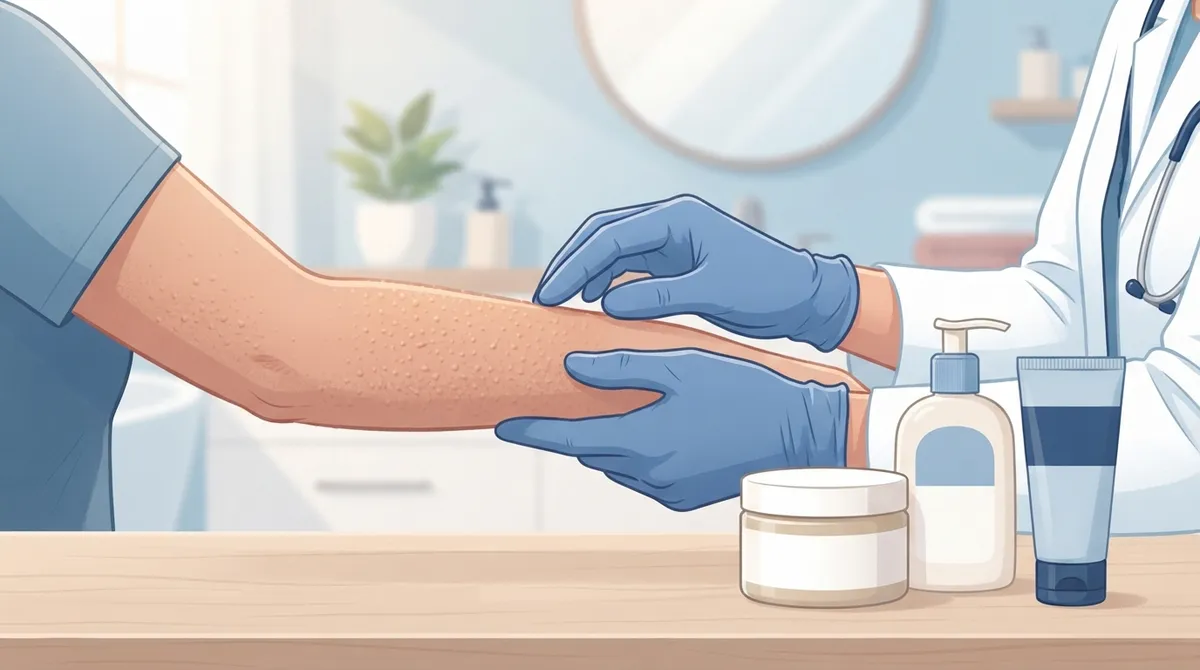
- Start with a primary care clinician for KP diagnosis before seeing a dermatologist, as they can often diagnose it visually and save weeks of waiting for specialist referrals.
- See a dermatologist if you see no improvement after 4-6 weeks of home care, have persistent redness or dark marks, or if the diagnosis is uncertain.
- Build a daily routine with thick moisturizers, lukewarm showers, and gentle cleansing; avoid picking, scrubbing hard, and hot water which worsen KP symptoms.
- Over-the-counter products containing urea, lactic acid, alpha-hydroxy acids, salicylic acid, or topical retinoids can help soften bumps and reduce keratin plugs in follicles.
- KP is harmless, non-contagious, and affects 50-80% of adolescents; it often improves with age and may fade by age 30, though bumps may return when treatment stops.
- KP has no permanent cure but is manageable; dermatologists may offer prescription creams or laser procedures for stubborn redness or discoloration with variable results.
Rough, bumpy skin on your arms or thighs can be annoying. Many people search for a keratosis pilaris dermatologist as soon as they spot those tiny "chicken skin" bumps. The good news is that keratosis pilaris (KP) is common, harmless, and not contagious. The better news is that you may not need a specialist right away.
StatPearls reports that KP affects an estimated 50 to 80 percent of adolescents, so you are far from alone. Still, it can be hard to tell when home care is enough and when to see a dermatologist. This guide walks you through that choice, step by step. You will learn how to spot KP, how a primary care clinician can help, what a dermatologist adds, and which treatments are worth your time in 2026.
What Keratosis Pilaris Looks and Feels Like
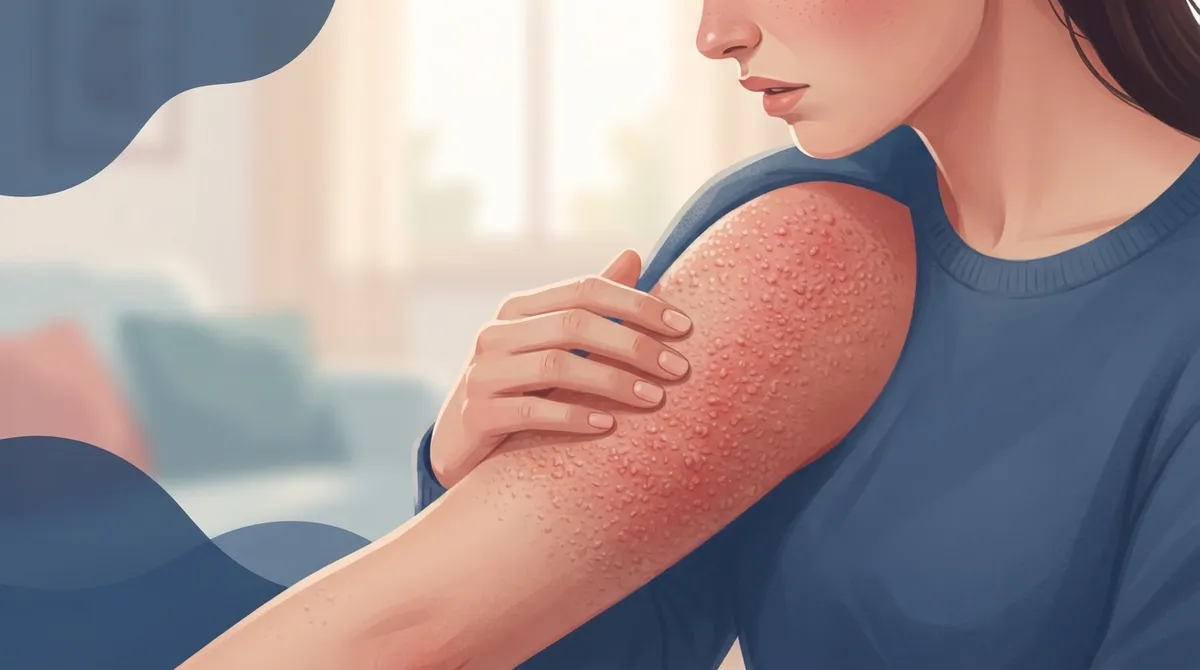
KP happens when keratin, a hard protein in your skin, plugs hair follicles. The plugs create small, rough bumps that often feel like sandpaper. They are most common on the upper arms, thighs, cheeks, and buttocks.
The bumps may be skin-colored, red, or darker than the skin around them. Dry air and low-humidity seasons often make them look worse. KP is not caused by poor hygiene, and it does not spread from person to person.
Common Signs of KP
- Tiny, rough bumps that feel like goosebumps that never go away
- Patches on the outer upper arms, front thighs, cheeks, or buttocks
- Skin that looks dry, with mild redness or darker spots around the bumps
- Little or no pain, though some people feel mild itching
How KP Differs From Acne, Eczema, and Other Rashes
KP can look like acne, but it usually shows up in the same places on both sides of the body. Acne bumps are often larger and may have a pus-filled tip. Eczema tends to itch more and can look scaly, cracked, or weepy. If you are not sure what you are seeing, a clinician can tell the difference in a short exam.
|
Condition |
Typical Look |
Common Areas |
Main Clue |
|---|---|---|---|
|
Keratosis pilaris |
Small, rough, sandpaper-like bumps |
Upper arms, thighs, cheeks, buttocks |
Bumps cluster around hair follicles |
|
Acne |
Red bumps, whiteheads, blackheads |
Face, chest, back |
Pus-filled or clogged pores |
|
Eczema |
Dry, itchy, scaly patches |
Elbow folds, knees, hands |
Strong itch and cracked skin |
|
Folliculitis |
Red, tender, pimple-like bumps |
Areas that are shaved or rubbed |
Painful or pus-filled bumps |
Step 1: Start With a Primary Care Visit
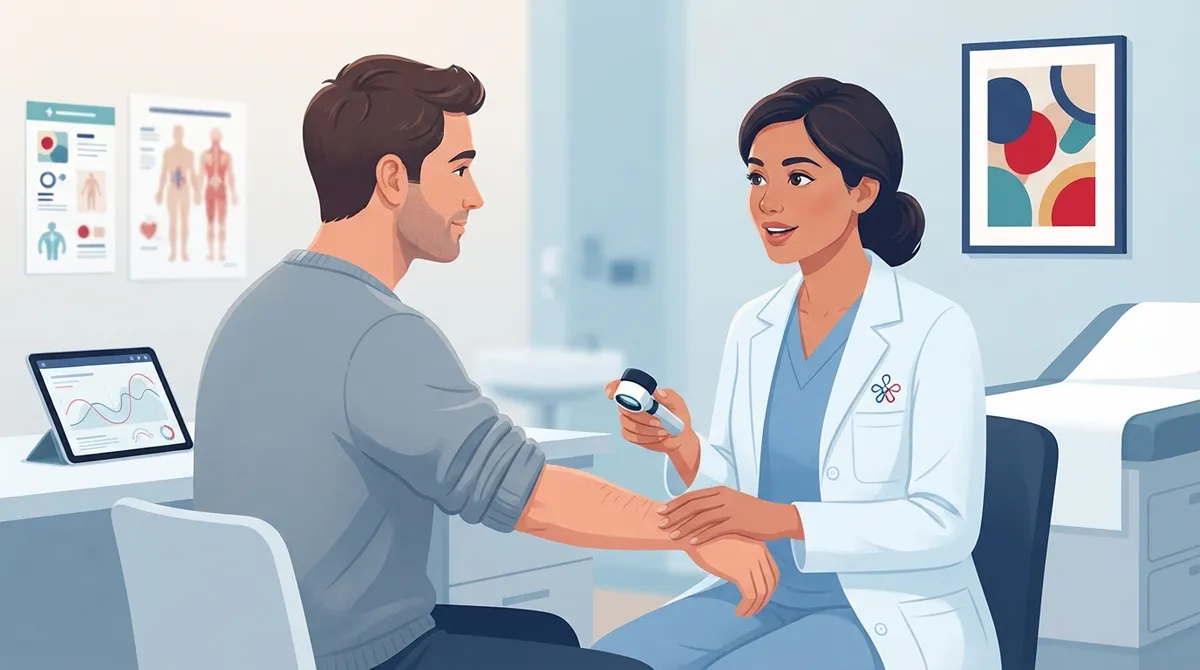
You do not always need a keratosis pilaris dermatologist as your first stop. A primary care clinician can often diagnose KP just by looking at your skin and asking a few questions. Testing or a skin biopsy is usually not needed for typical cases.
This matters for busy people. A primary care visit can save weeks of waiting for a specialist referral. It also lets one clinician review your whole health picture, including dry skin, allergies, and other conditions that may affect your skin.
At InCare primary care, clinicians can examine your skin, confirm whether it looks like KP, and build a simple care plan. If something looks unusual, they can guide you to the right next step. You can also learn what to expect from a visit in this guide on what a primary care physician does.
What to Bring to Your Visit
- A list of products you use on your skin, including soaps and lotions.
- Notes on when the bumps started and what makes them better or worse.
- Photos of your skin from different weeks, if the look changes.
- A list of your medicines, vitamins, and any known allergies.
Step 2: Build a Gentle Daily Skin Care Routine
KP does not have a permanent cure, but good skin care can soften the bumps and ease dryness. Treatment is optional. Many people choose it only for comfort or looks.
The first steps are simple and low cost. Be patient, since skin often needs several weeks to respond.
Moisturize Often
Use a thick moisturizer every day, especially right after a bath or shower when your skin is still damp. Creams and ointments usually work better than thin lotions. Fragrance-free products are a safer choice for sensitive skin.
Bathe Gently
- Take short, lukewarm showers instead of long, hot ones.
- Use a mild, fragrance-free cleanser.
- Pat your skin dry instead of rubbing hard.
- Run a humidifier in dry months if your home air feels dry.
Avoid Habits That Make KP Worse
Do not pick, scratch, or scrub the bumps hard. Harsh scrubbing can irritate the skin and may leave dark marks. Very hot water and long baths can also dry out your skin and make the bumps more obvious.
Step 3: Try Over-the-Counter Smoothing Ingredients
Some products help loosen dead skin and reduce the plugs in your follicles. Clinicians often suggest creams that contain urea, lactic acid, alpha-hydroxy acids, or salicylic acid. Others use topical retinoids to help prevent follicle plugging.
|
Ingredient |
How It Helps |
Things to Watch |
|---|---|---|
|
Urea |
Moisturizes and softens rough skin |
May sting on broken skin |
|
Lactic acid |
Gently exfoliates and hydrates |
Can irritate sensitive skin |
|
Alpha-hydroxy acids |
Loosen dead skin cells |
May raise sun sensitivity |
|
Salicylic acid |
Helps unclog follicles |
Can dry the skin if overused |
|
Topical retinoids |
Reduce follicle plugging |
Often need a prescription; ask a clinician about pregnancy and children |
These products can cause dryness, burning, or peeling. Always follow the label. If a product causes strong burning, redness, or peeling, stop using it and ask a clinician for advice. Ask before use if you are pregnant, if your skin is very sensitive, or if the patient is a child.
Step 4: Know When to See a Keratosis Pilaris Dermatologist
A keratosis pilaris dermatologist is a skin specialist who can confirm the diagnosis and tailor treatment. You do not need one for every case. However, there are clear times when a referral makes sense.
The American Academy of Dermatology advises contacting a dermatologist if you see no improvement after following a treatment plan for 4 to 6 weeks.
Signs It May Be Time for a Specialist
- The diagnosis is uncertain, or the rash does not look like typical KP.
- Your bumps are very red, painful, or bothering you every day.
- You have followed a care plan for 4 to 6 weeks with little change.
- You have dark marks or lasting redness you want to treat.
- The condition affects your confidence or daily comfort.
A dermatologist may offer prescription creams or, in selected cases, laser or light procedures for stubborn redness, discoloration, or texture. Results vary from person to person, and these options do not offer a permanent cure. Ask about costs, number of sessions, and realistic goals before you start.
Primary Care Clinician vs. Dermatologist: Who Should You See?
Both can play a useful role. The best choice depends on how mild your KP is and how long you have had it.
|
Situation |
Best First Step |
|---|---|
|
Typical bumps, mild dryness |
Primary care visit and home skin care |
|
Not sure if it is KP |
Primary care exam, then referral if needed |
|
No change after 4 to 6 weeks |
Dermatologist for added treatment options |
|
Persistent redness or dark marks |
Dermatologist for prescription or procedure options |
|
Skin symptoms plus other health concerns |
Primary care for a whole-body review |
A primary care team can also coordinate your care so nothing gets lost between offices. This is one reason many families choose a single, trusted clinic. To see how coordinated care helps, read about fragmented care vs. coordinated care.
Does KP Go Away on Its Own?
KP often improves slowly with age. Cleveland Clinic reports that it often fades by around age 30, though the course varies. Some people still have symptoms in adulthood. The bumps may also return when you stop treatment, so a steady routine works best.
Think of KP as a skin trait to manage, not a disease to fear. With regular moisturizing and gentle care, many people see smoother skin within weeks.
Why Primary Care Matters for Skin and Whole-Body Health
Skin is often a mirror of overall health. Dry, rough skin can tie into sleep, hydration, stress, and nutrition. A clinician who looks at the full picture can spot clues that a skin-only visit might miss.
InCare blends modern technology with personal attention. The clinic offers primary care, urgent care, and advanced wellness services in Tampa and Riverview, Florida. If you want a full health review alongside your skin concerns, a routine physical exam is a smart place to start. You can also explore how preventive care supports long-term wellness.
Patients often ask about hydration and nutrition when their skin feels dry. Services such as IV hydration and vitamin drips may support overall wellness, though they are not a proven treatment for KP. Talk with your clinician about what fits your goals.
Simple Daily Plan You Can Start Today
- Take a short, lukewarm shower with a gentle cleanser.
- Pat dry and apply a thick moisturizer within a few minutes.
- Use a smoothing cream with urea or lactic acid as directed.
- Skip picking, hard scrubbing, and long hot baths.
- Track your skin for 4 to 6 weeks and take photos.
- Book a visit if you see little change or have new symptoms.
You can follow InCare for health tips on Instagram, TikTok, and Facebook. Want to see what patients say about their care? You can read InCare reviews on Google, where the clinic holds a 4.8 out of 5 rating.
Take the Next Step With InCare
You do not have to guess about bumpy skin. A quick exam can confirm whether you have KP, set up a plan that fits your life, and tell you if a dermatologist referral makes sense. InCare serves patients in Tampa and Riverview, with in-person and virtual options for busy schedules.
Ready to get answers? Book your appointment with InCare today, or contact our team with any questions. Smoother, more comfortable skin starts with the right plan and a clinician who knows your whole health story.
FAQs
Q: What kind of doctor should I see for keratosis pilaris?
A: Start with a primary care clinician, who can often diagnose KP from its look and location. A dermatologist is helpful if the diagnosis is unclear, if symptoms are bothersome, or if home care has not helped.
Q: When should I see a keratosis pilaris dermatologist?
A: Consider a dermatologist if you see no improvement after 4 to 6 weeks of a treatment plan, as advised by the American Academy of Dermatology. You should also go if the rash looks unusual, is painful, or leaves lasting redness or dark marks.
Q: Can keratosis pilaris be cured?
A: KP has no permanent cure, but treatment can soften the bumps and ease dryness. It often improves with age and may fade by around age 30, though it can return if you stop your routine.
Q: Which ingredients help keratosis pilaris?
A: Clinicians often suggest products with urea, lactic acid, alpha-hydroxy acids, or salicylic acid, along with a thick daily moisturizer. Topical retinoids may also help. Stop use if you notice strong burning or peeling, and ask a clinician before use during pregnancy or in children.


