Key Takeaways
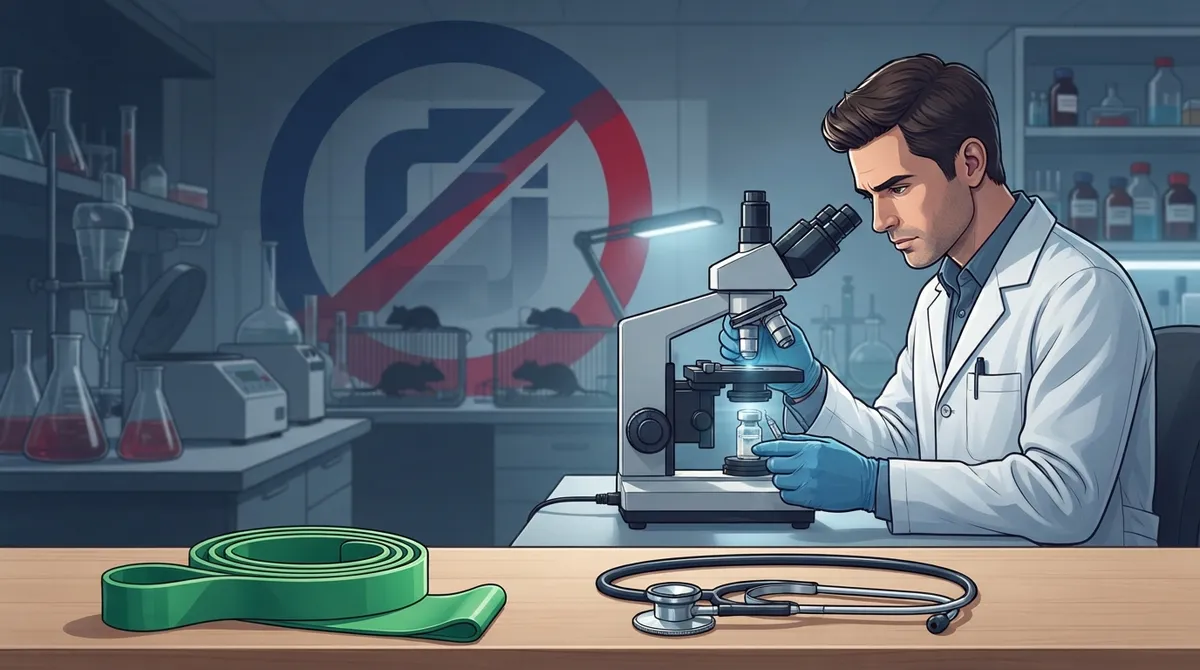
- Only one small, uncontrolled human study exists on peptides like BPC-157 for sports injuries; 35 of 36 reviewed studies were animal or lab-based, making current evidence insufficient to prove effectiveness in people.
- BPC-157 and TB-500 are banned by WADA as of January 1, 2026, and testing positive could result in suspension or disqualification even if you didn't know a supplement contained them.
- Online peptide products lack FDA oversight for purity, sterility, and dosing; no established treatment protocol exists, and safety data in humans is limited with unknown long-term effects.
- Proven alternatives like physical therapy, targeted strength training, and medical guidance should be tried first before considering unproven peptides; consult your primary care provider to rule out simpler solutions.
Scroll through any fitness forum today, and you will see bold claims about peptides for sports injuries. Athletes and weekend warriors talk about faster healing, less pain, and quicker returns to the gym. But what does the actual science say? If you have a nagging tendon injury or a sore joint, it pays to know the facts before trying anything experimental.
At InCare, our teams in Tampa and Riverview see patients every week who want to heal faster and get back to their sport. This guide breaks down what peptides like BPC-157 and TB-500 actually do, what the research shows, and what safer, proven paths look like for real recovery.
What Are Peptides for Sports Injuries
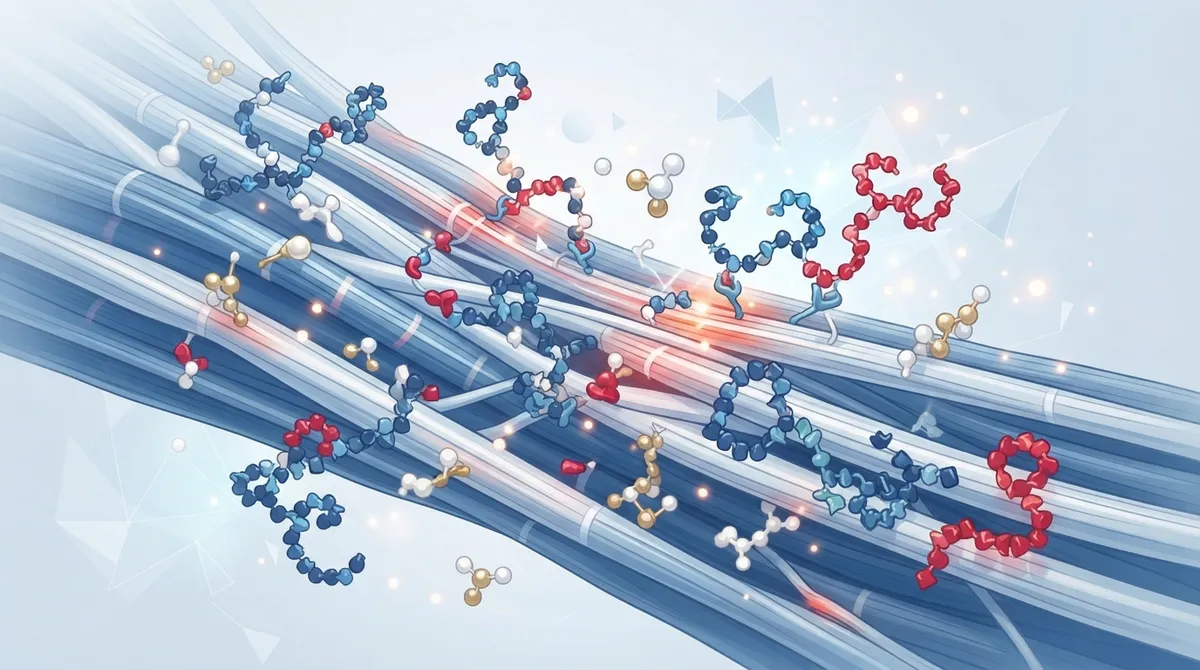
Peptides for sports injuries usually refer to compounds like BPC-157 and TB-500. These are short chains of amino acids marketed for healing tendons, ligaments, muscles, and cartilage. Sellers often claim they speed up recovery after workouts or injuries.
The proposed mechanisms sound promising on paper. Researchers believe these peptides may influence inflammation, blood vessel growth, and collagen repair. But having a plausible mechanism is not the same as having proof it works in people.
BPC-157 and TB-500 Explained
BPC-157 is a peptide studied mostly in animal models for gut and tissue healing. TB-500 is related to thymosin beta-4, a naturally occurring protein linked to cell movement and repair. Both are sold online as "research chemicals," often without medical oversight.
Neither compound is approved by the FDA for treating sports injuries. This matters because FDA approval requires proof of safety and effectiveness through controlled human trials. Without that proof, dosing, purity, and long-term risks remain unknown.

What Does the Research Actually Show
The evidence behind these peptides is much thinner than online marketing suggests. Most of what we know comes from lab dishes and animal studies, not people.
- A 2025 systematic review looked at 544 published studies on BPC-157 in sports and orthopedic medicine.
- Only 36 studies met the criteria for inclusion in the final review.
- Of those 36 studies, 35 were done in animals or in laboratory settings only.
- Just one study involved actual human patients, and it was small and poorly controlled.
That single human study followed 12 patients with chronic knee pain who received injections directly into the joint. Seven of them reported pain relief lasting more than six months. But the study had no control group and relied on patient reports after the fact. This kind of design cannot prove the peptide caused the improvement.
Why Preclinical Data Is Not Enough
Many treatments that look great in mice never work the same way in humans. Our bodies are more complex, and dosing that helps a rodent tissue sample does not automatically translate to a 180-pound athlete. This gap explains why doctors are cautious about recommending unproven peptides for real injuries.
There is also no established dose, injection schedule, or treatment length backed by solid research. Every "protocol" you see online is essentially a guess, not a medically validated plan.
Safety Concerns You Should Know About
Because these peptides are not regulated like prescription drugs, safety data in humans is limited. Here are the main concerns clinicians raise:
- Products sold as "research use only" may not be tested for purity, sterility, or accurate dosing.
- Injection-site infections and allergic reactions are possible with unregulated products.
- Long-term effects on blood vessel growth, hormone levels, and tissue changes are not well studied.
- Some reports raise questions about tumor biology and cell growth signals, though causation has not been proven.
- Drug interactions with other medications are largely unknown.
One reported analysis of an FDA adverse-event database found 10 BPC-157-related reports since 2021, described as serious. It is important to note that adverse-event reports alone cannot prove a peptide caused harm. They simply flag patterns worth watching. Still, this reinforces why medical guidance matters before trying any unregulated product.
Buying Peptides Online: What to Watch For
Many online sellers use flashy testimonials and before-and-after photos to sell peptides. These claims are not the same as clinical evidence. A product labeled "pharmaceutical grade" without third-party testing offers no real guarantee of quality or safety.
If you are considering any peptide therapy, ask about sourcing, testing, and physician oversight. Our peptide therapy resources in Tampa explain what responsible, medically supervised peptide use can look like.
What Athletes Need to Know About Anti-Doping Rules
If you compete in any regulated sport, this section matters a lot. The World Anti-Doping Agency updated its Prohibited List for 2026, effective January 1, 2026.
|
Compound |
WADA Status |
Category |
|---|---|---|
|
BPC-157 |
Prohibited |
Non-approved substance |
|
TB-500 / Thymosin Beta-4 |
Prohibited |
Growth-factor related category |
These restrictions generally apply both during competition and outside of it. A positive test could mean suspension, disqualification, or loss of eligibility, even if you did not know a supplement contained a banned peptide. If you compete at any level, this risk alone should factor into your decision.
How to Evaluate Peptides for Sports Injuries the Right Way
Instead of jumping straight to an experimental product, take these steps first:
- Get an accurate diagnosis. Not all pain is the same, and treatment depends on the exact injury.
- Ask about activity modification. Sometimes reducing certain movements speeds healing more than any injection.
- Try structured rehabilitation. Progressive loading and physical therapy have decades of research behind them.
- Discuss appropriate pain management options with your primary care provider.
- Ask for a referral to sports medicine or orthopedics if the injury is complex or not improving.
- Bring up any peptide use before surgery or other procedures, since sterility and healing effects are not well understood.
This structured approach protects your health while still giving your injury the best chance to heal. Our providers routinely walk patients through options like this during primary care visits in Tampa and Riverview.
Questions to Ask Before Trying Any Peptide
Before considering an experimental peptide, ask yourself and your provider these questions:
- Is there strong human evidence, or just animal studies and marketing claims?
- Does the product come from a source that verifies purity and sterility?
- Am I a competitive athlete subject to anti-doping testing?
- Have I tried proven treatments like physical therapy first?
- Does my doctor know about any peptide use, especially before surgery?
If you cannot confidently answer these questions, it may be too early to move forward with an unproven product.
Proven Alternatives Worth Discussing With Your Doctor
Many sports injuries respond well to established treatments that do not carry the same uncertainty as experimental peptides. These include physical therapy, targeted strength training, anti-inflammatory approaches, and in some cases, imaging-guided injections performed by specialists. A thorough evaluation often reveals options you have not tried yet.
Our urgent care services can help with acute injuries, while ongoing issues are often better managed through a relationship with a primary care provider who knows your history. Comprehensive care also means looking at your overall health, including nutrition and body composition, which can affect healing speed. Our body composition analysis gives useful insight into how your body is recovering over time.
Why a Coordinated Approach Works Better
Sports injuries rarely happen in isolation. Sleep, nutrition, hormone health, and stress all play a role in how fast tissue repairs itself. A primary care team that looks at the whole picture can catch issues that a single injection might miss entirely.
This is one reason InCare emphasizes whole-body wellness rather than isolated fixes. Patients in Tampa and Riverview often find that addressing multiple factors together produces steadier, more lasting results than chasing a single trendy product.
What This Means for Your Recovery Plan
Peptides for sports injuries remain an area of active research, not an established treatment. The science so far leans heavily on animal data, with only a single small, uncontrolled human study to point to. No dosing standard exists, safety data is limited, and WADA rules ban these compounds for tested athletes.
None of this means the future is closed. Ongoing orthopedic research may eventually clarify whether these peptides have a real role in sports medicine. Until then, the responsible path is proven diagnosis, rehabilitation, and medical guidance.
If you follow InCare on Facebook, Instagram, or TikTok, you can see how our providers talk about safe, evidence-based approaches to wellness and recovery. You can also see what real patients say by visiting our InCare location on Google.
Talk to a Provider Before You Decide
The safest first step is a conversation with a primary care provider who knows your injury history. They can help you weigh real evidence against marketing hype, and guide you toward options that fit your goals without unnecessary risk.
Our providers, including those featured on our providers page, are ready to discuss your injury and build a plan based on your specific needs. If you want expert guidance instead of guesswork, reach out to our team or schedule your visit today at one of our Tampa or Riverview locations.
FAQs
Q: Do BPC-157 or TB-500 actually heal sports injuries in humans?
A: The evidence is very limited. Most research comes from animal studies, with only one small, uncontrolled human study showing mixed results. This is not enough proof to confirm these peptides reliably heal sports injuries in people.
Q: Are BPC-157 and TB-500 FDA-approved for tendon, ligament, muscle, or joint injuries?
A: No. Neither compound is FDA-approved for treating musculoskeletal injuries or improving athletic recovery. They are typically sold as research chemicals without regulatory oversight for medical use.
Q: Are peptides for sports injuries legal and safe to buy online?
A: Legality varies, but safety is a serious concern. Products sold online may lack verified purity, sterility, or accurate dosing, which raises the risk of contamination or harmful side effects.
Q: Can athletes use BPC-157 or TB-500 under WADA anti-doping rules?
A: No. Both BPC-157 and TB-500 are prohibited under the World Anti-Doping Agency's 2026 Prohibited List, which took effect January 1, 2026. This applies both in and out of competition.
Q: What evidence-based treatments should I try before experimental peptides?
A: Start with an accurate diagnosis, activity modification, structured rehabilitation, and appropriate pain management. A referral to sports medicine or orthopedics may also help if the injury is complex or not improving.