Key Takeaways
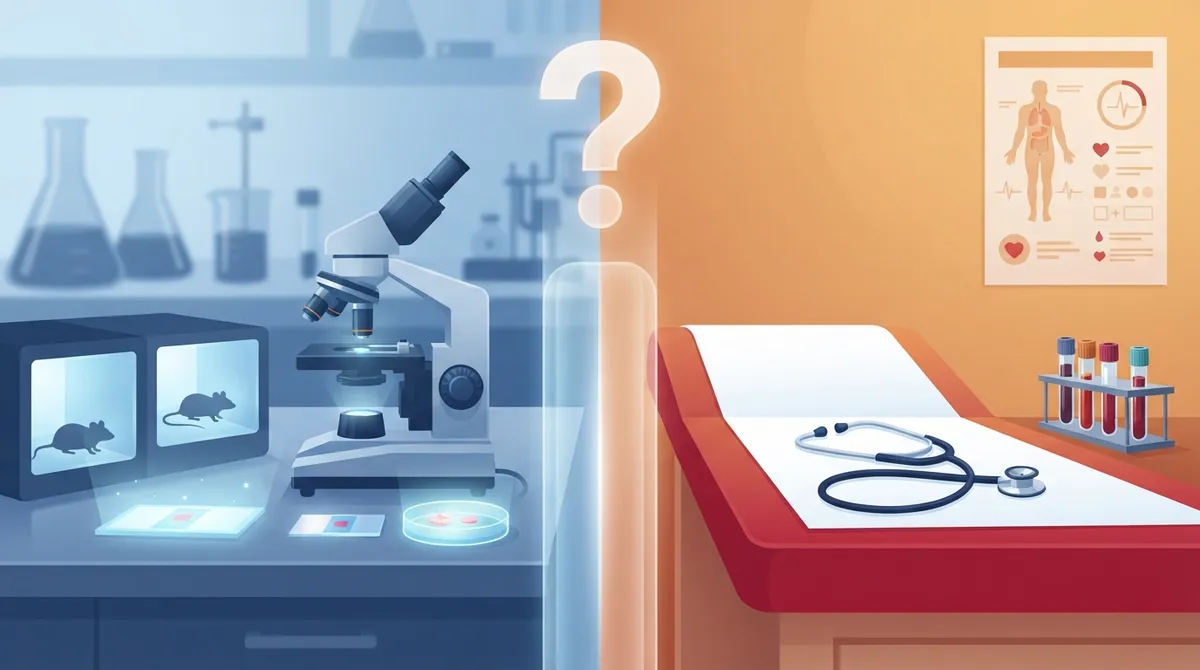
- KPV lacks human clinical trial evidence for gut healing claims—all studies are limited to mice and lab cells, so claims about fixing leaky gut or treating Crohn's disease are unproven marketing ahead of actual science.
- Products labeled 'research use only' have no safety oversight, making purity, sterility, and actual ingredients unpredictable; work with licensed medical providers instead of relying on unregulated online peptide products.
- Seek immediate medical evaluation for red-flag symptoms like rectal bleeding, persistent diarrhea, unexplained weight loss, or severe abdominal pain before trying experimental compounds like KPV.
- Proven GI health approaches already exist: get proper diagnosis through blood work, stool testing, and specialist referrals rather than treating undiagnosed symptoms with unproven peptides.
Search online for "KPV GI tract healing" and you will find bold claims. Some say this peptide fixes leaky gut. Others say it treats Crohn's disease or colitis. If your stomach has been giving you trouble, these claims can feel like hope. But before you spend money on KPV, you need the full picture. This guide breaks down what science actually shows, what remains unproven, and how to get real answers for your gut health at a trusted clinic like InCare.
What Is KPV and Why Do People Link It to Gut Health
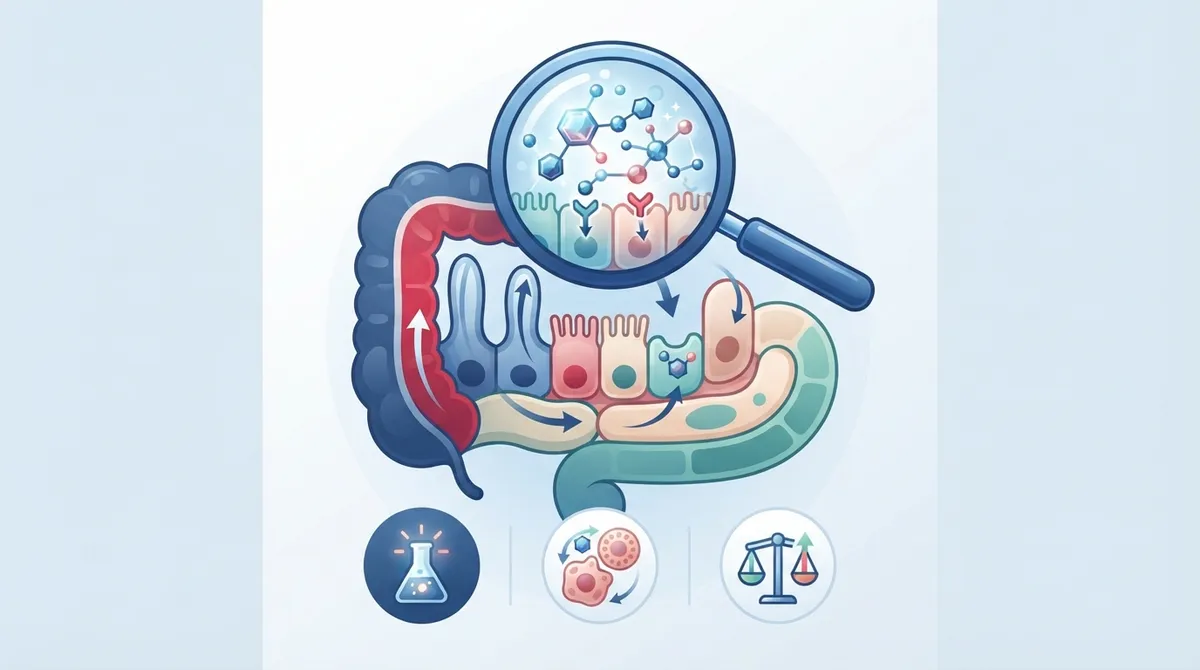
KPV is a small peptide made of three amino acids: lysine, proline, and valine. It comes from a piece of a larger hormone called alpha-melanocyte-stimulating hormone (α-MSH). Researchers first became interested in KPV because of its possible anti-inflammatory effects.
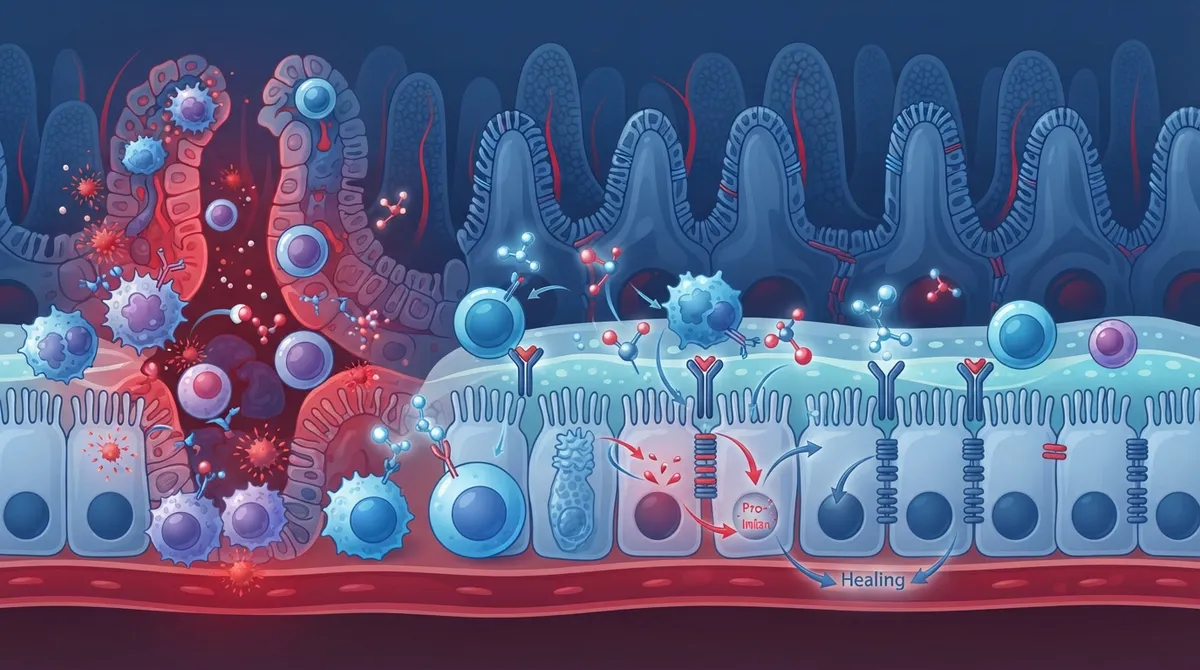
In lab studies, KPV appeared to calm inflammation inside intestinal cells. This happened by blocking a signaling pathway called NF-κB and lowering certain inflammatory proteins called cytokines. These early findings sparked interest in KPV as a possible tool for gut inflammation. However, cell studies and animal models are very different from human treatment.
The Real Science Behind KPV and Intestinal Inflammation
A widely cited 2008 study looked at how KPV affects the gut in mice. Researchers found that KPV could enter intestinal cells using a transporter called PepT1. In mice with chemically induced colitis (using substances called DSS and TNBS), KPV reduced signs of disease.
This sounds promising. But it is important to understand what this study did and did not show:
- It used mice, not humans.
- The colitis was caused by chemicals, not natural disease processes.
- Researchers measured disease scores and inflammation markers, not full healing of the gut lining.
- No human clinical trial has confirmed these results in real patients with IBD.
This is a common pattern in wellness and peptide research. A compound shows promise in a petri dish or a mouse model. Then marketing claims race ahead of the actual science. For a deeper look at how peptides move from lab research into your possible daily options, see our guide on what peptides are and how they work.
Does KPV Actually Heal the Gut Lining?
This is the most important question, and the honest answer is: we don't know yet. Claims that KPV "heals the gut lining" or "repairs leaky gut" go beyond what current research supports.
Here is what preclinical studies have actually measured:
- Levels of inflammatory markers in cells or animal tissue
- Disease activity scores in mice with induced colitis
- Signs of tissue injury under a microscope
- Whether KPV could be absorbed into intestinal cells
None of these studies confirm that KPV restores the intestinal barrier in humans. No controlled human trial has shown that KPV closes gaps in the gut lining or reverses mucosal damage. If a product or provider tells you otherwise, ask for the specific human study that proves it. Chances are, it does not exist yet.
KPV vs. Proven GI Treatments: A Quick Comparison
Understanding the difference between experimental compounds and approved treatments can help you make safer choices. Our team breaks this down further in KPV vs. traditional anti-inflammatories.
|
Factor |
KPV (Experimental Peptide) |
FDA-Approved GI Treatments |
|---|---|---|
|
Human clinical trials |
None completed for GI disease |
Multiple large trials completed |
|
FDA approval status |
Not approved for any GI condition |
Approved with defined indications |
|
Dosing guidelines |
No established human dosing |
Clear, tested dosing protocols |
|
Safety data |
Limited to lab and animal studies |
Long-term human safety monitoring |
|
Product quality control |
Varies widely; often "research use only" |
Regulated manufacturing standards |
Why "Research Use Only" Labels Should Concern You
Many KPV products sold online carry a "research use only" label. This label exists for a reason. It means the product has not gone through the testing required for human use. It does not mean the product is safe, pure, or effective.
Products labeled this way can vary widely in:
- Purity and concentration levels
- Sterility (important for injectable products)
- Actual ingredients versus what the label claims
- Manufacturing quality and consistency
Without oversight, you cannot know what you are actually putting in your body. This is one reason working with a licensed medical provider matters so much when exploring wellness options. Learn more about how our providers approach peptide safety in our peptide therapy provider guide.
Symptoms That Need Medical Attention, Not Just a Peptide
If you are dealing with gut symptoms, some signs mean you need a doctor right away. Do not try to treat these symptoms yourself with unproven compounds. Schedule a visit if you experience:
- Rectal bleeding or blood in your stool
- Diarrhea that will not go away
- Unexplained weight loss
- Signs of anemia, like fatigue or paleness
- Severe abdominal pain
- Fever along with digestive symptoms
- Symptoms that wake you up at night
These symptoms can point to serious conditions like inflammatory bowel disease, infections, or even cancer. A proper diagnosis matters more than any supplement. Our primary care team can run the right tests to find out what is actually happening in your gut.
What Actually Helps GI Health Right Now
While KPV research continues, you do not have to wait for answers about your gut health. Proven approaches already exist. A good primary care visit can include:
- Blood work to check for inflammation, anemia, and nutrient levels
- Stool testing to look for infection or hidden blood
- Referral to a gastroenterologist when needed
- Dietary guidance based on your specific symptoms
- Review of medications that might be affecting your gut
For patients dealing with ongoing digestive concerns, our article on why gut health affects more than digestion explains how your gut connects to whole-body wellness. We also offer IV hydration and vitamin therapy for patients who need extra support during recovery from GI illness.
Questions to Ask Before Trying Any Experimental Peptide
If you are considering KPV or any similar compound, bring these questions to your provider:
- Is there human clinical trial data for this specific use?
- What is the source and purity of this product?
- Are there known drug interactions with my current medications?
- What monitoring will happen while I use this?
- What are realistic expectations, based on actual evidence?
A trustworthy provider will answer these questions honestly. If a source cannot answer them, that is a red flag. This same approach applies to other trending peptides. Our guide on BPC-157 facts every wellness patient should know covers similar concerns for another popular but unproven compound.
Why Diagnosis Comes Before Any Treatment Plan
Gut symptoms can come from many different causes. IBS, IBD, celiac disease, food intolerances, infections, and stress can all cause similar symptoms. Treating symptoms without a diagnosis is like guessing at a lock without a key.
At InCare, our providers in Tampa and Riverview take a whole-body approach. We look at your full health picture before recommending any treatment path. This includes reviewing your history, running proper labs, and referring to specialists when your case calls for it. You can read what our patients say by visiting our InCare location on Google, where our 4.8-star rating reflects our commitment to honest, thorough care.
How InCare Approaches Emerging Wellness Compounds
Our providers stay current on peptide research, including compounds like KPV. We believe patients deserve honest information, not hype. When new compounds show early promise, we track the science carefully rather than rushing to offer unproven treatments.
This means we will tell you clearly when something is experimental. We will also offer you proven paths forward, whether that means further testing, dietary changes, or referral to a GI specialist. Our team of providers includes physicians who bring both medical expertise and genuine care to every visit.
You can also follow our latest health updates and patient education content on Facebook, Instagram, and TikTok, where we share evidence-based wellness tips.
Take the Next Step Toward Real Answers
Gut symptoms deserve real answers, not guesswork based on lab studies in mice. If you have been struggling with digestive issues and searching for solutions like KPV, start with a proper evaluation instead. Our providers in Tampa and Riverview can help you understand what is actually happening in your gut and build a treatment plan based on solid evidence.
Ready to get answers about your gut health? Book your appointment today and let our team guide you toward a plan built on real science, not internet trends.
FAQs
Q: What is KPV and how is it supposed to affect the gastrointestinal tract?
A: KPV is a tripeptide derived from alpha-MSH that has shown anti-inflammatory activity in lab and animal studies. It may reduce inflammatory signaling in intestinal cells, but this effect has not been confirmed in human clinical trials.
Q: Can KPV heal a leaky gut or repair the intestinal lining?
A: No validated human evidence supports this claim. Preclinical studies measured inflammation markers and disease scores in animals, not actual mucosal healing or barrier repair in people.
Q: Is there human clinical evidence that KPV treats Crohn's disease or ulcerative colitis?
A: No completed, well-controlled human trials currently demonstrate that KPV effectively treats Crohn's disease or ulcerative colitis. Research remains limited to cell and animal models.
Q: Is KPV FDA approved for gut health or gastrointestinal inflammation?
A: KPV is not an FDA-approved drug for any gastrointestinal condition. Products sold online are often labeled research use only, which does not indicate safety or effectiveness for human use.
Q: What should patients ask a clinician before using KPV for gut health?
A: Ask about available human clinical evidence, product purity and sourcing, potential drug interactions, and what monitoring will occur. A qualified provider should also confirm your diagnosis before discussing any experimental treatment.