
Key Takeaways
- Retatrutide is not FDA-approved and remains investigational with expected approval submission in early 2027, while Mounjaro is available now by prescription with an established safety record.
- Retatrutide targets three hormone receptors (GIP, GLP-1, glucagon) versus Mounjaro's two (GIP, GLP-1), but trial data comparing them comes from separate studies, not direct head-to-head testing, making comparisons preliminary.
- Trial data shows retatrutide achieved up to 28.3% weight loss at 80 weeks versus estimated 16.79% for tirzepatide, but indirect comparisons carry significant limits due to different patient populations and study designs.
- Compounded retatrutide sold outside clinical trials is unsafe and unverified for dosing accuracy, purity, and content; only FDA-approved medications or drugs in regulated clinical trials should be used.
- Before starting any GLP-1 or dual/triple agonist, primary care providers must screen for contraindications including medullary thyroid carcinoma history, pancreatitis, gallbladder disease, and interactions with insulin or other medications.
- Retatrutide is being studied for additional conditions beyond weight loss and diabetes including osteoarthritis, sleep apnea, cardiovascular disease, and liver disease, indicating its safety profile is still being established.
Weight loss drugs are all over the news right now. If you have searched for options, you may have seen two names come up again and again: retatrutide and Mounjaro. Both drugs come from the same maker, and both target similar hormones in your body. But they are not the same, and mixing them up could lead to costly or even risky decisions.
This guide breaks down the real differences between retatrutide and Mounjaro. You will learn which one is actually available today, what the research shows, and how a primary care team can help you choose the safest path forward. Whether you are managing type 2 diabetes, trying to lose weight, or just curious about the buzz, this article gives you clear, honest answers.
What Is Mounjaro and How Does It Work
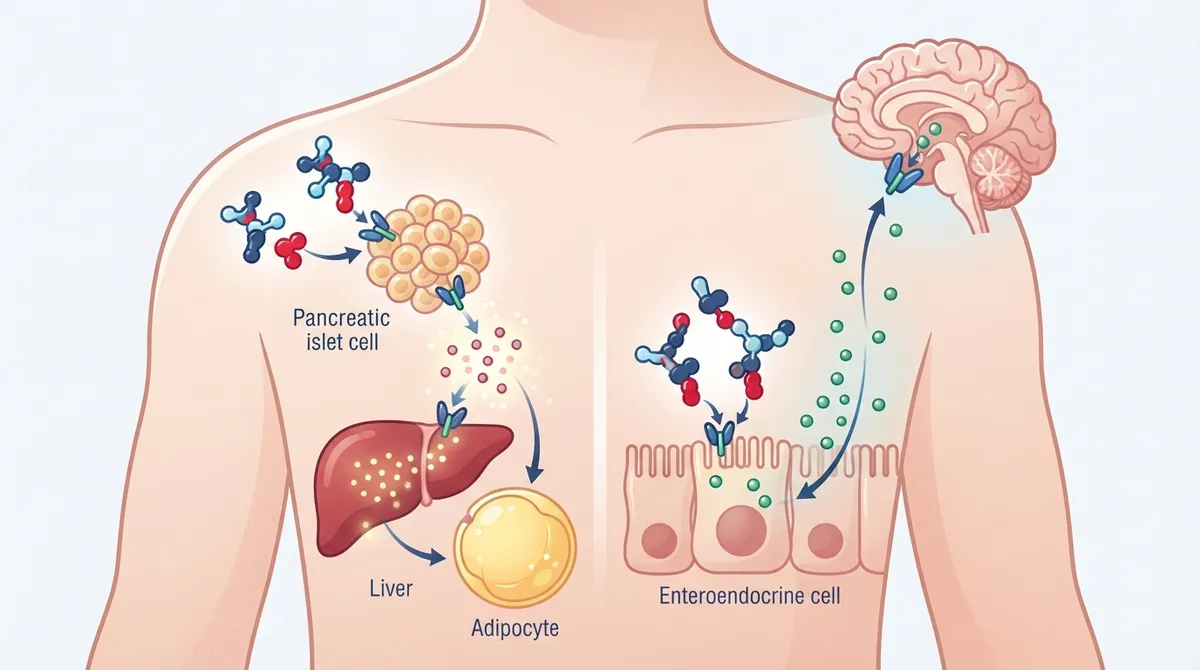
Mounjaro is the brand name for tirzepatide. It is a once-weekly injection approved by the FDA. Mounjaro helps adults and children age 10 and older manage type 2 diabetes. It works alongside diet and exercise to improve blood sugar control.
Tirzepatide acts on two hormone receptors: GIP and GLP-1. These hormones help control blood sugar, slow digestion, and reduce appetite. The same active ingredient, tirzepatide, is also sold under the brand name Zepbound for weight management in eligible adults. Mounjaro and Zepbound are the same drug, just approved for different uses.
Because Mounjaro has years of prescribing history, doctors know its safety profile well. This matters a lot when you are choosing a treatment for a long-term health condition.
What Is Retatrutide and Why Is It Different
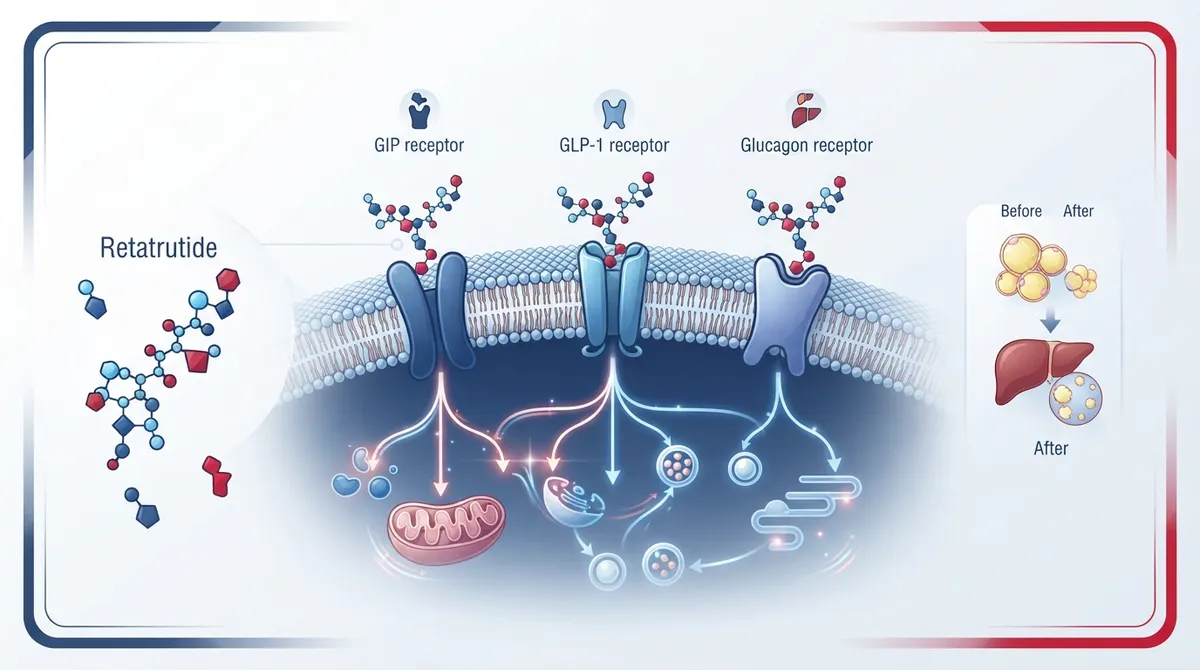
Retatrutide is often called a "triple agonist." That sounds complex, but the idea is simple. It targets three hormone receptors instead of two: GIP, GLP-1, and glucagon. This extra target may explain why early trial results look so strong.
Here is the key fact you need to know: retatrutide is not yet approved for prescription use. It remains an investigational drug. Reports indicate the maker plans to submit an application to the FDA in early 2027. Until that approval happens, retatrutide is not something a licensed clinic can prescribe for regular treatment outside of a clinical trial.
This is a critical difference. Mounjaro is real, tested, and available. Retatrutide is still being studied.
Retatrutide vs Mounjaro: Key Differences at a Glance
|
Factor |
Mounjaro (Tirzepatide) |
Retatrutide |
|---|---|---|
|
FDA Approval Status |
Approved for type 2 diabetes; tirzepatide also approved as Zepbound for weight loss |
Investigational; not yet approved |
|
Hormone Targets |
GIP and GLP-1 (dual agonist) |
GIP, GLP-1, and glucagon (triple agonist) |
|
Availability |
Available by prescription at licensed clinics |
Only available through clinical trials |
|
Administration |
Once-weekly subcutaneous injection |
Once-weekly subcutaneous injection (in trials) |
|
Common Side Effects |
Nausea, vomiting, diarrhea, constipation |
Similar GI effects reported in trials |
|
Reported Weight Loss (Trial Data) |
Varies by dose and trial |
Up to 28.3% at 80 weeks in TRIUMPH-1 (12 mg dose) |
What the Clinical Trial Data Actually Shows
It helps to look at the numbers behind the headlines. Here is what the research reports so far:
- TRIUMPH-1 (May 2026): Adults with obesity or overweight, without diabetes, lost up to 28.3% of body weight at 80 weeks using the 12 mg dose of retatrutide compared to placebo.
- TRIUMPH-2 (July 2026): In people with type 2 diabetes and obesity, average weight loss reached 12.7% at 4 mg, 19.1% at 9 mg, and 20.8% at 12 mg after 80 weeks. Blood sugar levels (A1C) dropped by about 1.6%.
- TRANSCEND-T2D-1: This trial reported that retatrutide met its main goals for both blood sugar control and weight loss at 40 weeks in adults with type 2 diabetes.
- Indirect Comparison (2025): One analysis estimated retatrutide could produce about 23.77% weight loss compared to 16.79% with tirzepatide. This was not a true head-to-head trial, so treat the numbers with caution.
Notice a pattern here? These are mostly company-reported results from separate trials. Retatrutide and Mounjaro have never been tested directly against each other in one large trial. That means the comparison numbers are estimates, not proven facts.
Why You Should Be Careful With Indirect Comparisons
It's tempting to see a chart showing bigger weight loss numbers and assume one drug wins. But indirect comparisons carry real limits.
- Different trials often use different types of patients.
- Study lengths and dosing schedules may not match.
- The way researchers measure results can vary from trial to trial.
- Placebo groups and comparison drugs are not always the same.
Until a large, direct trial compares retatrutide and tirzepatide side by side, no one can say for certain which drug truly works better. Your primary care provider can help you understand these limits and avoid confusion.
Is Compounded Retatrutide Safe to Use?
You may have seen ads or online offers for compounded retatrutide. This is a serious red flag. Since retatrutide is not FDA-approved, any product sold as "retatrutide" outside of an approved clinical trial cannot be verified for safety, purity, or dosing accuracy.
Compounded or counterfeit versions of investigational drugs carry real risks. You do not know what is actually in the vial. You do not know the correct dose. And you have no guarantee of quality control. A trusted clinic will never suggest using an unapproved drug outside a regulated trial setting.
Who Should Consider Mounjaro Today
Since Mounjaro is FDA-approved and available now, it remains the practical choice for many patients. You might be a good candidate if you:
- Have type 2 diabetes and need better blood sugar control.
- Are age 10 or older and meet clinical criteria for treatment.
- Have tried diet and exercise without reaching your goals.
- Want a treatment with an established safety record and dosing guide.
A visit to a primary care provider is the best first step. They can review your health history, check for contraindications, and decide if tirzepatide fits your treatment plan.
Important Safety Considerations for Incretin-Based Medicines
Before starting any GLP-1 or dual/triple agonist medicine, your doctor needs to review several safety factors. These include:
- Personal or family history of medullary thyroid carcinoma or MEN 2 syndrome.
- History of pancreatitis or ongoing symptoms like severe stomach pain.
- Gallbladder disease or a history of gallstones.
- Severe digestive conditions that could worsen with slowed digestion.
- Risk of dehydration, especially in patients with kidney concerns.
- Use of insulin or sulfonylureas, which raises the risk of low blood sugar when combined with these drugs.
- Other medications that may interact, especially oral drugs affected by slower stomach emptying.
This is why medical supervision matters so much. A qualified provider at a weight loss program can screen for these risks before starting treatment and monitor you throughout your care.
How Primary Care Providers Guide Medication Decisions
Choosing between an approved medicine and an investigational one is not just about numbers on a chart. Good decision-making depends on many factors working together:
- Your current diagnosis (diabetes, obesity, or both).
- Your personal and family medical history.
- Your cardiovascular risk factors.
- Your insurance coverage and budget.
- How well you tolerate injections and potential side effects.
- Your access to regular monitoring and follow-up visits.
This is where working with an experienced team makes a real difference. At InCare, providers combine lab testing, body composition analysis, and personal health goals to build a plan that fits your life, not a one-size-fits-all approach.
What to Expect During a Weight Management Consultation
If you are considering medication for weight loss or diabetes management, here is a general idea of what a visit involves:
- A full review of your medical history and current medications.
- Blood work to check kidney function, liver function, and blood sugar levels.
- A discussion of your weight loss goals and any past attempts.
- Body composition testing to track fat mass, muscle mass, and progress over time.
- A personalized plan that may include medication, nutrition guidance, and follow-up scheduling.
Clinics offering body composition analysis and metabolic breath analysis can give you a clearer picture of your metabolism before starting any treatment. This data helps your provider fine-tune your plan as you progress.
The Broader Retatrutide Research Program
Retatrutide is being studied for more than just weight loss and diabetes. Ongoing Phase 3 trials are looking at its effects on:
- Knee osteoarthritis pain
- Obstructive sleep apnea
- Cardiovascular disease outcomes
- Kidney (renal) health
- Chronic low back pain
- Metabolic dysfunction-associated steatotic liver disease (MASLD)
This wide research program shows real promise. But it also confirms that retatrutide's full safety and effectiveness picture is still being built. Patience and caution matter here.
Why Choose InCare for Weight Loss and Diabetes Care
Patients across Tampa and Riverview trust InCare for honest, evidence-based guidance on medications like tirzepatide. The clinic combines modern tools, including DNA testing and metabolic analysis, with hands-on medical expertise from providers who understand the full picture of your health.
InCare holds a strong reputation in the community, reflected in patient feedback you can Visit us on Google — InCare to read for yourself. Patients often mention the friendly staff and the attentive care from the clinic's physicians. You can also follow updates and patient stories on Facebook, Instagram, and Tik Tok.
For more background on how weight loss medications compare, you might also find it useful to read about whether tirzepatide is the right weight loss option for you or explore key facts about retatrutide every patient should know.
Making the Right Choice for Your Health
Retatrutide shows exciting early results. But it is not yet approved, and using it outside a real clinical trial is not safe. Mounjaro, on the other hand, is tested, approved, and available now for people who qualify.
The smartest move is to talk with a licensed provider who understands both the science and your personal health history. Skipping this step to chase an unapproved product could put your health at risk.
Ready to find out which weight loss or diabetes treatment fits your needs? Reach out to our care team today or schedule your visit online now to start your personalized health plan with a team that puts your safety first.
FAQs
Q: What is the difference between retatrutide and Mounjaro?
A: Mounjaro contains tirzepatide, an FDA-approved dual GIP/GLP-1 agonist used for type 2 diabetes. Retatrutide is an investigational triple agonist that also targets glucagon receptors, but it is not yet approved for prescription use.
Q: Is retatrutide more effective for weight loss than tirzepatide?
A: Some trial reports suggest greater weight loss with retatrutide, including up to 28.3% at 80 weeks in one study. However, these results come from separate trials, not a direct head-to-head comparison, so the difference should be viewed as preliminary.
Q: Is retatrutide FDA approved or available by prescription?
A: No, retatrutide is not yet FDA approved. It remains investigational, and the manufacturer has reportedly planned to submit an approval application in early 2027.
Q: Is compounded retatrutide safe and legal to use?
A: Compounded retatrutide is not a safe or verified option since the drug has no FDA approval yet. Products sold outside regulated clinical trials cannot guarantee accurate dosing or purity, so patients should avoid them.
Q: How should I decide between waiting for retatrutide or starting Mounjaro now?
A: The best approach is to discuss your health goals and risk factors with a primary care provider. Mounjaro offers established safety data and is available today, while retatrutide remains under study and is not yet ready for routine use.