Key Takeaways
- Men should compare Tampa clinics using a consistent checklist: clinician credentials, scope of services, appointment access, insurance and self-pay pricing, lab and referral access, privacy practices, and follow-up plan.
- A good men's health clinic follows USPSTF guidelines rather than selling one-size-fits-all packages, with colorectal screening generally for ages 45 to 75 and prostate PSA decisions individualized for ages 55 to 69.
- Men with fatigue, low libido, or low energy should expect a full evaluation, since symptoms can stem from sleep apnea, thyroid problems, diabetes, depression, or low testosterone.
- Before starting testosterone therapy, ask how the diagnosis is confirmed, how risks and monitoring are handled, and how treatment affects fertility, since it can reduce sperm production.
- Avoid clinics that promise guaranteed results, pressure you to buy packages before an exam, or refuse to explain costs or follow-up monitoring.
- Men who have no regular doctor should start with a baseline wellness visit, and should confirm all clinic details like hours, services, and insurance directly because they can change.
Men are less likely than women to see a doctor on a regular basis. Many wait until a small problem becomes a big one. If you have typed "recommend best mens health clinic near me tampa" into a search bar, you are already taking a smart first step. The harder part is sorting through the options and finding care that fits your life, your goals, and your budget.
Tampa has many choices. Some are hospital-affiliated practices. Some are primary care offices. Others focus narrowly on hormones or sexual health. The "best" clinic is not the one with the loudest ads. It is the one with qualified clinicians, evidence-based care, clear pricing, and a plan for follow-up.
This guide gives you a simple, step-by-step way to compare clinics. You will learn what a men's health visit should include, which screenings matter at each age, and which questions to ask before you book. Whether you are a busy professional, a new dad, or a young adult building healthy habits, you will leave with a clear checklist.

What a Men's Health Clinic Should Actually Do
A strong men's health clinic does more than treat problems after they appear. It helps you prevent them. Good care covers the whole body, not just one concern.
Most men's health needs fall into a few groups:
- Preventive care: annual physicals, blood pressure checks, cholesterol and diabetes screening, and vaccines.
- Cancer screening: colorectal and prostate screening based on your age and risk.
- Sexual and hormonal health: evaluation of low energy, low libido, erectile dysfunction, and testosterone levels.
- Mental health: screening for stress, depression, anxiety, and sleep problems.
- Weight and metabolic health: body composition, nutrition, and weight management.
A primary care clinician can coordinate all of these in one place. This matters because symptoms often overlap. Fatigue, for example, may come from sleep apnea, thyroid problems, low testosterone, diabetes, or depression. A clinician who sees the full picture is more likely to find the true cause. You can read more about this approach in our guide to comprehensive primary care.

Step 1: Decide What Type of Care You Need
Before you compare clinics, decide what you are really looking for. Tampa men's health options generally fall into three categories.
Primary Care With Men's Health Services
These practices offer ongoing care for the whole person. You get physicals, chronic condition management, screenings, and referrals. They can also evaluate sexual health and testosterone concerns as part of a broader plan. This is the best fit for most men.
Hospital-Affiliated Men's Health Programs
Hospital systems in Tampa list men's health services that connect primary care with specialists such as urology, cardiology, and gastroenterology. These can be helpful if you expect to need specialist care. For example, AdventHealth lists men's health care at locations on East Fletcher Avenue and North Dale Mabry Highway. Always call to confirm current services and insurance participation.
Focused Hormone or Sexual Health Clinics
Some clinics focus on testosterone or erectile dysfunction. These can be useful for a specific concern. However, a narrow clinic may not replace comprehensive primary care. If you choose one, make sure you also have a primary care doctor who knows your full health history.
Step 2: Use a Comparison Checklist
Online reviews and marketing claims do not prove clinical quality. A better approach is to compare clinics on the same factors. Use the table below as a starting point.
|
What to Check |
Why It Matters |
What to Ask |
|---|---|---|
|
Clinician credentials |
Confirms training and licensure |
Are your doctors licensed and board certified? |
|
Scope of services |
Shows if care is coordinated |
Do you offer physicals, labs, screenings, and referrals? |
|
Appointment access |
Affects how often you will go |
How soon can I be seen? Do you offer same-day or virtual visits? |
|
Insurance and pricing |
Prevents surprise bills |
Do you accept my plan? What is the self-pay price? |
|
Labs and referrals |
Speeds up diagnosis |
Where are labs done? Who do you refer to? |
|
Privacy practices |
Protects sensitive information |
How do you protect my health records? |
|
Follow-up plan |
Keeps treatment safe |
How is care monitored after my visit? |
Compare at least three clinics using this list. Call each one. The way a clinic answers basic questions often tells you a lot about the care you will receive.
Step 3: Know Which Screenings You Need
A good clinic follows national guidelines rather than selling a one-size-fits-all package. The U.S. Preventive Services Task Force (USPSTF) publishes recommendations that doctors use to guide preventive care. You can review them on the USPSTF website. Key recommendations for men include the following.
- Colorectal cancer screening: The USPSTF recommends screening for average-risk adults ages 45 to 75. For ages 76 to 85, the decision depends on your health and screening history.
- Prostate cancer screening: For men ages 55 to 69, the USPSTF recommends an individual decision about PSA testing after talking with your doctor about benefits and harms. It recommends against routine PSA screening for men 70 and older.
- Abdominal aortic aneurysm screening: The USPSTF recommends a one-time ultrasound for men ages 65 to 75 who have ever smoked.
Your own family history may change this timeline. If a close relative had prostate or colon cancer, ask your doctor whether you should start earlier. Our article on what men should know about prostate exams explains what to expect, and our cancer screening page outlines available options.
Step 4: Understand What a Good Visit Includes
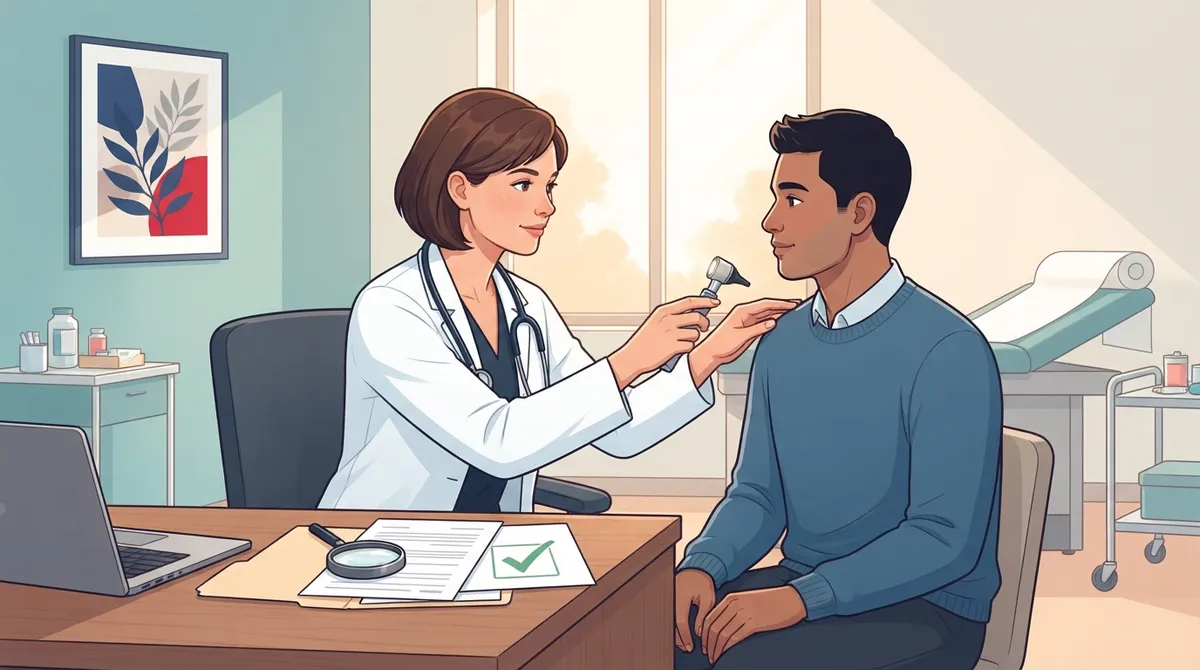
A quality men's health visit is thorough and unhurried. Here is what you should expect.
- A full review of your medical, family, and lifestyle history.
- Blood pressure, heart rate, weight, and body mass index checks.
- Lab work such as cholesterol, blood sugar, and kidney and liver function.
- Screening for mood, stress, and sleep problems.
- A frank talk about sexual health, energy, and libido.
- Vaccine review and an age-appropriate screening plan.
If a clinic jumps straight to a product or treatment without a proper history and exam, that is a warning sign. Our guide on what happens during an annual physical exam shows what a complete visit looks like.
Step 5: Be Careful With Testosterone Therapy
Low energy, low drive, and poor sleep are common reasons men search for a men's health clinic. These symptoms can have many causes. Testosterone therapy should follow a clinical evaluation, not a single commercial test or a symptom checklist alone.
Before starting treatment, ask these questions:
- How do you confirm a low testosterone diagnosis?
- Do you check for other causes such as sleep apnea, diabetes, or medication effects?
- How do you discuss benefits and risks?
- How do you monitor treatment over time?
- How does treatment affect fertility? Testosterone therapy can reduce sperm production, so this matters if you plan to have children.
A responsible clinic welcomes these questions. If you want to learn more, read about what testosterone replacement therapy involves and TRT for men over 40.
Step 6: Match the Clinic to Your Lifestyle
The best clinic for you depends on how you live. Think about these common situations.
Busy Professionals and Young Families
If your schedule is packed, look for virtual visits, extended access, and a single location that handles labs and screenings. Fewer trips means you are more likely to keep up with care.
Men Focused on Performance and Prevention
If you want to go beyond basics, look for clinics that offer advanced tools. These can include DNA gene testing, body composition analysis, and metabolic breath analysis. These tools help guide a personal plan instead of guesswork.
Younger Adults Starting Out
If you are in your twenties and have never had a regular doctor, start with a basic wellness visit. Build a baseline now so changes are easier to spot later.
Why InCare Is a Strong Choice for Men in Tampa
InCare is a personalized primary care and wellness clinic that combines modern technology with medical expertise. The practice serves patients in Tampa and Riverview, with virtual visits also available. Men can receive preventive care, cancer screening, weight management, and hormone-related evaluation under one roof, supported by a care team that knows your history.
Patients value the friendly staff and the time providers spend explaining options. InCare holds a 4.8 out of 5 rating on Google, and you can read InCare reviews on Google to see patient experiences for yourself. You can also meet the care team on our providers page and view our locations.
For men who want one trusted home for care, our primary care services are a natural starting point. If you want to understand what sets a dedicated program apart, see what sets a men's health clinic in Tampa Bay apart. We also share wellness updates on Instagram and Facebook, and short health tips on TikTok.
Red Flags to Watch For
Not every clinic puts patients first. Be cautious if you see any of the following.
- Promises of guaranteed results or "miracle" fixes.
- Pressure to buy a package before an exam or lab work.
- No clear pricing or unwillingness to explain costs.
- No plan for monitoring or follow-up visits.
- Vague answers about clinician training or licensure.
Remember that provider-reported addresses, hours, and services can change. Always confirm details directly with the clinic before you visit.
Your Next Step Toward Better Health
Choosing a men's health clinic does not need to be complicated. Decide what type of care you need, compare clinics with a clear checklist, and look for a team that treats the whole person. Prevention is far easier, and often far less costly, than treating advanced problems.
If you are in Tampa or Riverview and ready to take control of your health, book your appointment with InCare today. Prefer to ask a question first? Contact our team and we will help you find the right next step.
FAQs
Q: What is the best men's health clinic near me in Tampa?
A: The best clinic depends on your needs, location, insurance, and goals. Look for licensed and board-certified clinicians, a full scope of preventive services, clear pricing, and a solid follow-up plan. InCare offers coordinated primary care and wellness services in Tampa and Riverview.
Q: When should men start prostate and colorectal cancer screening?
A: The USPSTF recommends colorectal screening for average-risk adults ages 45 to 75. For prostate cancer, men ages 55 to 69 should make an individual decision about PSA testing after discussing benefits and harms with their doctor. Family history may change the timing, so ask your clinician.
Q: What should a men's health visit include?
A: A complete visit includes a medical and family history review, blood pressure and weight checks, lab work, and screening for mood and sleep. It should also include an open talk about sexual health and a personalized screening plan based on your age and risk.
Q: How do I choose a safe testosterone therapy provider in Tampa?
A: Choose a provider who confirms a diagnosis through a clinical evaluation, not a single test or symptom list. Ask how they discuss risks, monitor treatment, and consider fertility goals, since testosterone therapy can reduce sperm production.
Q: Can I get a men's health checkup in Tampa without insurance?
A: Many clinics offer self-pay options, but pricing varies. Ask for transparent costs for the visit and any lab work before you book. Confirm what is included so there are no surprise bills.