
Key Takeaways
- Only three peptide medications are FDA-approved for chronic weight management: liraglutide, semaglutide, and tirzepatide. Tirzepatide's dual-action mechanism often produces stronger results than single-action GLP-1 drugs.
- The FDA issued over 50 warning letters in 2025 to companies falsely marketing compounded GLP-1 products as equivalent to FDA-approved medications. Compounded peptides lack the same safety oversight and testing as prescription versions.
- Peptide treatments require BMI of 30+ or 27+ with weight-related conditions, and should always be combined with reduced-calorie diet, physical activity, and regular medical monitoring—medication alone is insufficient.
- Licensed providers must conduct blood work, review medical history, start at low doses with gradual increases, and schedule follow-up visits to monitor side effects like nausea, dehydration, and gallbladder issues.
Peptide treatments have moved from niche medical circles into everyday conversations about weight loss, diabetes, and healthy aging. But not all peptides are created equal, and knowing the difference can protect your health and your wallet. Whether you are a busy parent trying to manage weight after having kids, or a wellness seeker exploring options beyond your annual physical, understanding how peptide treatments actually work matters more than ever.
In primary care, the term "peptide treatments" usually refers to prescription medicines like GLP-1 receptor agonists and the newer dual-action drug tirzepatide. These medications treat type 2 diabetes and support long-term weight management. The term can also describe compounded or investigational peptides sold online, which carry very different levels of safety oversight. This guide breaks down what you need to know before starting any peptide treatment, so you can make an informed choice with your doctor.

What Are Peptide Treatments in Primary Care?
Peptides are small chains of amino acids that act like messengers in your body. Some peptide-based medicines are FDA-approved and backed by large clinical trials. Others are compounded or marketed as "research chemicals" without the same level of testing. In a primary care setting, peptide treatments most often refer to the first group: proven medications used to manage weight, blood sugar, and related health conditions.
The team at InCare's weight loss program uses this evidence-based approach, combining approved medications with nutrition guidance and regular monitoring. This is different from buying a peptide online without medical supervision.
Common Types of Peptide Medications
- Liraglutide – an early GLP-1 medication used for both diabetes and weight loss
- Semaglutide – marketed as Wegovy for weight management
- Tirzepatide – marketed as Zepbound for weight loss and Mounjaro for type 2 diabetes
These three medications are the only peptide-based options currently FDA-approved specifically for chronic weight management, according to a 2025 clinical review published on PubMed Central. Semaglutide received approval for weight management in 2021. Tirzepatide followed, gaining approval for diabetes in 2022 and weight management in 2023.
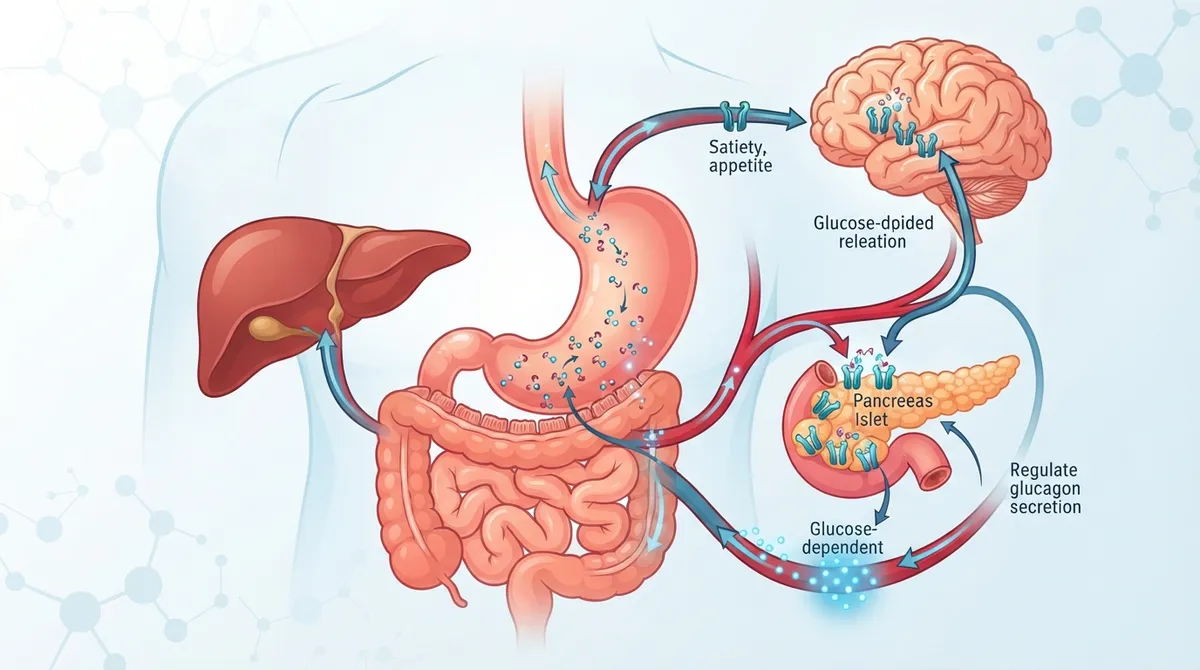
How Do GLP-1 Peptide Treatments Work?
GLP-1 medications mimic a natural gut hormone. This hormone tells your pancreas to release insulin when blood sugar rises. It also slows down how fast food leaves your stomach, which helps you feel full longer.
Tirzepatide goes a step further. It acts on two hormone receptors instead of one: GIP and GLP-1. This dual action is why many patients see stronger results with tirzepatide compared to single-action medications.
Step-by-Step: What Happens During Treatment
- Your provider reviews your medical history, current medications, and weight-related health conditions.
- Blood work checks kidney function, liver health, and blood sugar levels.
- Your provider determines if you meet the criteria: a BMI of 30 or higher, or 27 or higher with a condition like high blood pressure or diabetes.
- Treatment starts at a low dose and increases slowly to reduce side effects.
- Follow-up visits track your weight, side effects, and overall health progress.
- Your plan adjusts based on how your body responds, alongside diet and activity changes.
This step-by-step process is why working with a licensed clinic matters. The providers at InCare's primary care team guide patients through each stage safely, rather than leaving you to figure out dosing on your own.
Who Qualifies for Peptide Weight Loss Treatments?
According to the FDA's approval guidelines, these medications are meant for adults with:
- A BMI of 30 or greater (classified as obesity)
- A BMI of 27 or greater, plus a weight-related condition such as type 2 diabetes, high blood pressure, or high cholesterol
These medicines are not meant to replace healthy habits. The FDA's approval announcement for Zepbound specifically states the drug should be used alongside a reduced-calorie diet and increased physical activity. This is why a comprehensive approach, like the one used in body composition tracking at InCare, works better than medication alone.
Approved Peptides vs. Compounded and Unregulated Peptides
This is one of the most important distinctions to understand. Not every peptide sold today has gone through the same safety review.
|
Feature |
FDA-Approved Peptides |
Compounded or Unregulated Peptides |
|---|---|---|
|
Safety Testing |
Reviewed by the FDA through clinical trials |
Not evaluated by the FDA for safety or effectiveness |
|
Manufacturing Oversight |
Standardized quality control |
Varies by pharmacy or supplier |
|
Common Examples |
Semaglutide, Tirzepatide, Liraglutide |
Research peptides marketed for anti-aging or muscle gain |
|
Prescribing |
Requires a licensed provider |
Sometimes sold without medical oversight |
|
Legal Status for Marketing Claims |
Approved for specific, tested uses |
Often marketed for unapproved uses |
In September 2025, the FDA issued more than 50 warning letters to companies selling compounded GLP-1 products, according to legal analysis from Wilson Sonsini's regulatory review. Many of these letters addressed false claims that compounded versions were generic equivalents of approved drugs. They are not automatically the same product, even if the label looks similar.
Peptides Marketed for Anti-Aging or Muscle Gain
Many peptides sold online promise faster muscle growth, smoother skin, or better sleep. Some of these have very limited human research behind them. Others remain investigational, meaning they have not completed the testing needed for approval. If you are exploring these options, ask your provider about current evidence before starting anything. Learn more in InCare's guide on peptide therapy for anti-aging.
Common Side Effects of Peptide Treatments
Peptide medications are generally well tolerated, but side effects do happen. Being prepared helps you manage them better.
- Nausea, especially when starting or increasing your dose
- Vomiting or diarrhea
- Constipation
- Reduced appetite
- Stomach pain or discomfort
Your provider should also watch for signs of dehydration, gallbladder issues, and pancreatitis symptoms. Regular check-ins help catch problems early. This is one reason InCare emphasizes ongoing monitoring rather than a one-time prescription. You can review patient experiences and visit us on Google — InCare to see what current patients say about their treatment journey.
How to Choose the Right Peptide Treatment Provider
Not every clinic offering peptide treatments follows the same safety standards. Here is what to look for before starting treatment.
- Confirm the provider is a licensed medical professional, not just a wellness coach.
- Ask which specific peptide is being prescribed and whether it is FDA-approved for your condition.
- Request information about the pharmacy source and quality verification.
- Make sure lab work and health history review happen before your first dose.
- Check that follow-up visits are part of the plan, not just a single appointment.
- Ask how side effects will be monitored and managed over time.
The physicians at InCare walk patients through each of these steps, whether you visit the Tampa or Riverview location. This kind of thorough process is part of why InCare holds a 4.8 out of 5 rating from hundreds of patient reviews.
Peptide Treatments Beyond Weight Loss
While weight management gets the most attention, peptide-based medicines also play a role in managing type 2 diabetes and reducing cardiometabolic risk. Patients managing multiple conditions often benefit from a coordinated care plan that looks at the whole picture, not just one number on a scale. Learn more about how primary doctors help manage chronic illnesses alongside peptide therapy.
Questions to Ask Before Starting Peptide Therapy
Before your first appointment, prepare a short list of questions:
- Is this peptide FDA-approved for my specific health condition?
- What results can I realistically expect, and by when?
- How will you monitor for side effects during treatment?
- What happens if I need to stop or adjust my dose?
- How does this fit with my other medications and health history?
A trustworthy provider will welcome these questions and answer them clearly. If you feel rushed or unsure, it may be worth seeking a second opinion.
Making Peptide Treatments Part of a Bigger Health Plan
Peptide medications work best as one piece of a larger wellness strategy. Nutrition, physical activity, sleep, and stress management all affect how well these treatments perform. Many patients pair peptide therapy with services like DNA gene testing or IV hydration therapy to support their overall health goals. This whole-body approach reflects how modern primary care should work: personalized, proactive, and closely monitored.
Families juggling busy schedules often find it easier to manage weight loss goals when they have one trusted clinic handling primary care, screenings, and wellness services together. This reduces the number of appointments and keeps your health record in one place.
FAQs
Q: What are peptide treatments used for in primary care?
A: In primary care, peptide treatments most often refer to GLP-1 medications used for type 2 diabetes and chronic weight management. These prescription medicines help control blood sugar, reduce appetite, and support long-term weight loss when combined with lifestyle changes.
Q: Are semaglutide and tirzepatide peptide treatments?
A: Yes, both are peptide-based medications. Semaglutide is marketed as Wegovy for weight management, while tirzepatide is marketed as Zepbound for weight loss and Mounjaro for type 2 diabetes. Both require a prescription and medical supervision.
Q: Which peptide medications are FDA approved for weight loss?
A: Liraglutide, semaglutide, and tirzepatide are the three peptide-based medications currently FDA-approved for chronic weight management. Each requires a BMI of 30 or higher, or 27 or higher with a related health condition like high blood pressure or diabetes.
Q: Are compounded semaglutide and tirzepatide safe?
A: Compounded versions are not evaluated by the FDA in the same way as approved drugs, which means quality and safety can vary. In 2025, the FDA issued over 50 warning letters to companies making false claims about compounded GLP-1 products being equivalent to approved medications.
Q: How should a primary-care clinician monitor a patient taking a peptide medication?
A: Monitoring should include regular check-ins for side effects like nausea or dehydration, blood work to track kidney and liver function, and ongoing review of weight, blood sugar, and overall progress. Adjustments to dosing should happen gradually and under medical guidance.