Key Takeaways
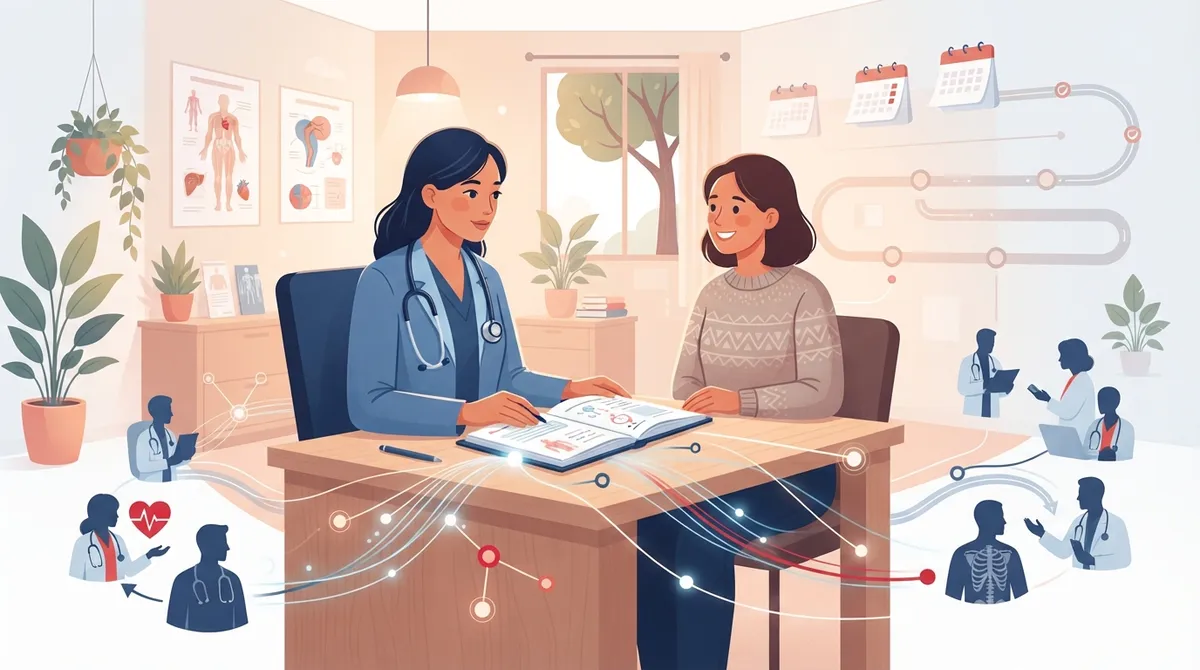
- Telehealth weight loss visits offer convenience for busy Riverview residents—you can consult a doctor from home via secure video without waiting rooms, lab orders, or taking time off work.
- Florida requires all telehealth providers to hold valid medical licenses and meet the same care standards as in-person visits, including identity verification, informed consent, and secure health information documentation.
- You may qualify for prescription weight loss medications like semaglutide or tirzepatide if your BMI is 30+ or 27+ with weight-related conditions; doctors must review medical history, current medications, allergies, and kidney/liver function before prescribing.
- A comprehensive weight loss program should address whole-body health by screening for and treating conditions linked to excess weight, such as type 2 diabetes, high blood pressure, sleep apnea, and mental health issues.
- Before choosing a telehealth provider, verify Florida licensure, confirm insurance coverage and prior authorization requirements, understand total program costs including follow-ups, and clarify side effect support and appointment frequency.
- GLP-1 medications work best combined with nutrition counseling, physical activity guidance, and mental health support; long-term success requires ongoing check-ins and plan adjustments rather than a one-time prescription.
Finding time for a doctor's visit is hard when you work full-time or care for a family. That's why more Riverview residents are turning to a telehealth weight loss doctor Riverview patients can reach from home. Video visits let you get medical advice, lab orders, and prescription support without sitting in a waiting room. This guide explains how telehealth weight loss care works, who qualifies, and what to check before you sign up.
Florida's obesity rate stood at 26.6% in 2024, according to CDC data. No state reported a rate below 25% that year. These numbers show why medical support for weight management matters so much right now. A qualified weight loss program should treat your whole health, not just the number on the scale.
What Is a Telehealth Weight Loss Doctor Riverview Patients Can Trust
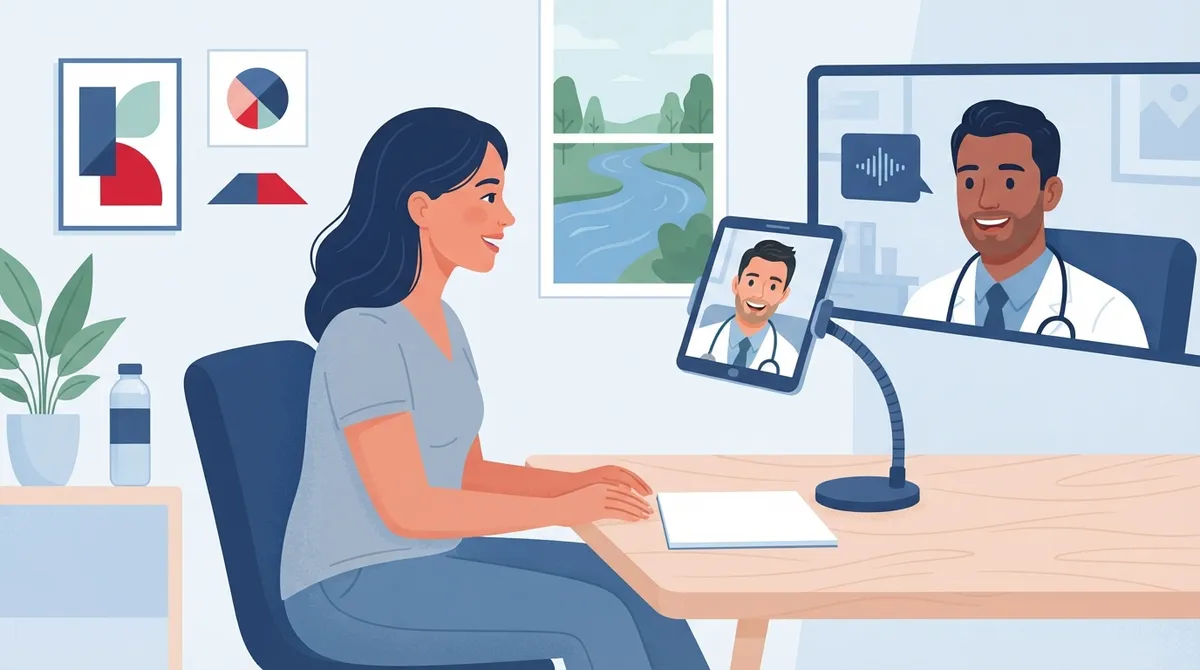
A telehealth weight loss doctor meets with you through secure video calls instead of in-person visits. During these calls, the provider reviews your health history, current medications, and weight loss goals. They can order blood work, explain results, and build a plan that fits your life.
This approach works well for busy professionals, parents, and anyone who wants flexible care. You can talk to a provider on your lunch break or after the kids go to bed. Many patients also use telehealth to check in for follow-up visits after starting a treatment plan.
How the Telehealth Process Works Step by Step
Understanding the process helps you know what to expect. Most Riverview-area telehealth weight loss programs follow these steps:
- You complete an online intake form with your medical history, current medications, and weight loss goals.
- A licensed provider reviews your information and schedules a video visit.
- During the video call, the doctor asks about your health, checks for red flags, and discusses treatment options.
- If needed, the provider orders lab work at a local facility such as Quest Diagnostics or Labcorp.
- You return for a follow-up visit to review lab results and finalize your treatment plan.
- The provider schedules regular check-ins to monitor progress and adjust your plan as needed.
This process mirrors in-person care in almost every way. The main difference is convenience. You skip the drive, the waiting room, and the need to take time off work for every visit.
Florida Rules for Telehealth Weight Loss Care
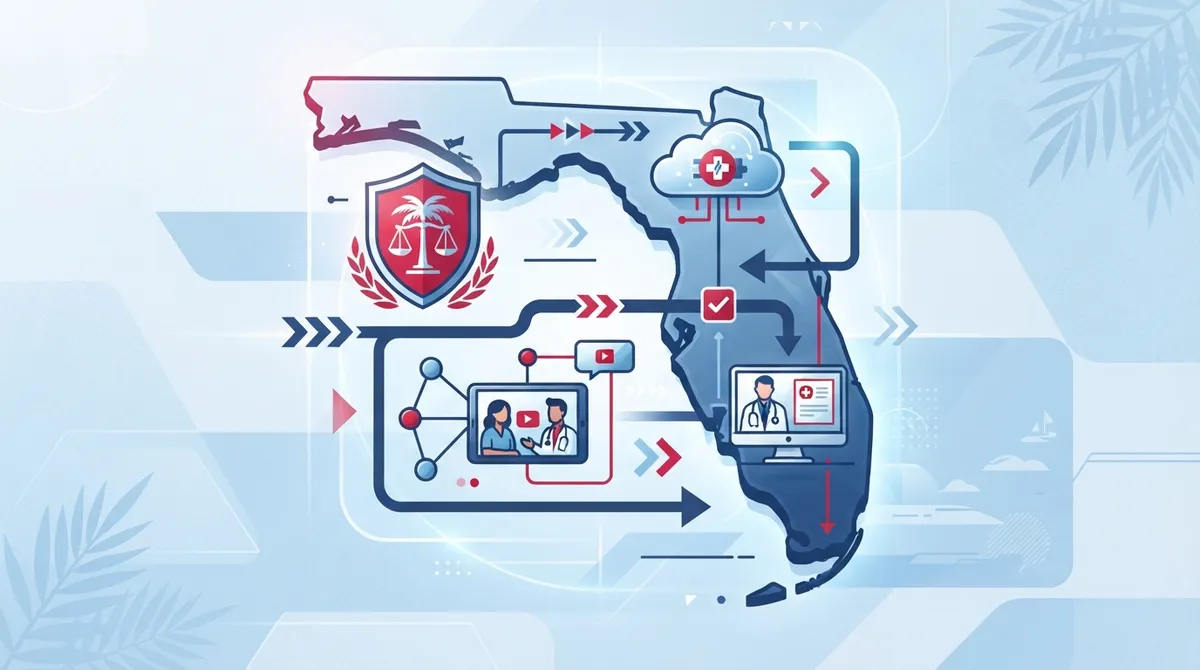
Florida has clear rules for telehealth medicine. Any doctor treating a patient in Riverview must hold a valid Florida medical license. This protects you as a patient and ensures your provider understands state health laws.
Beyond licensing, telehealth visits must meet the same standard of care as in-person appointments. This means the provider should:
- Verify your identity before starting treatment
- Get your informed consent for any medication or procedure
- Keep your health information private and secure
- Document your visit just as they would for an in-office appointment
- Arrange in-person care when your condition requires a physical exam
A trustworthy telehealth weight loss doctor Riverview patients choose should be upfront about these standards. If a service skips medical history review or does not verify your identity, that's a warning sign.
Who Qualifies for Prescription Weight Loss Medication
Not everyone needs medication to lose weight safely. The FDA has set clear guidelines for who might benefit from prescription options. You may qualify if:
- Your BMI is 30 or higher (this meets the clinical definition of obesity)
- Your BMI is 27 or higher and you have a weight-related health condition, such as high blood pressure, type 2 diabetes, or high cholesterol
Medications like semaglutide and tirzepatide belong to a drug class called GLP-1 receptor agonists. These drugs can help control appetite and support weight loss when combined with healthy eating and regular activity. They are not a magic fix. Your doctor should always pair medication with lifestyle counseling and ongoing support.
What Your Doctor Checks Before Prescribing
Before writing any prescription, a responsible provider reviews several factors:
|
Review Area |
Why It Matters |
|---|---|
|
Personal and family medical history |
Some conditions, like a family history of certain thyroid cancers, may rule out GLP-1 medications |
|
Current medications |
Helps avoid harmful drug interactions |
|
Allergies |
Prevents allergic reactions to medication ingredients |
|
Pregnancy status |
Certain weight loss medications are not safe during pregnancy |
|
Kidney and liver function |
These organs process medication and need to work properly |
|
Recent lab results |
Shows current blood sugar, cholesterol, and organ function |
This careful review protects your safety. It also helps your doctor pick the treatment plan most likely to work for your body.
Managing Side Effects and Health Risks
GLP-1 medications can cause stomach-related side effects. Nausea, constipation, and diarrhea are common, especially when starting treatment or increasing your dose. Most side effects fade over time as your body adjusts.
Less common but more serious complications can occur. Your telehealth provider should explain warning signs to watch for and schedule regular follow-ups to monitor your progress. If you ever feel something is wrong, you should have a clear way to reach your care team quickly.
Beyond the Scale: Treating the Whole Person
Weight often connects to other health issues. A strong primary care approach looks at the full picture, not just body weight. Conditions commonly linked to excess weight include:
- Type 2 diabetes and prediabetes
- High blood pressure
- High cholesterol
- Sleep apnea
- Fatty liver disease
- Anxiety and depression
A skilled telehealth weight loss doctor Riverview patients trust will screen for these conditions and treat them alongside your weight loss goals. This whole-body approach leads to better long-term results than focusing on weight alone. Learn more about what makes medical weight loss different from dieting and why professional guidance matters.
When In-Person Visits Are Still Needed
Telehealth does not replace every in-person need. You may still need to visit a lab or clinic for:
- Blood tests at Quest Diagnostics or Labcorp
- Blood pressure and weight checks
- Physical exams when your provider needs to check something directly
- Specialist referrals for conditions telehealth alone cannot manage
A good telehealth program blends virtual convenience with local support. This combination gives you the best of both worlds: easy access and thorough medical care.
Questions to Ask Before Choosing a Provider
Not all telehealth weight loss services offer the same quality of care. Before committing to a program, ask these questions:
- Is the doctor licensed to practice medicine in Florida?
- Does the practice accept my insurance, and are weight loss visits covered?
- Is prior authorization required for medication?
- Where do compounded medications come from, and are they tested for quality?
- What is included in the program cost? Does it cover follow-up visits and lab work?
- How often will I have follow-up appointments?
- What happens if I have side effects or questions between visits?
Getting clear answers to these questions helps you avoid surprise costs and ensures you receive proper medical oversight throughout your weight loss journey.
Insurance and Cost Considerations
Insurance coverage for weight loss treatment varies widely. Some plans cover visits and medication, while others do not. Before starting treatment, check with your insurance company about:
- Whether telehealth visits are covered the same as in-person visits
- If weight loss medications require prior authorization
- What your copay or coinsurance will be for visits and prescriptions
- Whether lab testing is included in your coverage
If your insurance does not cover weight loss treatment, ask your provider about self-pay pricing. Many clinics offer transparent pricing so you know the full cost upfront, including weight loss injection costs and any additional fees.
Why Choose InCare for Telehealth Weight Loss Support
InCare combines the convenience of virtual visits with the expertise of experienced medical providers. Our team, including Dr. Naveen Paddu, Dr. Pramjeet Ahluwalia, and Dr. Teshy John, understands that weight loss requires more than a prescription. We build personalized plans that consider your full health picture, from lab results to lifestyle habits.
Our Riverview location offers both in-person and virtual appointment options, so you can choose what fits your schedule. We also provide body composition analysis and DNA gene testing to help create a truly personalized weight loss strategy. Patients consistently share positive experiences with our team, and you can visit us on Google — InCare to read what others have said about their care.
You can also follow our updates and patient stories on Facebook, see behind-the-scenes wellness tips on Instagram, and catch quick health insights on Tik Tok.
Staying Committed to Long-Term Success
Weight loss medication works best as part of a larger plan. Your telehealth doctor should offer ongoing support, not just a one-time prescription. Look for a program that includes:
- Regular check-ins to track your progress
- Nutrition counseling tailored to your needs
- Guidance on physical activity that fits your lifestyle
- Mental health support if stress or emotional eating plays a role
- Adjustments to your plan as your body responds to treatment
This kind of complete care helps you build habits that last well beyond your treatment period. It also reduces the chance of regaining weight after you stop medication.
Take the Next Step Toward Better Health
Choosing a telehealth weight loss doctor Riverview residents can rely on means looking for proper licensing, thorough medical evaluation, and a whole-body approach to care. Weight loss is not just about a number. It's about improving your energy, reducing disease risk, and feeling better every day.
If you are ready to start your weight loss journey with a team that puts your health first, reach out to our care team today to learn more about our programs. You can also schedule your virtual visit now and take the first step toward a healthier you.
FAQs
Q: How does a telehealth weight loss doctor in Riverview, Florida work?
A: A telehealth weight loss doctor meets with you through secure video visits to review your health history, order lab tests, and create a personalized treatment plan. Follow-up visits and progress checks can also happen virtually, though some services like blood work require a local lab visit.
Q: Can I get semaglutide or tirzepatide through a Riverview telehealth provider?
A: Yes, licensed telehealth providers in Florida can prescribe semaglutide or tirzepatide if you meet clinical criteria, typically a BMI of 30 or higher, or 27 with a weight-related condition. Your doctor will review your health history and lab results before prescribing.
Q: Do I need an in-person appointment before starting weight-loss medication in Florida?
A: Not always. Many Florida telehealth providers can complete a full evaluation through video visits, though some situations may require an in-person physical exam or local lab testing before starting treatment.
Q: Does insurance cover telehealth weight-loss visits or GLP-1 medications in Florida?
A: Coverage varies by insurance plan. Some plans cover telehealth visits and weight loss medications, while others require prior authorization or do not cover these services at all. Always confirm coverage details with your insurance provider before starting treatment.
Q: How often should I follow up with a telehealth weight-loss doctor?
A: Follow-up frequency depends on your treatment plan, but most patients check in monthly during the early stages of medication use. Regular follow-ups help your doctor monitor side effects, adjust dosages, and track your progress toward your goals.