Key Takeaways
- Low libido is a symptom, not a diagnosis; a responsible clinic should investigate medications, sleep, mood, chronic illness, and hormones before recommending treatment.
- The Endocrine Society advises diagnosing male low testosterone only when symptoms fit and repeated fasting morning testosterone tests are consistently low.
- A clinic that prescribes hormones after a brief chat, based on symptoms or a single lab result, is showing a major red flag.
- Testosterone therapy is not appropriate for men planning near-term fertility, and it is contraindicated in several conditions including uncontrolled heart failure, recent heart attack or stroke, and untreated severe sleep apnea.
- Ask whether treatment is FDA-approved for your specific condition, what the total cost includes, and how follow-up labs and blood pressure checks will be handled.
- Integrated primary care helps address overlapping causes like high blood pressure, prediabetes, poor sleep, and medication side effects in one place.
Low sexual desire can affect confidence, relationships, and overall quality of life. Many adults in 2026 are searching for answers, and a libido and hormone clinic in Tampa Bay is often the first place they look. The challenge is knowing what a responsible clinic should actually do. Low libido is a symptom, not a diagnosis. It can come from hormones, but it can also come from medications, sleep problems, stress, mood disorders, chronic illness, or relationship factors.
This guide explains how to evaluate a libido and hormone clinic in Tampa Bay, what testing and treatment should look like, and which red flags to avoid. It is written for busy professionals, young families, wellness-minded adults, and anyone who wants evidence-based care instead of quick fixes.
Why Libido Is a Whole-Health Issue
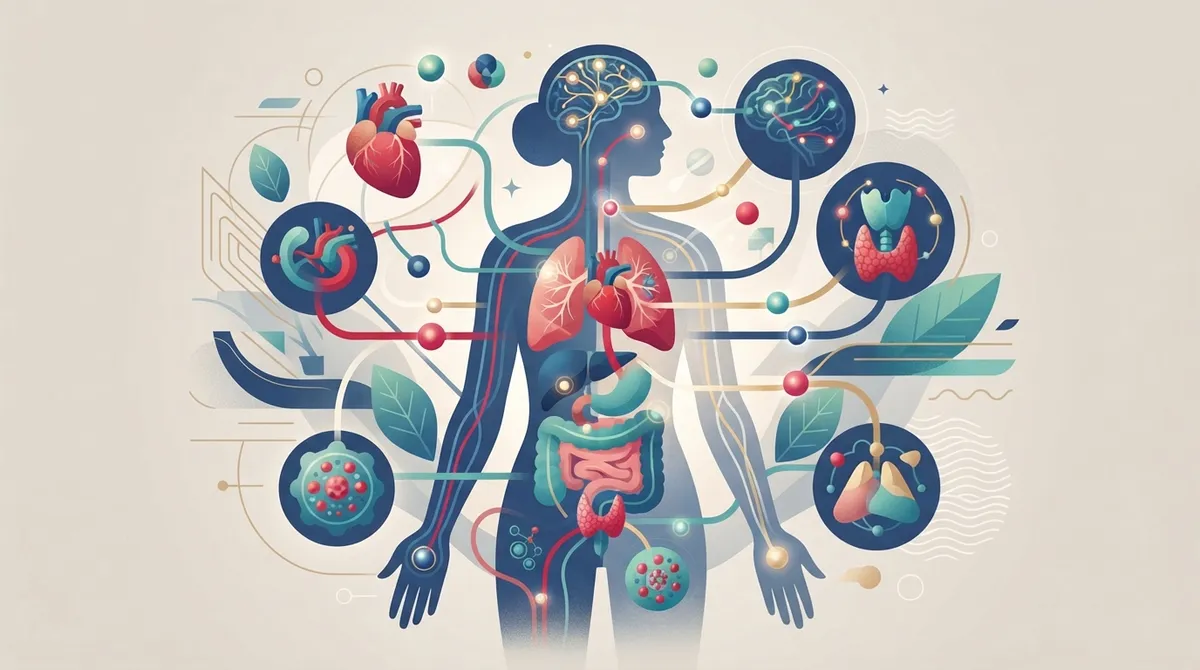
Sexual desire reflects the health of the entire body. A thorough evaluation looks at far more than one hormone level. Clinicians often consider several areas at the same time.
- Hormones: Testosterone, estrogen, thyroid hormones, and other markers may play a role.
- Medications: Some antidepressants, blood pressure drugs, and other prescriptions can reduce desire.
- Medical conditions: Diabetes, sleep apnea, obesity, heart disease, and chronic pain can all affect libido.
- Mental health: Stress, anxiety, depression, and burnout are common contributors.
- Life stage: Menopause, postpartum changes, and aging can shift hormone levels and desire.
- Relationship and lifestyle factors: Sleep, alcohol use, exercise habits, and communication all matter.
Because the causes overlap, a primary care setting is a strong starting point. A clinician who knows your full health history can connect the dots. That is why many patients prefer a clinic that offers primary care alongside hormone services, rather than a standalone hormone-only office.
Step 1: Look for a Clinic That Starts With a Full Evaluation
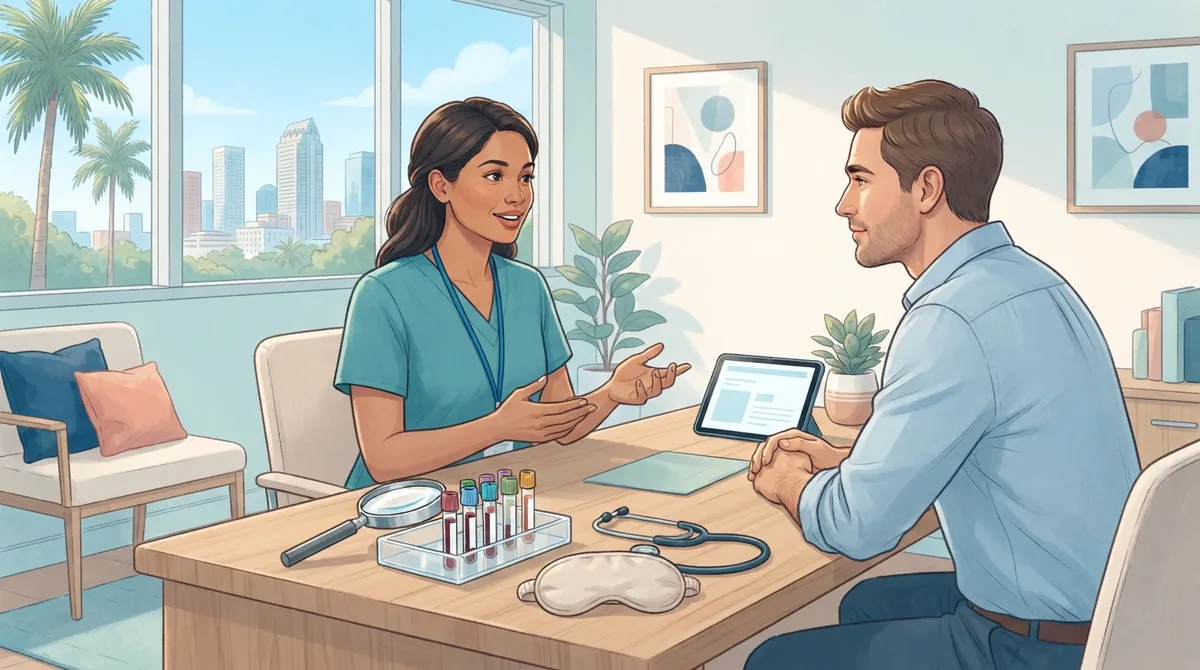
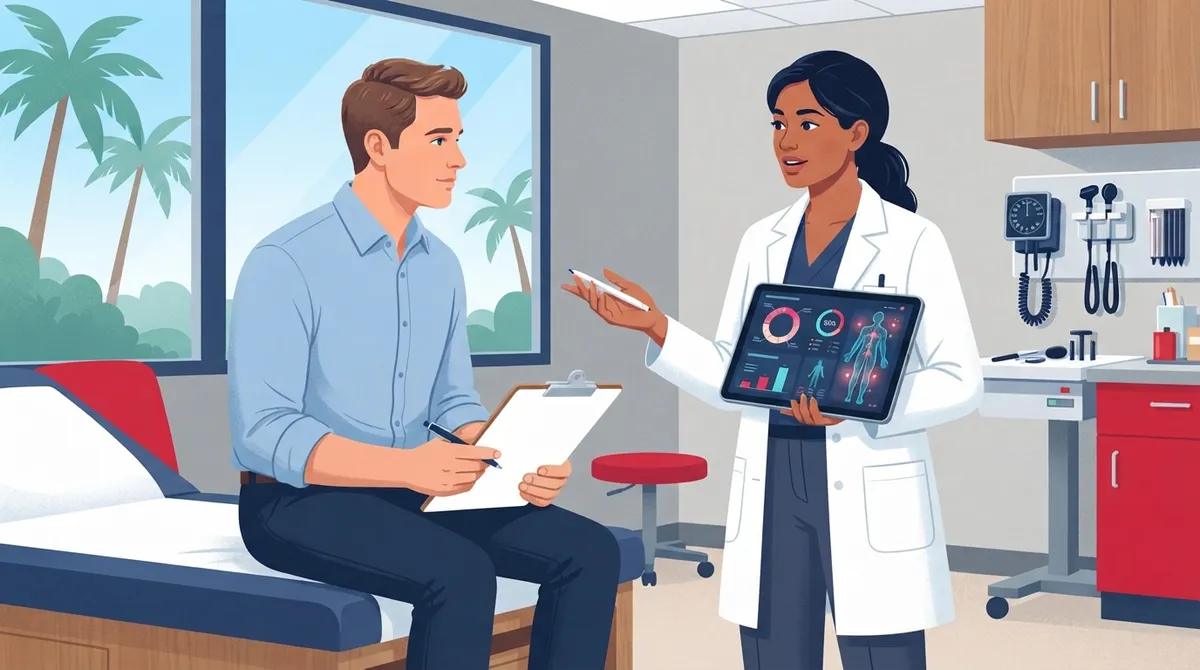
A trustworthy libido and hormone clinic in Tampa Bay should not prescribe hormones after a five-minute chat. The first visit should feel like a real medical appointment. Expect a detailed conversation and a physical exam.
- Detailed history: The clinician asks when symptoms started, how they have changed, and what makes them better or worse.
- Medication and supplement review: Every prescription, over-the-counter product, and supplement should be reviewed.
- Screening for mood and sleep: Depression, anxiety, and sleep quality are checked because they strongly affect desire.
- Physical exam and vital signs: Blood pressure, weight, and general health markers provide important context.
- Targeted lab testing: Tests are chosen based on your symptoms, not ordered as a generic package.
If a clinic skips these steps and goes straight to a treatment plan, that is a warning sign. Good care begins with questions, not prescriptions.
Step 2: Understand How Testing Should Work
Testing for Men
The Endocrine Society recommends diagnosing male hypogonadism, often called low testosterone, only when two things are present together. The patient must have symptoms or signs that fit the condition, and testosterone must be consistently and clearly low on repeated testing.
In practice, this means repeat fasting morning total testosterone measurements using an accurate assay. A single borderline result is not enough. Additional tests may help find the cause, such as pituitary hormones, thyroid function, blood sugar, and a complete blood count.
Symptoms alone do not confirm low testosterone. Fatigue, low mood, and reduced desire overlap with many other conditions. A responsible clinic confirms the diagnosis with labs before discussing treatment.
Testing for Women
Low desire in women is rarely explained by one lab value. Guidance from the International Society for the Study of Women's Sexual Health (ISSWSH) emphasizes a biopsychosocial assessment. This means the clinician considers biological, psychological, and social factors together.
Hormone testing may be part of the picture, especially during perimenopause and menopause. Yet a hormone test is not a stand-alone answer. Symptoms such as vaginal dryness, hot flashes, sleep disruption, and mood changes help guide care. For related background, see BHRT vs. Traditional HRT: Which Therapy Is Right for You?
Step 3: Learn What Treatment Options Exist
Treatment depends on the cause. Hormone therapy is only one possible path, and it is not right for everyone. The table below summarizes common approaches.
|
Cause Found |
Possible Approach |
Key Consideration |
|---|---|---|
|
Confirmed low testosterone in men |
Testosterone therapy with monitoring |
Not for men planning near-term fertility; requires follow-up labs |
|
Menopausal symptoms in women |
Menopausal hormone therapy or non-hormonal options |
Individual risk review is essential |
|
Postmenopausal hypoactive sexual desire disorder |
Selected cases may consider systemic testosterone |
Off-label in the United States; long-term safety data are limited |
|
Medication side effects |
Dose change or alternative medication |
Never stop a prescription without medical guidance |
|
Sleep apnea, obesity, or diabetes |
Treat the underlying condition |
Libido often improves as overall health improves |
|
Stress, anxiety, or depression |
Counseling, lifestyle changes, or mental health care |
Often combined with medical treatment |
Many patients also benefit from lifestyle support. Better sleep, regular exercise, weight management, and reduced alcohol use can improve energy and desire. Programs such as medical weight loss can help when excess weight is part of the hormone picture.
Step 4: Know the Safety Rules for Testosterone Therapy
Testosterone therapy is intended for appropriately diagnosed testosterone deficiency. It is not a general anti-aging or wellness treatment. The Endocrine Society advises against starting it in several situations, including:
- Men who are planning fertility in the near future
- Certain prostate or breast cancers
- Elevated hematocrit (a high red blood cell count)
- Untreated severe sleep apnea
- Uncontrolled heart failure
- Recent heart attack or stroke
- Thrombophilia (a clotting disorder)
In February 2025, the FDA announced class-wide labeling changes for testosterone products. The updates reflect findings from the TRAVERSE trial, keep a limitation of use for age-related hypogonadism, and add warnings that testosterone can raise blood pressure. A good clinic should discuss these points openly and plan blood pressure monitoring.
Follow-up matters just as much as the first prescription. Guideline-based monitoring includes checking symptom response and side effects, measuring testosterone and hematocrit, and considering prostate-risk monitoring. If a clinic does not describe a follow-up plan, ask why. You can read more in What Is Testosterone Replacement Therapy at InCare.
Step 5: Spot the Red Flags
Not every clinic follows best practices. Watch for these warning signs when comparing a libido and hormone clinic in Tampa Bay.
- Promises of guaranteed results or dramatic overnight improvement
- Hormone prescriptions based only on symptoms or a single lab result
- No discussion of risks, alternatives, or costs
- Pressure to buy large treatment packages up front
- No plan for follow-up labs or blood pressure checks
- Treating testosterone as a general anti-aging or energy booster
- Unclear credentials or licensing
Remember that the available research does not verify specific clinic rankings or local outcome statistics for Tampa Bay. Always confirm claims directly with the provider.
Step 6: Ask the Right Questions Before You Commit
A short list of questions can reveal a lot about a clinic. Bring these to your first visit or consultation call.
- Who will be evaluating and treating me, and what are their licenses and credentials?
- Which tests do you use, and will you repeat abnormal results before diagnosing?
- Is the treatment you recommend FDA-approved for my specific condition?
- What are the expected benefits, risks, and alternatives?
- How often will I need follow-up visits and lab work?
- What will the total cost be, including labs, visits, and medication?
- What happens if the treatment does not help or causes side effects?
Clear, patient answers are a good sign. Vague or defensive answers suggest you should keep looking. You can check practitioner credentials through Florida's licensing resources and professional medical boards.
Why Integrated Primary Care Makes a Difference
Hormone concerns rarely exist in isolation. A patient with low desire may also have high blood pressure, prediabetes, poor sleep, or a medication that contributes to symptoms. An integrated clinic can address these issues together instead of sending you between offices.
InCare offers this kind of connected approach. With locations in Tampa and Riverview, the practice combines primary care, cancer screenings, metabolic testing, weight management, and advanced wellness services under one roof. Patients can learn more about the care team on the providers page or review how to find the right hormone therapy doctor in Tampa Bay. InCare also holds a 4.8 out of 5 rating on Google, and you can read InCare reviews on Google to hear directly from patients.
Technology can strengthen the evaluation, too. Tools such as body composition analysis and metabolic breath analysis give clinicians a clearer view of metabolism and fitness. For patients who want personalized insight, DNA gene testing may add useful context to a prevention plan.
Preparing for Your First Visit
A little preparation helps you get more from your appointment. Consider these tips before you go.
- Write down your symptoms, when they began, and how they affect daily life.
- Bring a complete list of medications and supplements.
- Note your sleep patterns, stress level, and exercise habits.
- Gather any recent lab results or medical records.
- Prepare questions about testing, treatment, cost, and follow-up.
If you are an adult without an established doctor, a comprehensive visit can also cover screenings and preventive care. The article What Happens During an Annual Wellness Visit? explains what to expect.
You can also stay connected with the practice through its social channels, including Instagram, Facebook, and TikTok, where InCare shares wellness updates and education.
Conclusion
Choosing a libido and hormone clinic in Tampa Bay comes down to one principle: look for careful, evidence-based care. The best clinics evaluate the whole person, confirm diagnoses with proper testing, explain risks and alternatives, and commit to long-term monitoring. They treat low libido as a symptom worth investigating, not a reason to rush into hormones.
If you are ready for a thoughtful evaluation, InCare is here to help. Our team brings personalized primary care and advanced wellness together to look at the full picture of your health. Book Now to schedule your visit, or contact our team with questions about the next step.
FAQs
Q: What does a hormone clinic in Tampa Bay evaluate for low libido?
A: A thorough clinic reviews your medical history, medications, sleep, mood, stress, and life stage, along with targeted lab tests. Low desire can stem from hormones, but also from medical conditions, medications, and mental health factors. The goal is to find the true cause before recommending treatment.
Q: Does low libido always mean a hormone imbalance?
A: No. Low libido is a symptom with many possible causes, including medication side effects, sleep apnea, depression, chronic illness, and relationship factors. Hormones may contribute, but a proper evaluation is needed to confirm whether they are involved.
Q: How is low testosterone diagnosed in men?
A: The Endocrine Society recommends diagnosing low testosterone only when compatible symptoms are present alongside consistently low levels. This generally requires repeat fasting morning total testosterone tests using an accurate assay. Symptoms alone are not enough to confirm the diagnosis.
Q: Is testosterone therapy approved for low libido in women?
A: Testosterone therapy for women is off-label in the United States. ISSWSH guidance says systemic testosterone may be considered for some postmenopausal women with diagnosed hypoactive sexual desire disorder after a full assessment. Long-term safety evidence is limited, so careful monitoring is essential.
Q: What should I ask before starting hormone therapy?
A: Ask about the clinician's credentials, the tests used, expected benefits and risks, alternatives, total cost, and the follow-up plan. Also confirm whether the treatment is FDA-approved for your specific condition. A responsible clinic will answer clearly and never guarantee results.