Key Takeaways
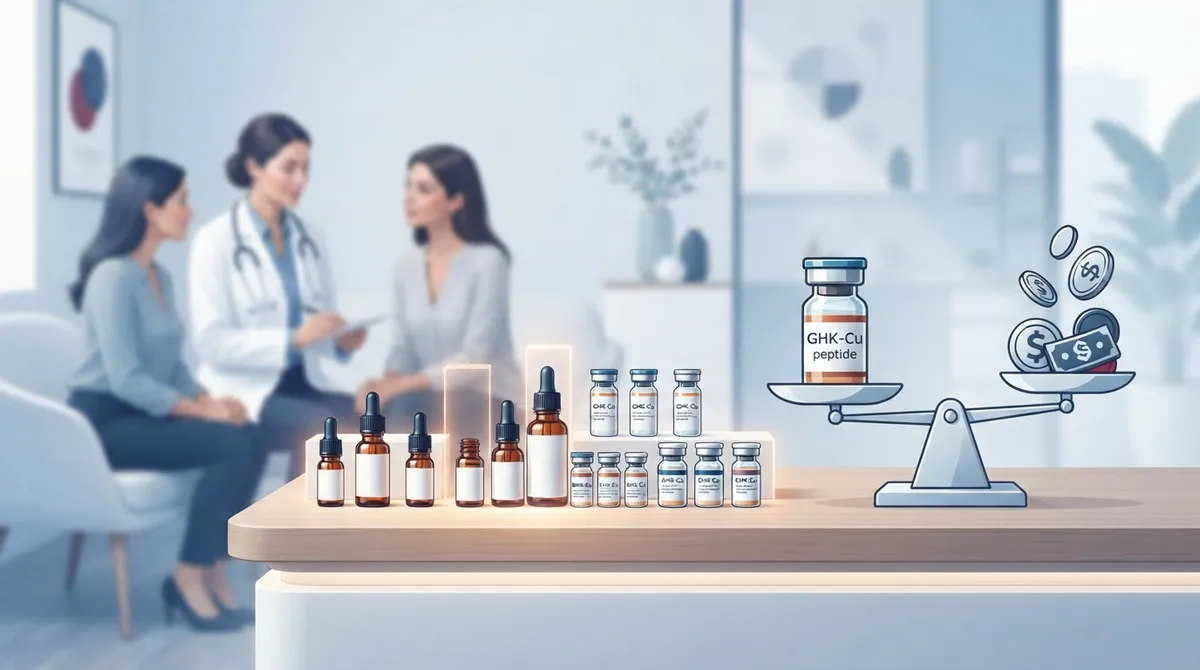
- GHK-Cu pricing varies widely ($25–$350+) depending on delivery method: topical serums are cheapest ($25–$150), while clinic-administered injections are most expensive ($150–$350 per session) due to prescription requirements and professional administration.
- Before purchasing, verify third-party purity testing, confirm provider qualifications, and ensure pricing aligns with market ranges—unusually low prices may signal poor quality control, while transparency about what's included protects both wallet and health.
- Insurance typically doesn't cover GHK-Cu as it's classified as wellness/cosmetic rather than medically necessary, so most patients pay out-of-pocket; working with licensed clinics offers safety oversight and personalized guidance to justify higher costs.
- GHK-Cu works best as part of broader wellness plans rather than standalone treatment; topical products suit beginners exploring peptide benefits, while injectable options require consultation with licensed providers for targeted outcomes and proper monitoring.
GHK-Cu has become one of the most talked-about copper peptides in skin health and cellular wellness. If you have searched for pricing, you likely noticed the numbers vary a lot. That is because GHK-Cu comes in different forms, strengths, and delivery methods. Understanding these differences helps you avoid overpaying and choose an option that fits your health goals.
This guide breaks down GHK-Cu cost across topical products, compounded prescriptions, and clinic-administered treatments. Whether you are a busy parent exploring preventive wellness, a young professional curious about longevity science, or someone managing a proactive health plan, you deserve clear pricing information before you commit. We will also cover what affects pricing, how to compare options safely, and where InCare fits into this conversation for patients in Tampa and Riverview.

What Is GHK-Cu and Why Does Pricing Vary So Much?
GHK-Cu is a naturally occurring copper peptide studied for its role in skin repair, collagen support, and tissue health. As people age, natural GHK-Cu levels decline, which is why interest in supplementation has grown. But not all GHK-Cu products are created equal, and that is the main reason prices swing so widely.
Three key factors drive cost differences:
- The form of the product (topical, compounded injectable, or clinic-administered)
- The purity and testing standards used by the supplier
- Whether a licensed provider is involved in prescribing or administering it
Research-grade GHK-Cu sold for laboratory use is priced differently than wellness-focused products meant for skin or health support. Mixing these categories up is a common mistake, so it helps to understand which one applies to your goals.
GHK-Cu Cost by Product Type in 2026
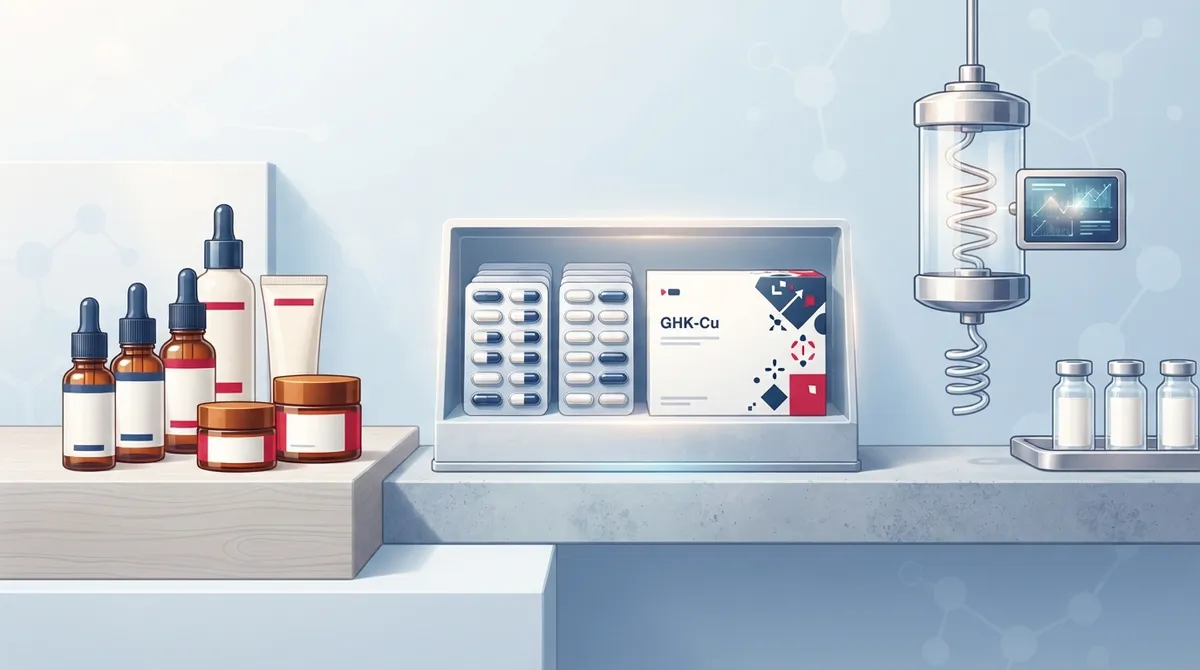
Pricing for GHK-Cu depends heavily on how it is delivered. Below is a breakdown of what patients can expect to pay in 2026 across common formats.
|
Product Type |
Typical Price Range |
Notes |
|---|---|---|
|
Topical cosmetic serum or cream |
$25–$150 per bottle |
Widely available; quality varies by brand |
|
Compounded topical (pharmacy) |
$60–$180 per 30-day supply |
Custom concentration based on provider guidance |
|
Compounded injectable (pharmacy) |
$100–$250 per month |
Requires a prescription |
|
Clinic-administered injectable or mesotherapy |
$150–$350 per session |
Includes consultation and administration |
|
Research-grade GHK-Cu |
$0.35–$1.20 per mg |
Not intended for direct human use without medical oversight |
These figures reflect a general market snapshot rather than a fixed price. Your actual cost may depend on your provider, your location, and whether GHK-Cu is bundled into a broader wellness plan.
Why Is GHK-Cu So Expensive Compared to Basic Skincare?
Many patients ask why GHK-Cu costs more than a standard moisturizer or serum. The answer comes down to production complexity and quality control.
- Peptide synthesis requires specialized manufacturing, which raises production costs.
- Purity testing and sterility testing add extra steps that basic skincare products skip.
- Compounded and injectable versions require pharmacy oversight and prescription handling.
- Clinic-administered treatments include provider time, consultation, and safe administration.
- Batch testing for contaminants ensures consistency, but this testing is not free.
Because of these steps, even a "simple" topical GHK-Cu product can cost more than typical anti-aging creams. Choosing a lab-tested option is usually worth the extra expense for both safety and effectiveness.
Topical vs Injectable GHK-Cu: A Cost Comparison
One of the most common questions patients ask is whether topical or injectable GHK-Cu offers better value. The answer depends on your goals.
- Topical GHK-Cu is generally the most affordable option and works well for surface-level skin support.
- Injectable GHK-Cu costs more because it requires a prescription, sterile handling, and often provider supervision.
- Clinic-administered sessions add the highest cost due to consultation time and professional administration.
- Topical products may take longer to show results, while injectable forms are often used for more targeted outcomes.
If you are new to peptide-based wellness, starting with a topical option may be a lower-risk way to explore GHK-Cu before considering injectable protocols through a licensed clinic.
Where Does GHK-Cu Fit Into a Wellness Plan?
GHK-Cu is rarely used as a stand-alone treatment in most wellness settings. Instead, it is often bundled into broader programs focused on skin health, recovery, or healthy aging. This is especially true for clinics offering telehealth or longevity-focused services.
At InCare, patients exploring advanced wellness options can discuss GHK-Cu alongside other services such as DNA gene testing, body composition analysis, and IV hydration and vitamin drips. Combining these services can help you build a more complete picture of your health rather than focusing on a single peptide in isolation.
How to Evaluate GHK-Cu Pricing Before You Buy
Before committing to any GHK-Cu product or treatment, it helps to ask a few key questions. This protects both your wallet and your health.
- Ask if the product has third-party purity testing or a certificate of analysis.
- Confirm whether the price includes a consultation with a licensed provider.
- Check if the product is intended for cosmetic use, research use, or clinical use.
- Compare per-month costs rather than per-bottle prices to understand true value.
- Ask whether ongoing monitoring or follow-up visits are included in the price.
Skipping these questions can lead to paying for a product that does not match your actual health goals. A knowledgeable provider can help you sort through these details.
Does Insurance Cover GHK-Cu?
In most cases, GHK-Cu is not covered by insurance because it is considered a wellness or cosmetic treatment rather than a medically necessary prescription. This means patients typically pay out of pocket, whether they choose a topical serum or a clinic-administered injection.
Because of this, many patients look for wellness clinics that offer transparent pricing and bundled service options. Some clinics also offer financing or membership-style pricing to make ongoing wellness care more predictable.
Signs You Are Paying a Fair Price for GHK-Cu
Not sure if the price you found is reasonable? Here are a few signs of fair, trustworthy pricing.
- The provider or seller discloses purity and sourcing information clearly.
- Pricing aligns with the ranges shown in the table above for your chosen product type.
- You are not pressured into buying large quantities upfront.
- The clinic or pharmacy is transparent about what is included, such as consultations or follow-ups.
- Reviews and testimonials support the quality and safety of the product or service.
If a price seems unusually low, it may signal poor quality control or lack of proper testing. If it seems unusually high, ask what specifically justifies the cost.
Why Choose a Licensed Clinic for GHK-Cu Guidance
Because GHK-Cu overlaps with both skincare and clinical wellness, working with a licensed provider adds an important layer of safety. A clinic can help verify product quality, discuss realistic expectations, and monitor your progress over time.
InCare's team, including providers like Dr. Pramjeet Ahluwalia and Dr. Naveen Paddu, supports patients across Tampa and Riverview with personalized wellness guidance. Patients interested in peptide therapy in Tampa often start with a consultation to determine which approach fits their goals and budget.
You can also learn more about how to use GHK-Cu safely for skin and wellness or explore how to pick the best GHK-Cu serum for anti-aging if you are still deciding between topical and clinical options.
What to Expect During a GHK-Cu Consultation
If you are considering a clinic-administered option, here is a general step-by-step process you can expect.
- Initial consultation to review your health history and wellness goals.
- Discussion of topical versus injectable options based on your needs.
- Review of pricing, including any bundled wellness services.
- A recommended plan with a clear timeline for expected results.
- Follow-up visits to track progress and adjust the plan if needed.
This structured approach helps ensure you are not just paying for a product, but for guided, safe care. Many patients appreciate this added value, especially when trying a new peptide for the first time.
Real Patient Experiences at InCare
InCare holds a 4.8 out of 5 rating on Google, based on hundreds of reviews from patients in Tampa and Riverview. Many patients highlight the clear communication from staff and the personalized attention from providers when discussing wellness options like peptide therapy.
You can visit us on Google — InCare to read patient reviews and see what others are saying about their experience. For more updates on wellness services, you can also follow InCare on Facebook, Instagram, and TikTok.
Making a Confident Decision About GHK-Cu Cost
GHK-Cu pricing does not have to be confusing once you understand the different product categories and what drives their cost. Topical products offer an accessible entry point, while compounded and clinic-administered options provide more guided, personalized care at a higher price point.
The most important step is choosing a trustworthy source and, when possible, working with a licensed provider who can tailor recommendations to your health goals. This is especially true if you are combining GHK-Cu with other wellness services like medical weight loss or preventive cancer screenings.
If you are ready to explore GHK-Cu and other advanced wellness options with a trusted Tampa and Riverview provider, you can get in touch with our team or schedule your visit today to start building a personalized wellness plan that fits your goals and your budget.
FAQs
Q: How much does GHK-Cu cost per month?
A: Monthly GHK-Cu costs typically range from $60 for compounded topical products to $250 for compounded injectables. Clinic-administered treatments may cost $150 to $350 per session, depending on frequency and provider fees.
Q: Is topical GHK-Cu cheaper than injectable GHK-Cu?
A: Yes, topical GHK-Cu is generally more affordable, often costing $25 to $150 per bottle. Injectable versions cost more due to prescription requirements, sterile handling, and provider involvement.
Q: Does insurance cover GHK-Cu treatments?
A: Insurance typically does not cover GHK-Cu since it is considered a wellness or cosmetic treatment rather than a medical necessity. Most patients pay out of pocket for topical, compounded, or clinic-administered options.
Q: What is the price difference between GHK-Cu serum and injectable forms?
A: GHK-Cu serums usually cost less, ranging from $25 to $150 per bottle, while injectable forms cost $100 to $350 depending on whether they are compounded or clinic-administered. The added cost reflects prescription oversight and professional administration.
Q: Where can I buy GHK-Cu safely for wellness use?
A: The safest option is through a licensed wellness clinic or compounding pharmacy that provides purity testing and professional guidance. This helps ensure product quality and appropriate use for your specific health goals.