Key Takeaways
- CPAP therapy remains the most common first-line treatment for obstructive sleep apnea, but success depends on proper mask fitting and early support—many people quit too soon due to wrong mask selection rather than the therapy itself.
- Tirzepatide (Zepbound) was FDA-approved in December 2024 as the first medication specifically for sleep apnea in adults with obesity; clinical trials showed 42-50% of patients achieved remission or mild OSA after 52 weeks, with average weight loss of 18-20%.
- Treatment selection depends on multiple factors including apnea type, severity (measured by AHI score), underlying health conditions, and personal preferences—a one-size-fits-all approach does not work, requiring individualized evaluation by your doctor.
- Oral appliances are a practical CPAP alternative for mild-to-moderate obstructive sleep apnea, especially for travelers or those uncomfortable with masks, and work by repositioning the lower jaw to prevent airway collapse.
- Lifestyle changes like weight loss, side sleeping, and limiting alcohol can significantly support medical treatment but cannot fully replace CPAP or other prescribed therapies for clinically significant sleep apnea.
- Advanced treatment options like hypoglossal nerve stimulation and airway surgery are available for patients who fail standard treatments; eligibility depends on anatomy and severity, making evaluation by a sleep specialist essential.
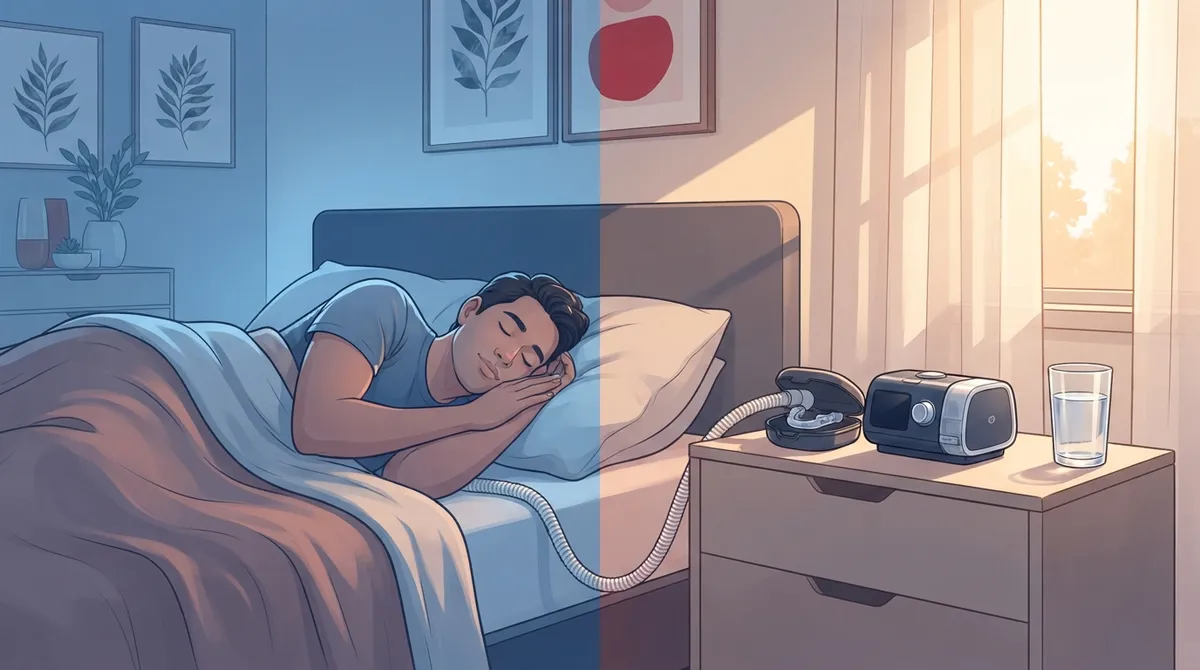
Waking up tired every single day is not normal, and it is not something you have to accept. If you snore loudly, gasp for air at night, or feel exhausted no matter how much you sleep, sleep apnea could be the cause. The good news is that treatment works, and most people feel dramatically better within weeks of starting the right plan.
Sleep apnea treatment depends on your specific type, how severe it is, and your personal health history. There is no single fix that works for everyone. This guide breaks down every major treatment option available in 2026, from the well-known CPAP machine to newer medication options that are changing how doctors approach this condition. Whether you are a busy parent who cannot function on broken sleep or a wellness-focused professional looking to optimize your health, understanding your options is the first step toward better rest.
What Determines Your Sleep Apnea Treatment Plan
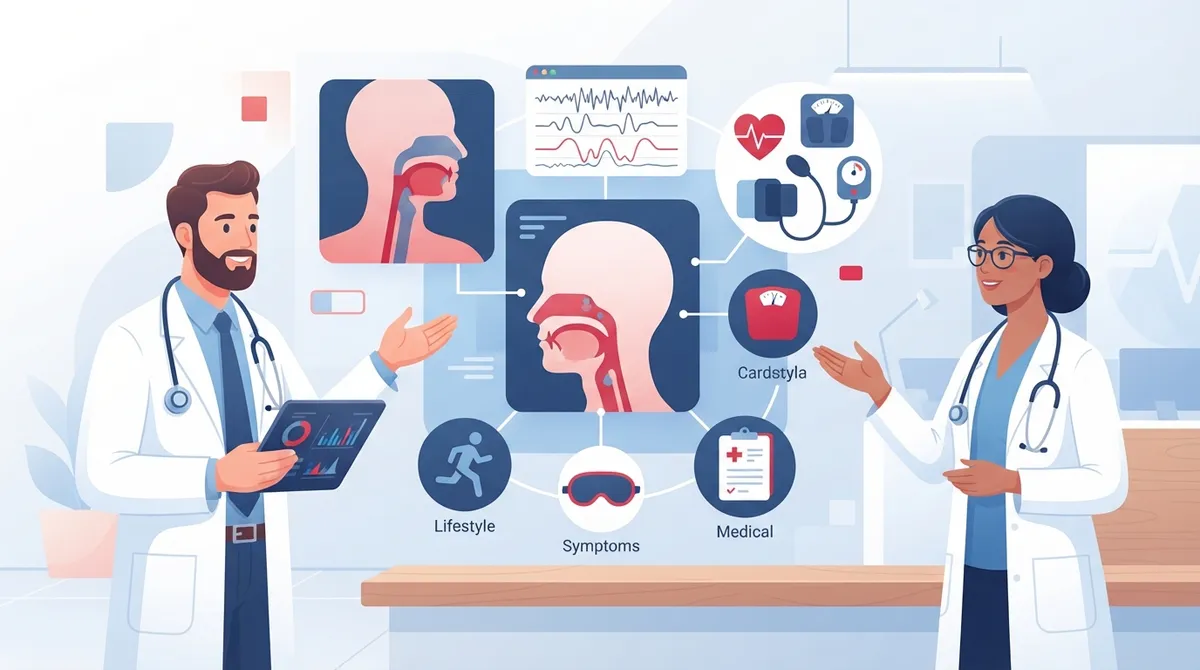
Doctors do not treat sleep apnea with a one-size-fits-all approach. Your primary care provider looks at several factors before recommending a path forward.
These factors include:
- The type of sleep apnea you have (obstructive or central)
- How severe your condition is, based on a sleep study
- Other health conditions like obesity, diabetes, or heart disease
- Your personal comfort level and lifestyle needs
- Whether you have tried treatment before and how it worked
Obstructive sleep apnea (OSA) happens when throat muscles relax too much during sleep, blocking your airway. This is the most common form. Central sleep apnea is different. It happens when your brain does not send the right signals to the muscles that control breathing. Central sleep apnea often requires treating the underlying cause first, along with specialist-guided therapy.
Severity is measured using something called the apnea-hypopnea index, or AHI. This counts how many times per hour your breathing stops or slows during sleep. Mild cases fall between 5 and 14 events per hour. Moderate cases range from 15 to 29. Severe cases hit 30 or more events per hour. Your AHI score helps guide which treatment makes the most sense for you.
CPAP Therapy: The Most Common First Step
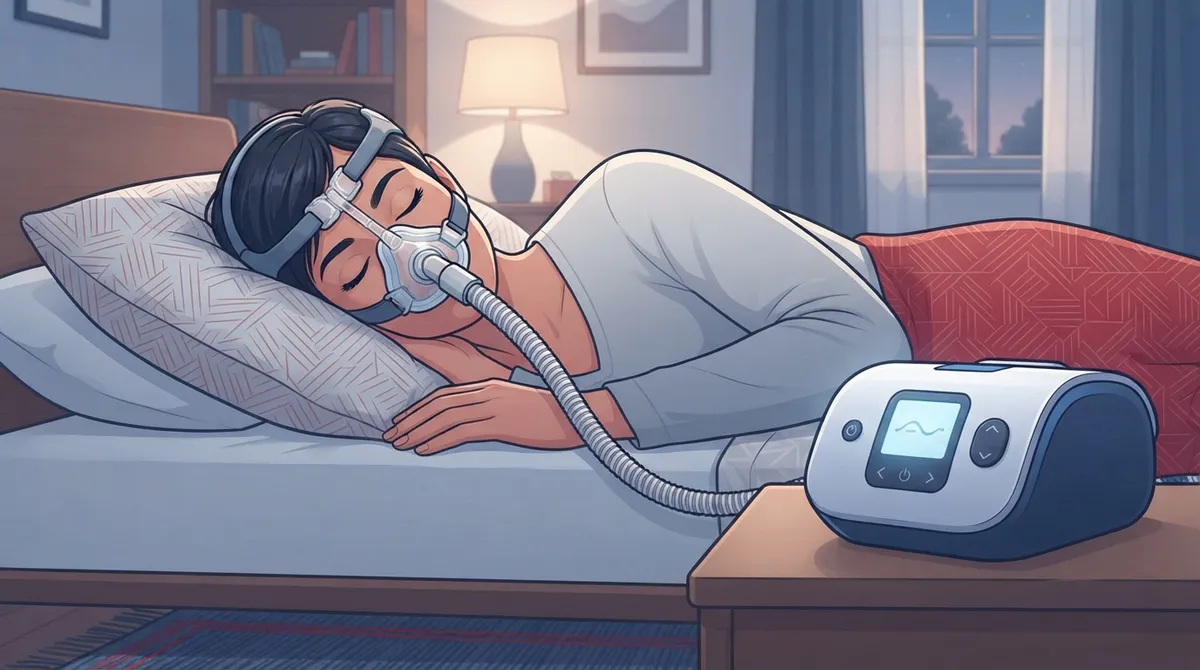
Continuous positive airway pressure, or CPAP, is still the most widely used treatment for obstructive sleep apnea. A CPAP machine delivers a steady stream of air through a mask. This keeps your airway open all night so you can breathe normally.
There are a few variations worth knowing about:
- Standard CPAP delivers one constant pressure setting throughout the night.
- Auto-adjusting PAP (APAP) changes pressure automatically based on your breathing patterns in real time.
- Bilevel PAP uses two pressure settings, one for inhaling and one for exhaling. This option is sometimes chosen for people who struggle with high CPAP pressure.
Starting CPAP therapy can feel overwhelming at first. Mask fit matters a lot, and many people give up too soon because they picked the wrong style. A good primary care or wellness clinic will walk you through mask fitting, troubleshoot leaks or discomfort, and schedule follow-up visits to check how well the therapy is working. Sticking with CPAP long term is often about getting the right support early on, not toughing it out alone.
Oral Appliances: A CPAP Alternative
Not everyone can tolerate wearing a mask every night. For adults with mild to moderate OSA, a custom-fitted oral appliance can be a solid alternative. These devices look similar to a mouthguard and work by gently moving your lower jaw forward. This keeps your airway from collapsing while you sleep.
A qualified dental professional fits the appliance to your mouth. After you start using it, follow-up testing checks whether it is actually reducing your breathing pauses. Oral appliances tend to work best for people with milder cases, and they are often preferred by patients who travel often or find CPAP machines too bulky or uncomfortable.
Lifestyle Changes That Support Treatment
Lifestyle adjustments can make a real difference, especially when combined with a medical treatment plan. However, lifestyle changes alone usually cannot fully treat clinically significant OSA. Do not stop using CPAP or another prescribed treatment without talking to your doctor first.
Helpful lifestyle strategies include:
- Losing weight when it is medically appropriate for your situation
- Getting regular physical activity most days of the week
- Sleeping on your side instead of your back if your apnea is position-related
- Limiting alcohol and sedatives close to bedtime
- Working with a weight loss program if excess weight is contributing to airway blockage
For busy families juggling work and kids, small changes like adjusting sleep position or cutting back on evening drinks can add up over time. These steps work best as a companion to medical treatment, not a replacement for it.
A New Medication Option: Tirzepatide for Sleep Apnea
One of the biggest developments in sleep apnea treatment came in December 2024, when the FDA approved tirzepatide (brand name Zepbound) for adults with obesity and moderate-to-severe OSA. This was the first medication ever approved specifically for this condition, and it marks a major shift in how doctors think about treatment.
The approval came alongside instructions to pair the medication with a reduced-calorie diet and increased physical activity. Clinical trial results were striking. After 52 weeks, 42% of participants taking tirzepatide without CPAP reached remission or mild, non-symptomatic OSA. Among those using tirzepatide alongside CPAP, that number rose to 50%. Compare that to placebo groups, where only 16% and 14% saw similar results.
Weight loss numbers were also significant. On average, participants lost about 18% of their body weight without CPAP and 20% with CPAP, compared to roughly 2% in placebo groups. These are group averages, not guarantees, but they show real promise for a specific group of patients.
It is important to understand that tirzepatide is not for everyone. It is approved specifically for adults with obesity and moderate-to-severe OSA. It is not automatically a replacement for CPAP, and it should be considered as part of an individualized plan built with your doctor. If you are curious whether this option fits your situation, a conversation with your primary care provider is the right place to start.
When CPAP Does Not Work: Advanced Options
Some people try CPAP and oral appliances but still do not get adequate relief. In these cases, a sleep specialist may recommend more advanced procedures.
|
Treatment Option |
Best For |
What to Expect |
|---|---|---|
|
Hypoglossal nerve stimulation |
Patients who cannot tolerate CPAP and meet specific anatomical criteria |
An implanted device stimulates the tongue muscle to keep the airway open |
|
Airway surgery |
Patients with structural blockages contributing to OSA |
Surgical correction of soft tissue or structural issues in the throat or jaw |
|
Oral appliance therapy |
Mild to moderate OSA, CPAP-intolerant patients |
Custom device worn nightly to reposition the jaw |
|
Tirzepatide (Zepbound) |
Adults with obesity and moderate-to-severe OSA |
Weekly injection combined with diet and exercise changes |
Eligibility for surgery or nerve stimulation depends on your anatomy, how severe your condition is, and what you have already tried. These options are usually considered after other treatments have not delivered enough improvement.
How Primary Care Guides Your Sleep Apnea Journey
Primary care plays a bigger role in sleep apnea treatment than many people realize. Your primary care doctor is often the first person to notice warning signs, such as loud snoring, daytime fatigue, or high blood pressure that will not budge.
Here is how a good primary care team typically supports your sleep apnea care:
- Reviewing your symptoms and risk factors, including weight, neck size, and family history
- Checking for related conditions like high blood pressure, diabetes, or heart disease
- Discussing current medications that might affect sleep or breathing
- Ordering or coordinating a sleep study to confirm diagnosis and severity
- Referring you to a sleep specialist when needed for advanced treatment
- Following up regularly to see how well your treatment is working and adjusting as needed
This kind of ongoing coordination matters. Sleep apnea is not something you treat once and forget about. It requires regular check-ins to make sure your therapy is still effective, especially if your weight, health, or lifestyle changes over time. At InCare, our team in Tampa and Riverview combines advanced diagnostic tools with a personalized approach, so patients get a plan built around their real needs, not a generic checklist.
Signs You Should Talk to Your Doctor About Sleep Apnea
Many people live with sleep apnea for years without knowing it. Recognizing the warning signs early can prevent bigger health problems down the road, including heart disease, stroke, and worsening diabetes.
Watch for these common signs:
- Loud, chronic snoring that disturbs others
- Gasping or choking sounds during sleep
- Waking up with a dry mouth or sore throat
- Morning headaches that fade after an hour or two
- Excessive daytime sleepiness, even after a full night's rest
- Difficulty concentrating or irritability during the day
- High blood pressure that does not respond well to medication
If any of these sound familiar, it is worth scheduling a visit. A simple conversation and a sleep evaluation can set you on the path toward real answers and lasting relief.
Getting Started With Treatment
The path to treating sleep apnea usually starts with a conversation, not a machine. Your doctor will ask about your symptoms, review your health history, and likely recommend a sleep study to confirm the diagnosis and measure severity. From there, treatment decisions are made together, based on your test results, your preferences, and your overall health.
Many patients feel nervous about starting CPAP or trying a new medication, but modern sleep apnea care has come a long way. Options like oral appliances, tirzepatide, and minimally invasive procedures give people more flexibility than ever before. You do not have to settle for one uncomfortable solution if it is not working for you.
InCare has built a reputation across Tampa and Riverview for combining medical expertise with a genuinely personalized approach to care. Patients consistently share their experiences, and you can visit us on Google — InCare to see what others are saying about their care journey. You can also follow along and see real patient stories on our Facebook page or check out wellness tips on Instagram and Tik Tok.
Take the Next Step Toward Better Sleep
Sleep apnea does not have to control your energy, your mood, or your long-term health. Whether you need a straightforward CPAP setup, want to explore an oral appliance, or are curious about newer medication options like tirzepatide, the right treatment plan starts with a proper evaluation. Our team at InCare in Tampa and Riverview is ready to help you find answers and build a plan that actually fits your life. Ready to stop guessing and start sleeping better? Book your appointment today and take the first step toward restful, restorative sleep.
FAQs
Q: What is the most effective treatment for sleep apnea?
A: CPAP therapy remains the most widely used and effective treatment for moderate to severe obstructive sleep apnea. However, effectiveness depends on your specific situation, and oral appliances or newer medications like tirzepatide may work better for certain patients.
Q: Is CPAP the only treatment for obstructive sleep apnea?
A: No, CPAP is common but not the only option. Oral appliances, lifestyle changes, tirzepatide for eligible patients with obesity, and certain surgical procedures are all available treatments depending on your diagnosis and severity.
Q: Can sleep apnea be treated without a CPAP machine?
A: Yes, many patients successfully manage mild to moderate sleep apnea with custom oral appliances, weight management, positional therapy, or medication options. Your doctor can help determine if a non-CPAP approach fits your specific case.
Q: Who can take tirzepatide (Zepbound) for sleep apnea?
A: Tirzepatide was FDA-approved in December 2024 specifically for adults with obesity and moderate-to-severe obstructive sleep apnea, used alongside diet and exercise. It is not appropriate for every sleep apnea patient and requires a medical evaluation.
Q: What treatments are available if CPAP does not work or is hard to tolerate?
A: If CPAP is not tolerable, options include custom oral appliances, hypoglossal nerve stimulation, airway surgery, or tirzepatide for eligible patients. A sleep specialist can help determine eligibility based on your anatomy and health history.