Key Takeaways
- Sleep apnea affects approximately 1 in 3 U.S. adults, yet many remain undiagnosed; it requires objective testing (home sleep test or lab polysomnogram) to confirm diagnosis, not just symptom evaluation.
- Untreated sleep apnea significantly increases risk for serious conditions including high blood pressure, heart disease, stroke, type 2 diabetes, and car accidents due to daytime drowsiness.
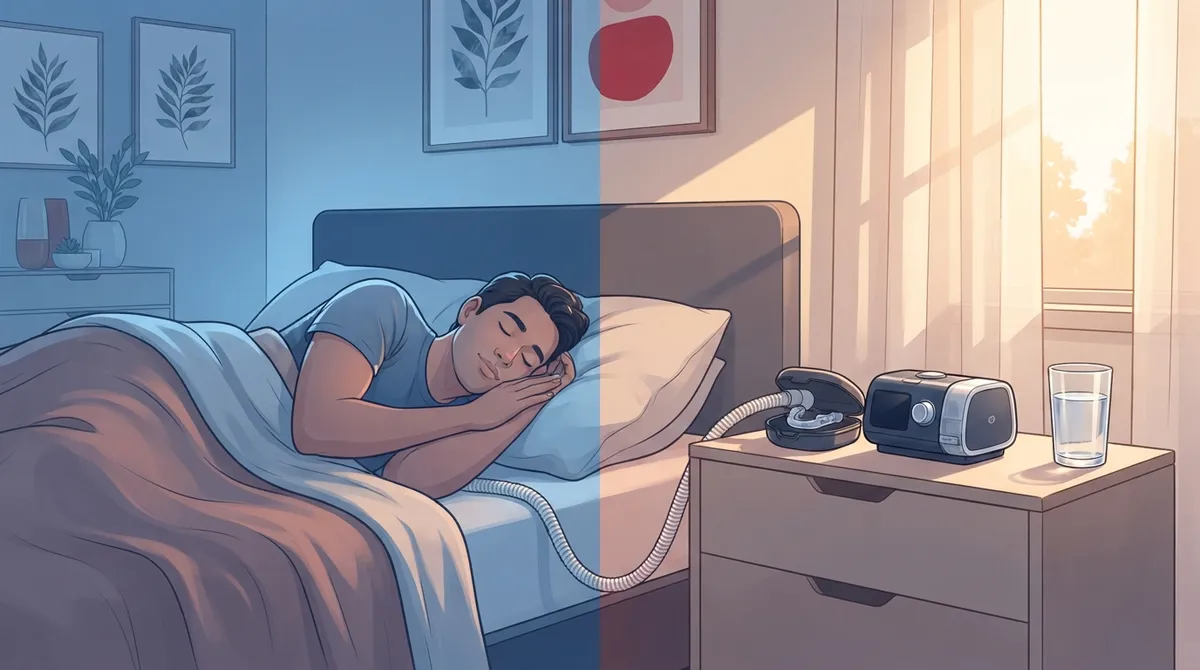
- Treatment is individualized based on type and severity; options beyond CPAP include oral appliances, behavioral changes like weight loss and reducing alcohol, and in select cases, surgery.
- Key warning signs include loud snoring, witnessed breathing pauses, excessive daytime fatigue despite adequate sleep, morning headaches, and difficulty concentrating; not all sleep apnea cases involve snoring.
Loud snoring might seem harmless. But for millions of people, it's a warning sign of something deeper. Sleep apnea affects an estimated 80.6 million U.S. adults, according to a 2025 study published in the journal Sleep. That means roughly 1 in 3 adults may have this condition, yet many don't even know it. If you've been feeling exhausted no matter how much you sleep, or if your partner has mentioned you stop breathing at night, it's time to learn what's really happening in your body.
At InCare, our primary care team in Tampa and Riverview helps patients recognize the signs of sleep apnea early. This guide walks you through what sleep apnea is, why it matters, and the steps you can take to protect your health.
What Is Sleep Apnea?
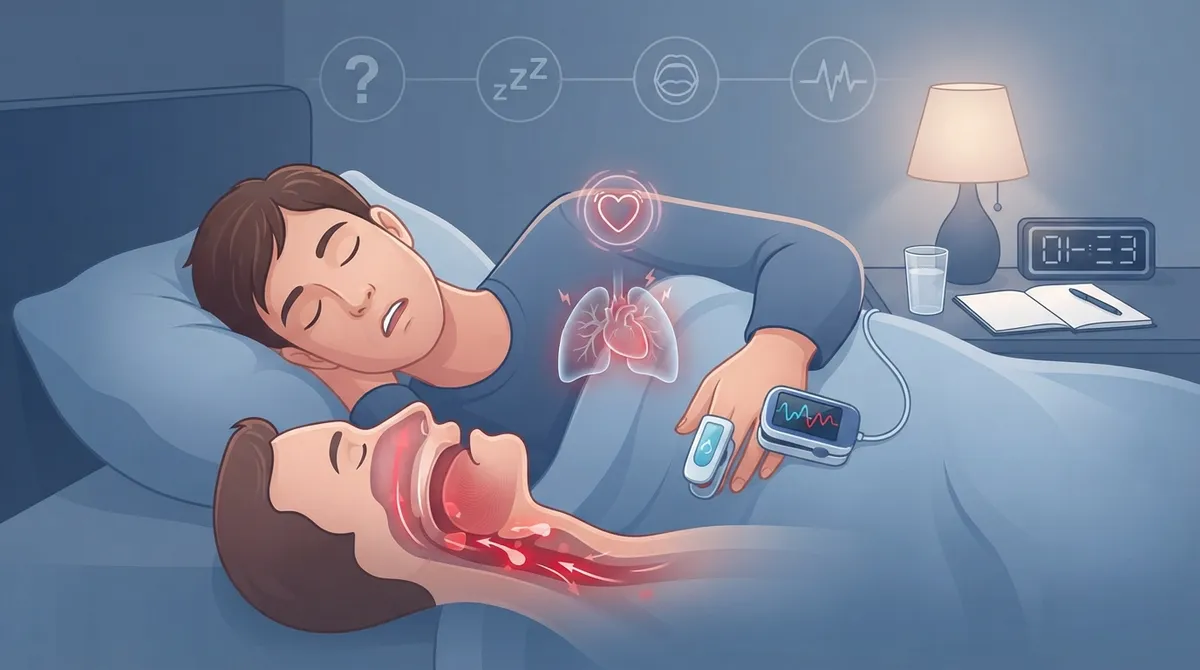
Sleep apnea is a condition where your breathing repeatedly stops, slows down, or restarts while you sleep. These pauses can happen dozens of times an hour without you ever waking up fully. Each pause lowers the oxygen in your blood and disrupts your natural sleep cycle.
Over time, this can leave you feeling tired even after a full night's rest. It also puts stress on your heart, brain, and metabolism. Left untreated, sleep apnea raises your risk for serious health problems down the road.
The Two Main Types of Sleep Apnea
There are two primary forms of this condition, and they work differently in the body:
- Obstructive Sleep Apnea (OSA): This is the most common type. It happens when the muscles in your throat relax too much, causing your airway to narrow or close.
- Central Sleep Apnea (CSA): This type is less common. It occurs when your brain fails to send the right signals to the muscles that control your breathing.
Both types disrupt your sleep and lower your oxygen levels. However, the treatment approach differs based on which type you have. This is why proper diagnosis matters so much.
Common Signs and Symptoms to Watch For
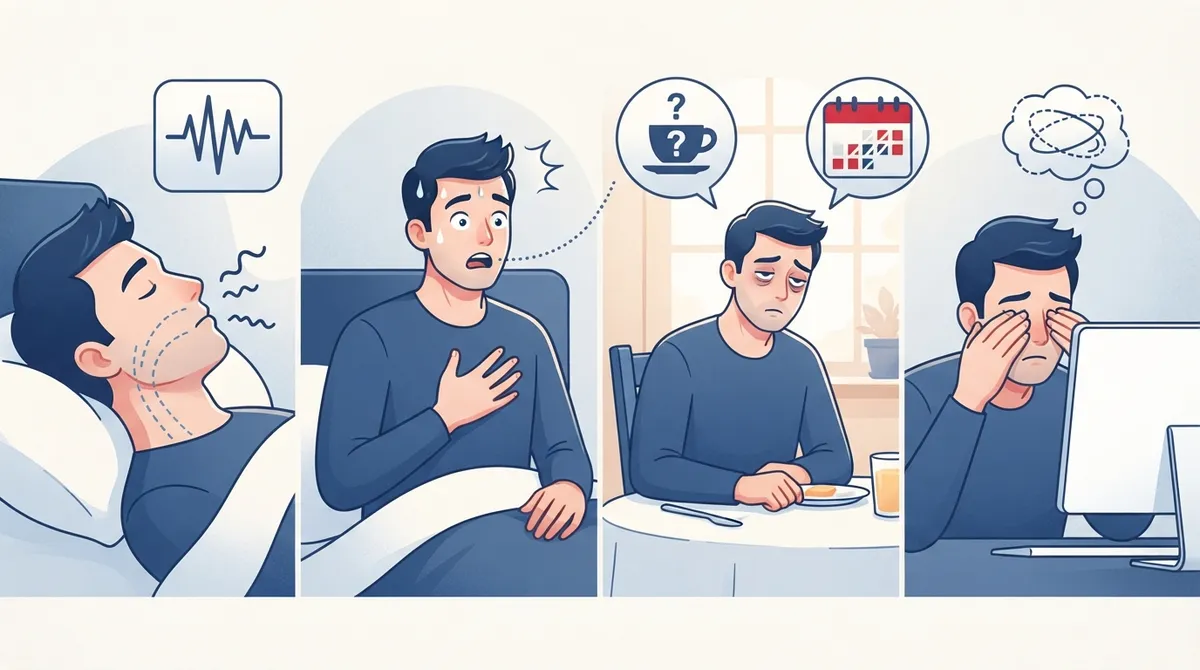
Many people with sleep apnea don't realize they have it. Symptoms often show up at night, when you're unaware, or during the day, when you assume you're just tired from a busy schedule.
Nighttime Symptoms
- Loud, chronic snoring
- Gasping or choking sounds during sleep
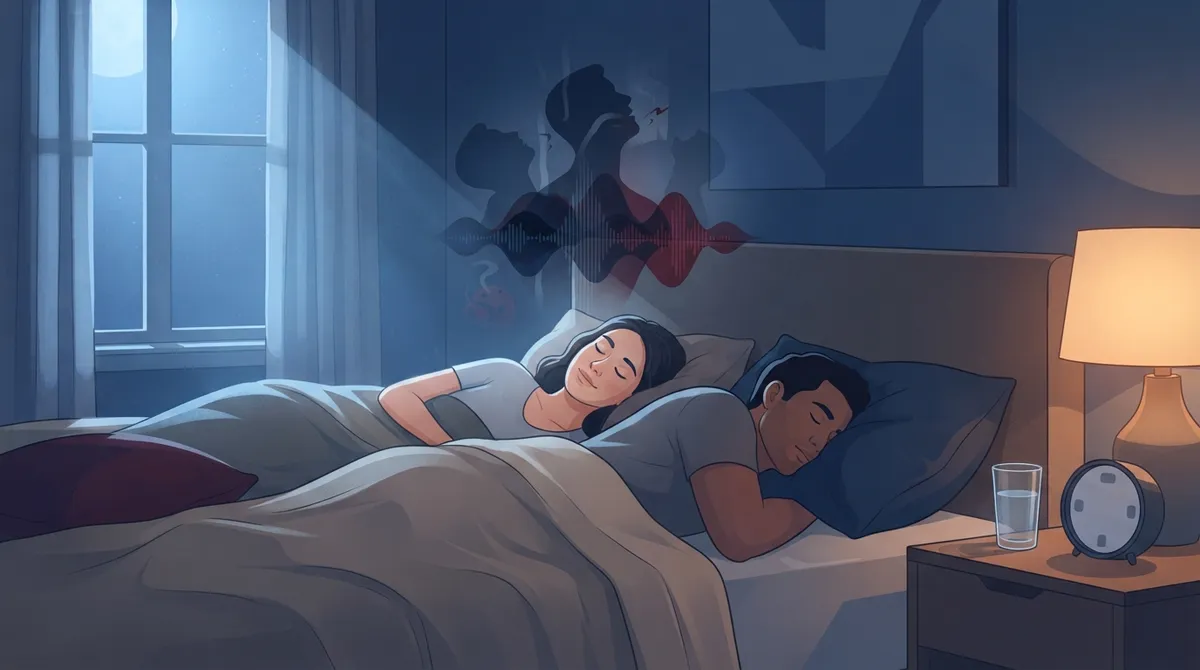
- Witnessed pauses in breathing (often noticed by a partner)
- Restless tossing and turning
- Waking up with a dry mouth or sore throat
Daytime Symptoms
- Excessive sleepiness, even after a full night's sleep
- Morning headaches
- Difficulty concentrating or memory problems
- Irritability or mood changes
- Falling asleep during quiet activities, like reading or watching TV
It's important to know that not everyone with sleep apnea snores. Some people, especially those with central sleep apnea, may not show obvious nighttime symptoms at all. That's why paying attention to daytime fatigue is just as important.
Who Is at Risk for Sleep Apnea?
Sleep apnea can affect anyone, but certain factors increase your risk. According to research from the American Academy of Sleep Medicine, prevalence estimates show 39% of men and 25.8% of women may have OSA.
|
Risk Factor |
Type of Sleep Apnea |
Why It Matters |
|---|---|---|
|
Excess body weight |
Obstructive (OSA) |
Extra tissue around the neck can narrow the airway |
|
Enlarged tonsils or adenoids |
Obstructive (OSA) |
Physically blocks airflow during sleep |
|
Family history |
Both types |
Genetics can affect airway shape and breathing control |
|
Age (older adults) |
Both types |
Muscle tone and breathing regulation change with age |
|
Heart conditions or stroke history |
Central (CSA) |
Can interfere with the brain's breathing signals |
|
Certain medications |
Central (CSA) |
Some drugs affect the brain's respiratory control |
If you fall into one or more of these categories, it's worth discussing your sleep habits with your doctor at your next annual wellness visit.
How Sleep Apnea Is Diagnosed
Here's something many people don't realize: you cannot diagnose sleep apnea just from symptoms or an online quiz. Objective testing is required to confirm the condition. The American Academy of Sleep Medicine is clear on this point in its clinical guidelines.
Steps to Getting Diagnosed
- Talk to your primary care provider. Share your symptoms, including snoring, daytime fatigue, or witnessed breathing pauses.
- Complete an initial evaluation. Your provider will review your health history and risk factors.
- Get objective testing. This may be a home sleep apnea test or an overnight sleep study at a lab, known as a polysomnogram.
- Review your results. Diagnosis typically requires at least 5 breathing events per hour with symptoms, or 15 events per hour even without symptoms.
- Follow up if needed. If a home test is unclear, a lab-based sleep study may be recommended for confirmation.
Home sleep apnea tests can be a convenient option for adults with a straightforward case and increased risk. However, they aren't right for everyone. Your doctor can help you decide which test fits your situation. Our providers at InCare are equipped to guide you through this process from start to finish.
Treatment Options Beyond CPAP
Many people assume sleep apnea only has one treatment option. That's not the case. Treatment is individualized based on the type and severity of your condition.
Common Treatment Approaches
- PAP Therapy: CPAP (continuous positive airway pressure) or APAP (automatic positive airway pressure) machines keep your airway open using gentle air pressure. This remains the most common treatment for adult OSA.
- Oral Appliances: Custom-fitted devices that reposition your jaw or tongue to keep your airway open.
- Behavioral Changes: Weight loss, positional therapy, and reducing alcohol intake before bed can significantly improve mild cases.
- Surgery: In select cases, surgical options may be considered to remove excess tissue or correct structural issues.
If weight is a contributing factor, a structured weight loss program can make a real difference in reducing the severity of your symptoms. Follow-up care is also essential, regardless of which treatment you choose. Your provider will check whether the treatment is working and adjust as needed.
Why Untreated Sleep Apnea Is a Serious Health Risk
Ignoring sleep apnea doesn't just mean feeling tired. It can lead to long-term health consequences that affect your entire body. Some of the most concerning risks include:
- High blood pressure and heart disease
- Increased risk of stroke
- Type 2 diabetes and insulin resistance
- Weight gain and difficulty losing weight
- Memory and concentration problems
- Higher risk of car accidents due to daytime drowsiness
These risks are why catching sleep apnea early matters so much. A proactive approach to your health, including regular screenings and check-ins with your primary care physician, can help you avoid complications before they start.
When to Talk to Your Primary Care Provider
You don't need to wait until symptoms become severe. Consider scheduling a visit if you notice any of the following:
- Your partner mentions you snore loudly or stop breathing at night
- You wake up feeling unrefreshed, even after 7-8 hours of sleep
- You experience frequent morning headaches
- You struggle to stay awake during the day, especially while driving
- You have risk factors like obesity, high blood pressure, or a family history of sleep apnea
Bringing these concerns to your provider allows for a proper evaluation and, if needed, a referral for sleep testing. Our team at InCare takes a whole-body approach to care, which means we look beyond just the symptom in front of us to understand what's really going on.
How InCare Supports Your Sleep and Overall Wellness
At InCare, we believe that quality sleep is a cornerstone of good health. Our clinics in Tampa and Riverview combine advanced diagnostic tools with a personalized approach to help you get answers quickly. Whether you need an initial evaluation, guidance on testing options, or ongoing management of a diagnosed condition, our team is here to help.
We also understand that sleep apnea rarely exists in isolation. It often connects to other health concerns like weight, metabolic health, and cardiovascular risk. That's why we offer services like body composition analysis and metabolic breath analysis to give you a fuller picture of your health. You can read about our approach and see what patients say by visiting our testimonials page, or check out real patient experiences and visit us on Google — InCare to see reviews from people in your community.
You can also follow our latest health tips and clinic updates on Facebook, Instagram, and TikTok for accessible, easy-to-understand wellness content.
Take the First Step Toward Better Sleep
Sleep apnea is more common than most people realize, and it's not something to ignore. The good news is that with the right diagnosis and treatment plan, you can start feeling like yourself again. Whether you're dealing with loud snoring, constant fatigue, or you simply want peace of mind, our team at InCare is ready to help.
Don't wait for symptoms to get worse. Reach out to our care team today to discuss your symptoms, or go ahead and schedule your appointment now to start your path toward restful, healthy sleep.
FAQs
Q: What is sleep apnea, and what happens when you have it?
A: Sleep apnea is a condition where your breathing repeatedly stops or becomes shallow during sleep. These pauses lower your oxygen levels and disrupt your sleep cycle, leaving you tired and increasing your risk for serious health problems like heart disease.
Q: What is the difference between obstructive and central sleep apnea?
A: Obstructive sleep apnea happens when your throat muscles relax too much and block your airway. Central sleep apnea occurs when your brain fails to send proper signals to control your breathing. Both types require different diagnostic and treatment approaches.
Q: Can a home sleep apnea test diagnose sleep apnea?
A: Yes, for many adults with a straightforward case and increased risk, a home sleep apnea test can provide an accurate diagnosis. However, if results are unclear or your case is more complex, your doctor may recommend a lab-based sleep study for confirmation.
Q: What treatments are available for sleep apnea besides CPAP?
A: Besides CPAP machines, treatment options include oral appliances that reposition your jaw, behavioral changes like weight loss and reducing alcohol intake, and in select cases, surgery. Your treatment plan should be personalized based on your specific diagnosis.
Q: When should I talk to my primary care provider about snoring or daytime sleepiness?
A: You should talk to your provider if you experience loud snoring, witnessed breathing pauses, persistent daytime fatigue, morning headaches, or difficulty staying awake during routine activities. Early evaluation can prevent long-term health complications.