Key Takeaways
- Call each clinic directly to confirm the specific clinician is accepting new patients and takes your exact insurance plan, since general network lists and regional statistics can be misleading.
- Ask for the earliest available new-patient appointment, and whether the first visit can be done by telehealth or requires an in-person baseline exam.
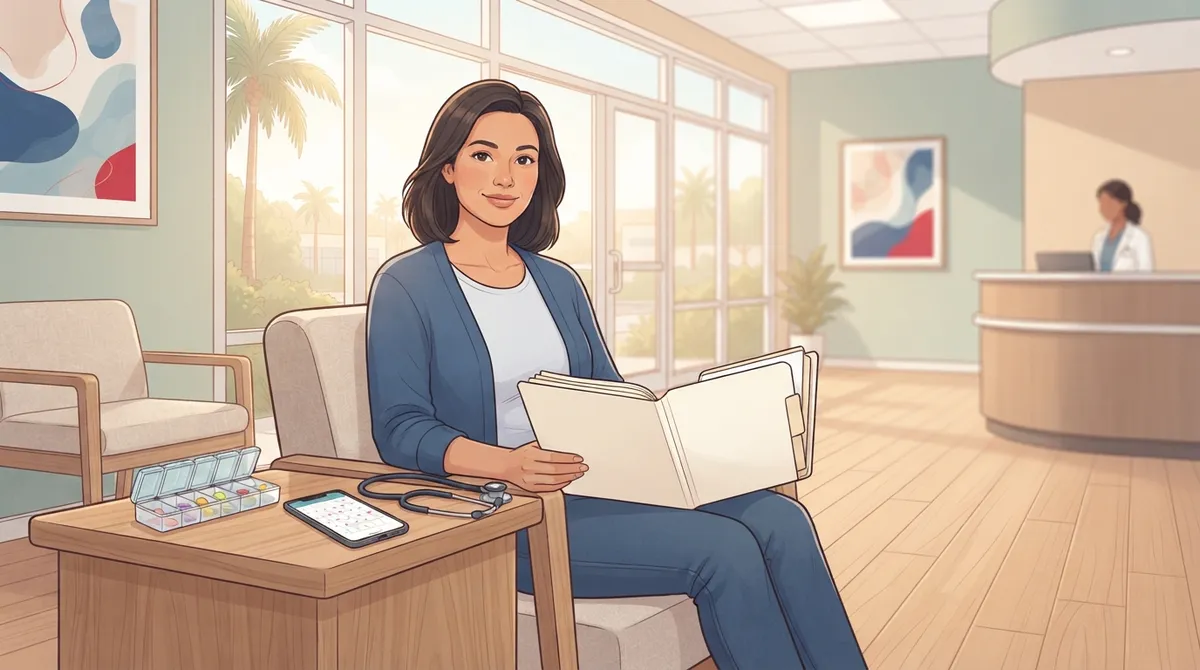
- Before your first visit, gather a complete medication and supplement list with doses, allergies, surgical history, immunization records, and contact details for prior doctors.
- Request your past medical records early using the prior office's release form, naming your new practice as recipient, so you avoid repeating tests.
- Clarify how the practice handles refills, test results, after-hours calls, and specialist referrals, since these answers reveal whether it can support long-term care.
- If uninsured, ask about self-pay pricing and financial assistance; community health centers like Metro Healthy Communities may offer income-based sliding-fee discounts.
Moving to a new neighborhood, changing insurance, or simply outgrowing your old practice can leave you without a regular doctor. That gap matters. A primary care clinician who knows your history can spot problems early, manage medications, and guide you through screenings. Establishing care with new doctor Tampa residents trust takes a little planning, but the steps are simple once you know them.
Tampa Bay offers many choices. Large medical groups, community health centers, and boutique clinics all serve the area. Each one differs in appointment access, insurance networks, and the services it provides. Regional statistics do not predict how fast one office can see you, so you need to ask practices directly.
This guide explains what establishing care means, how to choose a clinic, what to bring, and what happens at your first visit. It also covers costs, records, and follow-up. If you are a busy parent, a young professional, or someone who has never had a regular doctor, these steps will help you begin with confidence.
What Does Establishing Care Actually Mean?
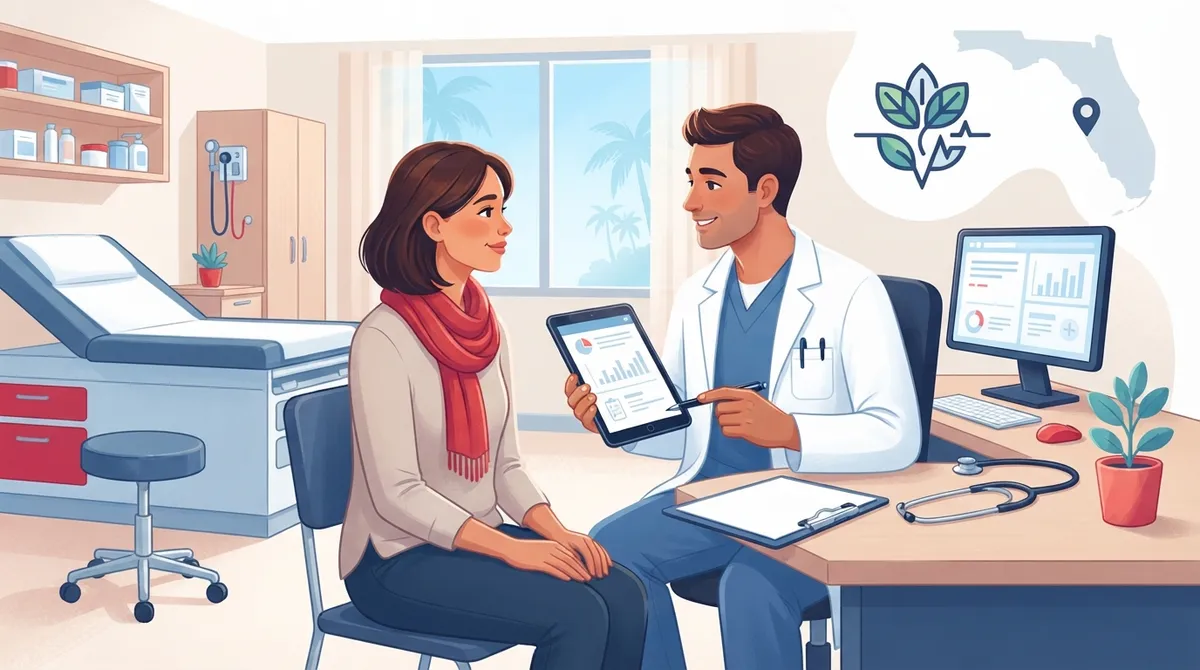
Establishing care means choosing a primary care clinician for ongoing, coordinated health care. It is not the same as a one-time sick visit. The goal is a lasting relationship with one clinician or care team who understands your history, goals, and risks.
Many people confuse this with urgent care. Urgent care treats a sudden problem, like a sprain or infection. Primary care covers the bigger picture. That includes prevention, chronic conditions, medication reviews, and referrals to specialists. For a deeper look at the difference, see Primary Care vs. Urgent Care: Which One Do You Need?
Family Medicine vs. Internal Medicine
Family medicine clinicians commonly care for patients of all ages. Internal medicine clinicians focus on adults. When you call a practice, confirm the age range each clinician serves. Families with children often prefer one office that can see everyone.
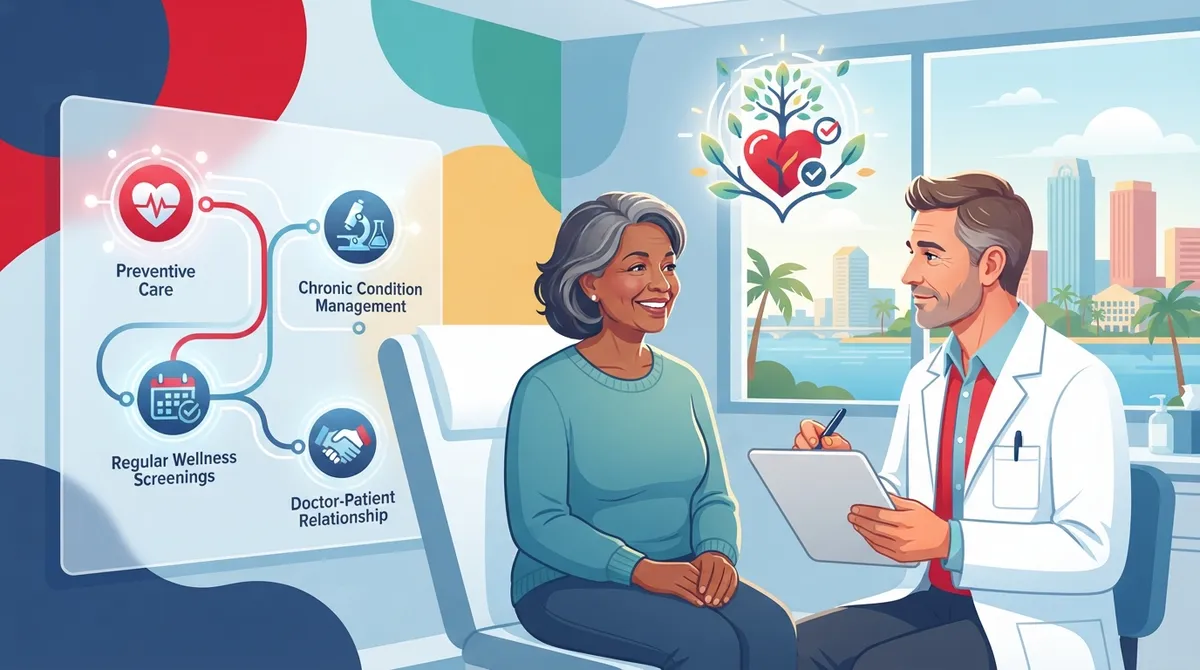
Why Does Having a Primary Care Doctor Matter?
A regular doctor helps you stay ahead of problems instead of reacting to them. Care is also more coordinated when one clinician tracks your labs, prescriptions, and specialist visits.
Florida also faces workforce pressure. One summary of the state's 2025 physician workforce report says 66 of 67 counties had primary care shortages in all or part of the county. A shortage label is geographic. It does not mean every office is closed to new patients. Still, it is a good reason to start your search early. Verify the original report before relying on that figure.
Here are the main benefits of establishing care:
- Early detection: Routine screenings can find issues before symptoms appear.
- Continuity: Your clinician sees patterns over time, not just one snapshot.
- Easier access: Established patients often get faster answers on refills and results.
- Coordination: Referrals and specialist notes flow through one trusted point of contact.
- Prevention focus: Vaccines, cancer screenings, and lifestyle guidance stay on schedule.
How Do You Find a Tampa Doctor Who Is Accepting New Patients?
Start with a short list of clinics near your home or work. Then confirm the details before you book. Network participation and availability can vary by clinician and location, so a quick phone call saves frustration.
Tampa-area options include large medical groups and community health centers. BayCare Medical Group reports more than 65 primary care offices across the Tampa Bay area and offers online scheduling for new patients at some locations. TGMG describes an open-access primary care team meant to improve availability. Metro Healthy Communities serves Tampa Bay patients regardless of insurance status. Details change, so confirm everything directly with the office.
Use this checklist when you call:
- Ask whether the practice is accepting new patients right now.
- Confirm that the specific clinician participates in your exact insurance plan.
- Ask for the earliest available appointment date.
- Find out whether the first visit is in person or by telehealth.
- Ask about patient portal access and online forms.
- Check office hours, including evenings or weekends.
You can also read How Do You Find a Family Doctor in Tampa, FL in 2026? for more search tips.
What Should You Compare Before You Choose a Clinic?
Not every clinic works the same way. Think about what matters most to your daily life. A tech-savvy professional may want online booking and virtual visits. A parent may need appointments for the whole family. Someone focused on prevention may want advanced testing under one roof.
|
Factor |
Questions to Ask |
Why It Matters |
|---|---|---|
|
Insurance |
Is my exact plan accepted? Are labs in network? |
Avoids surprise bills |
|
Access |
How soon can I be seen? Is telehealth offered? |
Fits a busy schedule |
|
Services |
Are screenings, labs, and urgent needs handled here? |
Reduces extra trips |
|
Communication |
How are results and refills handled? |
Keeps care smooth |
|
Location |
Is the office easy to reach from home or work? |
Helps you keep visits |
|
Costs |
What are self-pay prices or payment options? |
Plans your budget |
For help weighing these points, review Best Primary Care Doctor in Tampa: How to Choose in 2026.
How Do You Check Insurance and Costs?
Insurance is the most common barrier to a smooth start. A clinic may accept your insurance company but not your specific plan. Ask for the plan name on your card and have the office confirm it.
Also ask whether the first visit is billed as a new-patient preventive visit or a problem-focused visit. Coverage can differ. Your insurer can explain copays, deductibles, and any limits.
What If You Do Not Have Insurance?
You still have options. Ask any practice about self-pay prices and financial assistance. Metro Healthy Communities reports serving Tampa Bay patients regardless of insurance status and offering an income-based sliding-fee discount. Eligibility and required paperwork should be confirmed with the clinic. For more guidance, see Where Can You Find Care Without Insurance in Tampa?
What Should You Bring to Your First Appointment?
Preparation makes the first visit more useful. A new clinician is building a complete picture of your health, so the more accurate your information, the better your care plan will be.
Bring these items:
- Photo ID and insurance card
- A list of all medications and supplements, with doses
- Known allergies and past reactions
- Relevant medical and surgical history
- Immunization records, if you have them
- Contact details for prior doctors and specialists
- A short list of questions or concerns
Ask the office whether forms can be completed through a patient portal before you arrive. This often shortens your wait. Our guide on How to Prepare: What to Bring to Your First Primary Care Visit offers a printable-style checklist.
How Do You Transfer Your Medical Records?
Your new clinician will want to see past records, especially lab results, imaging, and vaccine history. You generally have the right to request your records from prior providers.
- Contact your previous office and ask for its records release form.
- Sign the form and name your new practice as the recipient.
- Ask for lab results, imaging reports, and immunizations.
- Confirm with your new office that the records arrived.
Ask your new practice whether records should be sent in advance or brought to the visit. Some offices also accept records through a portal. See 7 Key Steps to a Medical Records Request in Primary Care for a step-by-step walkthrough.
What Happens During the First Visit?
A new-patient visit usually covers your health history, current concerns, medications, and preventive needs. Your clinician may perform a physical exam when appropriate. The exact plan depends on your age, history, symptoms, and clinical judgment.
You can expect the following:
- History review: Past illnesses, surgeries, family history, and lifestyle habits.
- Medication review: A check for duplicates, interactions, and gaps.
- Preventive planning: Discussion of screenings, vaccines, and lab work.
- Goal setting: Priorities like weight management, energy, sleep, or chronic condition control.
The clinician may recommend tests such as bloodwork or cancer screenings based on your age and risk. Learn more in What Happens During an Annual Physical Exam?
What Questions Should You Ask a New Doctor?
The first visit is also your chance to see if the practice fits you. Good communication is a strong sign of quality care. Ask how the practice handles these everyday needs:
- Urgent concerns and same-day problems
- Prescription refills
- Referrals to specialists
- Test results and how you will be notified
- After-hours calls
- Follow-up appointments
These answers show whether the office can support long-term care and coordinate with specialists. For a ready list, read What Questions Should You Ask a New Primary Care Doctor?
Can You Establish Care Through Telehealth?
Some practices allow a first visit by video, while others require an in-person visit for a baseline exam. Ask when you book. Telehealth can be a good fit for busy schedules, medication reviews, and follow-ups. It may not replace a physical exam or in-person screenings.
A hybrid approach often works well. You might start in person, then use virtual visits for routine check-ins. This keeps care flexible without losing the hands-on parts of a thorough exam.
Why Might InCare Be a Strong Fit for New Patients?
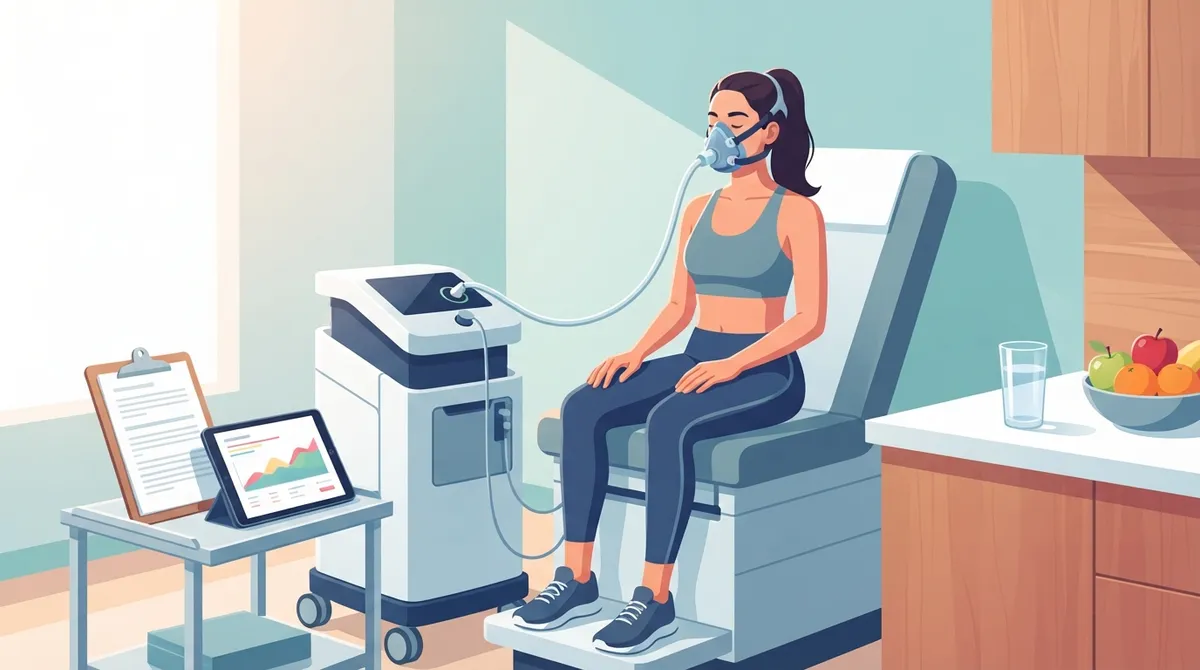
InCare is a personalized healthcare clinic that blends medical expertise with state-of-the-art technology. With locations in Tampa and Riverview, the practice offers primary care, urgent care, cancer screenings, weight loss programs, metabolic breath analysis, body composition analysis, DNA gene testing, and IV hydration therapy. This range lets many patients handle prevention and everyday needs in one place.
That whole-body approach appeals to people who want more than a quick checkup. Patients can build a plan around prevention, performance, and long-term wellness. InCare also maintains a 4.8 out of 5 rating on Google across 359 reviews, and patients often mention the friendly staff and the quality of care. You can see what our InCare patients say on Google and decide if the practice matches your expectations.
Follow InCare for updates and wellness tips on Facebook, Instagram, and TikTok. For tailored help picking a clinic, read How to Choose the Best Primary Care Near You in Tampa.
What Are Common Mistakes When Starting With a New Doctor?
A few small errors can slow the process. Avoid these common ones:
- Assuming a clinic accepts your plan without confirming the exact plan name.
- Waiting until you are sick to look for a doctor.
- Arriving without a full medication and supplement list.
- Skipping record transfers, which forces repeated tests.
- Relying on regional averages instead of calling for current wait times.
You can learn more in 14 Mistakes to Avoid When Scheduling Primary Care in Tampa. A little planning up front makes the whole process faster and far less stressful.
Take the First Step Toward Better Care
Establishing care with new doctor Tampa residents can rely on starts with a few clear actions. Choose a clinic, verify insurance, gather your records and medication list, and book a visit. Then use that first appointment to set goals and ask questions.
Do not wait for a health scare. A steady relationship with a primary care team makes every future decision easier. Ready to begin? Book your new patient visit with InCare today, or contact our team with any questions about services, insurance, or what to expect at your first appointment.
FAQs
Q: How do I find a primary care doctor in Tampa who is accepting new patients?
A: Call the practice directly and ask whether the specific clinician is accepting new patients and participates in your exact insurance plan. Some Tampa-area groups also offer online scheduling for new patients. Availability changes often, so confirm before you book.
Q: What should I bring to my first appointment with a new doctor?
A: Bring a photo ID, your insurance card, and a list of medications and supplements. Also bring your allergies, medical and surgical history, immunization records if available, and contact details for prior clinicians. Ask the office if forms can be completed in advance through a patient portal.
Q: How long does it take to get a primary care appointment in Tampa?
A: Wait times vary by practice and location. Regional provider statistics do not predict one clinic's availability, so contact offices directly and ask for the earliest new-patient opening. Some practices offer open-access or same-week scheduling.
Q: Can I establish care with a Tampa doctor through telehealth?
A: Some practices allow a first visit by telehealth, while others require an in-person visit for a baseline exam. Ask the office when you schedule. Many patients combine an in-person start with virtual follow-ups.
Q: Where can I get primary care in Tampa if I do not have insurance?
A: Ask clinics about self-pay pricing and financial assistance. Community health centers such as Metro Healthy Communities report serving Tampa Bay patients regardless of insurance status and offering an income-based sliding-fee discount. Confirm eligibility and required documents directly with the clinic.