Key Takeaways
- Glutathione enhancers like NAC, glycine, and vitamin C target specific antioxidant production rather than filling broad nutrient gaps like multivitamins do, making them more effective for people with oxidative stress or confirmed nutrient depletion.
- GlyNAC (glycine plus NAC) studies in older adults showed improvements in oxidative stress, inflammation, insulin resistance, muscle strength, and cognitive function, but benefits declined after supplementation stopped, indicating ongoing use may be needed.
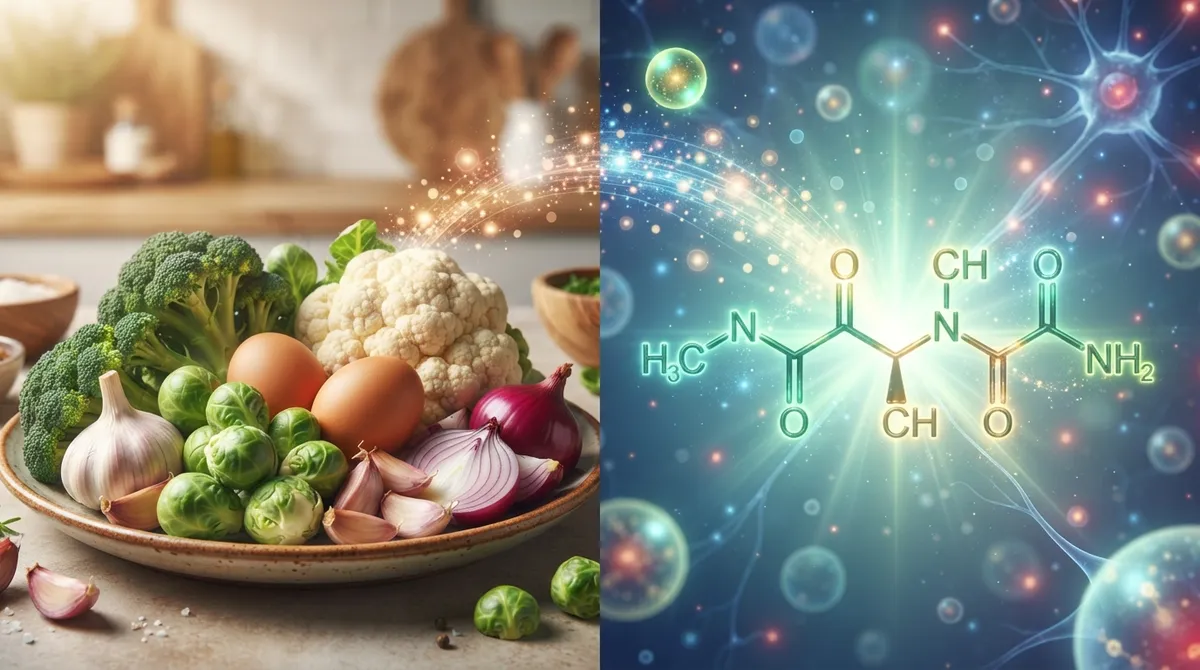
- A protein-rich, plant-forward diet with sulfur-rich foods like eggs, cruciferous vegetables, garlic, and onions should be the foundation before considering supplements, as it provides raw materials for natural glutathione synthesis.
- Vitamin C supplementation at 500-1,000 mg daily was shown to increase lymphocyte glutathione by 18 percent in deficient individuals over 13 weeks, but glutathione enhancers work best for people with already depleted levels.
- Avoid intravenous glutathione for cosmetic purposes; IV forms carry serious risks including allergic reactions and liver damage without standardized dosing, while oral and topical forms cause only mild side effects.
- Pregnant individuals, children, cancer patients, those with liver or kidney disease, and anyone on multiple medications should consult a clinician before starting glutathione enhancers to rule out interactions and safety concerns.
Many people take a daily multivitamin and assume it covers every antioxidant need. But if you have noticed more fatigue, slower healing, or dull skin lately, a basic multivitamin may not be enough. Glutathione enhancers work differently. They target one of the body's most important internal antioxidants instead of just filling nutrient gaps. Understanding how these two approaches compare can help you make smarter choices about your health.
Glutathione is a natural antioxidant your cells make from three amino acids: cysteine, glycine, and glutamate. It helps protect your cells from damage, supports your immune system, and plays a role in detoxification. As people age, deal with chronic stress, or face illness, glutathione levels can drop. That is where glutathione enhancers come in. These are nutrients, supplements, and habits designed to support your body's own production of this antioxidant, rather than just adding another pill to your routine.
At InCare, our primary care and wellness teams in Tampa and Riverview help patients understand which approach fits their health goals. This article breaks down how glutathione enhancers stack up against standard multivitamins, what the research actually shows, and how to talk to your doctor about the right plan for you.
What Are Glutathione Enhancers?
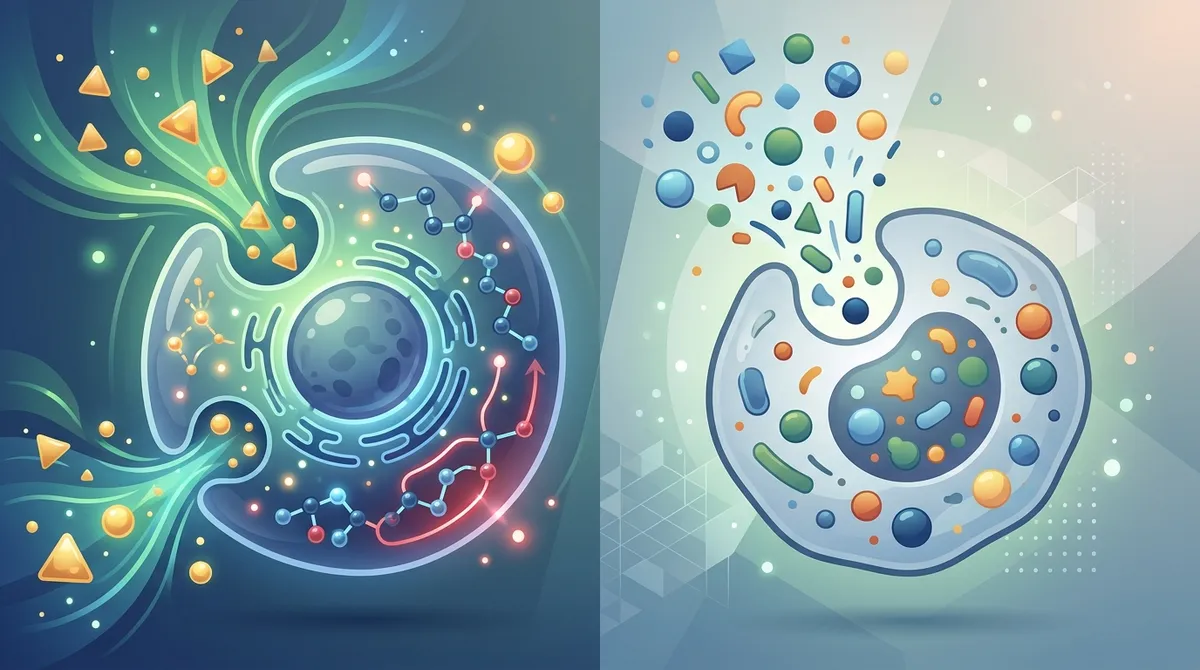
Glutathione enhancers are foods, nutrients, or supplements that help your body make more glutathione or protect the glutathione you already have. Unlike a multivitamin that provides a broad mix of vitamins and minerals, these enhancers focus on the specific building blocks your cells need for antioxidant defense.
The amino acid cysteine is often the bottleneck in glutathione production. This is why N-acetylcysteine (NAC), glycine, and the combination known as GlyNAC are widely studied. Vitamin C also plays a supporting role by helping preserve glutathione levels inside your cells.
Common Types of Glutathione Enhancers
- N-acetylcysteine (NAC): A precursor that supplies cysteine, the rate-limiting ingredient in glutathione synthesis.
- Glycine: An amino acid that pairs with cysteine to support production, often studied alongside NAC as GlyNAC.
- Vitamin C: Helps recycle oxidized glutathione back into its active, protective form.
- Sulfur-rich foods: Eggs, poultry, fish, garlic, onions, and cruciferous vegetables provide raw materials for glutathione production.
- Oral or liposomal glutathione supplements: Direct supplementation, though absorption varies widely by formulation.
How Basic Multivitamins Compare
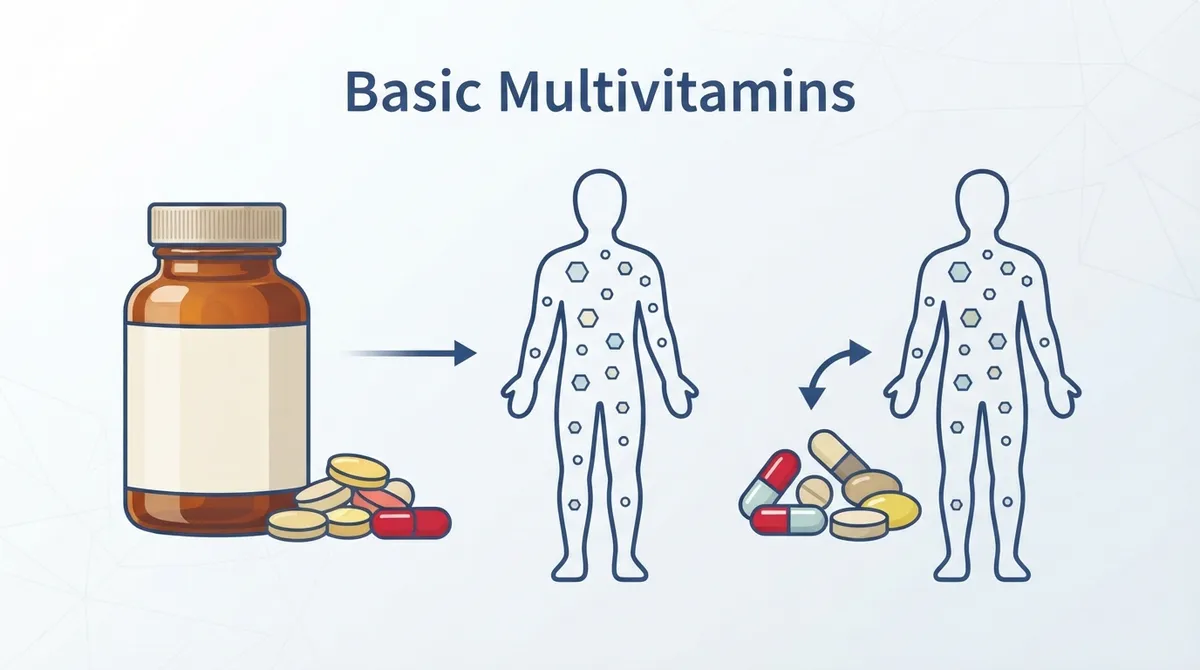
A standard multivitamin usually includes a broad spread of vitamins A through E, plus minerals like zinc and magnesium. It is designed to fill general nutrition gaps, not to target a specific antioxidant pathway. Multivitamins can be helpful for people with limited dietary variety, but they rarely contain therapeutic doses of the specific compounds tied to glutathione production.
This does not mean multivitamins are useless. For many patients, they serve as a helpful baseline. But if your goal is supporting cellular antioxidant capacity, detox pathways, or recovery from oxidative stress, a multivitamin alone may fall short.
Side-by-Side Comparison
|
Feature |
Glutathione Enhancers |
Basic Multivitamins |
|---|---|---|
|
Primary Goal |
Support glutathione synthesis and antioxidant defense |
Fill general vitamin and mineral gaps |
|
Key Ingredients |
NAC, glycine, vitamin C, sulfur-rich foods |
Vitamins A-E, calcium, zinc, iron |
|
Best For |
People with oxidative stress or nutrient depletion |
General nutritional maintenance |
|
Clinical Evidence |
Promising but still developing, strongest in depleted populations |
Well established for basic deficiency prevention |
|
Typical Use Case |
Targeted wellness plans, often clinician-guided |
Daily general health support |
What Does the Research Actually Show?
Clinical evidence on glutathione enhancers is encouraging but still developing. A 2019 review of dietary phytonutrients found that NAC-related glutathione support was promising but inconclusive, with results varying between studies. This means glutathione enhancers are not a guaranteed fix for everyone, but they show real potential in certain groups.
One study looked at vitamin C directly. People with low vitamin C levels who took 500 or 1,000 milligrams daily for 13 weeks saw about an 18 percent increase in lymphocyte glutathione compared to a placebo group. That is a meaningful signal that correcting a nutrient deficiency can support your body's antioxidant systems.
The GlyNAC Studies
A 24-week pilot trial in older adults tested GlyNAC, the combination of glycine and NAC. Researchers found it corrected red blood cell glutathione deficiency and improved several health markers, including:
- Oxidative stress levels
- Inflammation markers
- Insulin resistance
- Blood vessel function
- Muscle strength and walking speed
- Cognitive performance
- Exercise capacity
These results are promising, but the study was small. Benefits also declined after supplementation stopped, which suggests ongoing use may be needed to maintain results. A separate 2022 randomized trial in healthy older adults found GlyNAC was safe and well tolerated, but it did not significantly raise total glutathione levels in that broader group. This tells us glutathione enhancers may work best for people who already have depleted levels, not necessarily for everyone.
Foods That Naturally Support Glutathione
Before jumping to supplements, diet is often the first place to look. Certain foods provide the raw materials your body needs to make glutathione naturally. This approach fits well within a primary care wellness plan focused on prevention rather than quick fixes.
Top Food Sources to Consider
- Eggs: High in sulfur-containing amino acids needed for synthesis.
- Poultry and fish: Provide quality protein and cysteine.
- Legumes: Beans and lentils offer plant-based protein and sulfur compounds.
- Cruciferous vegetables: Broccoli, cauliflower, and Brussels sprouts support detox pathways.
- Garlic and onions: Rich in sulfur compounds that aid antioxidant production.
A protein-rich, plant-forward diet gives your body the tools it needs. For many patients, this dietary foundation matters more than any single supplement. Our weight loss and nutrition programs at InCare often start here before considering targeted supplementation.
Safety Considerations You Should Know
Not all glutathione enhancers carry the same safety profile. Oral NAC and standard supplements are generally well tolerated. The most common side effects are mild stomach issues like nausea or bloating. Controlled studies have not found a meaningful increase in serious adverse events compared to placebo.
Intravenous glutathione is a different story. A 2025 review of glutathione used for skin lightening found that oral and topical forms generally caused only mild side effects. IV glutathione, however, carried more serious risks, including reports of severe allergic reactions and liver damage. There is also no standardized dosing protocol for IV use, which adds uncertainty.
Who Should Talk to a Clinician First
- Pregnant or breastfeeding individuals
- Children and adolescents
- People currently undergoing cancer treatment
- Patients with significant liver or kidney disease
- Anyone taking multiple prescription medications
- Individuals considering IV glutathione for cosmetic skin lightening
If any of these apply to you, a conversation with your provider is the safest first step before starting any new supplement routine.
Steps to Build a Smart Glutathione Support Plan
Rather than guessing which product to buy, a structured approach works better. Here is how our clinical team typically guides patients through this decision.
- Review your diet and lifestyle: Look at protein intake, sleep quality, alcohol use, and smoking history, since all affect oxidative stress.
- Check for underlying nutrient gaps: Vitamin C, zinc, and selenium deficiencies can all reduce antioxidant capacity.
- Consider DNA gene testing: Genetic insights can reveal how your body processes certain nutrients and stress.
- Start with food-based strategies: Add sulfur-rich foods and adequate protein before considering supplements.
- Discuss targeted supplementation: If needed, your provider may recommend NAC, glycine, or vitamin C at researched dosages.
- Monitor progress: Track energy, recovery, and relevant lab markers over several weeks.
- Adjust as needed: Supplementation plans should evolve based on your response and any new health changes.
Why Whole-Body Care Matters More Than a Single Supplement
Glutathione enhancers should never be marketed as a cure-all for aging, chronic disease, or detoxification. They work best as one piece of a larger wellness strategy. This is why our approach at InCare looks at the whole picture, including body composition, metabolic health, and preventive screenings, before recommending any targeted supplement.
Many of our Tampa and Riverview patients also explore complementary services like IV hydration and vitamin drips as part of a broader wellness routine. These services are best used alongside guidance from a licensed provider, not as a replacement for a full health evaluation.
Making the Right Choice for Your Health
So which wins: glutathione enhancers or basic multivitamins? The honest answer is that it depends on your starting point. If you eat a varied diet and have no signs of oxidative stress, a standard multivitamin may be all you need. But if you are dealing with fatigue, slow recovery, chronic illness, or known nutrient deficiencies, targeted glutathione enhancers may offer more specific support.
The safest way to decide is through a conversation with a primary care provider who knows your health history. You can follow our team's updates and patient education content on Facebook and Instagram, or see quick wellness tips on TikTok. For research-backed guidance on antioxidants and nutrition, the National Institutes of Health Office of Dietary Supplements is also a trustworthy resource.
Quick Reference: When to Choose Which
- Choose a multivitamin if: You eat a limited variety of foods and want general nutritional coverage.
- Choose glutathione enhancers if: You have signs of oxidative stress, low vitamin C status, or a clinician-confirmed nutrient gap.
- Choose both if: Your provider recommends a combined approach based on lab results and symptoms.
- Avoid IV glutathione for cosmetic use if: You have not discussed risks with a licensed medical provider.
Our patients in Tampa and Riverview consistently rate their experience highly, and you can visit us on Google — InCare to read real reviews from people who have gone through this same decision-making process.
Ready to Build Your Personalized Wellness Plan?
Choosing between glutathione enhancers and a basic multivitamin does not have to be confusing. Our providers at InCare can review your health history, order the right labs, and build a plan that actually fits your body's needs. Whether you are curious about targeted supplementation, want to explore hair restoration options, or simply need a comprehensive wellness checkup, our Tampa and Riverview teams are ready to help.
Take the next step toward a smarter, more personalized approach to antioxidant support. Book your appointment today and let our team guide you toward a wellness plan built around your unique health goals.
FAQs
Q: What are glutathione enhancers and how do they work?
A: Glutathione enhancers are nutrients and compounds like NAC, glycine, and vitamin C that support your body's natural production of glutathione. They provide the raw materials your cells need to build this antioxidant, rather than supplying glutathione directly.
Q: Is NAC the best supplement for increasing glutathione?
A: NAC is one of the most studied options because it supplies cysteine, the rate-limiting amino acid in glutathione synthesis. However, research shows mixed results, and NAC works best when combined with glycine or used in people with confirmed nutrient depletion.
Q: What foods naturally increase glutathione?
A: Sulfur-rich foods like eggs, poultry, fish, garlic, onions, and cruciferous vegetables such as broccoli support glutathione production. A protein-rich diet gives your body the building blocks it needs for natural synthesis.
Q: Are glutathione injections safe for wellness or skin lightening?
A: Oral and topical glutathione products generally cause only mild side effects, but intravenous glutathione carries more serious risks, including reported allergic reactions and liver damage. It also lacks standardized dosing, so it should only be considered under close medical supervision.
Q: Who should avoid glutathione supplements or discuss them with a clinician first?
A: Pregnant or breastfeeding individuals, children, people undergoing active cancer treatment, and those with significant liver or kidney disease should speak with a provider before starting any glutathione enhancer. Anyone taking multiple medications should also confirm there are no interactions.